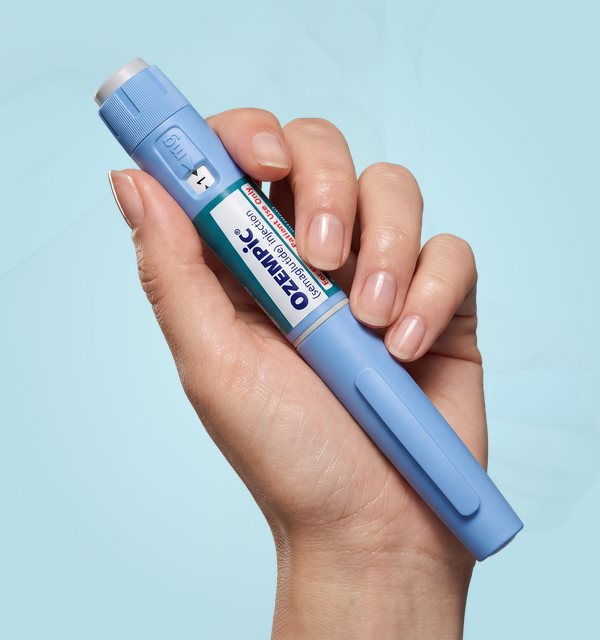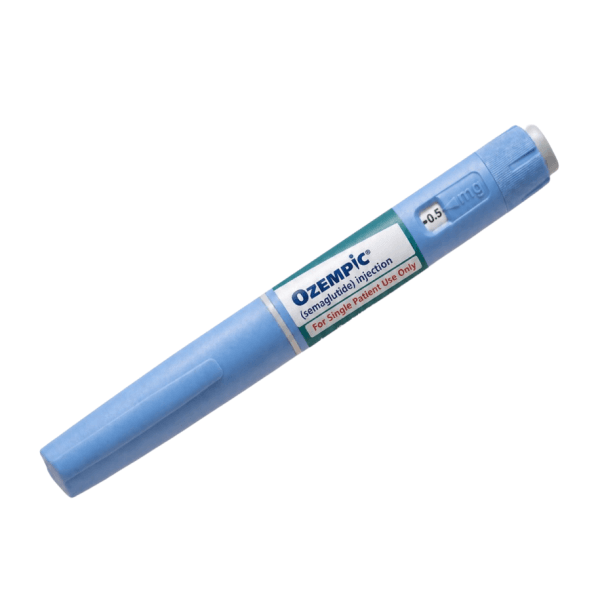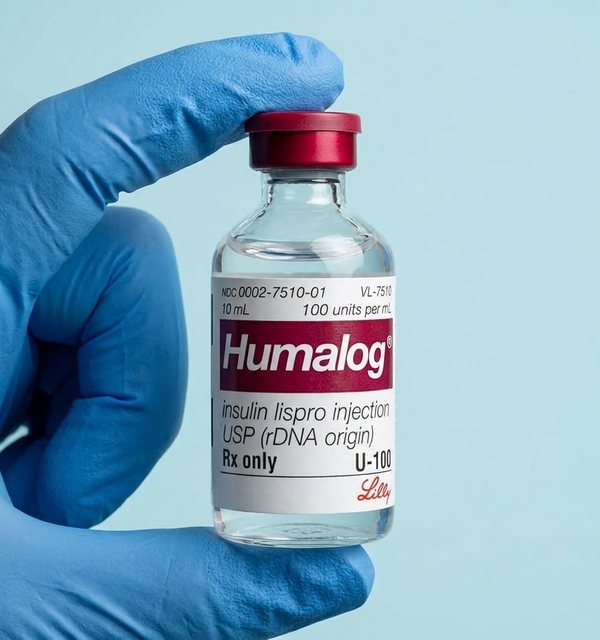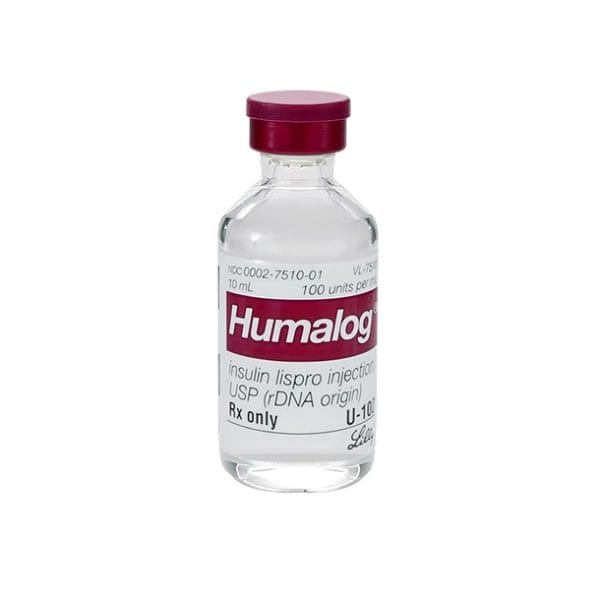


Choosing between rapid-acting options often starts with Fiasp vs Humalog. Both address post‑meal spikes, yet their onset and formulation differ. This guide explains practical distinctions, safe switching principles, and where related options fit. It also highlights tools, product formats, and authoritative references for deeper context.
Key Takeaways
- Faster onset feature: Fiasp adds niacinamide, which accelerates aspart absorption.
- Clinical overlap: Both cover meals and corrections; timing and pumps may differ.
- Switching caution: Start conservatively and monitor closely when changing products.
- Comparative framing: Consider meal pattern, hypoglycemia risk, and device setup.
- Documentation matters: Use labels, logs, and clinician input when adjusting.
Fiasp vs Humalog: Onset, Peak, Duration
Both agents are rapid‑acting mealtime insulins. Fiasp (insulin aspart with niacinamide) typically shows an earlier glucose‑lowering effect than lispro. Humalog (insulin lispro) remains a widely used standard for carbohydrate coverage and corrections. These profile differences can influence pre‑meal dosing intervals, hypoglycemia timing, and post‑meal monitoring needs.
Real‑world performance still depends on meal composition, injection site, temperature, and individualized sensitivity. Label data describe faster early exposure for Fiasp and established kinetics for lispro, which helps frame mealtime planning. For a broader overview of timing across brands, see Rapid-Acting Insulin Peak for onset and peak comparisons within rapid‑acting options.
Authoritative pharmacokinetic details are available in official prescribing information. For example, the Fiasp prescribing information and the Humalog prescribing information summarize onset, peak, and duration, providing reference points for clinical decisions.
Pharmacology and Formulation Differences
Fiasp is insulin aspart with niacinamide (vitamin B3), which facilitates faster absorption from the subcutaneous depot. A local vasodilator (L‑arginine) helps stabilize the formulation. Humalog is insulin lispro, a rapid‑acting analog with long‑standing clinical use in pens, vials, and pumps. These formulation choices explain subtle differences in early exposure and mealtime flexibility.
Understanding excipients helps translate labels into practice. Earlier absorption can reduce pre‑meal waiting time for some meals, yet variability persists with fat, protein, and mixed courses. Safety and adverse reactions remain broadly similar for rapid analogs. For labeled effects, see Fiasp Uses and Side Effects for a concise discussion of warnings and common reactions in active use.
Clinicians also consider background options and historical comparators. Differences between analogs and regular insulin remain relevant for timing and stacking considerations; see Lispro vs Regular Insulin for legacy contrasts that still inform modern care pathways.
Practical Use: Mealtime Timing, Correction, and Pumps
Pre‑meal strategy depends on food pattern and sensitivity. Many users inject near mealtime, then watch the first post‑meal hour closely. For high‑fat or slow‑digesting meals, some split doses or extend pump boluses to limit late spikes. Correction dosing remains individualized and guided by response logs rather than formula alone.
In clinical discussions, lispro vs aspart dosing comparisons focus more on timing nuance than unit changes. Some individuals may find an earlier effect helpful for rapid‑acting carbohydrate, while others prioritize predictability in mixed meals. Pump users can fine‑tune bolus shapes, leveraging square or dual‑wave patterns to align insulin delivery with digestion.
Pumps and Closed‑Loop Systems
Infusion site rotation, set changes, and insulin stability all affect outcomes. Early absorption can influence loop algorithm behavior, particularly around exercise or variable meals. Pump users should review device‑specific compatibility, reservoir stability windows, and occlusion alarms when changing products. For device format and technique tips, skim Humalog KwikPen Guide for pen handling points that translate into general injection best practices, and revisit Sliding Scale Insulin Therapy for background on correction strategies and their limitations.
Converting and Switching: Principles and Tools
When changing rapid‑acting analogs, consistency and monitoring are essential. Start with a cautious approach, then adjust using logs of meals, activity, and capillary or CGM values. Clinicians often consult an insulin conversion table to frame reasonable starting estimates while emphasizing real‑world feedback. Avoid stacking corrections and allow enough time to see a dose’s full effect before making further changes.
Online tools can support planning, including generalized insulin conversion calculators for basal and bolus transitions. Examples include Tresiba‑to‑Lantus conversion tools or guidance on moving from basal‑bolus plans to premix strategies. The goal is not to automate choices but to organize thinking before individualized adjustments. For background on selecting between human and analog options, see Humulin vs Humalog for a framework comparing older and newer mealtime approaches.
Humalog to Fiasp: Practical Considerations
Conceptually, a humalog to fiasp conversion may start at a similar unit dose, with attention to earlier onset and potential adjustments to pre‑meal timing. Early post‑meal monitoring can reveal whether a slight timing change helps. People with variable meal patterns or frequent snacks may prefer flexibility, while others favor a consistent interval before eating.
Device selection also matters. Individuals who prefer pen formats can review product specifics for clarity on concentrations and pen capacities. For format details and device options, see Fiasp Vials for vial specifications and Humalog Vial Overview for practical vial considerations, which can influence clinic teaching and patient preferences.
Novolog and Humalog: Similarities and Pitfalls
People often ask, are humalog and novolog dosed the same. Labels and clinical practice generally treat lispro and aspart as comparable mealtime choices, but individual responses vary. Switching between brands can uncover subtle timing differences, especially with mixed meals or variable activity. Careful logs during the first week help catch trends before hypoglycemia or persistent post‑meal highs emerge.
Early experience also depends on delivery method and education. Pump users may see sensitivity changes when swapping reservoirs, while pen users may simply adjust pre‑meal intervals. For a focused comparison of aspart variants, visit Fiasp vs Novolog for distinctions between standard aspart and the faster formulation, which can inform realistic expectations during transitions.
Alternative Rapid‑Acting Options
Therapy choices extend beyond aspart and lispro. Some individuals consider lyumjev insulin, a faster lispro formulation with excipients that enhance local absorption. Others evaluate inhaled options for selected scenarios, prioritizing convenience over flexibility in titration. Individual factors—meal timing, hypoglycemia history, and device use—shape the best fit more than brand names alone.
Clinicians sometimes compare Fiasp with similar fast‑onset products or consider aspart alternatives like NovoRapid in regions where naming differs. For product‑level context on aspart offerings, see NovoRapid Cartridge for cartridge details and NovoRapid Vials for vial information, useful when planning supplies and training materials. If considering glulisine as another rapid analog, review Understanding Apidra Insulin for pharmacology and timing that parallel lispro and aspart families.
Positioning Alternatives in Practice
When evaluating alternatives, frame decisions around meal structure and device capabilities. A faster formulation may reduce pre‑meal waiting for quick carbohydrates, while predictable mid‑peaks can aid mixed meals. Consider the learning curve, especially if adjusting pump settings or adopting hybrid closed‑loop algorithms. For pen‑based users wanting brand specifics, see Apidra SoloStar Pens for device features and Rapid-Acting Insulin Peak for timing examples; both help translate labels into day‑to‑day choices.
Safety, Storage, and Regulatory Notes
Use labeled storage limits and discard timelines for pens, vials, and pump reservoirs. Warmer environments can alter insulin action and stability, while cold injections may slow absorption. Keep supplies out of extreme temperatures during travel, and track open dates to prevent potency uncertainty. For a broader educational pathway, browse Type 1 Diabetes and Type 2 Diabetes categories for structured reading around insulin therapy and monitoring practices.
Prescribing information remains the most authoritative safety source. Review the Fiasp prescribing information and Humalog prescribing information for warnings, contraindications, and storage. For care standards and general insulin guidance, the ADA Standards of Care provide consensus‑based recommendations helpful for clinicians aligning protocols with current evidence.
Recap
Both insulins target post‑meal control but emphasize different strengths. Fiasp offers faster early action; Humalog contributes long experience and broad device support. Start cautious when switching, monitor closely, and base adjustments on structured logs. Use labels and credible resources to anchor safe, individualized decisions.
Note: This content is for informational purposes only and is not a substitute for professional medical advice.