
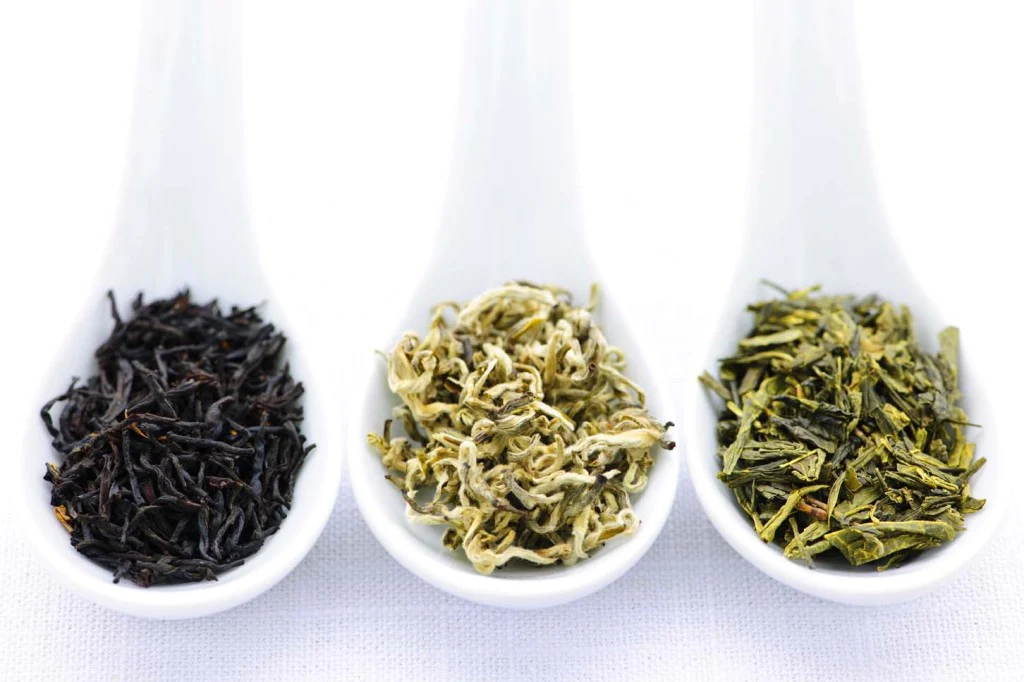
In this Five Effective Teas for Diabetes: Evidence-Based Guide, the short answer is simple: plain, unsweetened tea can be a reasonable drink choice for many people with diabetes, but no tea treats diabetes or rapidly clears sugar from the blood. Green tea has the strongest, though still modest, research signal for blood sugar management. Black tea, oolong tea, chamomile tea, and ginger tea can also fit well, mainly because they are low in carbohydrates and contain polyphenols (plant compounds) or other compounds that may support metabolism. The bigger issue is often what gets added to the cup.
Key Takeaways
- Green tea has the most consistent research signal, but the effect appears modest.
- Black, oolong, chamomile, and ginger tea can fit as low-sugar beverage choices.
- Unsweetened tea is usually the clearest answer to tea that does not spike blood sugar.
- No tea flushes out sugar, replaces medication, or quickly lowers A1C.
- Sweeteners, milk, syrups, and serving size often matter more than tea type.
Best Teas for Diabetes: What the Evidence Supports
The best teas for diabetes are usually the ones that stay unsweetened and can replace higher-sugar drinks. Research is strongest for green tea, with smaller or less consistent signals for black tea, oolong tea, chamomile tea, and ginger tea.
That does not make these teas treatments. It makes them reasonable beverage choices within a broader routine, especially when compared with soda, juice, energy drinks, or sweet café beverages.
| Tea | What the evidence suggests | Why it may fit | Main caution |
|---|---|---|---|
| Green tea | Most consistent, though modest, signal in studies | Easy low-sugar swap for sweet drinks | Caffeine may bother some people |
| Black tea | Smaller and less uniform human data | Familiar daily option for many adults | Sweet bottled versions can add sugar |
| Oolong tea | Limited but plausible metabolic support | Useful if you prefer a stronger flavor | Usually contains caffeine |
| Chamomile tea | Small studies and practical bedtime use | Naturally caffeine-free | Herbal interactions are possible |
| Ginger tea | Early evidence and strong practical appeal | Can be easy to drink plain | Blends vary in concentration |
The shared theme across these teas is not that they act like medication. It is that they can support a lower-sugar beverage pattern. In real life, that usually means brewed tea at home, a plain order at a café, or a bottle with no added sugar rather than a tea-based drink built around sweetness.
These five are not the only teas discussed online. Cinnamon, turmeric, and hibiscus are also common in articles about tea and diabetes. They may still fit into an unsweetened routine, but the evidence specific to diabetes is less consistent or more preliminary, so they are better treated as secondary options rather than clear first picks.
Why green tea leads the list
Green tea leads because its catechins, especially EGCG, are the most studied tea compounds in relation to glucose metabolism. The reported benefits are modest, but the research signal is more consistent than it is for most herbal teas. Plain brewed green tea is often a practical place to start.
If you are wondering which green tea is good for diabetes, the answer is usually simple: standard unsweetened green tea is enough. You do not need a premium blend or a tea marketed as medicinal. Some concentrated styles, including matcha, may contain more caffeine, which can matter if you are sensitive to stimulants.
Why black and oolong still belong
Black tea and oolong tea come from the same plant as green tea but are processed differently. That changes flavor and chemical profile. Human studies are smaller and less uniform, yet both still belong in a discussion of best teas for people with diabetes because they are low in carbohydrate and may offer mild metabolic support when consumed plain.
For many adults, black or oolong tea works best for a simple reason: they enjoy it and can drink it regularly without sugar. A modest, repeatable habit usually matters more than chasing a single tea marketed as a cure.
Where herbal teas fit
Chamomile tea and ginger tea are useful because they give people caffeine-free options. Their evidence base is narrower than green tea’s, but they can still fit well. Chamomile is often an evening choice, while ginger tea is popular for digestion and as a warm drink that does not rely on sweetness.
Why it matters: Replacing one sugary drink with plain tea can matter more than choosing a specific variety.
What Tea Can and Cannot Do for Blood Sugar
No tea flushes sugar out of the body. Blood glucose is controlled through hormones, food intake, activity, stress, sleep, and medicines when prescribed.
Tea may help in a few limited ways. First, it supports hydration. Second, it can displace sweet drinks that raise carbohydrate intake. Third, some tea compounds may modestly affect glycemic control (blood sugar management), carbohydrate digestion, oxidative stress, or insulin sensitivity in some studies. Those are supportive effects, not a substitute for treatment.
That replacement effect may be the most important reason tea shows up in diabetes discussions. Moving from sweet bottled tea or soda to plain brewed tea can reduce sugar exposure right away, even if the tea itself has only a small biological effect.
This is why tea works best inside an overall plan such as Eating Well With Diabetes. It also helps to understand how Insulin Resistance develops and the basic Role Of Insulin in moving glucose from the bloodstream into the body’s cells.
That broader context matters when people ask for the best tea to lower A1C. No brewed tea has the evidence profile of a diabetes medication, and no tea should be presented as a fast way to change A1C. If a product sounds more like a supplement than a beverage, the safety questions usually become more important than the tea claims.
Internet discussions sometimes frame one traditional tea as a hidden remedy. There is no single Japanese or traditional tea that reliably treats diabetes. Realistic expectations are part of staying safe.
What Tends to Matter More Than the Tea Itself
For most people, the biggest blood sugar difference comes from what is added to tea. Plain tea has little to no carbohydrate. Sweetened bottled teas, milk teas, honey-heavy herbal blends, and café drinks can be very different.
- Added sugar: can raise glucose quickly.
- Honey or syrups: still count as sugar.
- Sweet creamers: add carbs and calories.
- Boba or jelly toppings: can turn tea into dessert.
- Large servings: increase total sugar load.
Which tea does not spike blood sugar? In general, unsweetened tea is the clearest answer. Plain green, black, oolong, chamomile, and ginger tea are all low-sugar choices when nothing caloric is added. Lemon, mint, or spices can add flavor without turning the drink into a sweet beverage.
Milk tea is more complicated. Tea with a small amount of unsweetened milk is not the same as a sweet café milk tea made with syrups or condensed milk. Many people asking about tea for diabetes and high blood pressure should also think about caffeine load, not just sugar. Decaf or herbal options may be easier later in the day.
Caffeine and blood sugar do not behave the same way in everyone. Some people notice little change. Others feel temporary rises, more cravings, jitters, or poorer sleep, which can make day-to-day management harder.
Read labels carefully. Ready-to-drink tea products can look healthy and still contain substantial sugar per bottle. Restaurant drinks can be just as misleading because toppings, flavored foams, fruit purées, and sweetened powders may add far more carbohydrate than the tea base.
Quick tip: Brew it plain first, then add lemon, mint, or spices before sweeteners.
If you want more food and drink context, browse the Diabetes Articles section or the Diabetes Hub for broader condition information.
Safety, Risks, and When Caution Matters
Tea is generally safe for most adults, but the main cautions are caffeine, concentrated herbal blends, and delayed recognition of symptoms. If tea replaces meals or is used during illness, blood sugar patterns can become harder to read.
Caffeinated tea can cause jitteriness, palpitations, reflux, anxiety, or poor sleep in some people. Herbal products deserve extra caution if you are pregnant, have kidney or liver disease, or take medicines with known food or herb interactions. A long ingredient list is a reason to slow down, not assume the blend is better.
Where required, prescription details may be confirmed with the original prescriber.
Tea can also distract from a more urgent issue. If you feel shaky, sweaty, confused, or weak, think first about whether this could be Hypoglycemia Vs Hyperglycemia rather than a tea problem. If you are very thirsty, vomiting, breathing rapidly, or feeling increasingly unwell, review the warning signs in High Blood Sugar Symptoms and Acute Hyperglycemia. Drinks do not replace urgent assessment.
Avoid labels that promise to detox sugar, reverse diabetes, or replace medicine. Those claims are a red flag, especially when the product offers little information on ingredients or interactions.
How to Choose a Tea If You Have Diabetes
The best approach is simple: choose a tea you will actually drink, keep it unsweetened, and pay attention to how it fits with meals, caffeine tolerance, and your larger care plan.
- Start with plain tea: avoid syrups and sweetened powders.
- Match caffeine to your day: use decaf or herbal if needed.
- Check the label: bottled tea may contain added carbohydrates.
- Notice timing: sweetened tea on an empty stomach can hit differently.
- Watch patterns, not one sip: look for repeated trends.
- Fit it into meals: beverages work best in a balanced routine.
- Ask about herb interactions: especially with complex tea blends.
If you monitor at home, tea is easiest to evaluate when the rest of the meal is fairly stable. That makes it easier to separate the drink itself from the effect of pastries, sweet snacks, or large restaurant meals. People comparing meters, strips, or related supplies can browse the Diabetes Product Hub for general context.
If you notice a pattern of unusual readings after certain drinks, write down what was in the cup, when you drank it, and what you ate with it. That kind of detail is usually more useful than switching between online tea lists.
Tea should also sit beside, not instead of, evidence-based prevention and treatment. If you are trying to reduce future risk, the basics in Type 2 Diabetes Prevention remain more important than any single beverage.
Prescription medications, when needed, are dispensed by licensed third-party pharmacies where permitted.
Where Tea Fits in a Larger Diabetes Plan
Tea fits best as a low-sugar hydration choice, not as a centerpiece of diabetes care. The strongest reasons to use it are practical: it can replace sweeter drinks, support routine, and offer a satisfying option between meals.
That matters because diabetes management is cumulative. Food patterns, movement, sleep, stress, access to care, and medicines all work together. A plain cup of tea may support that plan, but it cannot overcome frequent high-sugar beverages, skipped meals, or untreated symptoms.
For people using insulin or other glucose-lowering medicines, consistency and monitoring matter more than searching for a miracle beverage. Tea may be a good supporting choice, but it is still just one small piece of a much larger plan.
Authoritative Sources
- For general nutrition guidance in diabetes, see the NIDDK overview of diet, eating, and physical activity.
- For practical healthy eating basics, review the CDC page on healthy eating with diabetes.
- For a research summary on tea compounds, read the NIH-hosted review on tea effects and mechanisms.
Overall, the best teas for diabetes are usually the plain ones you can enjoy consistently without sugar. Green tea has the clearest research signal, but black, oolong, chamomile, and ginger can all fit when the goal is hydration and fewer added sugars.
This content is for informational purposes only and is not a substitute for professional medical advice.


