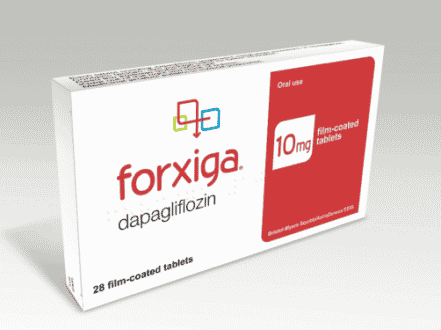
Dapagliflozin, sold as Farxiga and Forxiga in different markets, is a medicine used in type 2 diabetes and, in some patients, chronic kidney disease or heart failure. In plain terms, the main Farxiga uses and benefits relate to how the drug helps the kidneys remove extra glucose and how that effect can support broader cardio-renal care. That matters because people often hear the brand name in one setting, then see it discussed for another condition and wonder why.
This page explains what dapagliflozin does, where it may fit, and which side effects and warning signs deserve attention. It also covers a common question: there is no single banned-food list, but hydration, alcohol use, and very low-carbohydrate eating patterns can matter.
Key Takeaways
- Dapagliflozin is an SGLT2 inhibitor that works through the kidneys.
- It may be used in some people with diabetes, CKD, or heart failure.
- Benefits depend on the treatment goal, not only on blood sugar.
- Common side effects include more urination, thirst, and yeast or urinary infections.
- No universal food ban exists, but dehydration and ketone risk still matter.
Understanding Farxiga Uses and Benefits
Dapagliflozin is an SGLT2 inhibitor, or sodium-glucose cotransporter-2 blocker. It lowers the amount of glucose the kidneys reabsorb, so more sugar leaves the body in urine. That can help with glucose control and also changes sodium and fluid handling, which is part of why the drug shows up in kidney and heart discussions.
Brand Names and Generic Name
Farxiga and Forxiga are brand names used in different markets for the same active ingredient, dapagliflozin. Brand naming can change by country, but the core medicine is the same. If you want more class-level context, Common Diabetes Medications explains how SGLT2 medicines differ from other therapies, and the Type 2 Diabetes Hub gathers related reading in one place.
Why it matters: Dapagliflozin may be chosen for heart or kidney reasons, not only glucose control.
The short answer to what the drug does in the body is simple: it works through the kidneys. The harder part is understanding that its clinical goals may include lowering glucose, slowing kidney decline in appropriate patients, or reducing worsening heart failure depending on the situation.
Prescriptions may need confirmation with the original prescriber.
Where Dapagliflozin Fits in Care
Dapagliflozin may be used for more than one condition, and the reason matters when you judge its benefits. In practice, clinicians usually look at the person’s diabetes status, kidney function, heart history, symptoms, and other medicines before deciding whether it fits.
| Condition | Why it may be used | What still matters |
|---|---|---|
| Type 2 diabetes | To help lower blood glucose and support a broader care plan | Nutrition, activity, follow-up, and other medicines still shape results |
| Chronic kidney disease | To support kidney protection in appropriate patients | Kidney function, hydration, and monitoring remain important |
| Heart failure | To help reduce worsening heart failure in appropriate patients | Fluid status, symptoms, and the overall heart regimen still matter |
For heart failure or chronic kidney disease, use may apply even when diabetes is not the main issue, depending on the label and the clinical setting. That is one reason the same medicine may be discussed in very different appointments.
If you are comparing treatment paths, the Type 2 Diabetes Product Hub is a browseable list of related therapies rather than a prescribing tool. It can help you see where dapagliflozin sits beside other diabetes products and categories.
Not everyone with these conditions will use dapagliflozin. Some people need a different class because of kidney status, side-effect history, recurrent infections, other medicines, or broader clinical priorities.
Benefits and Limits to Keep in Mind
The benefits depend on why the medicine was prescribed. In diabetes care, the focus may be better glucose control. In kidney or heart care, the goal may be slowing worsening disease or reducing clinical events rather than changing day-to-day numbers alone.
When people search for Farxiga uses and benefits, they are often mixing three questions: Is this for glucose control, kidney protection, or heart failure support? The answer can be one or more of those, but not every indication applies to every person. That is why labels, kidney tests, and the full medication list matter.
It also helps to keep treatment classes straight. Dapagliflozin is not a GLP-1 medicine, so it works differently from drugs described in GLP-1 Explained. Other combination products in the broader SGLT2 space, such as Synjardy Details and Invokamet Details, pair a different SGLT2 inhibitor with metformin. They are related to the same treatment category, but they are not the same medicine.
There are limits as well. Dapagliflozin is not a cure, it does not replace follow-up care, and it is not appropriate for every form of diabetes. In general, type 1 diabetes raises special safety concerns because ketoacidosis risk can be higher.
Risks, Side Effects, and Warning Signs
Most side effects reflect extra glucose and fluid leaving the body through urine. That is why more urination, thirst, dry mouth, genital yeast infections, and urinary tract infections, or UTIs, can occur. Some people also notice dizziness or lightheadedness, especially if they are dehydrated or take other medicines that affect blood pressure or fluid balance.
- More urination — often most noticeable early.
- Thirst or dry mouth — often tied to fluid loss.
- Genital yeast infections — risk may increase because urine contains more glucose.
- Urinary symptoms — burning, urgency, or pain deserve review.
- Dizziness — may reflect dehydration or lower blood pressure.
Kidney Concerns
The drug acts on the kidneys, but that is not the same as saying it is simply hard on them. The bigger issue is context. Kidney function affects whether the medicine is appropriate and how closely it should be monitored. Dehydration, vomiting, diarrhea, or severe illness can make kidney-related problems more likely, which is why clinicians often review lab work and the full medication list.
Urgent Symptoms
Some problems are uncommon but important. These include ketoacidosis, which is a dangerous acid buildup from ketones, severe dehydration, serious urinary or genital infection, and symptoms of low blood pressure such as fainting. Nausea, vomiting, stomach pain, deep or fast breathing, confusion, or unusual fatigue deserve urgent medical review because they can fit ketoacidosis even if blood sugar is not extremely high.
If ketones are part of your care plan, the pages on Ketones And Diabetes and Keto Diet And Diabetes give useful background on why sick days, fasting, or carbohydrate restriction can change risk.
Fulfillment is handled by licensed partner pharmacies where allowed.
Food, Alcohol, and Daily Routine
There is no standard Farxiga food ban. For most people, the real issue is not one forbidden item but the overall pattern of hydration, alcohol intake, and nutrition goals for diabetes, kidney disease, or heart failure.
Food and Alcohol Questions
No specific food is universally prohibited just because of dapagliflozin. Still, very low-carbohydrate or ketogenic eating plans, heavy alcohol use, prolonged fasting, or poor oral intake during illness may raise concerns about ketones and dehydration. That is why a person can hear that there is no direct food interaction and still need diet-related counseling.
Farxiga uses and benefits are easier to assess when diet is viewed in context. A meal plan for diabetes may differ from one built around chronic kidney disease or heart failure. If blood pressure is also part of the picture, Diabetes And Hypertension outlines the broader self-management issues that often overlap.
Quick tip: Ask which symptoms should trigger a same-day call during vomiting, diarrhea, or poor fluid intake.
Alcohol deserves special mention. It can increase dehydration risk and, in some situations, complicate blood sugar or ketone interpretation. That does not mean alcohol is always banned, but it is a good topic to review before making assumptions.
Questions to Bring to Your Care Team
A short checklist can make follow-up visits more useful. This is also the best place to personalize the broad Farxiga uses and benefits discussion to your own conditions, lab results, and daily routine.
- Main treatment goal — blood sugar, kidney, heart, or more than one.
- Kidney status — what recent labs mean for ongoing use.
- Infection history — especially frequent yeast or urinary infections.
- Sick-day plan — when to call or when medicine changes need review.
- Diet pattern — low-carb, fasting, or alcohol habits worth discussing.
- Other medicines — diuretics, insulin, or blood pressure treatments.
- Access questions — which documentation or coverage details matter.
Bring a current medication list and recent lab results if you have them. That preparation can help separate drug effects from the symptoms of diabetes, kidney disease, or heart failure itself.
If living with diabetes already feels exhausting, practical support matters. Diabetes Burnout explores treatment fatigue and coping strategies that can make follow-up more manageable.
Cash-pay and cross-border options depend on eligibility and jurisdiction.
Authoritative Sources
- The FDA prescribing information summarizes approved uses and major warnings: FARXIGA Prescribing Information.
- Mayo Clinic explains how dapagliflozin works and common precautions: Dapagliflozin Oral Route.
- NHS common questions cover practical day-to-day considerations: Common Questions About Dapagliflozin.
In short, Farxiga uses and benefits depend on the condition being treated, the reason it was chosen, and the person’s kidney, heart, and diabetes status. Further reading can help you compare drug classes, spot ketone-related warning signs, and prepare better questions for follow-up visits.
This content is for informational purposes only and is not a substitute for professional medical advice.