
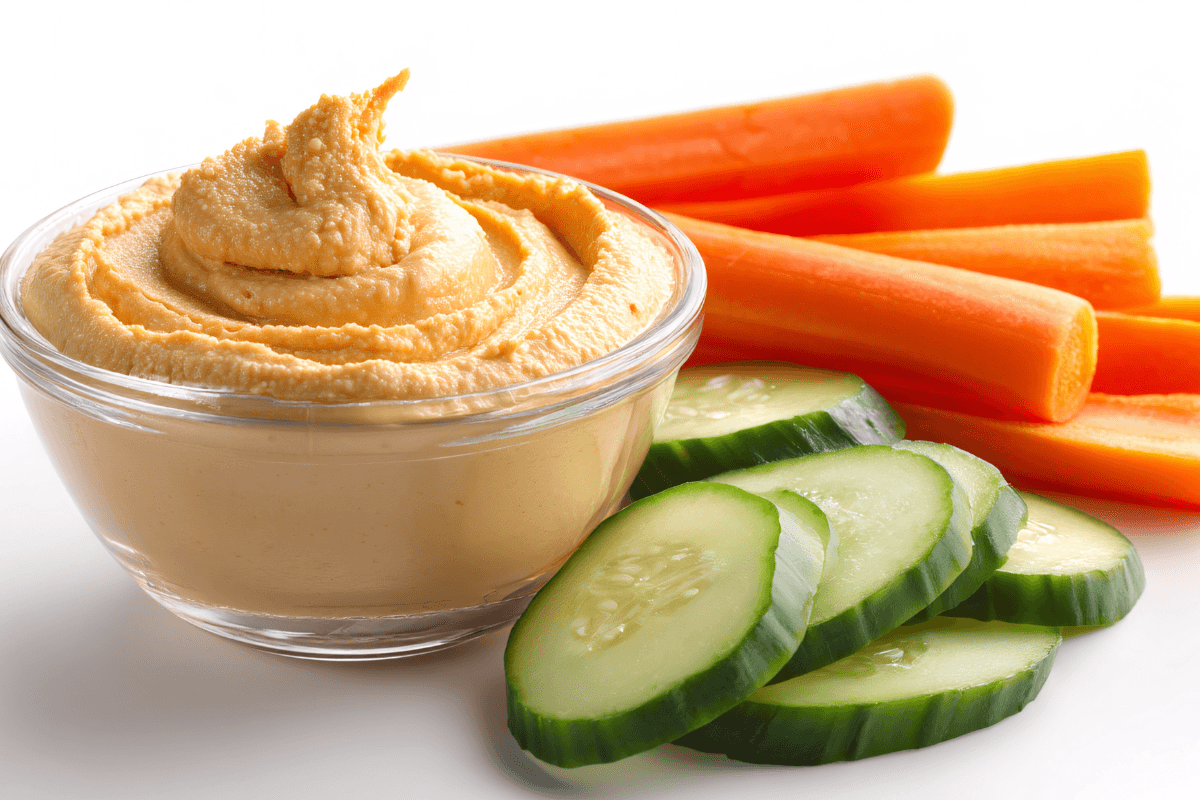
Healthy snacking options are foods or portions that help steady hunger while fitting your blood glucose, weight, and medication plan. For many adults with diabetes, that means pairing fiber-rich carbohydrates with protein or unsaturated fat, then checking the portion rather than judging a snack by one label claim. Snacks are not required for everyone. They can help when meals are far apart, activity changes, or a medicine raises the risk of low blood sugar.
Key Takeaways
- Balance matters: Pair carbohydrates with protein, fiber, or unsaturated fat when possible.
- Labels matter: Serving size, total carbohydrate, added sugars, sodium, and protein all count.
- Context matters: Hypoglycemia, kidney disease, pregnancy, and insulin use may change snack needs.
- Portions matter: A snack can be nutritious and still exceed your meal plan.
Healthy Snacking Options That Fit Diabetes Goals
The most useful healthy snacking options are not one fixed list. They are choices that match your hunger, activity, glucose pattern, and health priorities. A snack for a long work meeting may look different from a snack before a walk or after an early dinner.
For diabetes, the main question is usually how a snack affects blood glucose after eating. Carbohydrates raise glucose more directly than protein or fat, but the whole snack still matters. Fiber, protein, and fat can slow digestion and improve fullness. That is why an apple with peanut butter often feels different from apple juice, even if both start with fruit.
If you want a broader eating pattern, start with Eating Well With Diabetes. A snack should support the rest of your day, not repair a meal plan that leaves you hungry or restricted.
There is no single healthiest snack for everyone. Some people do well with a small snack between meals. Others find that frequent grazing makes glucose patterns harder to interpret. If you check glucose at home, your own readings can help you and your care team see which snacks fit best.
Build a Snack With Carbs, Protein, Fiber, and Fat
A balanced snack usually starts with one purpose: hunger control, glucose stability, planned activity, or convenience. Once the purpose is clear, the ingredients become easier to choose. For many adults, the strongest snack formula is a fiber-containing carbohydrate plus protein or unsaturated fat.
Carbohydrate quality matters. Whole fruit, vegetables, beans, lentils, plain yogurt, and whole grains often bring vitamins, minerals, water, and fiber. Refined sweets and sugary drinks can raise glucose quickly and may not keep you full for long. The glycemic index describes how carbohydrate-containing foods may affect glucose, and Glycemic Index In Diabetes explains that concept in more detail.
Protein can improve satiety, which means fullness after eating. Examples include Greek yogurt, cottage cheese, eggs, tofu, edamame, tuna, roasted chickpeas, nuts, seeds, and some cheeses. Protein needs vary. People with kidney disease should ask their clinician or renal dietitian how much protein fits their plan.
Fiber slows digestion and supports bowel health. It can come from vegetables, fruit with skin, legumes, nuts, seeds, and whole grains. If you are increasing fiber, do it gradually and drink fluids unless your care team has restricted fluids. For more detail, see Fiber In A Diabetic Diet.
Unsaturated fats can also help with fullness. Nuts, seeds, avocado, olives, and olive oil are common examples. Portions still matter because fat is calorie-dense. A small handful of nuts can fit a snack plan, while eating from a large bag can make portions hard to track.
A Diabetes-Savvy Snack Checklist
Use this checklist to compare healthy snacking options before you rely on them regularly. It works for homemade snacks, workplace snacks, and packaged foods.
- Check the reason: Hunger, activity, medication timing, or habit?
- Read the portion: Compare your serving with the label serving.
- Count total carbohydrate: Do not rely only on sugar grams.
- Look for fiber: Higher-fiber choices may improve fullness.
- Add protein: Include it when the snack must last.
- Watch sodium: This matters more with hypertension or kidney concerns.
- Limit liquid sugar: Drinks can raise glucose quickly.
- Plan lows separately: Hypoglycemia treatment is not routine snacking.
Quick tip: Pre-portion snacks before you are very hungry.
If snacks often feel urgent, review your meal timing and medication plan with a clinician or registered dietitian. Repeated lows, repeated highs, pregnancy, gastroparesis, kidney disease, eating disorder history, or insulin use deserve individualized guidance.
Snack Ideas for Common Situations
Snack lists work best when they are flexible. The examples below are starting points, not rules. Portions, carbohydrate targets, and sodium needs can vary by person.
When you want something crunchy
Crunchy snacks can be satisfying without defaulting to chips or crackers. Try raw vegetables with hummus, roasted chickpeas, air-popped popcorn, cucumber slices with tuna, or whole-grain crackers with cheese. If you choose chips, portion them into a bowl and pair them with protein instead of eating from the bag.
When you want something sweet
Sweet snacks can still include fiber and protein. Consider berries with plain Greek yogurt, apple slices with nut butter, chia pudding, cottage cheese with fruit, or a small smoothie made with unsweetened yogurt and whole fruit. For fruit choices, Low GI Fruits gives a helpful starting point.
When you need a packaged option
Packaged healthy snacking options can be convenient, especially at work or while travelling. Look for nuts or seed packs, plain yogurt cups, roasted legumes, lower-sodium jerky, tuna pouches, cheese portions, or whole-grain crackers with a protein source. A front-label claim such as keto, natural, or high protein does not guarantee a better fit.
Some packaged snacks are marketed as 100-calorie choices. That number can help with portion awareness, but it does not tell you whether the snack is filling or glucose-friendly. A small package of cookies may be calorie-controlled and still leave you hungry soon after.
When evening hunger shows up
Night snacks need context. If you are physically hungry after an early dinner, a small balanced snack may be reasonable. If you are snacking because of boredom, stress, or habit, changing the evening routine may help more than changing the food.
People who use insulin or medicines that can cause hypoglycemia should follow their care plan for bedtime readings. Do not change medication or add a routine bedtime snack only to correct a pattern without discussing it with your healthcare professional.
How to Read Snack Labels Without Getting Lost
Food labels are especially useful for snacks because portions are easy to underestimate. Start with serving size. A package may contain more than one serving, even when it looks like a single snack.
Next, check total carbohydrate. This number includes starches, sugars, and fiber. Added sugars can still matter, but total carbohydrate is usually the broader number for glucose planning. If you use carbohydrate counting, your target should come from your diabetes care plan, not a generic snack list.
Protein and fiber can help you compare similar foods. For example, two bars may have similar calories, but one may contain more fiber and protein while the other contains more added sugar. Sodium also matters, especially for people with high blood pressure, kidney disease, or heart disease risk.
For label reading practice, see Food Labels With Diabetes. The calculator below can help estimate carb servings from total carbohydrate and your chosen serving target. It is a math aid, not personalized medical guidance.
Carb Serving Calculator
Convert total carbohydrate grams into carb choices for meal planning and diabetes education.
These calculations are for education only and do not replace clinical advice, diagnosis, or treatment. Always confirm medical decisions with a qualified healthcare professional.
Sugar alcohols and high-fiber ingredients can affect people differently. Some may cause gas, bloating, or diarrhea. If a packaged snack repeatedly causes symptoms or unexpected glucose readings, bring the label to your next diabetes visit.
Weight Goals, Cravings, and Snack Swaps
Healthy snacking options can support weight goals when they reduce extreme hunger and fit your daily energy needs. They can also work against weight goals if they become automatic add-ons. A snack is most useful when it solves a specific problem, such as a long gap between meals.
High-protein snacks may help some adults feel full longer. That does not mean every snack must be high protein. Vegetables, fruit, and legumes can be useful because they add volume and fiber. For diabetes-specific weight planning, Diabetes Weight Loss covers broader considerations.
Low-calorie snack recipes can help when you want volume. Examples include vegetable soup, cucumber and cottage cheese, berries with yogurt, celery with hummus, or lettuce cups with tofu or tuna. If a low-calorie snack leaves you searching for more food within an hour, it may need more protein, fiber, or fat.
Snack swaps work best when they keep the sensory feature you want. If you want crunch, try roasted chickpeas, popcorn, or vegetables with dip. If you want creamy, try yogurt, cottage cheese, avocado, or hummus. If you want sweet, try fruit with a protein source instead of a sweet drink.
Breakfast choices can also affect morning snack needs. If you are hungry soon after breakfast, review the meal balance. Type 2 Diabetes Breakfast Ideas may help you adjust the first meal of the day.
When Snack Choices Need Extra Care
Some health situations change what a safe snack looks like. This is why generic lists can be frustrating. A snack that works for one person may not fit another person with a different medication, glucose pattern, or diagnosis.
Hypoglycemia, or low blood sugar, is different from ordinary hunger. If you are at risk, ask your clinician how to recognize and treat it. Fast-acting carbohydrate may be needed for a low reading, but that is treatment, not a routine snack strategy. Severe confusion, fainting, seizure, chest pain, or symptoms that do not improve require urgent medical help.
Hypertension can make sodium more important. Many packaged snacks, jerky, crackers, cheeses, soups, and dips contain more sodium than expected. Lower-sodium choices, smaller portions, and more fresh foods may help, but medication and overall diet also matter.
Kidney disease can change advice about protein, potassium, phosphorus, sodium, and fluids. Common snack foods such as nuts, dairy, beans, potatoes, and some fruits may need individual review. If you have kidney disease, work with a renal dietitian before following a high-protein snack plan.
Pregnancy, gestational diabetes, intensive insulin therapy, gastroparesis, and a history of disordered eating also call for individualized support. The goal is not a perfect snack list. The goal is a plan that is safe, realistic, and medically appropriate.
Authoritative Sources
These sources provide general nutrition and diabetes context. They do not replace advice from your own clinician or dietitian.
- American Diabetes Association Eating Guidance explains balanced eating and diabetes nutrition basics.
- CDC Carbohydrate Counting Basics describes carbohydrate tracking for diabetes meal planning.
- American Heart Association Healthy Snacking offers general snack planning suggestions.
For more diabetes nutrition topics, browse the Diabetes Articles hub. Use snack ideas as a starting point, then adjust with your care team when glucose patterns, medications, or other diagnoses make food choices more complex.
This content is for informational purposes only and is not a substitute for professional medical advice.