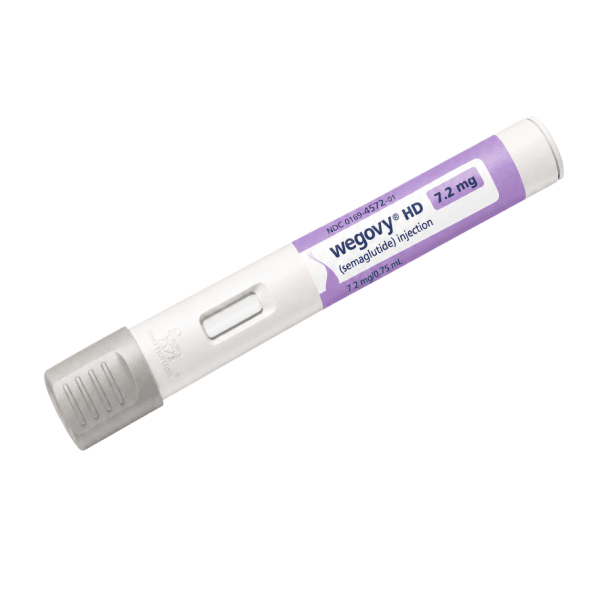



Janumet is not a weight loss medicine. For most adults with type 2 diabetes, janumet and weight loss means weight-neutral treatment or a small change over time, not large or predictable loss. The metformin component may support modest weight reduction in some people, while sitagliptin is generally considered weight-neutral. The bigger goal is safer blood glucose control with tolerable dosing and appropriate monitoring.
Key Takeaways
- Weight effect: Usually neutral or modest, not dramatic.
- Main driver: Metformin may contribute to small reductions.
- Timing: Taking it with meals can reduce stomach upset.
- Safety: Kidney function and rare pancreatitis symptoms matter.
- Alternatives: Other diabetes medicines may fit weight goals better.
Why Weight May Change on Janumet
Weight changes happen because glucose control, appetite, hydration, and daily habits often shift after treatment starts. Janumet combines sitagliptin, a DPP-4 inhibitor, with metformin. Sitagliptin increases incretin activity, which helps insulin release after meals when blood glucose is elevated. Metformin lowers hepatic glucose output, meaning it reduces how much glucose the liver releases.
Neither component is designed primarily to suppress appetite. That is why many clinicians describe this combination as weight-neutral. Still, some people notice mild weight loss, especially when metformin reduces appetite, improves insulin sensitivity, or supports dietary changes. Others see no scale change, even when A1C improves.
Small early changes can also reflect fluid balance. When high blood glucose improves, excess urination may decrease. That can make weight stabilize or rise slightly, even while metabolic control improves. On the other hand, fewer glucose swings may reduce cravings for some people.
For more focused background on this question, Janumet Weight Loss Impact reviews how glucose control and weight trends can overlap in practice.
Why it matters: A stable weight does not mean the medicine is failing.
What Evidence Suggests About Weight Expectations
The evidence supports modest expectations: Janumet may help some people lose a small amount of weight, but it should not be used only for weight loss. In studies and clinical guidance, DPP-4 inhibitors are generally described as weight-neutral. Metformin is often neutral to modestly weight-lowering, although individual responses vary.
This matters because weight loss reviews can be misleading. Online stories often highlight people who lost noticeable weight or gained weight after starting a medicine. Those experiences may be real, but they do not prove the medicine caused the change. Diet, activity, illness, stress, sleep, and other diabetes medicines can all affect weight.
If a person loses weight quickly without trying, that should be discussed with a clinician. Unplanned weight loss may reflect high blood glucose, gastrointestinal side effects, thyroid disease, infection, or another medical issue. A slow, modest change with improved glucose readings is different from rapid or unexplained loss.
If tracking weight helps you see patterns, a simple tool can estimate progress toward a general weight goal. It does not predict medication response or replace clinical guidance.
Weight-Loss Progress Calculator
Track percentage body-weight change and progress toward a target weight.
These calculations are for education only and do not replace clinical advice, diagnosis, or treatment. Always confirm medical decisions with a qualified healthcare professional.
For a broader view of metformin-related expectations, Metformin Weight Loss explains why typical changes tend to be limited and gradual.
Dose Strengths, Meal Timing, and Tolerability
Different tablet strengths mainly reflect different amounts of metformin. The difference between Janumet 50/500 and 50/1000 is the metformin amount, while the sitagliptin amount is the same in those examples. A higher metformin amount may improve glucose control for some people, but it can also increase nausea, bloating, gas, or diarrhea.
Your prescriber chooses a regimen based on current therapy, A1C goals, kidney function, tolerability, and other medicines. Do not change tablet strength or frequency without clinical guidance. If stomach symptoms are limiting adherence, clinicians may consider slower titration, dose timing changes, or an extended-release option when appropriate.
Before or After Food
Janumet is usually taken with meals to reduce gastrointestinal side effects. For people asking about Janumet 50/1000 before or after food, the practical answer is to take it during or right after a meal unless the prescriber gives different instructions. Food helps buffer the metformin component and may make the routine easier to maintain.
The best time to take Janumet 50/1000 is often the mealtime you can follow consistently. Some people pair doses with breakfast and dinner. Extended-release forms are often paired with an evening meal, but the right schedule depends on the formulation and the prescription.
Swallow tablets as directed. Do not crush, split, or chew extended-release tablets unless a pharmacist confirms it is safe for that exact product. If a dose is missed, follow the instructions from your care team rather than doubling the next dose.
For formulation context, Janumet XR provides a product-level reference for the extended-release option.
Side Effects and Warning Signs to Watch
The most common side effects are digestive. Nausea, diarrhea, gas, abdominal discomfort, and a metallic taste can occur, especially when metformin is started or increased. These effects often improve after the body adjusts, but persistent or severe symptoms deserve follow-up.
Side effects of Janumet 50/1000 may feel more noticeable because the metformin amount is higher than in lower-strength combinations. Meal pairing, hydration, and clinician-guided titration can improve tolerability. However, ongoing diarrhea or vomiting can raise dehydration risk, which matters for kidney safety.
Hair loss is not considered a typical Janumet side effect. If shedding appears after starting treatment, other causes may be involved. Examples include thyroid disease, iron deficiency, major weight change, stress, infection, or other medicines. A clinician can decide whether lab testing or medication review is needed.
Serious but Less Common Risks
Pancreatitis, or inflammation of the pancreas, is rare but serious. Seek urgent care for severe, persistent abdominal pain, especially if it radiates to the back or comes with vomiting. Lactic acidosis is also rare but serious. It is linked to metformin risk factors such as significant kidney impairment, severe dehydration, heavy alcohol use, or acute illness.
Kidney function is central to safe metformin use. Clinicians usually check estimated glomerular filtration rate, or eGFR, before and during therapy. If kidney function declines, the prescriber may adjust the plan. Long-term metformin use can also lower vitamin B12 levels in some people, so periodic testing may be reasonable.
Quick tip: Keep a short symptom log with dose timing, meals, and glucose readings.
How It Compares With Related Options
Janumet differs from metformin alone because it adds sitagliptin. That can provide extra glucose-lowering support for some people, especially after meals. Metformin alone remains a common foundation therapy, but combination treatment may be considered when one medicine is not enough or when a clinician wants complementary mechanisms.
Compared with medicines used specifically for weight reduction or weight-favorable diabetes care, this combination usually has a smaller weight effect. GLP-1 receptor agonists and some SGLT2 inhibitors may have different weight profiles, side effects, kidney considerations, cardiovascular considerations, costs, and administration routes. Those differences should be reviewed with a clinician rather than judged by weight alone.
Zituvimet versus Janumet is a related comparison because both combine sitagliptin with metformin. Key differences may include manufacturer, formulation, coverage, availability, and product-specific labeling. A pharmacist or prescriber can help confirm whether a substitute is clinically appropriate and whether the same directions apply.
For deeper class context, DPP-4 Inhibitors Weight Loss explains why this drug class is usually not considered strongly weight-lowering. For people comparing the combination with its base medicine, Metformin offers product-level background on standalone metformin formulations.
Cost, Access, and Practical Decision Factors
Some people ask why Janumet is expensive or whether there is a cheaper alternative. Costs can vary because of brand status, insurance coverage, pharmacy contracts, and whether a therapeutically appropriate alternative exists. A clinician may consider metformin alone, a different combination product, or another diabetes class depending on glucose goals and safety factors.
Do not substitute a different sitagliptin-metformin product without checking the prescription details. Similar ingredients do not always mean identical tablet design, release pattern, or directions. This is especially important for extended-release products.
CanadianInsulin.com functions as a prescription referral platform, and prescription details may be confirmed with the prescriber when required. Dispensing and fulfillment are handled by licensed third-party pharmacies where permitted. That access context can help readers understand why prescription verification matters, but treatment choice still belongs with the clinical team.
If you are comparing diabetes therapies, the browseable Type 2 Diabetes collection can help you find related educational material. The Weight Management collection may also be useful when weight goals are part of the broader care plan.
What to Discuss With Your Care Team
A good medication review connects weight goals with glucose targets, kidney function, side effects, and daily routine. Before an appointment, bring your glucose log, current medication list, recent lab results if available, and notes about symptoms. Include supplements and alcohol intake because these can affect safety discussions.
- Weight pattern: Stable, gradual, or unexplained change.
- Meal timing: When symptoms occur after doses.
- Kidney labs: Recent eGFR or creatinine results.
- Digestive effects: Severity, duration, and triggers.
- Other medicines: Insulin, sulfonylureas, diuretics, or contrast studies.
- Personal goals: A1C, weight, convenience, and tolerability.
Ask when to seek care for worsening symptoms. Also ask whether B12 monitoring is appropriate during long-term metformin therapy. If weight loss is a major goal, your clinician can explain whether another class, nutrition referral, or activity plan fits your overall risk profile.
Authoritative Sources
For medication warnings, dosing concepts, and interaction background, the MedlinePlus sitagliptin and metformin summary provides patient-oriented safety information.
For diabetes treatment standards and medication class context, the ADA Standards of Care abridged guidance summarizes pharmacologic therapy principles.
For kidney disease and diabetes education, the NIDDK kidney disease resource explains why kidney monitoring matters in diabetes care.
Recap
Janumet and weight loss should be viewed realistically. The medicine is used for type 2 diabetes management, not as a weight loss treatment. Some people lose a small amount of weight, many remain stable, and a few notice changes from fluid balance, appetite, or daily habits. Safe use depends on meal timing, tolerability, kidney monitoring, and prompt attention to serious symptoms.
This content is for informational purposes only and is not a substitute for professional medical advice.