

Yes and no: are Zepbound and Mounjaro the same in active ingredient, but not in labeled use. Both contain tirzepatide, a dual GIP/GLP-1 receptor agonist. Zepbound is labeled for chronic weight management in eligible adults, while Mounjaro is labeled for glycemic control in adults with type 2 diabetes. That difference matters for prescribing, coverage, monitoring goals, and switching plans.
Key Takeaways
- Same active drug: both contain tirzepatide.
- Different labels: uses and coverage pathways differ.
- Similar dosing framework: titration depends on tolerance and goals.
- Shared side effects: gastrointestinal symptoms are common.
- Switching needs planning: avoid overlapping incretin effects.
Are Zepbound and Mounjaro the Same in Practice?
Zepbound and Mounjaro are two brand names for tirzepatide, but they are not treated the same in clinical paperwork. The active molecule is the same. The main difference is the indication on the product label.
Mounjaro is approved for adults with type 2 diabetes to improve blood sugar control, along with diet and exercise. Zepbound is approved for chronic weight management in adults who meet specific weight-related criteria. Zepbound also has labeling for obstructive sleep apnea in adults with obesity in the United States, based on updated FDA approval. Your clinician will use the current label and your diagnosis when deciding which product fits.
This distinction affects more than wording. Insurance plans, prior authorization requirements, documentation, and follow-up targets may differ. A person using tirzepatide for diabetes may be monitored mainly through A1C, fasting glucose, kidney status, and hypoglycemia risk with other medicines. A person using it for weight management may be followed through weight trend, nutrition tolerance, blood pressure, sleep-related symptoms when relevant, and adverse effects.
For deeper brand context, the product pages for Zepbound and Mounjaro KwikPen can help you identify the specific product names discussed with your prescriber. These pages should not replace the official label or clinical advice.
Ingredients, Mechanism, and Label Differences
The shared ingredient is tirzepatide, which acts on two incretin hormone pathways. Incretins are gut-related hormones that help regulate insulin release, appetite, and digestion after meals. Tirzepatide activates GIP and GLP-1 receptors, which is why it is often described as a dual GIP/GLP-1 receptor agonist.
In plain terms, the medicine may help the body respond to food differently. It can support glucose-dependent insulin release, reduce glucagon when appropriate, slow stomach emptying, and reduce appetite. These effects can be helpful in different clinical contexts, but they also explain many common side effects.
People often ask whether Zepbound is the same as tirzepatide. Zepbound is a brand name for tirzepatide. Mounjaro is also a brand name for tirzepatide. Compounded products that claim to contain tirzepatide are a separate issue and should not be assumed to match FDA-approved products in formulation, device, sterility controls, or regulatory review.
Why it matters: Same ingredient does not always mean same coverage, documentation, or treatment goal.
How the labels shape decisions
The label guides who was studied, what the medicine is approved to treat, and what safety language applies. Zepbound’s label centers on weight-related eligibility and monitoring. Mounjaro’s label centers on type 2 diabetes care. The clinician’s decision often depends on diagnosis, other medicines, contraindications, and whether the treatment goal is mainly A1C reduction, weight management, or both.
Readers who want broader context can browse the Weight Management article category or the Type 2 Diabetes article category for related educational topics.
Dosing and Switching: Similar Steps, Different Goals
The dosing schedules are similar because the active drug is the same, but goals differ by diagnosis. Both brands are generally started at a low dose and increased gradually. This slow titration is meant to improve tolerability, especially gastrointestinal tolerance.
Clinicians usually avoid making dose changes based only on another person’s experience. Nausea, appetite change, glucose response, and weight change vary widely. A dose that feels manageable for one person may cause significant symptoms for another.
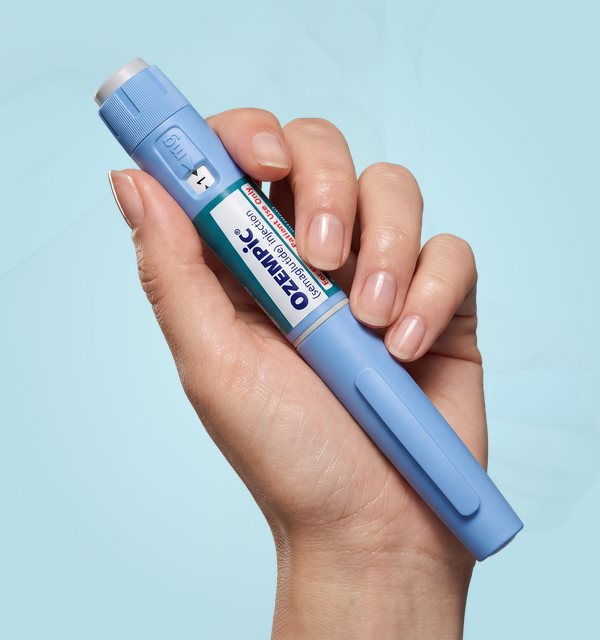
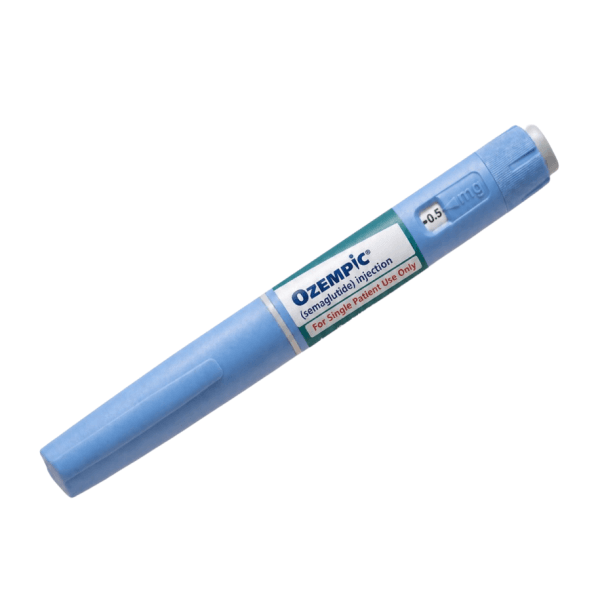
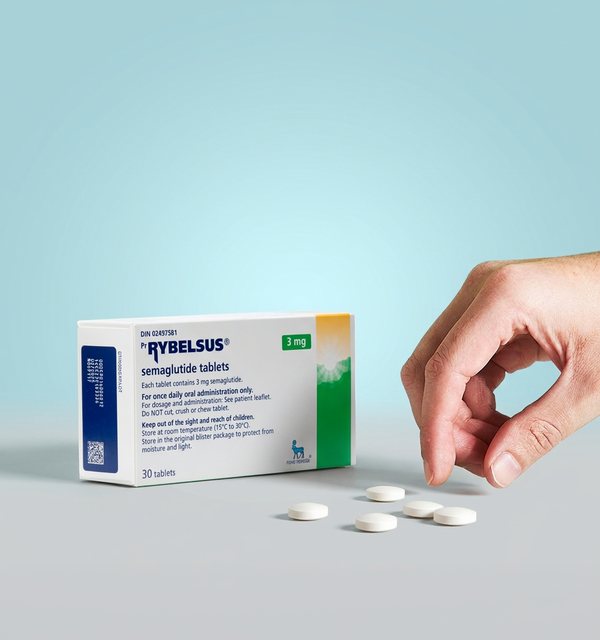
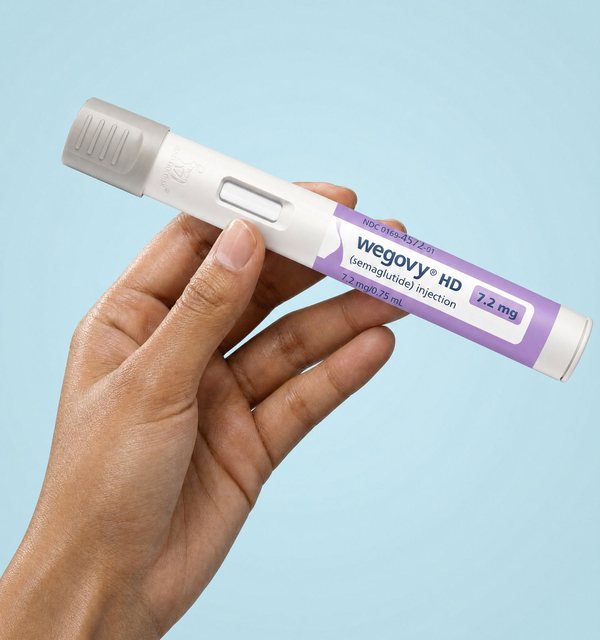
Searches for an Ozempic to Zepbound conversion chart or a switching from Wegovy to Zepbound dosage chart are common. These charts can be misleading because semaglutide and tirzepatide are different medicines. Ozempic and Wegovy contain semaglutide, a GLP-1 receptor agonist. Zepbound and Mounjaro contain tirzepatide, which acts on GIP and GLP-1 receptors. There is no simple milligram-to-milligram conversion that safely applies to everyone.
If someone is switching from Mounjaro to Zepbound, the prescriber may consider the current dose, time since the last injection, side effects, glucose readings, and treatment goal. If someone is switching from Zepbound to Ozempic or Wegovy, the same caution applies. Overlapping incretin medicines can increase nausea, vomiting, dehydration, and related kidney stress.
Quick tip: Bring your last dose date, current dose, and symptom history to each switching visit.
Questions to ask before a switch
- Current goal: glucose control, weight management, or both.
- Last injection: exact date and dose used.
- Side effects: nausea, vomiting, constipation, or reflux.
- Other medicines: insulin or sulfonylureas may matter.
- Coverage rules: diagnosis codes may affect approval.
For readers comparing clinical use and dose planning, Personalizing Your Mounjaro Dose offers a patient-focused discussion of titration concepts. It should be used as background, not as a dosing instruction.
Side Effects and Warnings to Take Seriously
Zepbound and Mounjaro have similar side effect profiles because they contain the same active drug. Common adverse effects include nausea, vomiting, diarrhea, constipation, abdominal discomfort, decreased appetite, indigestion, and reflux. These effects often appear during dose escalation, though some people have symptoms at lower doses.
Serious but less common risks require prompt attention. The labels include warnings about pancreatitis, gallbladder disease, acute kidney injury related to dehydration, severe gastrointestinal disease, and possible worsening of diabetic retinopathy in some people with diabetes. Both labels also include a boxed warning about thyroid C-cell tumors based on animal studies. They are contraindicated in people with a personal or family history of medullary thyroid carcinoma or multiple endocrine neoplasia syndrome type 2.
Seek urgent medical care for severe or persistent abdominal pain, especially if it spreads to the back or occurs with vomiting. Also seek care for symptoms of dehydration, allergic reaction, or severe ongoing vomiting. People using insulin or insulin-releasing medicines should ask their clinician about low blood sugar risk, because tirzepatide can change glucose patterns when combined with those therapies.
When people compare Zepbound vs Mounjaro side effects, the safer assumption is overlap rather than separation. The brand label may differ by indication, but the molecule’s tolerability issues are closely related. Individual experience can still vary because of dose, eating pattern, other medicines, diabetes status, and gastrointestinal history.
Cost, Coverage, and Access Factors
The cheaper option is not the same for every person. Zepbound vs Mounjaro cost depends on diagnosis, insurance plan rules, pharmacy supply, location, and whether a plan covers weight-management medicines. Some plans cover diabetes drugs but exclude obesity medications. Others require documentation before either product is approved.
Cash-pay costs may also vary. Some patients explore cash-pay options and cross-border fulfilment depending on eligibility and jurisdiction, but that does not guarantee access or affordability. CanadianInsulin.com is a prescription referral platform, and dispensing or fulfilment is handled by licensed third-party pharmacies where permitted. Prescription verification may be required when applicable.
For a focused discussion of affordability differences, see Zepbound vs Mounjaro Cost. If you are comparing broader product categories, the Weight Management Products collection and Diabetes Products collection can help you understand how these medicines are grouped for browsing.
Why BMI often enters the discussion
Weight-management eligibility often refers to body mass index, or BMI, along with weight-related conditions. BMI is a screening measure, not a diagnosis. It does not measure body composition, muscle mass, or overall health by itself. Still, clinicians and insurers may use it as one part of documentation.
This calculator can help estimate BMI for general discussion with a clinician. It does not determine eligibility or replace medical review.
BMI Calculator
Estimate adult body mass index from height and weight, with metric and imperial units.
These calculations are for education only and do not replace clinical advice, diagnosis, or treatment. Always confirm medical decisions with a qualified healthcare professional.
How These Brands Compare With Ozempic, Wegovy, and Other Options
Zepbound is not the same as Ozempic. Ozempic contains semaglutide and is labeled for type 2 diabetes, with additional cardiovascular and kidney-related indications in certain groups under current labeling. Wegovy also contains semaglutide and is labeled for chronic weight management and certain cardiovascular risk reduction uses in specific adults. Zepbound and Mounjaro contain tirzepatide instead.
Questions such as why Mounjaro is better than Ozempic are too broad without context. Studies differ by population, dose, endpoint, and indication. A person’s better option may depend on A1C target, weight goal, tolerability, contraindications, insurance rules, and prior experience with GLP-1 medicines.
Some people also compare Zepbound vs Wegovy cost. That comparison changes by plan and setting, so it is more useful to compare coverage rules than list a single expected amount. Ask whether the medicine is covered for your diagnosis, whether prior authorization is required, and whether documentation must show previous lifestyle or medication attempts.
For background on tirzepatide as an obesity-treatment option and how it relates to Mounjaro, see Eli Lilly Tirzepatide Basics. If your prescriber is considering alternatives because of access or coverage, Mounjaro as an Alternative discusses that comparison from an access-focused angle.
Who May Need Extra Caution
Some groups need closer review before using tirzepatide. This includes people with a history of pancreatitis, significant gallbladder disease, severe gastrointestinal disease, kidney problems linked to dehydration, or diabetic retinopathy. People who are pregnant, planning pregnancy, or breastfeeding should discuss risks and alternatives with a clinician, because labeling includes specific cautions.
Older adults may stop GLP-1 or GIP/GLP-1 therapy for several reasons. Common practical issues include nausea, reduced appetite, dehydration risk, constipation, muscle loss concerns, cost, or difficulty maintaining nutrition. Stopping may also occur after a medical event or medication review. These decisions should be individualized, especially for people with frailty, kidney disease, or multiple medicines.
Nutrition matters during treatment. Reduced appetite can make it harder to get enough protein, fluids, and fiber. People with diabetes should also watch for changes in glucose patterns, particularly when tirzepatide is combined with insulin or sulfonylureas. A clinician or registered dietitian can help tailor nutrition goals when weight loss, glucose control, kidney disease, or gastrointestinal symptoms overlap.
Practical Comparison Points for Your Appointment
A useful comparison goes beyond asking whether are Zepbound and Mounjaro the same. The better question is which labeled product matches your diagnosis, goals, risks, and access pathway. Bring specific information to the appointment so the discussion stays concrete.
- Diagnosis: type 2 diabetes, obesity, or both.
- Current medicines: include insulin and oral diabetes drugs.
- Past reactions: list GLP-1 or tirzepatide side effects.
- Health history: pancreatitis, gallbladder, thyroid, kidney issues.
- Monitoring goals: A1C, weight trend, symptoms, nutrition.
- Coverage details: formulary status and prior authorization rules.
Also clarify the product device and supply route. Different markets may use different pen formats or packaging. The prescriber and pharmacist should confirm the exact product, strength, directions, and safe handling instructions before use.
Authoritative Sources
For official indications, dosing language, contraindications, and warnings, review the FDA prescribing information for Zepbound.
For the diabetes-labeled tirzepatide product, see the FDA prescribing information for Mounjaro.
For independent patient safety context on GLP-1 medicines, the FDA discussion of unapproved GLP-1 drugs explains concerns about non-approved versions.
Recap
Zepbound and Mounjaro share tirzepatide, but their labeled uses differ. That difference affects prescribing rationale, coverage, monitoring, and switching decisions. Side effects and warnings largely overlap, so brand switching should not be treated as a reset or a simple substitution.
If you are comparing options, focus on diagnosis, current medicines, tolerability, and access requirements. Your clinician can interpret those details against the current label and your health history.
This content is for informational purposes only and is not a substitute for professional medical advice.