


Januvia weight loss is usually modest or absent because Januvia (sitagliptin) is not a weight-loss medicine. It is a DPP-4 inhibitor used to help manage blood glucose in adults with type 2 diabetes. In prescribing information and clinical use, sitagliptin is generally considered weight-neutral, meaning average body-weight changes tend to be small. If weight changes after starting it, the cause may involve diet, glucose control, other medicines, fluid shifts, or the wider diabetes plan.
Key Takeaways
- Primary role: Sitagliptin helps manage blood sugar, not weight loss.
- Expected weight effect: Average weight change is usually small.
- Weight gain question: Other medicines, appetite changes, or fluids may explain changes.
- Safety signals: Severe abdominal pain, allergy symptoms, or severe joint pain need prompt care.
- Medication changes: Do not stop, add, or switch diabetes medicines without prescriber guidance.
Januvia and Weight Change: What the Evidence Supports
Sitagliptin is best understood as weight-neutral. It supports blood glucose control by increasing the activity of incretin hormones, which help insulin release after meals and reduce excess glucagon. It does not work like medicines designed to reduce appetite, slow stomach emptying strongly, or create a calorie deficit.
Weight-neutral does not mean every person will have the same result. Some people lose a few pounds after treatment changes. Others gain weight or see no movement on the scale. The key point is that meaningful weight loss is not the expected treatment effect.
This matters because januvia weight loss reviews can sound more certain than the evidence allows. Personal stories often leave out A1C changes, metformin use, insulin doses, food changes, illness, or activity levels. Those details can matter as much as the tablet itself.
For class-level context, see DPP-4 Inhibitors and Weight Loss. That resource explains why DPP-4 inhibitors are usually discussed differently from GLP-1 receptor agonists and other weight-focused therapies.
Does Sitagliptin Cause Weight Gain or Loss?
Sitagliptin is not usually considered a direct cause of meaningful weight gain. Still, weight can move up or down after a diabetes medication change. The scale often reflects several overlapping factors, not one drug effect.
Several common contributors can confuse the picture:
- Glucose improvement: Less dehydration may change early scale weight.
- Other medicines: Insulin or sulfonylureas can affect hunger and lows.
- Food changes: Portions, snacks, drinks, and alcohol can shift calories.
- Activity changes: Injury, fatigue, or new routines can change energy use.
- Fluid shifts: Kidney, heart, or illness-related changes can move weight quickly.
Weight loss after starting a medicine does not prove that the medicine is the main cause. Blood glucose readings, A1C trends, symptoms, kidney function, and side effects usually give a clearer clinical picture. The broader Diabetes Weight Loss resource covers weight goals within a safer diabetes-care framework.
Why it matters: A fast weight change may reflect fluid, glucose, or illness rather than fat loss.
Side Effects That Can Affect Appetite, Weight, or Safety
Januvia side effects can sometimes affect eating, hydration, or activity. Commonly reported effects may include upper respiratory symptoms, headache, and stomach-related symptoms in some people. Low blood glucose, called hypoglycemia, is more likely when sitagliptin is used with insulin or medicines that increase insulin release.
Some reactions are uncommon but more serious. Pancreatitis, meaning inflammation of the pancreas, has been reported with sitagliptin. Severe and persistent abdominal pain, pain that spreads to the back, or vomiting needs urgent medical review. Serious allergic reactions may include swelling of the face or throat, trouble breathing, hives, or a widespread rash.
Severe joint pain has also been reported with DPP-4 inhibitors. Another rare concern is bullous pemphigoid, an autoimmune blistering skin condition. These are not weight-loss effects, but they can reduce movement, appetite, and overall safety.
Kidney function matters because sitagliptin is cleared partly through the kidneys. Official labeling recommends renal assessment and dose adjustment in some people with kidney impairment. Report new swelling, major urination changes, unusual fatigue, or sudden illness to a clinician.
| Issue | Why It Matters | What to Do Next |
|---|---|---|
| Low glucose symptoms | Shakiness, sweating, hunger, or confusion may occur with some combinations. | Share glucose patterns with the prescriber, especially if lows repeat. |
| Severe stomach pain | This may suggest pancreatitis rather than a routine appetite change. | Seek urgent medical care. |
| Kidney changes | Kidney function can affect medicine handling and fluid-related weight changes. | Ask about kidney monitoring and medication review. |
| Joint pain or blistering rash | These may signal uncommon but important reactions. | Contact a clinician promptly. |
Metformin combinations need separate context. Metformin may cause nausea, diarrhea, or reduced appetite, especially when treatment starts or changes. Those effects can influence weight, but they should not be treated as a desired weight-loss method. The Janumet Weight Loss page explains this combination in more detail.
How It Differs From Metformin, GLP-1 Medicines, and Other Options
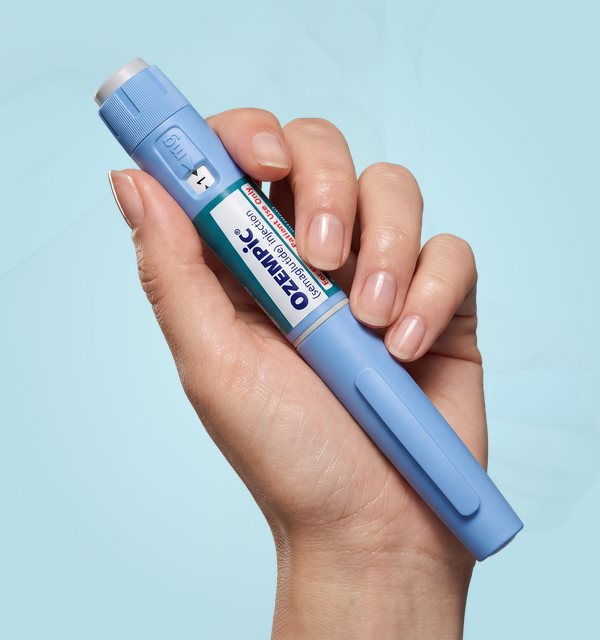
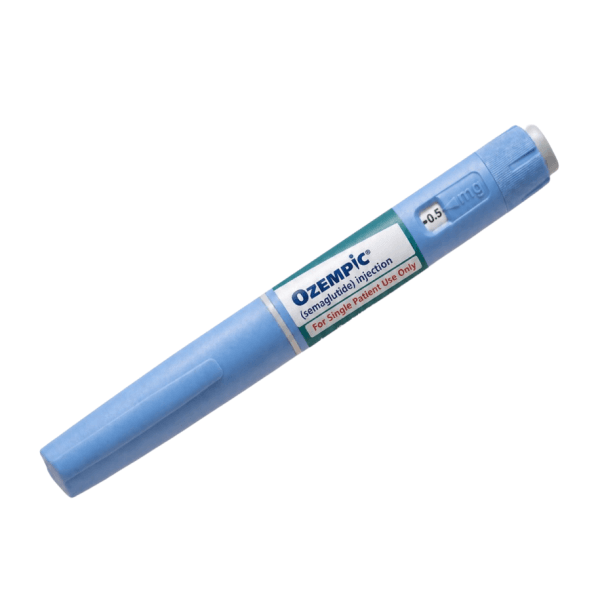
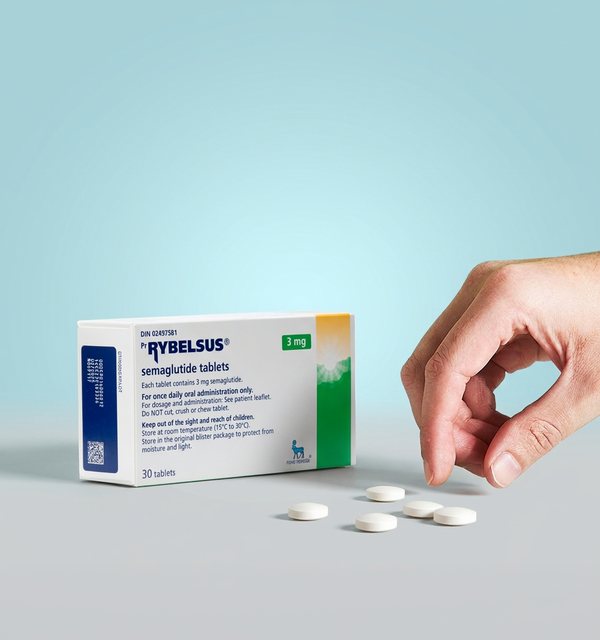
Januvia is not the same as Ozempic. Sitagliptin blocks DPP-4, an enzyme that breaks down incretin hormones. Ozempic contains semaglutide, a GLP-1 receptor agonist, which directly activates a gut-hormone receptor involved in insulin, appetite, and stomach emptying. These mechanisms are related, but they are not interchangeable.
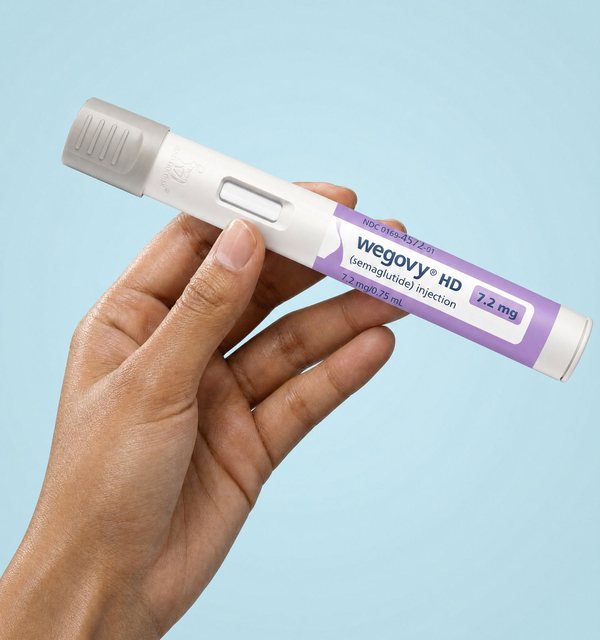
That difference explains why weight expectations differ. GLP-1 receptor agonists and some newer incretin medicines are often associated with weight loss in clinical care. Some products in those classes also have weight-management indications. Sitagliptin does not have that role.
Metformin is another separate medicine with a long role in type 2 diabetes care. Some people take sitagliptin and metformin together when prescribed. A fixed-dose combination also exists, but suitability depends on kidney function, side effects, and the broader medication plan. For related context, see Janumet and Weight Loss.
People also ask whether they can take sitagliptin and a GLP-1 medicine together. Clinicians do not usually need two incretin-based approaches at once, but individual plans vary. Do not add, stop, or combine medicines based on forum posts or weight-loss reviews.
If a medication comparison is driving the question, Jardiance vs Januvia may help frame differences in drug classes and decision points. Comparisons should still be reviewed with the clinician managing diabetes treatment.
Food, Activity, and Tracking While Taking Sitagliptin
No single food must be avoided only because of sitagliptin. A more useful approach is a consistent diabetes eating plan that fits glucose targets, preferences, other medicines, and health conditions. Carbohydrate quality and portions often matter more than strict food rules.
A practical januvia weight loss plan should really be a diabetes plan first. Focus on habits that can support glucose stability and sustainable weight care:
- Carbohydrate awareness: Estimate portions consistently.
- Protein and fiber: Include them for meal staying power.
- Drink choices: Limit sugar-sweetened beverages when possible.
- Alcohol caution: Discuss limits if pancreatitis risk or other medicines apply.
- Label reading: Compare serving size, total carbohydrate, and calories.
- Activity pacing: Choose movement you can maintain safely.
Tracking can help separate true trends from daily water shifts. A calculator can estimate percentage body-weight change and progress toward a chosen goal. It does not assess medication suitability or replace clinical advice.
Weight-Loss Progress Calculator
Track percentage body-weight change and progress toward a target weight.
These calculations are for education only and do not replace clinical advice, diagnosis, or treatment. Always confirm medical decisions with a qualified healthcare professional.
Quick tip: Track waist, symptoms, glucose patterns, and energy, not only scale weight.
Ask for clinician or registered dietitian guidance if you have repeated highs or lows, pregnancy, kidney disease, gastroparesis, an eating disorder history, or medication-related hypoglycemia. These situations can change nutrition and medication priorities.
When to Talk With Your Prescriber About Stopping or Switching
Do not stop sitagliptin suddenly without a care plan. Blood glucose may rise if the medicine is removed and no alternative is arranged. A prescriber can explain whether symptoms, lab results, side effects, or treatment goals justify a change.
Bring a clear record to the visit. Include home glucose readings if you use them, recent A1C results, kidney lab results if available, weight trend, symptoms, missed doses, diet changes, and all prescription or non-prescription products. This helps the clinician judge whether the issue is the medicine, another condition, or the overall plan.
Medication review is especially important if you have:
- Repeated lows: Shakiness, sweating, or confusion keeps recurring.
- Severe stomach symptoms: Pain, vomiting, or persistent nausea develops.
- Fluid concerns: Swelling, breathlessness, or fast weight gain appears.
- New joint pain: Severe pain begins after starting therapy.
- Skin reactions: Blisters, hives, or facial swelling occur.
- Switching goals: Weight-focused options are being considered.
Switching from sitagliptin to another medicine is not only a weight decision. It may involve cardiovascular history, kidney function, gastrointestinal risk, injection comfort, pregnancy plans, prior pancreatitis, hypoglycemia risk, and coverage or access limits. A safe switch usually includes a plan for glucose monitoring and follow-up.
Putting the Scale in Context
For most people, januvia weight loss should be viewed as an uncertain side benefit, not the purpose of treatment. The better question is whether the medication helps meet glucose goals without unacceptable side effects. Weight goals can still matter, but they should be discussed alongside A1C, kidney health, heart risk, and quality of life.
If you are identifying the specific medication discussed here, the Januvia Product Details page can help distinguish it from related diabetes medicines. CanadianInsulin.com is a prescription referral platform, and prescription details may be confirmed with a prescriber where required.
You can also browse related condition and product navigation through the Type 2 Diabetes collection or the Type 2 Diabetes Articles category. These pages are useful for orientation, not a substitute for individualized care.
The main takeaway is simple: sitagliptin can support blood sugar control, but it is not a primary weight-loss therapy. If weight change, side effects, or medication comparisons are driving your questions, bring those details to the clinician managing your diabetes treatment.
Authoritative Sources
- Official Januvia prescribing information for label-backed indications, warnings, renal considerations, and adverse reactions.
- ADA Standards of Care in Diabetes for broad medication-selection and weight-related care principles.
- FDA label information for sitagliptin for safety, contraindication, and adverse reaction details.
This content is for informational purposes only and is not a substitute for professional medical advice.