
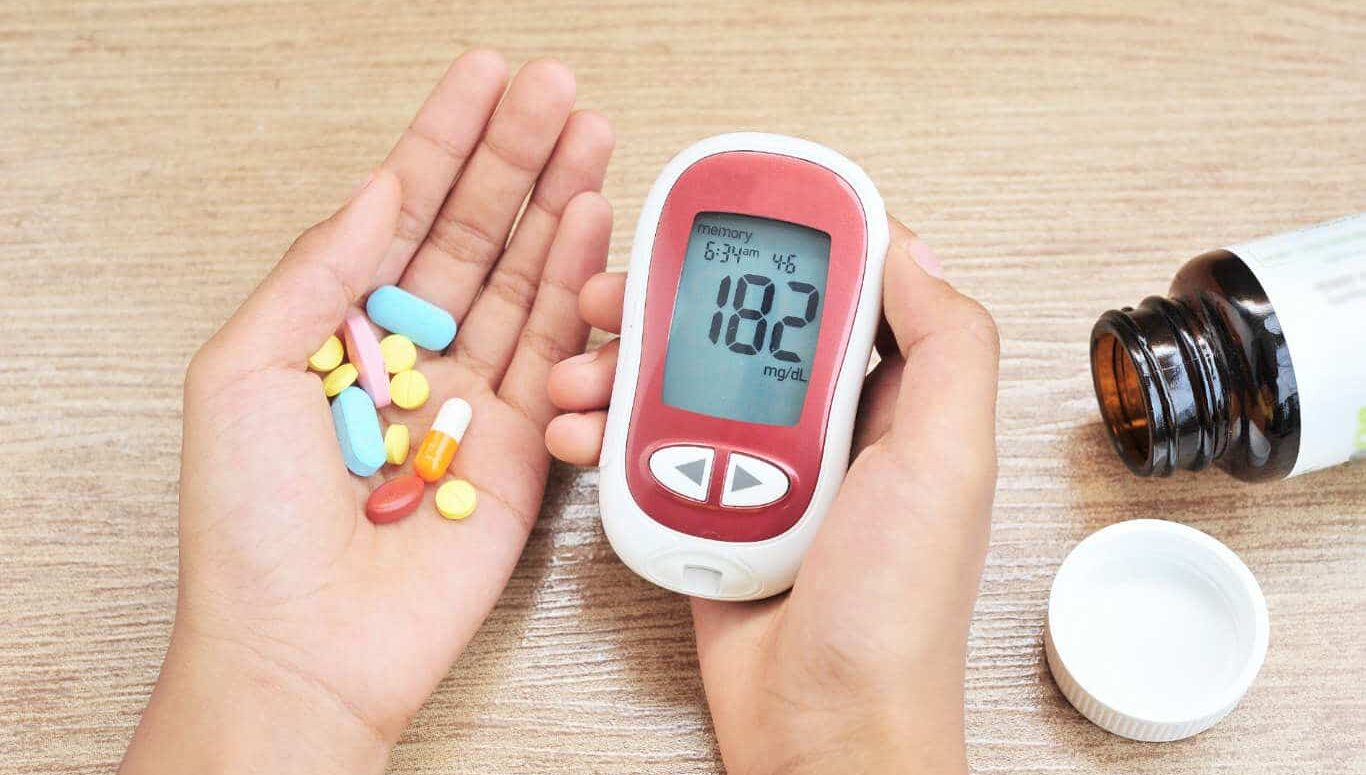
Oral diabetes medications are pills or tablets used mainly to help adults with type 2 diabetes manage blood glucose. They work in different ways, so the right choice depends on A1C goals, kidney function, heart disease risk, weight goals, hypoglycemia risk, pregnancy status, cost, and how well a person tolerates side effects.
This matters because “diabetes pills” are not interchangeable. Metformin, SGLT2 inhibitors, DPP-4 inhibitors, sulfonylureas, thiazolidinediones, and oral GLP-1 therapy all affect the body differently. Some lower glucose with little hypoglycemia risk. Others may be stronger in certain situations but require more caution.
Key Takeaways
- Most common start: Metformin is often used first when appropriate and tolerated.
- No single best pill: Type 2 diabetes treatment depends on health history and treatment goals.
- Risk profiles differ: Some classes affect weight, kidneys, heart failure, or low blood sugar risk.
- Combinations are common: Many people need more than one medication over time.
- Reassessment matters: A1C, side effects, kidney function, and preferences should be reviewed regularly.
How Oral Diabetes Medications Fit Type 2 Diabetes Care
Oral diabetes medications Type 2 treatment plans usually aim to lower blood glucose while reducing avoidable treatment burden. In type 2 diabetes, the body may resist insulin, make excess glucose through the liver, or lose insulin-producing capacity over time. Different drug classes target different parts of that process.
Some medicines help the body use insulin better. Others reduce glucose production, increase glucose loss through urine, slow carbohydrate absorption, or support incretin hormones that help regulate insulin and glucagon after meals. For a broader class-by-class refresher, see Common Diabetes Medications.
Many readers ask about the “best medicine for diabetes type 2.” In practice, the best option is the one that fits the person’s glucose pattern, other medical conditions, safety risks, and ability to take the medication consistently. A pill that suits one person may be a poor fit for another.
Why it matters: A medication choice should solve the right problem, not just lower a lab number.
Oral Diabetes Medications List by Drug Class
An oral diabetes medications list is most useful when it groups drugs by class. Brand names change by country and availability, but the class tells you how the medication generally works and which cautions often apply.
Biguanides
Metformin is the main biguanide. It lowers hepatic glucose output, meaning it reduces how much glucose the liver releases. It also improves insulin sensitivity in some tissues. It is commonly used early in type 2 diabetes treatment when kidney function and tolerance allow. Gastrointestinal effects can occur, especially when starting or increasing therapy. Some people use extended-release forms to improve tolerability, depending on clinician guidance.
For a focused discussion of this class, see Oral Diabetes Medications Biguanides. You can also review a product reference for Metformin when comparing generic medication pages and release forms.
SGLT2 inhibitors
SGLT2 inhibitors help the kidneys remove glucose through urine. This can lower blood glucose and may support modest weight reduction. Some medicines in this class are also used in care plans involving heart failure or chronic kidney disease risk, depending on the person and the specific label.
Common examples include empagliflozin and dapagliflozin. Readers comparing this class can review SGLT2 Inhibitors for more detail. Product references such as Jardiance and Farxiga Dapagliflozin can also help identify generic and brand-name examples without treating them as interchangeable.
DPP-4 inhibitors
DPP-4 inhibitors increase incretin hormone activity. In plain language, they help the body respond to meals by supporting glucose-dependent insulin release and reducing excess glucagon. They are usually weight-neutral and have a low hypoglycemia risk when used without insulin or insulin-releasing drugs.
Sitagliptin is a well-known example. A product reference for Januvia can help readers connect the drug class to a familiar brand name.
Sulfonylureas and meglitinides
Sulfonylureas stimulate the pancreas to release insulin. Meglitinides also stimulate insulin release but are generally shorter acting. These classes can be effective for glucose lowering, but they can cause hypoglycemia, especially with missed meals, reduced food intake, kidney impairment, or use in older adults.
Examples of sulfonylureas include glipizide, glimepiride, and glyburide. Meglitinide examples include repaglinide and nateglinide. These medicines require meal-pattern awareness because their main risk links closely to insulin release.
Thiazolidinediones
Thiazolidinediones, often called TZDs, improve insulin sensitivity. Pioglitazone is a common example. These medicines may cause weight gain or fluid retention, and they are generally used carefully in people with heart failure risk. They can also require attention to fracture risk and liver-related history.
Alpha-glucosidase inhibitors and other oral options
Alpha-glucosidase inhibitors slow carbohydrate digestion in the intestine. Acarbose and miglitol are examples. They mainly affect post-meal glucose but often cause gastrointestinal symptoms such as gas or bloating.
Other oral options include bile acid sequestrants and dopamine agonists in selected situations. They are not usually the first drugs people think of, but they may appear in a diabetes medication list a-z or in specialized treatment discussions.
Oral GLP-1 receptor agonist therapy
Oral semaglutide is the main GLP-1 oral medication currently used in this category. GLP-1 receptor agonists support glucose-dependent insulin release, reduce glucagon when glucose is elevated, and can affect appetite and gastric emptying. Because oral semaglutide has specific administration requirements and warnings, it should be reviewed carefully with the official label and a clinician.
For readers comparing brand-name examples, Rybelsus Semaglutide Pills provides a product reference point. It should not be used as a substitute for prescribing information or individualized care.
How Clinicians Often Choose Among Classes
Medication selection usually starts with the size of the A1C gap and the person’s risk profile. If glucose is modestly above target, one oral medicine plus lifestyle changes may be enough for a period of time. If glucose is much higher, combination therapy or injectable therapy may be considered earlier.
Kidney function is a major factor. Some drugs require dose adjustment, avoidance below certain kidney function thresholds, or extra monitoring. Heart failure, established cardiovascular disease, liver disease, osteoporosis risk, gastrointestinal disease, and a history of hypoglycemia can also change the preferred class.
Weight goals may also influence therapy. SGLT2 inhibitors and GLP-1 receptor agonist therapy may support weight reduction in some people, while sulfonylureas and TZDs may be associated with weight gain. DPP-4 inhibitors are often considered weight-neutral. These are broad class patterns, not guaranteed individual results.
Cost and access matter as well. Some people compare brand and generic options, fixed-dose combinations, and cash-pay pathways. CanadianInsulin.com functions as a prescription referral platform, and dispensing is handled by licensed third-party pharmacies where permitted. That service context does not replace a clinician’s role in selecting the appropriate medication.
Quick tip: Bring recent A1C, kidney function, and medication history to diabetes visits.
Oral Diabetes Medications vs Insulin
Oral diabetes medications vs insulin is not a simple “better or worse” comparison. Pills may be appropriate when the body still makes enough insulin and glucose levels can be managed without injected insulin. Insulin may be needed when hyperglycemia is severe, symptoms are present, pregnancy requires specific management, or beta-cell function has declined.
Insulin directly replaces or supplements the body’s insulin. Oral medicines usually change how the body produces, uses, absorbs, or removes glucose. Because the mechanisms differ, insulin can be essential in situations where oral therapy is not enough or is not safe.
Some people use oral drugs and insulin together. For example, metformin may be continued in certain insulin-treated people when appropriate, while other medications may be stopped or adjusted. Those decisions depend on kidney function, hypoglycemia risk, weight changes, and the overall treatment plan.
Seek urgent medical help for symptoms such as confusion, vomiting with inability to keep fluids down, deep rapid breathing, severe weakness, or very high glucose with ketones when ketone testing is part of your care plan. These symptoms can signal a serious metabolic problem and should not be managed by changing pills on your own.
Combination Therapy and Brand-Name Examples
Combination therapy is common because type 2 diabetes often progresses over time. A person may start with one medication and later add a second class if A1C remains above the agreed target. The goal is to combine mechanisms without stacking avoidable risks.
Fixed-dose combination tablets can reduce pill burden, but they also reduce flexibility. If one component causes side effects or needs kidney-based adjustment, the whole combination may need review. This is why clinicians often check active ingredients rather than relying only on brand names.
A diabetes combination drugs list may include metformin with a DPP-4 inhibitor, metformin with an SGLT2 inhibitor, or other pairings. The exact combination depends on local labeling and patient factors. For a broader medication comparison path, see Diabetes Medications List.
If you browse a medication collection, use it as a navigation tool rather than treatment advice. The Diabetes Medications category can help readers identify common product pages, while the Type 2 Diabetes condition collection groups related items for browsing.
Safety Issues, Monitoring, and When to Reassess
Every class has trade-offs. Metformin can cause gastrointestinal symptoms and is associated with vitamin B12 deficiency in some long-term users. SGLT2 inhibitors can increase genital infection risk and require sick-day caution because rare ketoacidosis can occur. Sulfonylureas and meglitinides can cause hypoglycemia. TZDs can worsen edema and may not suit some people with heart failure risk.
DPP-4 inhibitors are usually well tolerated but still require review for kidney dosing and rare adverse effects. Oral semaglutide has class-specific warnings and administration requirements. Alpha-glucosidase inhibitors often cause digestive side effects. These cautions are general, so the product label and clinical history should guide final decisions.
Monitoring often includes A1C, home glucose data when used, kidney function, weight, blood pressure, side effects, and adherence barriers. The A1C test reflects average blood glucose over about two to three months, while home readings show day-to-day patterns. Both can be useful because they answer different questions.
The calculator below can help convert A1C and estimated average glucose units for general understanding. It does not diagnose diabetes, set targets, or replace clinical interpretation.
HbA1c & eAG Calculator
Convert between HbA1c percentage and estimated average glucose using the ADAG relationship.
These calculations are for education only and do not replace clinical advice, diagnosis, or treatment. Always confirm medical decisions with a qualified healthcare professional.
Reassessment is especially important after medication changes, new kidney or heart diagnoses, pregnancy planning, major weight change, repeated hypoglycemia, or new symptoms. Do not stop, start, or change diabetes medicines without professional guidance.
Special Situations That Change the Usual Plan
Pregnancy requires a separate discussion because medication safety and glucose targets differ. Many oral diabetes medications have limited pregnancy safety data, and insulin is often used when medication treatment is needed. Preconception planning is important for people who may become pregnant.
Older adults may need simpler regimens and lower hypoglycemia risk. A medication that is reasonable for a younger adult may be unsafe if meals are inconsistent, kidney function is reduced, or falls are a major concern. Treatment targets may also differ depending on frailty and other conditions.
Chronic kidney disease can change both drug selection and dosing. Some SGLT2 inhibitors may have kidney-related roles in selected patients, while other medicines require dose adjustment or avoidance at lower eGFR levels. Clinicians may also monitor albuminuria, blood pressure, and cardiovascular risk as part of diabetes care.
Liver disease, pancreatitis history, severe gastrointestinal disease, heart failure, and recurrent urinary or genital infections can also affect medication choice. These details may seem unrelated to blood sugar, but they often determine which class is safest.
Authoritative Sources
For current standards on diabetes medication selection by comorbidity, see the American Diabetes Association Standards of Care.
For a patient-facing federal overview of insulin and other diabetes medicines, review the NIDDK diabetes medicines resource.
For official U.S. prescribing details on approved medications, search the FDA Drugs@FDA database by drug or brand name.
Putting the Options in Context
Oral diabetes medications remain central to type 2 diabetes care, but they work best when matched to the person rather than chosen from a generic top-10 list. Metformin is common, but it is not a replacement for individualized decision-making. Newer classes may offer advantages for some people, while older classes may still be appropriate in selected cases.
The most useful next step is preparation. Keep an updated medication list, note side effects, track glucose patterns when advised, and ask how each medicine supports your specific goals. For continuing education, browse the Type 2 Diabetes Articles collection or the broader Diabetes Articles collection.
This content is for informational purposes only and is not a substitute for professional medical advice.


