
Levemir insulin dosage is individualized. Most people do not have one fixed “right” dose; the dose depends on diabetes type, body weight, fasting glucose patterns, hypoglycemia risk, other medicines, meals, activity, and pregnancy status. The safest approach is to start with a clinician-approved plan, adjust gradually using several days of glucose data, and review repeated highs or lows with your diabetes care team.
Levemir is the brand name for insulin detemir, a long-acting basal insulin. Basal insulin provides background coverage between meals and overnight. It is not used to correct a single high reading in the same way rapid-acting insulin may be used. That distinction matters because too much basal insulin can increase the risk of low blood sugar, especially overnight.
Key Takeaways
- Individual dosing: Levemir doses vary widely by person.
- Pattern-based changes: Adjustments usually rely on fasting trends.
- Timing matters: Some people use once-daily dosing; others need twice daily.
- Unit counts need context: 20, 40, or 60 units may be reasonable for one person and unsafe for another.
- Safety first: Confirm lows and seek clinical advice for repeated hypoglycemia.
How Levemir Dosing Works in Basal Insulin Care
Levemir dosing aims to cover background insulin needs without causing frequent lows. Your care team may consider fasting blood glucose, overnight readings, body weight, insulin sensitivity, kidney or liver disease, steroid use, activity level, and whether you also use mealtime insulin.
Because detemir is a basal insulin, its effect should be judged by patterns rather than one reading. A single high fasting value may reflect a late meal, missed dose, illness, stress, or a device issue. Several similar readings over multiple days give your clinician better information.
For a broader look at where detemir fits among basal options, see Basal Insulin Types. For detemir-specific background, What Is Levemir explains how insulin detemir is used in diabetes care.
Why it matters: Basal insulin decisions affect overnight safety as well as morning glucose control.
Starting Levemir Insulin Dosage and Titration
Starting Levemir insulin dosage is usually conservative and then titrated. Some prescribers use a fixed starting dose. Others use a weight-based estimate, especially when creating a complete insulin plan for someone starting basal therapy or changing regimens.
A dosing chart can help structure the discussion, but it cannot replace a clinician’s judgment. Product labeling emphasizes that Levemir should be individualized and adjusted according to blood glucose monitoring results, metabolic needs, and glycemic goals. Your plan may differ if you have type 1 diabetes, type 2 diabetes, pregnancy, kidney disease, frequent hypoglycemia, or changing food intake.
Many titration plans use small changes every few days rather than large jumps. The goal is to reduce persistent fasting elevations while avoiding low blood sugar. If fasting values remain above the target range agreed with your clinician, your care team may advise a gradual increase. If lows occur, the plan may require holding or reducing the dose and reassessing timing, meals, and activity.
What a dosing chart can and cannot do
A Levemir dosage chart may show example starting ranges, timing options, or titration steps. It can make instructions easier to follow. However, charts do not account for every factor that changes insulin needs. Illness, steroid medication, reduced eating, alcohol, intense exercise, weight change, and missed doses can all alter glucose patterns.
If you are comparing chart examples, use them as talking points. Bring your logbook, glucose meter, or CGM report to your appointment. For general background on insulin dosing concepts, Insulin Dosage Chart explains why insulin needs differ from person to person.
The calculator below can help convert glucose units when you are reviewing logs from different sources. It does not recommend an insulin dose.
Blood Glucose Unit Converter
Convert glucose readings between mg/dL and mmol/L without changing the clinical value.
These calculations are for education only and do not replace clinical advice, diagnosis, or treatment. Always confirm medical decisions with a qualified healthcare professional.
Once Daily, Twice Daily, and Nighttime Timing
Levemir may be prescribed once daily or twice daily, depending on glucose patterns and clinical goals. Some people get adequate 24-hour basal coverage from one injection. Others see rising glucose before the next dose, which may lead the clinician to consider split dosing.
The best time to take Levemir depends on when your readings rise and when lows occur. Evening dosing may be used when fasting glucose is the main concern. Morning dosing may suit some schedules. Twice-daily dosing may be considered when coverage appears to fade before the next injection or when glucose patterns are more stable with a split schedule.
Night dosing is not automatically better. It can help some people target fasting readings, but it can also increase concern about overnight hypoglycemia if the dose is too high or meals and activity change. If you use a continuous glucose monitor, overnight trend reports can be helpful. If you use fingerstick testing, your clinician may sometimes ask for bedtime, fasting, or occasional overnight checks.
For more detail on timing and action profile, see Levemir Onset Peak Duration. Understanding when detemir starts working and how long it may last can make timing discussions more practical.
Why some people take it at night
Some people take basal insulin at night because morning fasting glucose is often used to judge the dose. This does not mean everyone should take it at night. Shift work, meal timing, exercise, alcohol use, and sleep patterns can change the safest schedule.
If your workday changes often, ask your clinician how to handle dose timing during schedule changes. Avoid moving doses close together unless your care team has told you how to do so safely.
Is 20, 40, 50, 60, or 100 Units a Lot?
A unit count is not meaningful without context. For one person, 20 units may be more than enough. For another, 40 or 60 units may reflect higher insulin resistance, body weight, medication effects, or longer-standing type 2 diabetes. The key question is whether the dose matches glucose patterns without causing hypoglycemia.
People often ask, “Is 40 units of Levemir a lot?” A better question is: what are the fasting values, bedtime values, overnight trends, and low-glucose episodes on that dose? If fasting readings are in range but daytime highs continue, the issue may not be basal insulin. It may involve meals, mealtime insulin, activity, or another part of the treatment plan.
Questions such as “Is 60 units too much?” or “Is 100 units too much?” need clinical review. Higher doses may be appropriate for some people, but rapid dose escalation, frequent lows, or unexplained variability should prompt a technique and safety check. Injection site problems, missed priming, expired insulin, illness, steroids, or storage problems can make dose needs appear to change.
When dose requirements rise quickly, do not keep increasing insulin on your own. Contact your prescriber, especially if you have vomiting, dehydration, ketones, pregnancy, repeated readings far above your target, or any severe low blood sugar symptoms.
FlexPen, Penfill, and Injection Technique Factors
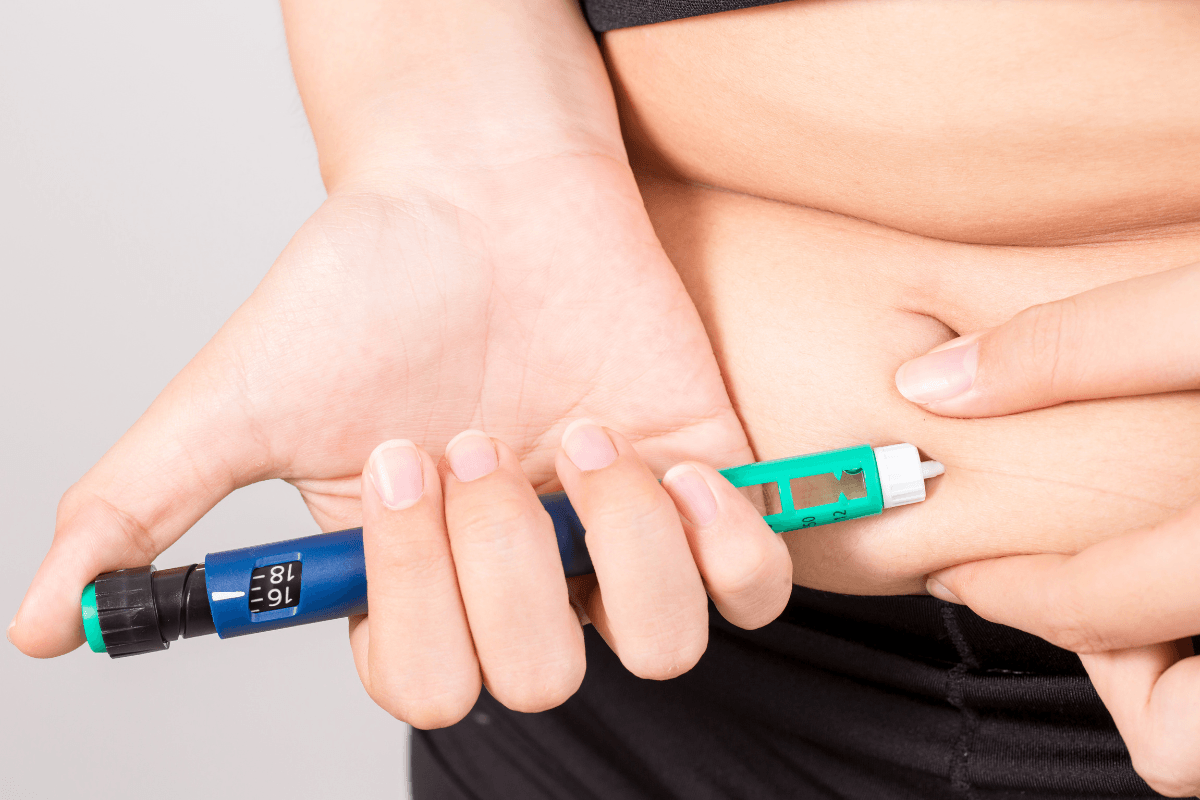
Device technique can change how much insulin actually reaches the tissue. Levemir FlexPen and cartridge-based pen systems are designed for subcutaneous injection, meaning injection into the fatty layer under the skin. Technique details still matter.
Common issues include not priming the pen, removing the needle too quickly, injecting through thickened skin, reusing damaged needles, or storing insulin incorrectly. Site rotation also matters. Repeated injections into the same spot can cause lipodystrophy, a change in fatty tissue that may make insulin absorption less predictable.
Use the device exactly as taught by your pharmacist, nurse, or prescriber. If you notice unexpected glucose swings after a device change, ask someone trained in injection technique to watch your process. A small correction in technique can sometimes reduce unexplained variation.
If your regimen uses cartridges, Levemir Penfill Cartridges provides product-specific context for the cartridge format. Keep product pages separate from dosing advice; your dose should still come from your healthcare professional.
Quick tip: Record the dose, injection time, and injection site together.
Type 1 Diabetes, Type 2 Diabetes, and Pregnancy
Levemir insulin dosage is planned differently across clinical situations. In type 1 diabetes, basal insulin is usually part of a basal-bolus regimen that also includes mealtime insulin. In type 2 diabetes, basal insulin may be used with non-insulin medicines, mealtime insulin, or other therapies depending on the treatment plan.
For people with type 1 diabetes, basal insulin should not be stopped without urgent medical guidance. Too little insulin can raise the risk of ketones and diabetic ketoacidosis, a serious complication caused by insulin deficiency. Dose questions in type 1 diabetes should consider fasting readings, meals, correction doses, exercise, and overnight trends together.
For people with type 2 diabetes, clinicians often assess whether fasting glucose is the main problem or whether glucose rises mostly after meals. If fasting readings improve but A1C remains high, the care plan may need review beyond the basal dose. Adding more basal insulin is not always the right answer.
Pregnancy needs closer supervision because insulin requirements can change across trimesters and after delivery. Anyone pregnant, planning pregnancy, or breastfeeding should discuss detemir use and dosing with an obstetric and diabetes care team. Changes should be individualized and monitored carefully.
When to Adjust, Hold, or Seek Help
Dose changes should follow the plan provided by your clinician. A safe plan usually explains when to increase, when to hold steady, when to reduce, and when to call for help. It should also say which glucose readings matter most for basal insulin decisions.
Seek urgent medical help for severe hypoglycemia, confusion, loss of consciousness, seizure, trouble breathing, or symptoms of diabetic ketoacidosis such as vomiting, abdominal pain, rapid breathing, fruity-smelling breath, or high ketones. If you use insulin and feel unwell with persistent high glucose, follow your sick-day plan or contact a clinician promptly.
For non-urgent review, contact your care team if you have repeated fasting lows, several unexplained highs, frequent overnight alarms, or a sudden change in insulin needs. Bring your recent readings, doses, meals, activity changes, and medication changes. The more complete the record, the easier it is to find the pattern.
For practical next steps, Correct Dosage for Levemir covers additional day-to-day considerations you can discuss with your prescriber.
Records That Make Dose Reviews More Useful
Good records help your care team distinguish a true basal insulin issue from a meal, activity, or technique issue. You do not need a perfect diary, but a few consistent details can change the quality of the review.
- Glucose timing: fasting, bedtime, and relevant overnight readings.
- Dose details: units, injection time, and missed doses.
- Meal context: late meals, skipped meals, or unusual carbohydrates.
- Activity changes: intense exercise or reduced movement.
- Safety notes: symptoms, confirmed lows, and treatment used.
CanadianInsulin.com is a prescription referral platform, and prescription details may need confirmation with the prescriber where required. That access process is separate from clinical dose decisions, which should remain with your licensed healthcare professional.
Authoritative Sources
The FDA label for Levemir describes individualized dosing, administration frequency, hypoglycemia warnings, and monitoring considerations.
The DailyMed detemir monograph provides label-based drug information, including administration and safety details.
The ADA Standards of Care outline current diabetes management principles, including individualized glycemic goals and hypoglycemia risk reduction.
Bottom Line
Levemir insulin dosage is safest when it is individualized, monitored, and adjusted gradually. Focus on trends rather than isolated numbers. Review timing, technique, and glucose patterns before assuming the dose is too low or too high. If repeated highs or lows occur, involve your care team instead of making large changes alone.
This content is for informational purposes only and is not a substitute for professional medical advice.


