
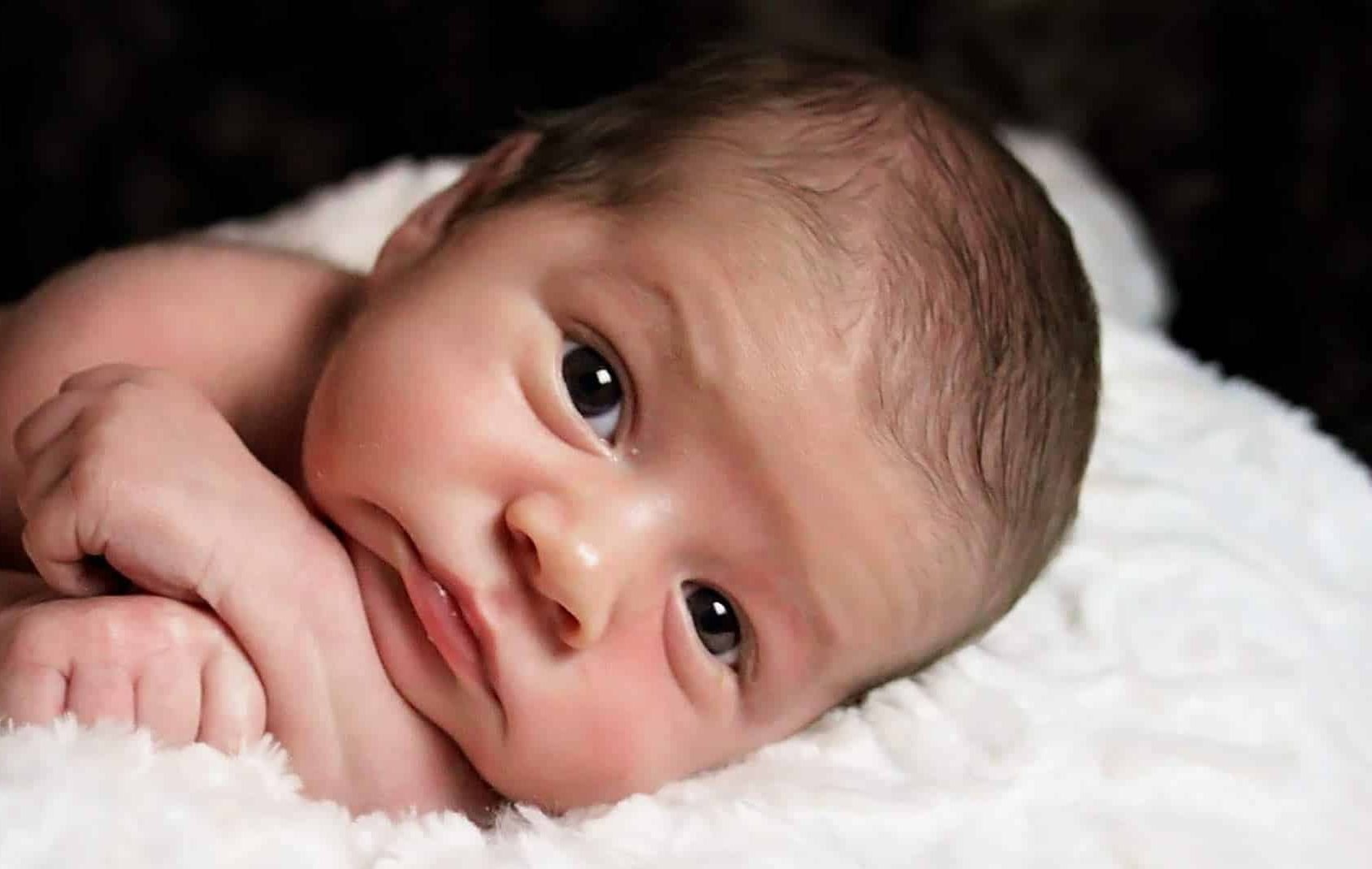
Low blood sugar in newborns means a baby’s blood glucose falls below the level the care team considers safe for that baby’s age, symptoms, and risk factors. It is also called neonatal hypoglycemia. Many early cases are temporary and respond to feeding or hospital-based treatment, but some babies need closer monitoring because the brain uses glucose for energy.
Why it matters: A newborn can look well even when a screening result is low.
Key Takeaways
- Early dips are common: glucose often changes during the first hours after birth.
- Symptoms may be subtle: jitteriness, poor feeding, low temperature, or unusual sleepiness can occur.
- Risk guides screening: preterm birth, small or large size, and parental diabetes can raise concern.
- Monitoring is hospital-based: heel-prick tests may need laboratory confirmation.
- Urgent signs need care: seizures, breathing trouble, or blue colour need immediate medical help.
Low Blood Sugar in Newborns: What It Means After Birth
Neonatal hypoglycemia (low blood glucose in the newborn period) is best understood as a transition problem with several possible causes. During pregnancy, a baby receives glucose through the placenta. After birth, that supply stops. The baby then uses stored energy, feeding, and normal hormone changes to keep glucose available.
Because of this transition, a lower reading in the first hours does not always mean a dangerous illness. The meaning depends on the baby’s age in hours, gestational age, feeding pattern, exam findings, and whether the low result repeats. Care teams use local newborn hypoglycemia screening pathways to decide when to feed, recheck, confirm with a laboratory test, or treat more actively.
The main concern is not a single number by itself. The bigger issue is whether glucose stays too low, drops repeatedly, or occurs with symptoms. Severe, prolonged, or recurrent hypoglycemia can affect the brain and may cause seizures. That is why hospitals screen babies with risk factors even when they appear comfortable.
Symptoms Can Be Subtle, Obvious, or Absent
Newborn hypoglycemia symptoms can be hard to spot because they overlap with many other newborn problems. Some babies have no visible symptoms at all. Others may show changes in movement, feeding, temperature, colour, breathing, or alertness.
Possible signs include:
- Jittery movements: tremors, shaking, or unusual startle-like movements.
- Poor feeding: weak suck, low interest, or tiring quickly.
- Low temperature: cool skin or difficulty staying warm.
- Sleepiness: unusual limpness or being hard to wake for feeds.
- Breathing changes: pauses, fast breathing, or grunting.
- Serious signs: seizures, blue colour, or marked unresponsiveness.
These signs do not prove hypoglycemia. Infection, breathing problems, birth stress, neurological conditions, and temperature instability can look similar. A blood glucose test helps the team check one important cause while they consider the whole clinical picture.
After discharge, urgent medical care is needed if a newborn has a seizure, turns blue or grey, has breathing trouble, is very hard to wake, feeds poorly over repeated attempts, or seems suddenly much weaker. Parents should use the emergency instructions from their birth centre or local health system.
Which Babies Are More Likely to Be Screened?
Glucose screening is usually targeted, not done for every healthy term newborn. Hospitals often check babies who have a higher chance of low glucose or who show symptoms. This reduces unnecessary testing while still protecting babies who need closer observation.
Common neonatal hypoglycemia risk factors include:
- Preterm birth: especially late-preterm infants with lower energy reserves.
- Small size: babies smaller than expected for gestational age.
- Large size: babies larger than expected for gestational age.
- Parental diabetes: gestational, type 1, or type 2 diabetes during pregnancy.
- Birth stress: oxygen needs, difficult transition, or significant illness.
- Temperature problems: cold stress can increase glucose use.
Babies born to a parent with diabetes are often screened because they may produce more insulin before birth. After the umbilical glucose supply stops, that insulin can lower the baby’s blood sugar. This does not mean the baby has diabetes. It means the newborn may need extra observation during the transition period.
Some babies need screening because of symptoms, even without a known risk factor. Others need evaluation if low readings continue beyond the expected early transition period. Persistent neonatal hypoglycemia may point to hormone, metabolic, or insulin regulation problems that require specialist input.
How Glucose Monitoring Is Done in Hospital
For low blood sugar in newborns, screening usually starts with a small heel-prick blood sample. This is often called a capillary blood glucose check. A bedside meter gives a quick result, which helps staff decide whether feeding, rechecking, or treatment is needed.
Bedside meters are useful for rapid screening, but they are not perfect at very low glucose levels. If a result is low, unexpected, or does not match how the baby looks, the team may send a blood sample to the laboratory for confirmation. Laboratory plasma glucose is usually more accurate for clinical decisions.
Checks are often timed around feeds because glucose can fall before a feed and rise afterward. The exact schedule varies by hospital pathway. Many units continue monitoring until the baby has several acceptable readings and feeds safely. Parents can ask how many readings are needed before screening stops.
Quick tip: Ask whether results are screening values or confirmed laboratory values.
Glucose monitoring in newborns is not the same as home glucose testing for adults. Parents should not try to diagnose or treat suspected neonatal hypoglycemia at home with a household meter unless a neonatal team has provided a specific plan. Newborn samples, thresholds, and symptoms require professional interpretation.
Interpreting Newborn Blood Sugar Levels Carefully
Newborn blood sugar levels are reported in either mg/dL or mmol/L, depending on the hospital and country. The unit matters. A number that looks very different may represent the same glucose value after conversion.
This converter can help compare mg/dL and mmol/L units. It does not decide whether a newborn’s result is safe or whether treatment is needed.
Blood Glucose Unit Converter
Convert glucose readings between mg/dL and mmol/L without changing the clinical value.
These calculations are for education only and do not replace clinical advice, diagnosis, or treatment. Always confirm medical decisions with a qualified healthcare professional.
No single online chart can replace the local neonatal guideline. Many hospitals use age-specific operational thresholds, meaning the action point can change during the first day or two of life. Symptoms also change the response. A symptomatic baby with a low result may need faster treatment than a baby who is feeding well and has a borderline screen.
Parents may hear terms such as target level, intervention threshold, repeat check, or critical sample. A target level is the range the team wants to maintain. An intervention threshold is the point where the pathway recommends a response, such as feeding support or dextrose treatment. A critical sample is a set of blood and urine tests collected during low glucose when persistent hypoglycemia is suspected.
It is reasonable to ask the care team three questions about a result: what unit was used, whether the value was confirmed, and what the next step is under the hospital’s protocol. These questions help parents understand the plan without trying to manage the number alone.
How Treatment Decisions Are Usually Made
Treatment for low blood sugar in newborns depends on symptoms, glucose level, feeding ability, risk factors, and whether low readings repeat. The goal is to bring glucose into a safe range while supporting feeding and identifying babies who need more evaluation.
Common hospital responses may include early feeding, help with latch, expressed colostrum, donor milk or formula when clinically appropriate, dextrose gel placed inside the cheek, or intravenous dextrose through a vein. Dextrose is a form of glucose. The chosen step depends on the newborn unit’s pathway and the baby’s condition.
Some babies stay with their parent while they receive feeding support and repeat checks. Others need a higher level of monitoring, especially if they have symptoms, cannot feed safely, need intravenous glucose, or have other medical concerns. The plan can change quickly as results and feeding improve.
Parents should not give sugar water, honey, syrup, or home remedies to a newborn unless the clinical team has given explicit instructions. Honey is unsafe for infants because of botulism risk. Any concern about ongoing poor feeding, lethargy, or abnormal movements should be handled as a medical concern, not a home nutrition problem.
A Practical Checklist for Parents and Caregivers
A short checklist can make conversations less stressful during the hospital stay. It also helps parents understand what needs to be stable before discharge.
- Ask the reason: which risk factor or symptom triggered screening.
- Clarify the unit: whether results are in mg/dL or mmol/L.
- Confirm the source: bedside screen or laboratory blood glucose.
- Review the plan: feeding support, repeat checks, or treatment steps.
- Know the stop point: how many stable readings are needed.
- Discuss feeding signs: what effective feeding should look like.
- Get discharge guidance: symptoms that require urgent assessment.
- Ask about follow-up: who to contact if concerns return.
This checklist does not replace the newborn team’s instructions. It gives parents a structure for understanding the care plan. If the baby has repeated low readings, needs intravenous glucose, or remains low beyond the expected transition period, parents can ask whether pediatric endocrine or metabolic evaluation is being considered.
Why Guidelines Differ Between Hospitals
A clinical guide to low blood sugar in newborns has to account for one practical reality: neonatal hypoglycemia guidelines are not identical everywhere. Different organizations and hospitals may use different screening schedules, action thresholds, feeding protocols, and discharge criteria.
This variation exists because the newborn period is a transition, and experts balance several goals. They want to prevent harm from prolonged low glucose. They also want to avoid unnecessary blood tests, mother-baby separation, and overtreatment in healthy babies whose glucose is adapting normally.
You may also see the 5-2-1 rule for hypoglycemia mentioned online. This is not a single universal newborn standard. The phrase can refer to local teaching tools or pathway shorthand, and it should not be used to interpret a newborn’s glucose result without context. If staff use that phrase, ask them to explain exactly what it means in their hospital.
The safest approach is to follow the written pathway used by the birth hospital and ask how it applies to your baby. Important details include age in hours, symptoms, feeding quality, risk factors, and whether low values are repeated or confirmed.
When Ongoing Low Glucose Needs More Evaluation
Most newborn hypoglycemia improves as feeding becomes established and the baby’s metabolism adapts. Persistent, severe, or recurrent low glucose is different. It may require additional testing to look for causes such as excess insulin, hormone deficiencies, metabolic disorders, infection, or serious illness.
Care teams may become more concerned when a baby needs high or ongoing glucose support, has symptoms during low readings, cannot maintain glucose between feeds, or has low values beyond the usual early transition period. In those situations, the team may collect blood during an episode before treatment changes the results. This helps identify the cause.
Parents can ask whether the low glucose is considered transitional or persistent. They can also ask what must happen before discharge, whether follow-up testing is needed, and which symptoms should lead to immediate reassessment. Clear discharge instructions matter because newborn feeding and alertness can change at home.
Authoritative Sources
These sources provide clinical background on newborn hypoglycemia, screening, and persistent low glucose. They are not a substitute for your baby’s care plan.
- For a public medical overview, see the MedlinePlus newborn hypoglycemia resource.
- For pediatric screening background, review the American Academy of Pediatrics clinical report.
- For persistent or recurrent cases, the Pediatric Endocrine Society recommendations outline evaluation principles.
For broader condition education, you can browse the Other Conditions hub. Use it for general reading, not for urgent newborn decisions.
This content is for informational purposes only and is not a substitute for professional medical advice.


