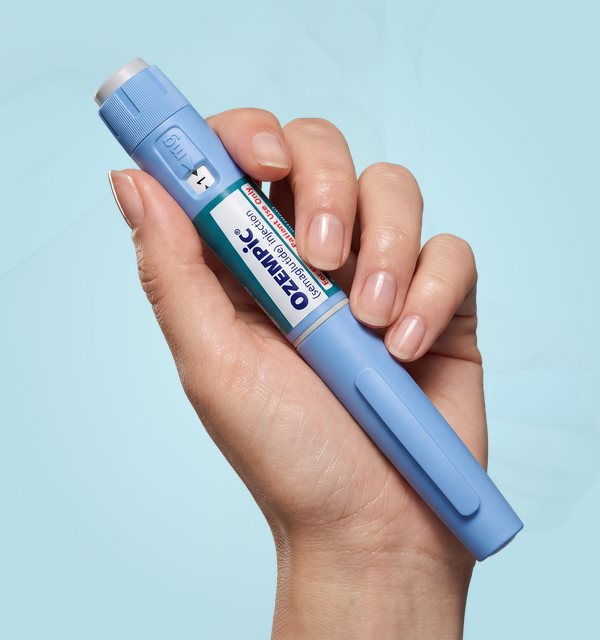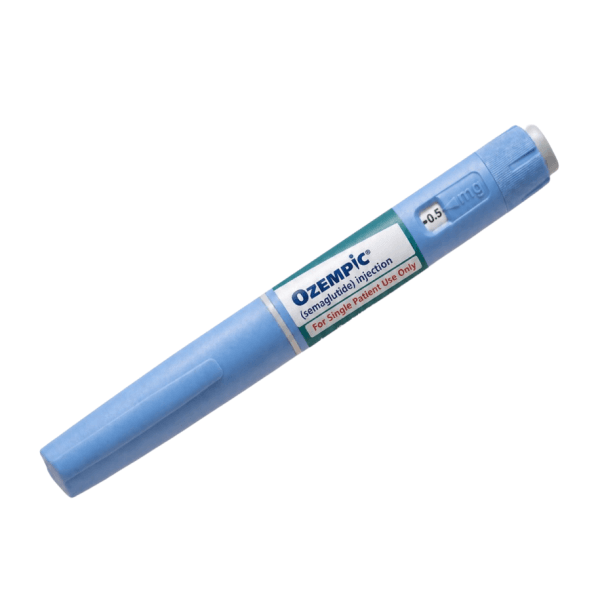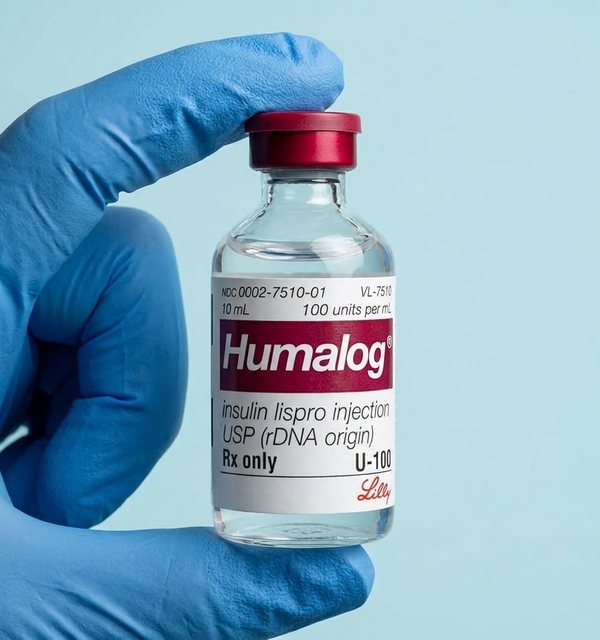


Fasting hypoglycemia is low blood glucose that develops after several hours without food, often overnight or between meals. In simple terms, fasting hypoglycemia matters because most healthy adults can keep glucose stable during a fast. Repeated, severe, or unexplained lows can point to medication effects, alcohol exposure, hormone problems, serious illness, or a rare insulin-producing tumor. A single shaky morning is not enough for a diagnosis. Clinicians usually look for symptoms, a confirmed low glucose level, and improvement when glucose rises.
Key Takeaways
- Core meaning: Low glucose occurs during a food-free period, not soon after eating.
- Common symptoms: Shaking, sweating, hunger, confusion, weakness, or sleep disruption may occur.
- Important distinction: In people without diabetes, fasting hypoglycemia deserves medical review if it recurs.
- Diagnosis approach: Clinicians confirm a true low during symptoms before naming a cause.
- Safety priority: Severe confusion, seizure, or inability to swallow needs emergency care.
Why Fasting Hypoglycemia Happens
Low glucose during fasting happens when the body cannot balance glucose supply, stored fuel release, and hormone signals. During a normal fast, the liver releases stored glucose and makes new glucose from other fuel sources. Hormones such as glucagon, epinephrine, cortisol, and growth hormone help protect the brain, which depends heavily on glucose.
That backup system can fail or become overwhelmed. The cause may involve medicines, alcohol, prolonged under-eating, heavy exertion, hormone deficiency, liver or kidney disease, or a rare insulinoma (an insulin-producing tumor). In children, uncommon inherited metabolic conditions may also present with fasting-related lows.
Diabetes-related causes
People who use insulin or medicines that raise insulin levels can develop low glucose if food intake, activity, alcohol, or illness changes. Skipping meals, delaying meals, or fasting for a procedure may raise risk. Overnight lows can also lead to morning symptoms such as waking sweaty, restless, weak, or unusually tired.
Do not adjust diabetes medication on your own because of a single reading. Recurrent lows should prompt a review with the prescribing clinician, especially when they happen overnight, during fasting, or without clear warning symptoms.
Causes without diabetes
Low blood sugar without diabetes is less common. For most people without diabetes, not eating for several hours does not usually cause clinically significant hypoglycemia. The liver and hormones usually compensate. When symptoms and confirmed low glucose happen repeatedly, clinicians look for an underlying reason.
Possible contributors include alcohol use without enough food, serious liver or kidney illness, adrenal insufficiency, critical illness, certain medication exposures, poor nutrition, or rare insulin-secreting conditions. The pattern matters. A low that appears after an overnight fast suggests different causes than symptoms that appear two hours after a high-carbohydrate meal.
Why it matters: Treating only the symptom can miss a cause that needs medical attention.
Symptoms: Early Clues Versus Emergency Signs
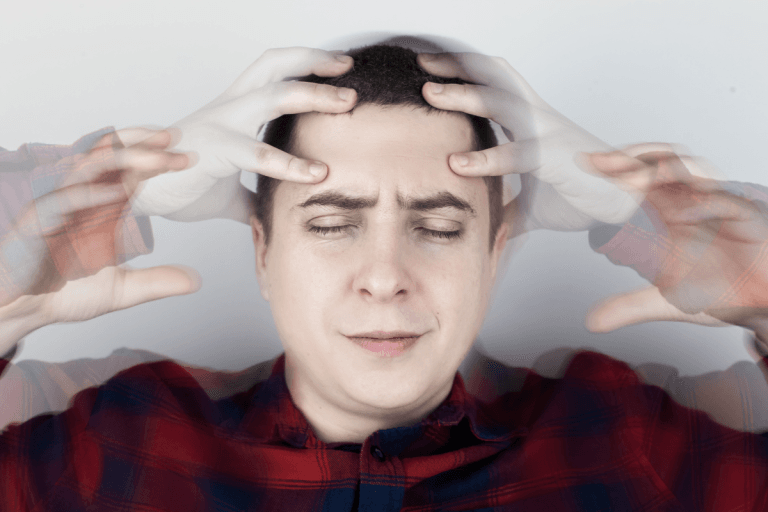
Fasting hypoglycemia symptoms can feel physical, emotional, or neurological. Early symptoms often come from the body releasing stress hormones to raise glucose. These can feel sudden and uncomfortable, but they are warning signs.
Common early symptoms may include:
- Shaking or tremor: Hands may feel unsteady.
- Sweating: Skin may feel clammy or cold.
- Fast heartbeat: Palpitations can appear quickly.
- Strong hunger: Cravings may feel urgent.
- Anxiety or irritability: Mood may shift suddenly.
- Tingling: Lips or fingers may feel unusual.
As glucose falls further, the brain may not get enough fuel. This can cause blurred vision, headache, dizziness, weakness, confusion, unusual behavior, slurred speech, sleepiness, seizure, or loss of consciousness. These symptoms need more urgent attention, especially if the person cannot safely eat or drink.
Some people have fewer warning symptoms after repeated lows. This is sometimes called hypoglycemia unawareness. It can increase danger during sleep, driving, operating machinery, or exercising alone. People with recurrent lows should ask a clinician how to reduce risk and whether monitoring changes are needed.
Fasting, Reactive, and Morning Lows Are Not the Same
The timing of a low glucose episode gives clinicians important clues. Fasting lows happen after a food-free period. Reactive lows usually occur after eating. Morning lows may reflect overnight changes, but the cause depends on context.
| Pattern | Typical timing | What it may suggest |
|---|---|---|
| Fasting low | After many hours without food | Medication effects, alcohol, hormone issues, organ illness, or rare insulin excess |
| Reactive low | Usually within a few hours after a meal | A post-meal glucose and insulin mismatch; sometimes seen after certain stomach surgeries |
| Morning low | On waking or before breakfast | An overnight low, delayed meal, alcohol effect, medication timing issue, or another fasting-related cause |
Reactive hypoglycemia and fasting hypoglycemia can feel similar, but they are investigated differently. A symptom diary can help. Useful details include the time of symptoms, last meal, alcohol intake, exercise, medications, glucose reading if available, and what helped symptoms resolve.
For people using continuous glucose monitors, overnight trend data can be helpful. Still, sensor readings can lag behind blood glucose, and false lows can occur from pressure on the sensor during sleep. A care team may ask for a fingerstick or lab confirmation when the result affects treatment decisions.
How Clinicians Confirm the Diagnosis
A diagnosis of fasting hypoglycemia begins with proving that symptoms match a real low glucose level. Clinicians often use Whipple’s triad: symptoms consistent with hypoglycemia, a low measured plasma glucose at the time of symptoms, and symptom relief after glucose rises.
Many clinical references use 70 mg/dL, or 3.9 mmol/L, as an alert level, especially for people with diabetes. Diagnosis in people without diabetes can be more nuanced. A home meter or wearable sensor may show a pattern, but laboratory plasma glucose is more reliable for confirming unexplained episodes.
The converter below can help compare glucose readings reported in mg/dL and mmol/L. It is a unit tool only and does not diagnose hypoglycemia or replace clinical review.
Blood Glucose Unit Converter
Convert glucose readings between mg/dL and mmol/L without changing the clinical value.
These calculations are for education only and do not replace clinical advice, diagnosis, or treatment. Always confirm medical decisions with a qualified healthcare professional.
If episodes are recurrent, severe, or unexplained, testing may include glucose, insulin, C-peptide, proinsulin, beta-hydroxybutyrate, and screening for medicines that can lower glucose. Clinicians may also assess kidney, liver, adrenal, and other hormone function, depending on the pattern.
A supervised fast, sometimes up to 72 hours, may be used in selected cases to investigate unexplained fasting lows. This is a medical test, not a home fasting challenge. It allows trained staff to monitor symptoms, draw timed blood tests, and stop the fast safely if glucose drops.
Quick tip: Bring your symptom timing, glucose readings, meal notes, and medication list to appointments.
Treatment Focuses on the Cause and the Current Episode
Treatment for fasting hypoglycemia has two parts: raising glucose during an episode and addressing the reason it happened. The immediate step depends on whether the person is awake, alert, and able to swallow safely.
For a conscious person who can swallow, many medical resources describe using fast-acting carbohydrate and rechecking soon after. Glucose tablets, glucose gel, juice, or regular soda are common examples. Foods high in fat, such as chocolate, may work more slowly because fat can delay absorption. People with a prescribed hypoglycemia plan should follow that plan.
If a person is confused, having a seizure, unconscious, or unable to swallow, do not give food or drink by mouth. Emergency medical help is needed. Some people at risk of severe episodes may have glucagon prescribed. Family, friends, or caregivers should know where it is kept and how the prescribed product is used.
Longer-term treatment depends on the cause. It may involve a medication review, changes to meal timing, reducing alcohol-related risk, treating hormone deficiency, managing kidney or liver disease, or evaluating rare insulin-secreting conditions. People taking insulin or insulin-stimulating medicines should discuss patterns with the prescriber before changing doses or fasting routines.
About shorthand rules for hypoglycemia
Some people ask about a 5-2-1 rule for hypoglycemia, but that phrase is not a single universal standard across major public guidance. The widely referenced adult approach is often called the 15-15 rule, which uses a measured amount of fast carbohydrate and a repeat check. Children, pregnancy, kidney disease, insulin pumps, and recurrent severe episodes may require individualized instructions.
The safer takeaway is simple: use the plan your clinician gave you, and seek urgent help for severe symptoms. If you do not have a plan and you have repeated lows, ask for one before attempting prolonged fasting or major diet changes.
Intermittent Fasting and Practical Risk Reduction
Intermittent fasting can increase risk for some people, especially those using insulin, sulfonylureas, or similar medicines. It can also be risky for people with recurrent unexplained lows, pregnancy, eating disorders, underweight status, significant kidney or liver disease, or a history of severe hypoglycemia.
For people without diabetes, short gaps between meals are usually tolerated. Problems become more concerning when symptoms are recurrent, readings are repeatedly low, or symptoms include confusion, fainting, seizure, or nighttime episodes. Fasting for weight loss or wellness should not override safety signals.
Before trying a longer fast, consider discussing these points with a clinician or registered dietitian when relevant:
- Medication timing: Some medicines need food or glucose monitoring.
- Warning symptoms: Know which symptoms mean the fast should stop.
- Activity plans: Exercise can lower glucose during or after fasting.
- Alcohol exposure: Alcohol can impair the liver’s glucose release.
- Driving safety: Avoid driving if symptoms or low readings occur.
- Backup supplies: Keep fast-acting carbohydrate available when at risk.
People who fast for religious, procedural, or personal reasons may need a tailored plan. This is especially important when medication schedules, sleep, work demands, or exercise routines change at the same time.
When Low Glucose Needs Prompt Care
Seek emergency care if low glucose symptoms include seizure, loss of consciousness, severe confusion, inability to swallow, injury, or symptoms that do not improve after appropriate treatment. Emergency care is also important if a person cannot reliably check glucose but appears severely impaired.
Schedule medical review soon if you have repeated fasting or overnight lows, low readings without diabetes, new symptoms after a medication change, unexplained weight loss, vomiting, heavy alcohol use, pregnancy, kidney disease, liver disease, or symptoms during driving or work. These details can change the urgency and the investigation.
For children, older adults, and people who live alone, the safety plan should include who to contact, where glucose supplies are kept, and when to call emergency services. Recurrent lows are not just uncomfortable. They can affect thinking, falls risk, sleep, and daily safety.
Authoritative Sources
- CDC low blood sugar guidance summarizes symptoms and general treatment steps.
- Mayo Clinic hypoglycemia overview explains common symptoms, causes, and when to seek help.
- NCBI Bookshelf review outlines non-diabetic hypoglycemia causes and diagnostic approaches.
For broader condition education, browse the Other Conditions category.
This content is for informational purposes only and is not a substitute for professional medical advice.