
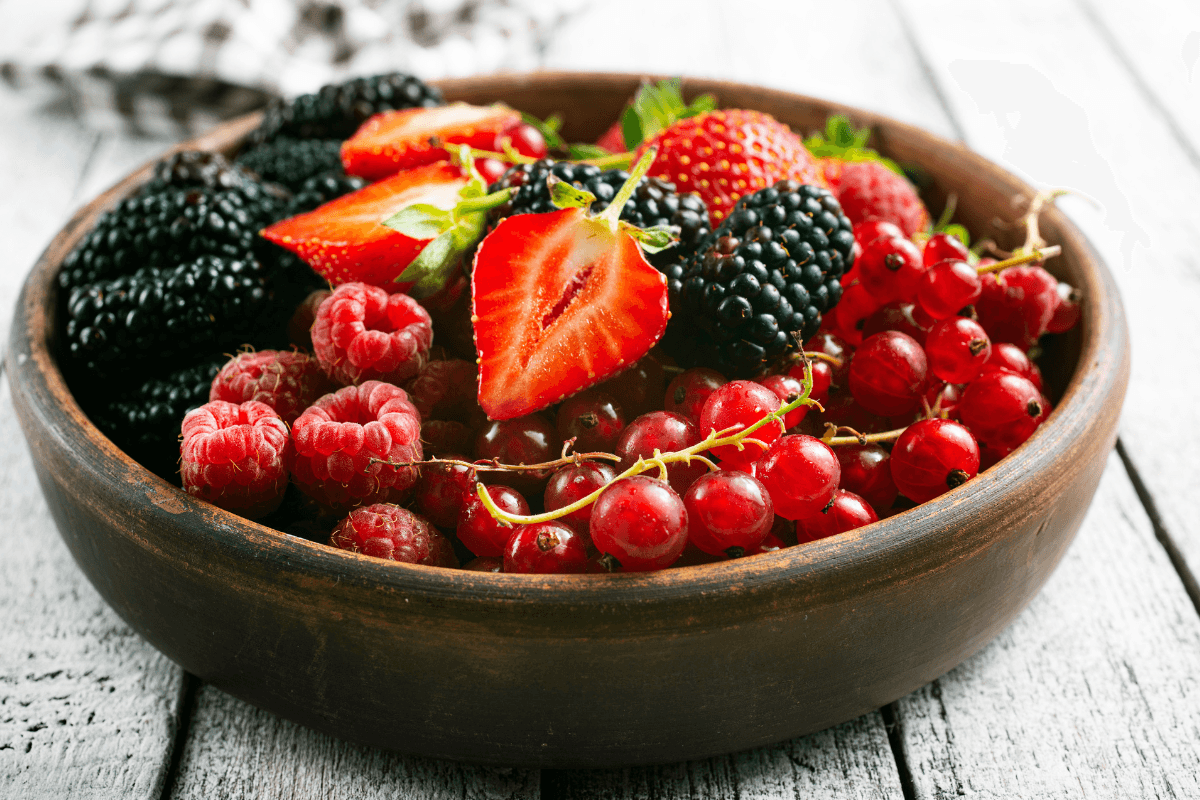
Low GI fruits are whole fruits that tend to raise blood glucose more slowly than higher-glycemic foods in standardized testing. They can fit into diabetes meal planning, but the label does not make a fruit unlimited. Portion size, ripeness, the rest of the meal, and your medication plan often matter as much as the glycemic index score.
Fruit can provide fiber, fluid, potassium, vitamin C, and other nutrients. The goal is usually not to avoid fruit. It is to choose forms and portions that match your blood sugar patterns and care plan.
Key Takeaways
- Whole fruit is usually a better choice than juice, syrup-packed fruit, or large dried-fruit portions.
- The glycemic index compares foods, but it does not measure your exact response.
- Glycemic load, ripeness, fiber, and meal pairing can change the blood sugar effect.
- Apples, pears, berries, citrus, cherries, peaches, plums, and guava are commonly lower-glycemic choices.
- Ask for dietitian guidance if you have repeated highs or lows, pregnancy, kidney disease, gastroparesis, or hypoglycemia risk.
Lower-GI Fruit and Blood Sugar: The Basics
The glycemic index, or GI, ranks carbohydrate-containing foods by how quickly they raise blood glucose in controlled testing. A low GI food is usually defined as 55 or less. Medium GI is usually 56 to 69, and high GI is 70 or above.
That ranking can help compare foods, but it has limits. GI testing uses a fixed amount of digestible carbohydrate, not the serving you may actually eat. It also does not account for your activity level, sleep, stress, medications, insulin timing, or the rest of your meal.
Whole fruit often has a lower or moderate GI because it contains water, fiber, and intact plant structure. These features can slow digestion compared with juice or sweetened fruit products. Still, fruit contains carbohydrate. For many people with diabetes, the key question is not whether fruit is allowed. The more useful question is how much fruit, in what form, and with what other foods.
Why it matters: A lower GI score does not cancel the carbohydrate in a large serving.
A Practical Glycemic Index of Fruits Chart
A fruit chart is most useful when it shows patterns rather than treating each number as fixed. GI values can vary by variety, ripeness, growing conditions, processing, and testing method. Use this chart as a starting point for meal planning, not as a permission list or a ban list.
| Fruit or Form | Usual GI Pattern | How to Think About It |
|---|---|---|
| Berries, including strawberries, blueberries, raspberries, and blackberries | Often lower | Choose unsweetened whole berries. They work well with yogurt, oatmeal, or nuts when portions fit your plan. |
| Apples and pears | Often lower | Whole fruit with skin is usually more filling than juice or applesauce with added sugar. |
| Oranges and grapefruit | Often lower | Whole citrus is usually a different choice from fruit juice, which can raise glucose faster. |
| Cherries, peaches, plums, and apricots | Often lower | Fresh or frozen unsweetened forms are usually easier to portion than canned fruit in syrup. |
| Guava | Often lower to moderate | Whole guava can be a fiber-containing option. Sweetened guava drinks are a different category. |
| Banana | Often low to medium, depending on ripeness | A smaller, firmer banana may affect glucose differently than a large, very ripe one. |
| Mango, pineapple, grapes, and melon | Often moderate, with variation | These can still fit some plans. Serving size and meal context matter. |
| Watermelon, dates, raisins, fruit juice, and smoothies | Higher GI, concentrated carbs, or faster intake can be relevant | Watermelon is water-rich, while dried fruit is concentrated. Juice and large smoothies are easy to overdrink. |
People often ask which fruit has the lowest GI. There is no single permanent winner because test results vary. Cherries, grapefruit, apples, pears, berries, plums, and some stone fruits are often among the lower-glycemic choices. What matters most is the usual serving you eat and the pattern you see afterward.
Portion Size, Glycemic Load, and Ripeness
Glycemic load helps explain why serving size can matter more than a single GI score. Glycemic load uses a food’s GI, its available carbohydrate, and the number of servings. This makes it more practical when comparing a small serving of one fruit with a large serving of another.
You can use the calculator below to compare general glycemic load from GI, available carbohydrate, and serving count. It is a math aid, not personalized nutrition or medical advice.
Glycaemic Load Calculator
Calculate glycaemic load from glycaemic index and available carbohydrate in a serving.
These calculations are for education only and do not replace clinical advice, diagnosis, or treatment. Always confirm medical decisions with a qualified healthcare professional.
A high-water fruit can have a higher GI but a modest glycemic load in a typical serving. Dried fruit is the opposite for many people. Raisins, dates, and dried mango pack more carbohydrate into a small volume, so portions can grow quickly without looking large.
Ripeness also changes the picture. As some fruits ripen, starches break down and the fruit tastes sweeter. A very ripe banana or mango may be easier to digest quickly than a firmer one. That does not make ripe fruit unsafe. It means the portion and timing may need more attention.
Food form matters too. Whole fruit requires chewing and usually contains intact fiber. Juice removes much of that structure and can be consumed quickly. Smoothies can sit in the middle, depending on what goes in them. A smoothie made with several fruits, juice, honey, and sweetened yogurt can contain much more carbohydrate than a single piece of fruit.
Quick tip: Compare fruit by the serving you actually eat, not by a generic ranking.
Building Fruit Into Diabetes Meal Planning
A practical diabetes fruit plan starts with your carbohydrate budget, not a banned-food list. Some people use carbohydrate counting. Others use the plate method, a meal plan from a registered dietitian, or glucose patterns from a meter or continuous glucose monitor. Each approach can include fruit, but the details differ.
One useful strategy is pairing fruit with foods that add protein, fat, or extra fiber. Examples include berries with plain Greek-style yogurt, apple slices with nut butter, or pear with a meal that includes vegetables and protein. Pairing does not erase carbohydrates. It may make the meal more filling and may slow the glucose rise for some people.
Breakfast needs special attention because many common breakfasts combine several carbohydrate sources. If you add fruit to cereal, look for an unsweetened cereal with meaningful fiber, then consider protein from milk, yogurt, eggs, or another tolerated food. A bowl with cereal, banana, sweetened yogurt, and juice may be more carbohydrate-dense than expected.
If you are comparing sweeteners for oatmeal, yogurt, or snacks, it may help to understand Sugar Alcohols and how they differ from regular sugar. You can also review Healthiest Sweetener options for broader context.
People following a low-carbohydrate eating pattern may handle fruit differently. Some keep portions small, choose berries more often, or avoid juice. If you are exploring very low carbohydrate eating, read about the Ketogenic Diet for Weight Loss and Diabetes and discuss medication-related hypoglycemia risk with your clinician.
Fruit can also be part of snack planning. A snack with fruit alone may work for one person and not another. If you need practical ideas, the Healthy Snacks for Weight Loss article includes broader snack-planning examples that may be adapted with your care team’s advice.
If you use insulin or a medication that can cause low blood sugar, do not make major carbohydrate changes without guidance. Low-glycemic fruit is not usually the right choice for urgent hypoglycemia because it may work too slowly. Follow your prescribed low-blood-sugar plan, and seek urgent help for severe confusion, inability to swallow, loss of consciousness, or repeated lows.
What “Best” and “Worst” Fruit Lists Miss
Searches for the best or worst fruits can be misleading. No fruit lowers blood glucose in the way a medication can. Fruit choices can support a steadier meal pattern, but they do not treat high blood sugar by themselves.
Likewise, there is no universal number-one worst food for everyone’s blood sugar. The most likely fast-rising choices are usually sweet drinks, fruit juice, large smoothies, dried fruit portions, syrup-packed fruit, refined grains, and sweet desserts. These foods can deliver carbohydrate quickly or in concentrated amounts. That does not mean every person must avoid them forever, but they need more planning.
Bananas are a good example. The banana glycemic index is not one fixed number in real life. Ripeness, size, and what you eat with it can shift the response. A small banana with a protein-containing meal is different from a large ripe banana blended into a sweet smoothie.
Apples, oranges, and guava show another important point. The glycemic index of orange, apple, or guava is more useful when you mean the whole fruit. Orange juice, apple juice, guava nectar, and sweetened fruit drinks are not the same as intact fruit. They are easier to drink quickly and may raise glucose faster.
Personal response matters. If you check glucose at home, look for patterns rather than judging one reading. A higher-than-usual number after fruit may reflect portion, timing, illness, stress, missed medication, or the rest of the meal. Bring repeated patterns to your clinician or registered dietitian.
Fruit Choices With Weight-Loss or Diabetes Medicines
Some diabetes and weight-management medicines can change appetite, digestion, nausea, or fullness. That can make fruit appealing because it is easy to prepare and often refreshing. It can also make balanced meals harder if fruit becomes the main food you tolerate.
If you use a GLP-1 receptor agonist or a related medication, food tolerance and meal size may change. For background, see GLP-1 Explained. The article on Diet and Weight Loss in the Age of GLP-1 Medications also covers meal-pattern considerations in a broader way.
Do not adjust medication doses because a fruit seems to raise or lower your glucose. Instead, record the fruit, portion, meal context, and reading pattern. Share that information with the clinician managing your diabetes medicines.
For broader nutrition and lifestyle reading, the Weight Management category is a browseable hub of related educational topics.
Authoritative Sources
- The American Diabetes Association fruit guidance discusses fruit choices for people with diabetes.
- The Diabetes Canada glycemic index resource explains GI categories and practical use.
- The University of Sydney GI database provides tested glycemic index values for many foods.
Low GI fruits work best as part of a full meal plan. Choose whole fruit more often, watch portions, and pay attention to your own glucose patterns. If your readings are difficult to interpret, a registered dietitian or diabetes clinician can help connect the numbers with your meals, medications, and goals.
This content is for informational purposes only and is not a substitute for professional medical advice.


