
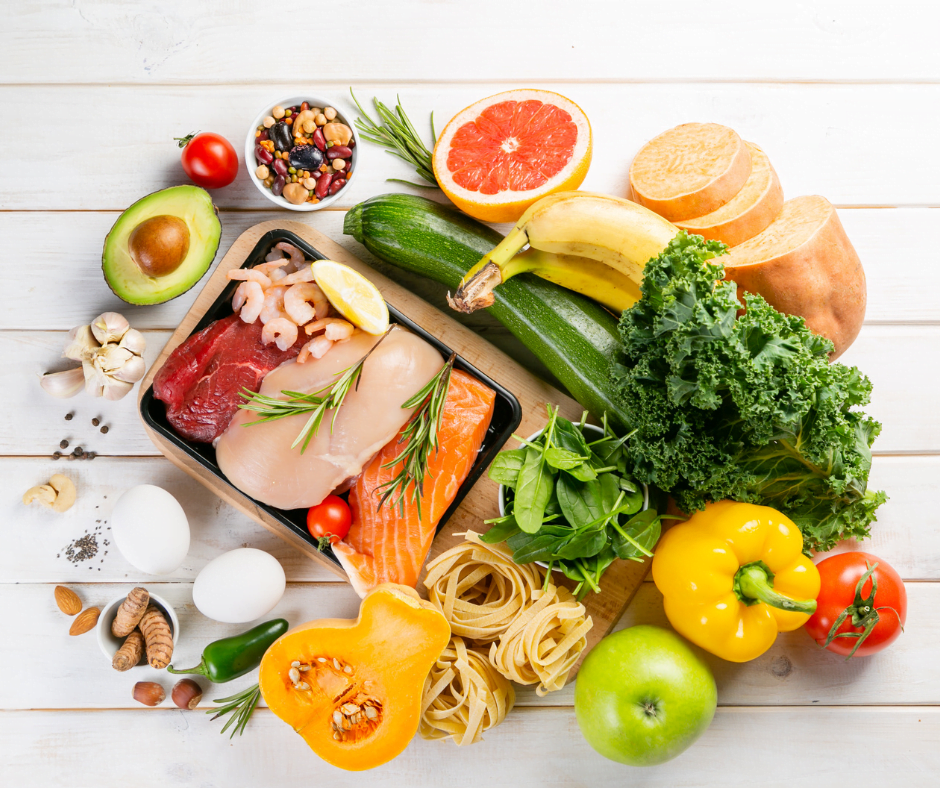
Eating well with diabetes means building meals that help keep blood glucose in your target range while still fitting your appetite, culture, budget, and medicines. It is not a special diet or a short list of perfect foods. The practical goal is to pair higher-fiber carbohydrates with protein, non-starchy vegetables, and healthy fats, then keep portions and timing consistent enough to notice patterns.
Why this matters: food affects glucose after meals, but it also influences cholesterol, blood pressure, weight, energy, and how diabetes medicines fit your day. A useful plan should feel structured, not punitive.
Key Takeaways
- There is no single miracle food for diabetes management.
- The plate method is a simple starting point for balanced meals.
- Total carbohydrate, fiber, serving size, and timing all matter.
- Meals should fit your medicines, schedule, appetite, and glucose patterns.
- Eating well with diabetes works best with repeatable, flexible routines.
For broader condition reading, the Diabetes Articles collection groups related posts in one place.
What Eating Well With Diabetes Means Day to Day
The healthiest eating pattern for diabetes is usually a steady meal structure, not one “best” food. Most adults do well by emphasizing vegetables, minimally processed protein foods, high-fiber carbohydrates, mostly unsaturated fats, and water or unsweetened drinks. The exact mix should be adjusted with your care team, especially if you use insulin or other glucose-lowering medicines.
This approach also answers common food myths. No fruit cures type 2 diabetes. No single food automatically ruins a plan. Sugar-sweetened drinks and very large refined-carbohydrate portions can raise glucose quickly, so they deserve extra attention. Still, the bigger picture is your usual pattern over days and weeks.
People often ask for the “best diet” for diabetes. A Mediterranean-style pattern, a higher-fiber balanced diet, or a carefully planned lower-carbohydrate pattern may each fit some people. The safer question is: which pattern can you repeat, monitor, and adjust without causing lows, nutrient gaps, or stress around food? For one evidence-informed eating pattern, see Mediterranean Diet and Diabetes.
Insulin resistance, weight changes, sleep, stress, and physical activity can also affect food response. That means two people can eat the same meal and see different glucose readings. Your glucose meter or continuous glucose monitor can help identify your own patterns, but it should not be used to judge meals as “good” or “bad” in isolation.
Use the Plate Method Before Counting Every Gram
The plate method gives a visual structure without requiring detailed math at every meal. A common version uses half the plate for non-starchy vegetables, one quarter for protein, and one quarter for carbohydrate foods such as whole grains, beans, lentils, starchy vegetables, fruit, or milk products.
This method works best when the plate reflects a real meal, not just separate food groups. A stir-fry, stew, salad bowl, breakfast plate, or leftovers box can all follow the same logic. If you prefer cultural mixed dishes, think about the main ingredients and how much plate space they take.
- Vegetable base: leafy greens, broccoli, peppers, mushrooms, zucchini, cabbage, or green beans.
- Protein portion: fish, poultry, eggs, tofu, plain yogurt, lean meats, beans, or lentils.
- Carbohydrate choice: oats, brown rice, quinoa, potatoes, corn, beans, fruit, or whole-grain bread.
- Fat and flavour: olive oil, avocado, nuts, seeds, herbs, spices, salsa, lemon, or vinegar.
Quick tip: Build the plate before adding sauces, snacks, or second servings.
Plate Method Examples for Breakfast
Breakfast can use the same pattern. Eggs with vegetables plus fruit, plain yogurt with berries and nuts, oats with seeds, or leftovers from dinner can all work. The key is combining carbohydrate with protein, fiber, or healthy fat so the meal is more balanced.
If oatmeal is a regular breakfast, portions and toppings matter. Plain oats with nuts, seeds, or berries are different from sweetened instant packets with large add-ins. For more detail, see Oatmeal and Diabetes.
A Practical Diabetes Food List
A useful diabetes food list should show what often fits, what needs portion awareness, and what is best saved for smaller or occasional servings. It should not create a rigid “forbidden” list. Eating well with diabetes is easier when you can build meals from familiar foods.
- Non-starchy vegetables: salad greens, cucumbers, tomatoes, carrots, cauliflower, asparagus, onions, and green beans.
- Higher-fiber starches: oats, barley, quinoa, beans, lentils, chickpeas, sweet potatoes, and whole-grain breads.
- Fruit: berries, apples, oranges, pears, peaches, and other whole fruits in planned portions.
- Protein foods: fish, poultry, eggs, tofu, tempeh, beans, lentils, plain Greek-style yogurt, and lean meats.
- Fats: nuts, seeds, olive oil, avocado, and other mostly unsaturated fat sources.
- Drinks: water, unsweetened tea, coffee without sugary add-ins, and other low-sugar choices.
Starchy foods do not need to disappear. Rice, potatoes, pasta, bread, corn, and fruit can fit for many people when portions are planned and the rest of the meal slows digestion. If rice is a frequent food in your household, Rice and Diabetes reviews practical portion and pairing ideas.
Some people also use diabetes-specific nutrition drinks when appetite is low or meals are difficult. These products should not replace individualized advice, especially for kidney disease, weight changes, or medication-related lows. If you are comparing options, Glucerna 1.2 Cal Vanilla is a product page for nutrition details and access context.
How to Read Labels for Carbs, Fiber, and Servings
Food labels are most useful when you start with serving size. The carbohydrate number on a label only applies to the listed serving, not always the amount you actually eat. A bag, bottle, or container may hold two or more servings.
For diabetes meal planning, total carbohydrate is usually more helpful than sugar alone. Total carbohydrate includes starches, fruit sugars, milk sugars, added sugars, and some other carbohydrate types. Fiber also matters because higher-fiber foods often digest more slowly than low-fiber refined grains or sweets.
Look at these label details together:
- Serving size: compare it with your real portion.
- Total carbohydrate: use this for carb awareness.
- Fiber: higher amounts may support fullness.
- Added sugars: limit frequent high-sugar choices.
- Sodium: watch this if blood pressure is a concern.
When a label gives total carbohydrate for the whole package, a carb serving calculator can help divide it into practical servings. It is a math aid only; it does not set your personal carbohydrate target.
Carb Serving Calculator
Convert total carbohydrate grams into carb choices for meal planning and diabetes education.
These calculations are for education only and do not replace clinical advice, diagnosis, or treatment. Always confirm medical decisions with a qualified healthcare professional.
If you count carbohydrates, ask your clinician or registered dietitian what range fits your medicines, activity, kidney health, weight goals, and glucose patterns. Targets can differ widely, especially for people using mealtime insulin.
Meal Timing, Snacks, and the 3-Hour Rule
There is no universal rule that everyone with diabetes must eat every 3 hours. Some people feel better with regular meals and planned snacks. Others do well with three meals and no snacks. The right pattern depends on glucose readings, appetite, activity, work schedule, and medication type.
Meal timing becomes more important if you use insulin or medicines such as sulfonylureas, which can contribute to hypoglycemia (low blood sugar). Missed meals, delayed meals, alcohol, unusual exercise, or smaller-than-usual carbohydrate portions may increase low-glucose risk for some people.
Planned snacks can be useful when they prevent long gaps, support physical activity, or reduce medication-related lows. They can also add extra calories and carbohydrates when used out of habit. For balanced snack ideas, see Healthy Snacking.
If you have repeated lows, overnight lows, frequent high readings, or wide swings after meals, ask your clinician before changing meal timing or carbohydrate intake. Bring glucose logs, medication times, typical meals, and activity notes to the appointment.
Realistic Meal Ideas Without a Strict 7-Day Plan
A sustainable plan for eating well with diabetes should include foods you can repeat. Diabetes recipes are most useful when they teach a pattern, not when they require expensive ingredients or complicated cooking. Think in meal formulas: protein, vegetable, high-fiber carbohydrate, flavour, and a portion you can track.
A fixed 7-day diet plan can help some beginners learn structure, but it may not fit your schedule, culture, appetite, or medicines. A better starting point is to choose two breakfasts, two lunches, and three dinners you can rotate. Then compare glucose patterns after similar meals.
Simple Dinner Formulas
- Fish plate: grilled fish, roasted vegetables, barley, and lemon.
- Bean chili: beans, tomatoes, peppers, lean protein, and salad.
- Tofu stir-fry: tofu, mixed vegetables, brown rice, and low-sugar sauce.
- Lentil soup: lentils, vegetables, olive oil, and a side salad.
- Turkey wraps: lettuce wraps, vegetables, yogurt sauce, and fruit.
Budget-friendly planning can be simple. Frozen vegetables, canned beans, lentils, eggs, plain yogurt, canned fish, oats, and seasonal fruit can support easy cheap diabetic meals without relying on specialty products.
If you want a more visual framework beyond the plate method, Diabetes Food Pyramid explains another way to group foods. Use it as a planning tool, not a strict rulebook.
Foods to Limit Without Creating a Forbidden List
Most people do better with a limit list than a forbidden list. Strict rules can make meals stressful and may lead to all-or-nothing eating. A more useful approach is to identify foods that tend to raise glucose quickly or make portions harder to manage.
Sugar-sweetened drinks are a common example because liquid carbohydrates can be absorbed quickly and do not provide much fullness. Large servings of sweets, sweetened cereals, pastries, chips, fries, white bread, and low-fiber snack foods can also make glucose harder to predict.
Alcohol also needs caution because it can affect glucose and judgment, especially when combined with insulin or other glucose-lowering medicines. If you drink, ask your care team how alcohol fits with your medications and meal pattern.
The “worst” food for blood sugar is rarely one universal item. The bigger issue is a frequent pattern of large, low-fiber carbohydrate portions, sugary drinks, and little protein or vegetables. Portion size, timing, and what you eat with the carbohydrate often matter as much as the food name.
When Food Choices Need Medical Review
Food advice should become more individualized when diabetes is harder to manage or when another condition changes nutrition needs. Repeated hypoglycemia, frequent hyperglycemia (high blood sugar), pregnancy, kidney disease, gastroparesis (delayed stomach emptying), eating disorders, or major weight loss efforts all deserve clinician or registered dietitian input.
Medications can also change appetite and meal tolerance. Some people using GLP-1 receptor agonists or related medicines report nausea or early fullness. Insulin and sulfonylureas can make missed meals riskier. Do not stop, start, or adjust medication doses based only on a meal plan you read online.
Get urgent medical help for severe symptoms such as confusion, fainting, chest pain, trouble breathing, signs of dehydration, or inability to keep fluids down. These symptoms need prompt evaluation, not nutrition troubleshooting.
If you need to browse diabetes-related products or condition pages, the Diabetes Condition page and Diabetes Product Category page are navigation resources. They do not replace medical meal planning.
Authoritative Sources
- The American Diabetes Association healthy eating guidance explains plate method basics and food group choices.
- The CDC diabetes healthy eating resource outlines portions, timing, and blood sugar goals.
- The Mayo Clinic diabetes diet resource reviews meal planning and regular mealtimes.
In practice, eating well with diabetes means building meals you can understand, repeat, and adjust with your care team. Start with the plate method, review food labels, watch carbohydrate portions, and use glucose patterns to guide better questions rather than blame.
This content is for informational purposes only and is not a substitute for professional medical advice.


