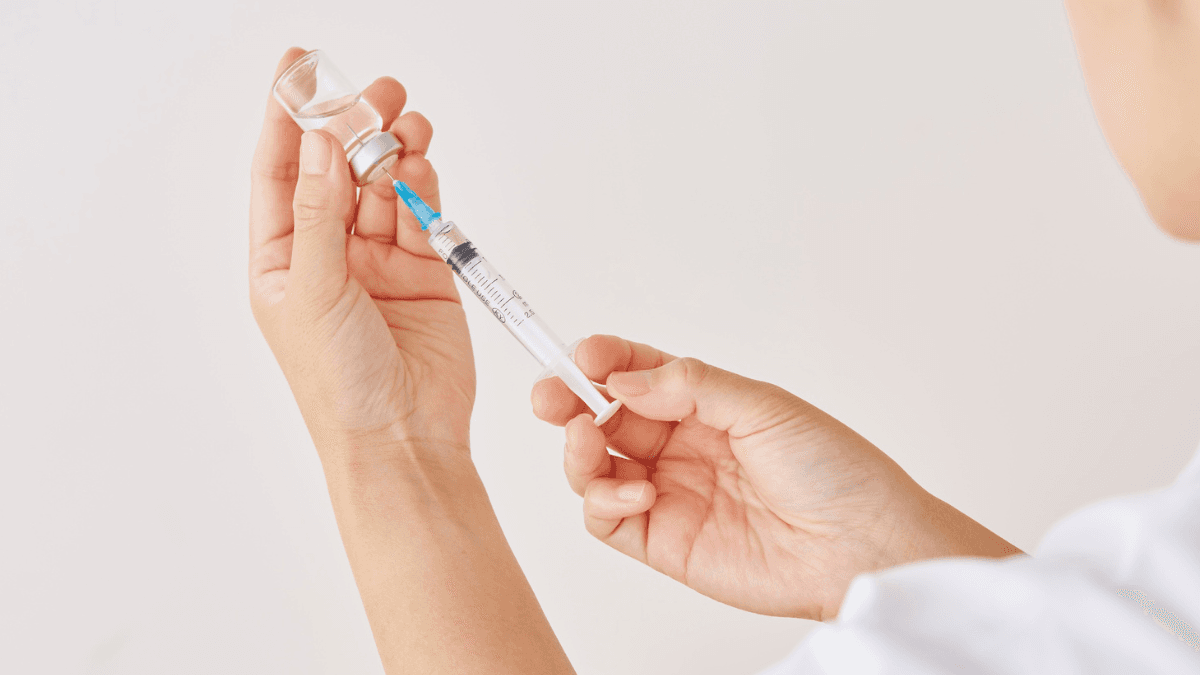
Use glucagon when a person with diabetes has severe hypoglycemia, cannot swallow safely, is unconscious, or is having a seizure. Knowing how to use glucagon injection kit before an emergency helps caregivers act quickly, mix the medicine correctly, give the injection, and reduce choking risk while waiting for emergency help.
Glucagon is a hormone that signals the liver to release stored glucose. It is not a substitute for food, routine low-blood-sugar treatment, or emergency medical care. It is for situations where oral carbohydrate is unsafe or not possible.
Key Takeaways
- Act quickly when severe low blood sugar makes swallowing unsafe.
- Call emergency services after giving glucagon, even if recovery starts.
- Mix the powder and diluent fully before using traditional kits.
- Inject into the thigh, upper arm, buttock, or other labeled site.
- Keep the person on their side because nausea or vomiting can occur.
When a Glucagon Injection Is Needed
Use an emergency glucagon injection kit when low blood sugar is severe enough that the person cannot reliably take glucose by mouth. This includes unconsciousness, seizure activity, extreme confusion, combativeness, or an inability to swallow without choking.
Milder lows are usually treated with fast-acting carbohydrate if the person is awake and able to swallow. For a broader safety review, see What To Do When Blood Sugar Is Low. Early symptoms may include sweating, shaking, hunger, pallor, anxiety, blurred vision, and sudden behavior changes. These warning signs are covered in more detail in Symptoms Of Low Sugar Levels.
If seizure-like movements occur, do not put food, drink, or fingers in the person’s mouth. Move nearby hazards away, place the person on their side if possible, and start the glucagon steps. If another adult is present, assign that person to call emergency services while you prepare the kit.
Why it matters: Severe hypoglycemia can worsen quickly, and swallowing attempts can cause choking.
Before You Inject: Check the Kit and Prepare the Person
Traditional glucagon kits usually contain a vial of dry powder and a syringe prefilled with sterile diluent. Some kits may look different, so caregivers should review the exact device before an emergency occurs. Keep the instruction leaflet with the kit and replace supplies before expiry.
In an emergency, make a fast safety check. Confirm the kit is not expired if you can do so without delaying care. Look for damaged packaging, discolored powder, or particles after mixing. If the mixed solution remains cloudy or contains visible particles, follow the product instructions and use another available device if one exists.
Position the person on their side before or immediately after the injection. This helps lower aspiration risk if vomiting occurs. Loosen tight clothing if needed and expose an injection site when practical. If clothing cannot be removed quickly, follow the emergency instructions for the device and prioritize prompt treatment.
Storage matters before the emergency happens. Keep glucagon where trained caregivers can find it, not locked away or hidden among unrelated supplies. For general principles that also apply to many diabetes products, review Insulin Storage Temperature. Store each product according to its own label, since temperature limits can vary.
How to Use Glucagon Injection Kit Step by Step
The basic steps are call, position, mix, draw up, inject, and monitor. These glucagon emergency kit instructions apply to many traditional powder-and-diluent kits, but you should follow the instructions supplied with the specific product in your hand.
- Call emergency services, or ask someone nearby to call.
- Place the person on their side to reduce choking risk.
- Remove the cap from the vial and the needle cover from the syringe.
- Insert the needle through the rubber stopper on the vial.
- Push all diluent from the syringe into the vial.
- Gently swirl until the powder dissolves and the solution looks clear.
- Draw the labeled dose back into the syringe, as instructed.
- Choose a recommended injection site and insert the needle at 90 degrees.
- Press the plunger steadily, remove the needle, and apply light pressure.
Do not shake the vial hard. Gentle swirling helps dissolve the powder without creating foam that can make the dose harder to see. If you are unsure whether the whole dose was given, do not guess or repeat doses without following the label and emergency guidance.
Caregivers often hesitate because the steps feel unfamiliar. Practice with a trainer device if available. If no trainer is available, ask the diabetes care team or pharmacist to demonstrate with non-active supplies. Rehearsal helps you remember how to administer glucagon injection when stress is high.
Injection Sites, Route, and Practical Technique
Glucagon injection sites commonly include the outer thigh, upper arm, or buttock, depending on the kit instructions. Some labels allow intramuscular (into muscle) or subcutaneous (under the skin) injection. Follow the product’s directions rather than trying to choose a route based on preference.
Insert the needle straight in at about a 90-degree angle unless the product instructions say otherwise. Use a firm, controlled motion. Press the plunger all the way down, then withdraw the needle and place it safely where no one will be stuck.
Technique is simpler than many people expect. You do not need to locate a vein. You also do not need perfect conditions before acting. If time allows, clean the site with an alcohol swab. If the person is unresponsive, the priority is prompt dosing and calling emergency services.
People who already use injectable diabetes medicines may recognize similar site principles. For background on injection areas, see Where To Inject Insulin. For broader injection setup concepts, Ways Of Administering Insulin may help caregivers understand needles, sites, and routine preparation. These resources do not replace glucagon product instructions.
After the Injection: Monitoring and Food
After glucagon, keep the person on their side and monitor breathing, alertness, and symptoms. Emergency medical help should still be contacted because the low can return, vomiting can occur, or the original cause may need evaluation.
When the person is awake enough to swallow safely, give fast-acting carbohydrate as directed in the person’s diabetes action plan. This may be followed by a longer-acting snack or meal if recommended by their care team. Do not give food or drink to someone who is drowsy, confused, vomiting, or not swallowing normally.
Check glucose as soon as practical and keep checking during the recovery period. Some readers track glucose in mmol/L, while others use mg/dL. This converter can help compare units when reviewing readings with a caregiver or clinician; it does not provide treatment advice.
Blood Glucose Unit Converter
Convert glucose readings between mg/dL and mmol/L without changing the clinical value.
These calculations are for education only and do not replace clinical advice, diagnosis, or treatment. Always confirm medical decisions with a qualified healthcare professional.
Write down what happened. Include the time symptoms started, the glucose reading if known, when glucagon was given, food or alcohol intake, recent exercise, insulin timing, and how long recovery took. These details help the care team adjust prevention strategies without relying on memory.
Quick tip: Keep a one-page emergency plan beside the kit and update it after clinic visits.
Side Effects, Cautions, and When to Seek Urgent Help
Common glucagon injection side effects include nausea, vomiting, headache, and temporary changes in heart rate or blood pressure. These effects are one reason side positioning matters. They do not mean the injection was given incorrectly.
Seek emergency help after every severe hypoglycemia event treated with glucagon. Also seek urgent care if the person does not wake, has repeated vomiting, has trouble breathing, has another seizure, or remains confused after glucose improves. Recurrent lows may signal a medication, meal, illness, alcohol, or activity issue that needs clinical review.
Glucagon may not work as expected when liver glycogen stores are low, such as after prolonged fasting, heavy alcohol use, or some severe illnesses. Certain rare conditions, including pheochromocytoma or insulinoma, require specific medical caution. People with known complex conditions should ask their clinician how glucagon fits into their emergency plan.
No article can predict exactly how much 1 mg of glucagon will raise blood sugar in one person. The response can vary with liver glycogen, recent food intake, alcohol, illness, and diabetes medicines. Use glucose checks and emergency assessment rather than assuming a fixed rise.
Training, Storage, and Planning Ahead
Glucagon emergency kit training should include anyone likely to be present during a severe low. This may include family, roommates, school staff, coaches, coworkers, or travel companions. The person at risk should not be the only one who knows where the kit is kept.
Use short, repeated practice sessions. Show caregivers where the kit is stored, how to call for help, how to position the person, and how to identify the injection sites. Review the steps after a kit change, because nasal products, auto-injectors, prefilled syringes, and powder kits may use different procedures.
Keep glucagon in consistent places. Many households use one location at home and one travel location, such as a diabetes supply bag. Avoid separating the vial, syringe, and instructions. If the kit is used, expired, dropped, or exposed outside labeled storage conditions, replace it according to the product guidance.
People living with type 1 diabetes often build glucagon into school, workplace, and exercise plans. The Type 1 Diabetes Articles collection can help readers browse related education. For broader diabetes topics, the Diabetes Articles collection provides additional reading paths.
Some readers also compare device options with their healthcare team. Traditional kits require mixing. Other products may be ready-to-use, nasal, or pen-like. The best option depends on age, caregiver confidence, access, prescription status, and the product label. CanadianInsulin.com is a prescription referral platform, and where required, prescription details may be confirmed with the prescriber while licensed third-party pharmacies handle dispensing where permitted.
Common Errors to Avoid
Most glucagon mistakes happen because people are scared and rushed. A short routine can prevent many of them. Practice the actual sequence: call, side position, mix if required, inject, monitor, and give oral carbohydrate only after safe swallowing returns.
- Waiting too long: use glucagon when swallowing is unsafe.
- Skipping the call: emergency care is still needed.
- Forgetting to mix: traditional kits need full reconstitution first.
- Shaking hard: foam can make the dose harder to see.
- Giving food early: never feed an unconscious person.
- Hiding the kit: caregivers must find it quickly.
Label the storage spot clearly. Add the emergency number, the person’s diabetes team contact, and any individualized instructions from the care plan. For children, schools and activity leaders should know who is trained and where the kit stays during the day.
Authoritative Sources
For official labeling and instructions, review the FDA glucagon prescribing information. It explains indications, administration, warnings, and caregiver steps for glucagon for injection.
The American Diabetes Association also provides patient education on how to use glucagon, including emergency recognition and caregiver preparation.
For standards on hypoglycemia planning and glucagon access, see the ADA Standards of Care.
Recap
Severe hypoglycemia is a medical emergency. Glucagon can help when a person cannot swallow, but caregivers need to know the kit before the crisis. Review the device, store it where trained people can find it, and call emergency services after use.
After any glucagon event, discuss the episode with the diabetes care team. The goal is to understand the trigger, reduce future risk, and update the written emergency plan.
This content is for informational purposes only and is not a substitute for professional medical advice.