
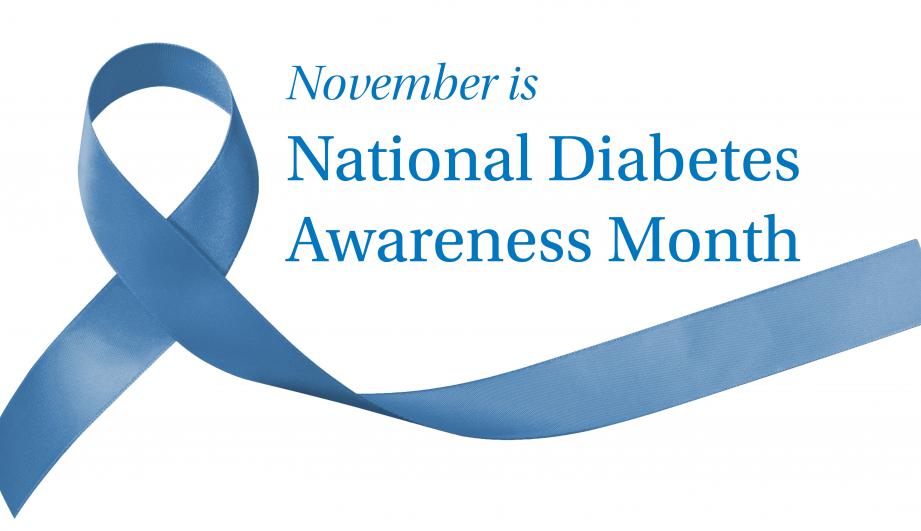
Diabetes Awareness Month takes place every November and focuses public attention on prevention, screening, daily management, and support. This November Guide to Diabetes Awareness Month: Colors, Facts, Actions explains the blue symbols, core facts, and practical steps that help communities educate without stigma. Use it to plan respectful messages for patients, caregivers, schools, clinics, and workplaces.
Key Takeaways
- Blue is the main color used for diabetes awareness.
- November campaigns often align with National Diabetes Month and World Diabetes Day.
- Facts should promote screening, support, and myth correction without blame.
- Activities work best when each one has one clear next step.
- Type 1, type 2, and prediabetes need distinct, balanced messaging.
Diabetes Awareness Month in November: The Basics
Diabetes Awareness Month is a public health observance that helps communities talk about diabetes clearly and respectfully. In the United States, November is often called National Diabetes Month. The month also includes World Diabetes Day on November 14, which gives local campaigns a global anchor.
Why this matters: diabetes can affect the heart, kidneys, eyes, nerves, and daily quality of life. Awareness efforts can help people recognize signs such as unusual thirst, frequent urination, fatigue, blurred vision, slow-healing wounds, or unexplained weight changes. They also remind people that glycemic control (blood sugar management) is only one part of care.
Use plain language beside clinical terms. For example, define A1C as a lab measure that reflects average blood sugar over several months. Explain hypoglycemia as low blood sugar. This keeps messages useful for both newly diagnosed people and long-term patients.
CanadianInsulin.com operates as a prescription referral platform.
Colors, Ribbons, and the Blue Circle
The diabetes awareness month color is most often blue. Many groups use blue clothing, blue lights, blue ribbons, or blue graphics during November. The blue circle diabetes symbol is widely used internationally and represents unity, health, and shared support for people affected by diabetes.
The blue diabetes awareness ribbon is also common, but ribbon designs vary. Some include different shades of blue or added details. If someone asks about the diabetes ribbon color type 2, the safest answer is that blue remains the main awareness color; there is not one universally required separate ribbon color for type 2 diabetes.
| Visual Cue | Common Use | Planning Note |
|---|---|---|
| Blue circle | Global diabetes symbol | Use strong contrast and clear captions. |
| Blue ribbon | Local events and pins | Keep designs simple and readable. |
| Blue clothing or lights | World Diabetes Day visibility | Add context so the color has meaning. |
| Type-specific labels | Type 1 or type 2 education | Avoid implying one type deserves more support. |
Accessibility matters. Check color contrast before printing posters or posting social tiles. Add alt text to images, captions to videos, and plain-text versions of infographics. A campaign should still work for people with low vision or color vision deficiency.
Facts to Share Without Creating Stigma
Diabetes awareness month facts should help people act, not feel blamed. Type 1 diabetes usually involves autoimmune destruction of insulin-producing cells. Type 2 diabetes often involves insulin resistance and changes in insulin production over time. Prediabetes means blood sugar is higher than expected, but not in the diabetes range.
Good messaging separates risk from fault. Family history, age, pregnancy history, medications, access to care, sleep, stress, nutrition, and activity can all affect diabetes risk or management. When discussing treatment, avoid implying that one medication, food, or device works the same way for everyone. For a neutral review of treatment categories, see Common Diabetes Medications.
It also helps to explain the difference between insulin resistance and insulin deficiency. The two can overlap, but they are not the same process. For deeper background, read Insulin Resistance vs Insulin Deficiency.
Popular Questions That Need Careful Answers
- Single food claims: no single fruit reliably lowers A1C by itself.
- Five C framework: the 5 Cs of diabetes are not one universal clinical standard.
- Low blood sugar: quick-acting carbohydrates are often used first; fat and protein can slow absorption.
- Prevention messages: focus on screening, support, and realistic routines.
- Symptom prompts: encourage evaluation without diagnosing people in public settings.
Why it matters: Accurate wording helps people seek screening without shame.
Actions and Activities That Help People Learn
Diabetes awareness month activities work best when they are brief, practical, and tied to one action. People remember a simple next step better than a long list of warnings. Choose activities that fit the setting, such as a workplace break room, school hallway, clinic lobby, faith community, or online newsletter.
- Wear blue: explain what the color represents.
- Host a short talk: define A1C, symptoms, and screening.
- Create a myth board: correct common food and insulin myths.
- Share caregiver tips: cover support without taking control.
- Demonstrate devices: explain meters, pens, pumps, and CGMs generally.
- Promote screening: share who should ask about risk testing.
- Offer story prompts: let patients describe support that helps.
- Post one action: book an eye exam, learn hypoglycemia signs, or review supplies.
If your team asks how to raise diabetes awareness, start with the audience. Patients may need practical self-management language. Caregivers may need guidance on listening, reminders, and emergency planning. Schools may need age-appropriate symptom and safety education. Workplaces may need stigma-free policies for breaks, food, and monitoring.
For campaign timing, National Diabetes Education Week offers useful education angles. Screening messages can also draw from Diabetes Alert Day. If your event includes devices, review Understanding Diabetes Tech. For emotional support, include resources such as Diabetes Burnout.
Quick tip: Match every poster, talk, or post to one clear learning goal.
Type 1, Type 2, and Prediabetes Need Different Messaging
Type 1 diabetes awareness should not sound the same as type 2 diabetes awareness. Type 1 messaging often highlights early symptoms, insulin dependence, hypoglycemia preparation, school planning, and technology access. Type 2 messaging often highlights screening, heart and kidney risk, medication literacy, nutrition support, movement, and long-term follow-up.
Prediabetes awareness needs careful wording. Avoid fear-based language. Explain that screening can help people understand risk and discuss prevention steps with a clinician. Some people may focus on food patterns, activity, sleep, weight, or medication discussions. Others may need help accessing follow-up care.
The goal is balanced visibility. Do not describe type 2 diabetes as a personal failure, and do not describe type 1 diabetes as the only serious form. Both can require daily planning. Both can affect mental health. Both deserve practical support.
A Practical November Calendar
A simple calendar keeps November outreach steady. It also prevents teams from posting everything in the first week and losing momentum. Use weekly themes, then repeat the same message across posters, newsletters, staff meetings, and social media.
Sample Weekly Pacing
- Week 1: explain diabetes types, symptoms, and screening.
- Week 2: highlight World Diabetes Day November 14 and blue symbols.
- Week 3: connect diabetes with eye, heart, kidney, and nerve health.
- Week 4: focus on caregivers, burnout, and year-round support.
Heart-health content can fit well in the third week because diabetes and cardiovascular risk often overlap. For that angle, see National Diabetes Heart Connection Day. Keep the tone practical rather than alarming. A good message might encourage people to ask about blood pressure, cholesterol, kidney tests, and eye exams during routine visits.
Safety, Screening, and Whole-Body Health
Safety messages should be clear without turning a campaign into medical advice. Encourage people to discuss screening, symptoms, lab results, medication questions, and complications with their healthcare professional. Avoid public guessing about someone’s diagnosis or treatment plan.
Monitoring education can include what blood glucose meters, lancets, and continuous glucose monitors are used for, without giving individualized targets. For safer supply discussions, review Lancets for Blood Sugar Testing. If a session covers severe low blood sugar, the general role of rescue glucagon can be introduced with resources such as How to Use Glucagon.
Whole-body health belongs in diabetes awareness campaign ideas. Eye exams can help detect diabetic eye disease early. Kidney tests can identify changes before symptoms appear. Foot care can reduce injury risk. Heart and blood vessel health should stay visible, especially for people with type 2 diabetes or long-standing diabetes. For medication-class context, SGLT2 Inhibitors Heart Kidney Care explains why some therapies are discussed beyond glucose alone.
When required, prescription details may be confirmed with the prescriber.
Planning Assets and Messages Responsibly
Strong diabetes awareness month ideas are easy to reuse and update. Create a small folder with approved posters, social media tiles, slide templates, handouts, and plain-text captions. Add the date, source, and owner to each file. This prevents old statistics or outdated wording from circulating again next year.
Keep visuals inclusive. Use people of different ages, body types, cultures, and diabetes experiences. Avoid images that shame food choices or body size. If you share a diabetes ribbon tattoo idea, make it clear that tattoos are personal and permanent. Temporary stickers, bracelets, pins, and blue clothing can be better options for short-term events.
Messages should also avoid medical promises. Do not claim that one activity, food, supplement, or technology will prevent complications. Instead, use cautious wording such as may help, can support, or ask your healthcare professional. Licensed third-party pharmacies handle dispensing and fulfillment where permitted.
Authoritative Sources
- For U.S. observance context, review the NIDDK National Diabetes Month page.
- For global diabetes burden and complications, see the WHO Diabetes Fact Sheet.
Further Reading and Recap
Diabetes Awareness Month is most useful when symbols, facts, and actions work together. Blue visuals create recognition. Careful facts reduce stigma. Practical activities help people take the next step, whether that means asking about screening, learning low blood sugar signs, supporting a loved one, or preparing questions for a visit.
For year-round education, browse our Diabetes Articles. Keep your November plan simple, sourced, and people-first.
This content is for informational purposes only and is not a substitute for professional medical advice.


