


Phentermine uses are mainly limited to short-term weight management in adults with obesity, alongside nutrition changes, physical activity, and behavior support. It is an appetite suppressant, not a stand-alone fat-burning medicine. That distinction matters because results depend on sustained eating patterns, activity, sleep, and medical monitoring.
Brand names include Adipex-P and Lomaira, and generic versions are also available. This article explains how phentermine fits into obesity care, what dosing forms mean, why side effects require attention, and which alternatives may be worth discussing with a clinician.
Key Takeaways
- Primary use: Short-term support for weight management.
- Main effect: Appetite suppression, not direct fat burning.
- Dosing varies: Labels describe different strengths and schedules.
- Safety matters: Blood pressure, sleep, mood, and heart symptoms need monitoring.
- Alternatives exist: Non-stimulant weight-management medicines may fit some patients better.
Where Phentermine Fits in Weight Management
Phentermine is used as an adjunct, meaning it supports a broader care plan rather than replacing it. Clinicians typically consider it for adults who meet body mass index criteria for obesity, or for some adults with excess weight and weight-related risk factors. The label also emphasizes reduced-calorie eating and increased activity.
BMI is only one screening measure, but it often starts the eligibility discussion. Waist circumference, blood pressure, glucose history, sleep apnea, cardiovascular risk, and medication history may also matter. A clinician may avoid phentermine in people with certain heart conditions, uncontrolled hypertension, hyperthyroidism, glaucoma, or a history of drug misuse.
The calculator below can help estimate BMI from height and weight. It does not decide whether phentermine is appropriate or replace clinical assessment.
BMI Calculator
Estimate adult body mass index from height and weight, with metric and imperial units.
These calculations are for education only and do not replace clinical advice, diagnosis, or treatment. Always confirm medical decisions with a qualified healthcare professional.
Why it matters: Eligibility is not based on weight alone; risk factors and contraindications can change the decision.
Some readers ask whether phentermine is used for anything besides weight loss. In routine prescribing, its approved role is weight reduction as part of a short-term plan. Other uses should not be assumed unless a qualified prescriber explains the reason and the evidence behind it.
How Phentermine Works in the Body
Phentermine works mainly by reducing appetite through stimulant-like effects in the central nervous system. It is a sympathomimetic amine, a drug type that can increase norepinephrine signaling. In plain terms, it may make hunger cues feel less intense for some people.
This effect answers a common question: does phentermine burn fat or just suppress appetite? It primarily suppresses appetite. Fat loss can occur only when the overall plan creates a calorie deficit over time. The medicine may help some people eat less, but it does not bypass nutrition, movement, or sleep habits.
Phentermine is a stimulant-like medication, so some effects resemble other stimulants. That does not mean it is the same as amphetamine products used for attention-deficit conditions. Different medicines have different approved uses, dosing, risks, and monitoring needs. Avoid comparing or combining stimulant medicines without prescriber input.
The brain-related effects can include alertness, reduced hunger, restlessness, or trouble sleeping. Some people also report irritability or mood changes. These effects are one reason clinicians often recommend morning dosing when the label and prescription allow it.
Dosing Forms: Adipex-P, Lomaira, Tablets, and Capsules
Phentermine comes in several oral forms, including tablets and capsules. Adipex-P and Lomaira are two brand examples, while generic products are also common. Labels describe specific strengths and administration instructions, but the right regimen depends on the product, the person, and the prescriber’s plan.
Many people recognize phentermine 37.5 mg because it is a common strength for some products. Lower-strength options may allow different timing or titration approaches. Questions such as “can I take phentermine 37.5 mg twice a day” or “is 75 mg of phentermine too much” should be directed to the prescriber, because higher-than-labeled or unsupervised dosing can increase harm.
Phentermine tablets may be easier to split when a product is scored and the prescriber approves splitting. Capsules may be easier for some people to swallow. Do not crush, open, or split a product unless the prescriber or pharmacist confirms that it is appropriate for that exact medicine.
Storage and routine also affect safe use. Keep the medicine in its original container, away from children and anyone for whom it was not prescribed. If you are comparing related therapies or devices, the Weight Management Products collection can provide a neutral view of available product categories.
What to Expect During a Short-Term Trial
Early changes usually reflect appetite control, meal consistency, and fluid shifts more than guaranteed fat loss. Some people notice less hunger within the first days, while others find side effects limit use. Scale changes after one or two weeks vary widely and should be interpreted cautiously.
Clinicians often reassess benefit, tolerability, blood pressure, pulse, sleep, and adherence to the lifestyle plan. A medication trial is not only about weight change. It is also about whether the treatment can be used safely and whether it helps the person follow a sustainable plan.
Tracking can make follow-up visits more useful. Consider recording appetite, sleep quality, blood pressure readings if advised, constipation, dry mouth, mood changes, and missed doses. Waist circumference and clothing fit may add context, but they should not replace medical monitoring.
Reviews and personal stories can be encouraging, but they often leave out key details. Starting weight, diet changes, other medicines, health conditions, sleep, and follow-up care all influence results. Treat phentermine reviews as anecdotal, not as a prediction of your own response.
Side Effects, Interactions, and Warning Signs
Phentermine side effects commonly include dry mouth, insomnia, restlessness, constipation, faster heart rate, and increased blood pressure. Some people experience headache, tremor, anxiety, or mood changes. These effects are often manageable only when they are recognized early and discussed with a clinician.
Serious symptoms need prompt medical attention. Seek urgent care for chest pain, fainting, severe shortness of breath, new swelling in the legs, severe headache, one-sided weakness, confusion, or signs of a serious allergic reaction. People with a history of heart rhythm problems or significant cardiovascular disease need careful review before use.
Interactions are important. Phentermine should not be used with monoamine oxidase inhibitors, also called MAOIs, because dangerous blood pressure reactions can occur. Caution is also needed with other stimulants, some antidepressants, alcohol, and medicines that raise heart rate or blood pressure. Always share prescription drugs, over-the-counter products, and supplements with the prescriber.
Pregnancy and breastfeeding require special caution. Weight-loss medicines are generally not used during pregnancy, and people who could become pregnant should discuss contraception and pregnancy plans before starting therapy. If pregnancy occurs during treatment, contact the prescriber promptly for individualized guidance.
For broader safety context, Discontinued Weight Loss Drugs reviews how safety lessons have shaped modern monitoring. If you are considering combination treatment, Phentermine and Semaglutide explains key questions to raise with a clinician.
Sex-Specific and Personal Risk Factors
Phentermine side effects in females may include the same stimulant-related symptoms seen in males, but reproductive health adds extra considerations. Pregnancy avoidance, breastfeeding status, migraine patterns, menstrual changes, and anxiety history may influence monitoring. These factors should be discussed before and during treatment.
For males, clinicians still focus on cardiovascular risk, sleep disruption, irritability, and possible changes in libido or mood. Blood pressure, pulse, sleep apnea, stimulant sensitivity, and alcohol use can affect tolerability in any sex. The safest plan is individualized rather than based on sex alone.
People with diabetes, hypertension, thyroid disease, glaucoma, kidney disease, or psychiatric conditions should have the full medication plan reviewed. Weight changes can also affect glucose and blood pressure treatment needs. Do not adjust other medicines without clinician guidance.
Alternatives and Combination Strategies to Discuss
Phentermine is not the only medication approach for obesity care. Some people need non-stimulant options because of blood pressure, anxiety, insomnia, cardiovascular history, or poor tolerability. Others may need longer-term maintenance strategies once the short-term plan ends.
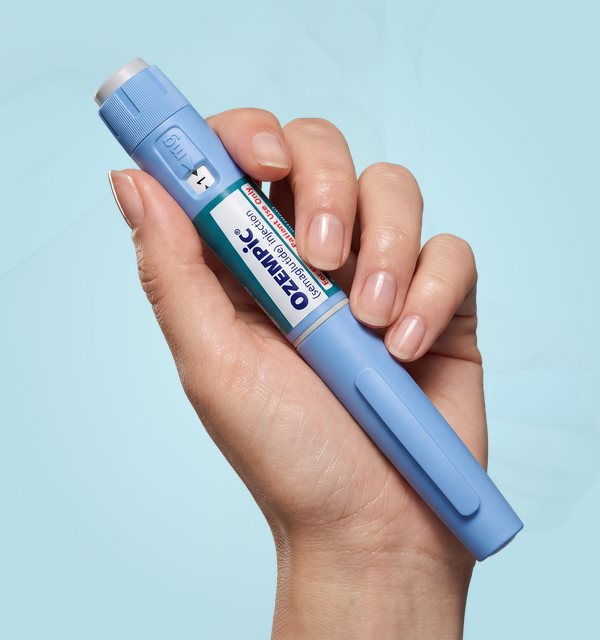
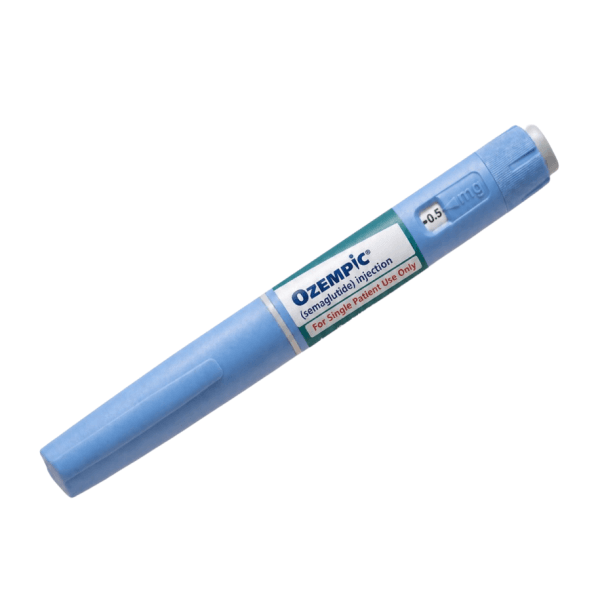
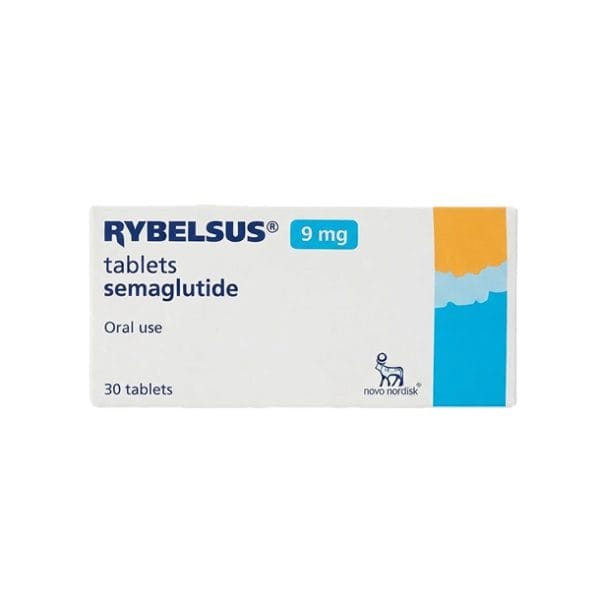
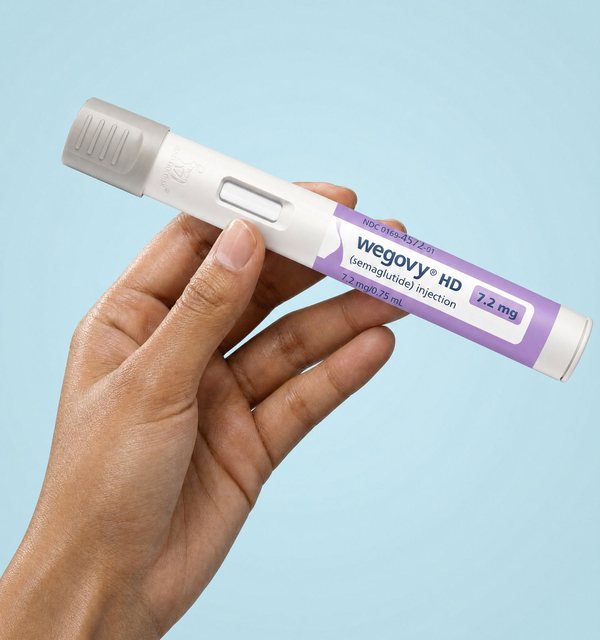
GLP-1 receptor agonists, such as semaglutide products, work through different appetite and metabolic pathways. They are not stimulants, but they have their own risks, contraindications, and monitoring needs. For label-focused context, see Semaglutide Dosage Chart.
Other options use different mechanisms. Naltrexone-bupropion affects appetite and reward pathways, while orlistat reduces absorption of some dietary fat. You can compare educational context in Contrave Dosage and Xenical Weight Loss Capsules. Product pages such as Contrave Tablets and Xenical 120 mg may help readers identify forms and strengths when those medicines are being discussed with a prescriber.
If access or prescription documentation is relevant, CanadianInsulin.com functions as a prescription referral platform, with dispensing handled by licensed third-party pharmacies where permitted. Some patients also discuss cash-pay options and cross-border fulfilment depending on eligibility and jurisdiction.
Quick tip: Bring a current medication list and recent blood pressure readings to weight-management visits.
Questions to Ask Before and During Treatment
A short list of practical questions can make the prescribing conversation clearer. These questions do not replace medical judgment, but they help organize the decision.
- Eligibility: Which BMI and health factors apply?
- Goal of therapy: What counts as a meaningful response?
- Safety monitoring: How often should pulse and blood pressure be checked?
- Timing: When should the dose be taken to reduce insomnia risk?
- Interactions: Which medicines or supplements should be avoided?
- Stopping plan: What happens if side effects or plateau occur?
- Alternatives: Which non-stimulant options fit the risk profile?
These questions are especially useful if phentermine uses are being weighed against injectable medicines, oral non-stimulants, or lifestyle-only care. The Weight Management Articles archive can support deeper reading across related topics without replacing clinician advice.
Authoritative Sources
For official prescribing details, review the FDA label for Adipex-P, which lists indications, contraindications, warnings, and labeled dosing information.
For consumer drug information, see MedlinePlus information on phentermine, which summarizes use, precautions, and common safety points.
For clinical reference context, the Mayo Clinic phentermine monograph provides patient-facing details on oral phentermine use and precautions.
Recap
Phentermine uses center on short-term weight management for selected adults, not general energy enhancement or cosmetic weight loss. It works mainly by suppressing appetite, so nutrition, activity, sleep, and follow-up care still drive the overall plan. Dosing forms vary, and questions about higher doses or repeated daily dosing should always go back to the prescriber.
Safety monitoring is central. Blood pressure, heart rate, sleep, mood, pregnancy status, interactions, and personal risk factors can all change whether phentermine is reasonable. If stimulant effects are a poor fit, non-stimulant alternatives may be worth discussing.
This content is for informational purposes only and is not a substitute for professional medical advice.