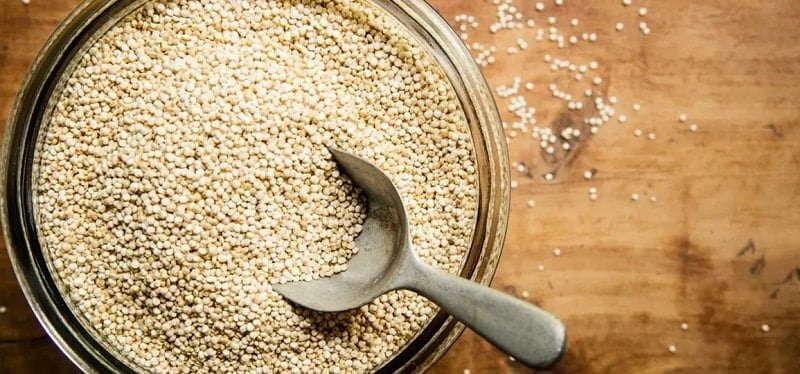
Quinoa can fit into many diabetes-friendly eating patterns, but portion size and plate balance matter. For quinoa and diabetes, the practical answer is simple: treat quinoa as a carbohydrate food, start with a modest serving, and pair it with protein, vegetables, and healthy fats to slow digestion.
Quinoa is not a free food, and it can raise blood glucose. Still, it often has a gentler effect than refined starches when served in realistic portions. The best way to use it is within your own carbohydrate targets and glucose-monitoring plan.
Key Takeaways
- Moderate impact: quinoa is usually a moderate-glycemic carbohydrate.
- Portions count: 1/2 cup cooked is a useful starting side.
- Pairing helps: protein, fat, and fiber can reduce sharp rises.
- Rice swaps vary: quinoa often compares better than white rice.
- Your data matters: meter or CGM patterns guide adjustments.
Quinoa and Diabetes: Why It Can Fit
Quinoa is a seed used like a whole grain, and it provides carbohydrate, fiber, and complete protein. That combination explains why many people compare quinoa and diabetes meal plans with rice, pasta, and other starches. It can add texture and nutrients without relying on refined grains.
One cooked cup of quinoa provides roughly 39 grams of carbohydrate, with several grams of fiber and protein. A smaller 1/2-cup serving provides about half that amount. This matters because blood glucose response depends more on the amount eaten than on a food’s reputation.
Quinoa also contains minerals such as magnesium and potassium. These nutrients support general eating quality, but they do not make quinoa a treatment for diabetes, blood pressure, or cholesterol. The wider pattern still matters most: vegetables, lean proteins, unsaturated fats, sodium awareness, and consistent carbohydrate intake.
If you are learning how different carbohydrates affect glucose, start with the basics in Carbs and Diabetes. It explains why total carbohydrate, fiber, and meal timing can change post-meal readings.
Why it matters: A nutritious carbohydrate can still cause high readings if the portion is too large.
Glycemic Index, Glycemic Load, and Real-World Portions
The glycemic index ranks how quickly a carbohydrate food raises blood glucose compared with a reference food. Glycemic load adds portion size to the picture, so it is often more useful at meals. Quinoa glycemic load changes with serving size, cooking texture, and what else is on your plate.
Quinoa is commonly described as low to moderate on the glycemic index, though exact values differ across testing methods and preparation. Softer, longer-cooked grains may digest faster. Firmer quinoa, larger intact seeds, and mixed meals may slow the rise.
For daily planning, think in three layers. First, measure the cooked amount. Second, count the carbohydrate in that serving. Third, review glucose before and after similar meals. This gives you a personal pattern, not just a table value.
The calculator below can help estimate glycemic load from a food’s GI, available carbohydrate, and serving count. It is a general math tool and does not replace clinical guidance.
Glycaemic Load Calculator
Calculate glycaemic load from glycaemic index and available carbohydrate in a serving.
These calculations are for education only and do not replace clinical advice, diagnosis, or treatment. Always confirm medical decisions with a qualified healthcare professional.
Many people find that 1/2 cup cooked quinoa works well as a side dish. A 3/4-cup portion may fit better in a mixed bowl with leafy greens, beans, chicken, tofu, fish, or eggs. Larger portions can still fit some plans, but they require more attention to total carbohydrate.
If carbohydrate targets feel confusing, a registered dietitian or diabetes educator can help. This is especially important if you use insulin or medicines that can cause hypoglycemia, or if you are pregnant, have kidney disease, gastroparesis, or repeated high or low readings.
Quinoa Compared With Rice
Quinoa is often a better choice than white rice for glucose stability, but the difference is not automatic. The strongest comparison is not quinoa versus rice alone. It is quinoa or rice within a full meal, in a measured portion, with enough protein and vegetables.
White rice is usually lower in fiber and may raise glucose faster for many people. Brown rice and basmati rice can overlap more with quinoa, depending on variety, cooling, reheating, and serving size. This is why glycemic index quinoa vs rice comparisons should be treated as estimates, not predictions.
Quinoa vs rice carbs is also close enough to require portion control. Cooked quinoa and cooked brown rice have similar calories by the cup, while quinoa usually provides more protein and fiber. That extra protein and fiber may support fullness, but it does not cancel the carbohydrate load.
For a direct rice-focused discussion, see Rice and Diabetes. If your comparison is mainly whole-grain rice versus quinoa, Brown Rice and Diabetes offers more detail on portions and preparation.
When Quinoa May Be the Better Swap
Quinoa may be useful when you want a firmer texture, more protein, or a grain-like base for salads. It also works well in bowls where vegetables make up most of the volume. This can help keep the starch portion visible and controlled.
When Rice May Still Fit
Rice can still fit if you measure it, choose a portion that matches your plan, and pair it well. Some people tolerate small portions of rice better than expected. Others see high readings from both rice and quinoa. Your glucose data should guide the final choice.
How Much Quinoa Can a Person With Diabetes Eat?
A reasonable starting portion is 1/2 cup cooked quinoa as a side dish. This amount leaves room for non-starchy vegetables and protein while keeping the carbohydrate load moderate. From there, adjust based on hunger, glucose readings, medications, and your care plan.
People often ask whether they can eat quinoa every day. Some can, but variety is usually better. Rotating quinoa with beans, lentils, oats, barley, whole-grain options, and non-starchy vegetables can improve nutrient variety and reduce meal fatigue.
If you are using carbohydrate counting, read the nutrition label on your specific product and measure after cooking. Dry and cooked measures are not interchangeable. A small measuring cup can prevent accidental double portions, especially in bowls and salads.
Food labels can also help you compare total carbohydrate, fiber, sodium, and serving size. For a practical label-reading approach, review Food Labels With Diabetes.
Cooking Quinoa for Steadier Glucose Response
The best way to prepare quinoa for diabetes-friendly meals is to keep it measured, slightly firm, and paired with slower-digesting foods. Rinse quinoa first to remove bitter saponins. Then simmer it in water or low-sodium broth until the grains are tender but not mushy.
A common method is 1 cup rinsed quinoa with about 1.75 to 2 cups liquid. Simmer covered for 12 to 15 minutes, rest for 5 minutes, then fluff with a fork. Use the lower end of the liquid range if you prefer a chewier texture.
Avoid turning quinoa into a large starch base with sweet sauces or heavy toppings. Instead, build meals around volume and balance. Add leafy greens, broccoli, peppers, tomatoes, mushrooms, beans, lentils, fish, chicken, tofu, eggs, nuts, seeds, avocado, or olive oil.
Quick tip: Batch-cook plain quinoa, then season each portion differently.
Chilling cooked quinoa and reheating it later may modestly increase resistant starch, a starch type that resists digestion. The effect is not a guarantee, and it should not replace portion control. Still, leftovers can make meal planning easier.
Simple Plate Ideas
- Greek-style bowl: quinoa, cucumber, tomato, greens, grilled chicken, and feta.
- Bean salad: quinoa, black beans, peppers, herbs, and olive oil vinaigrette.
- Warm dinner bowl: quinoa, roasted vegetables, salmon, and lemon yogurt sauce.
- Plant-forward meal: quinoa, lentils, spinach, mushrooms, and pumpkin seeds.
- Breakfast option: quinoa, plain yogurt, cinnamon, nuts, and a few berries.
For more fiber-focused options that pair well with quinoa, see High-Fiber Foods for Diabetics. Higher-fiber foods can support fullness and may help smooth post-meal glucose patterns when portions stay appropriate.
Tri-Color Quinoa, Recipes, and Common Meal Mistakes
Tri-color quinoa can be a good option for people with diabetes, but it is not meaningfully “free” or automatically lower carb. It is a mix of white, red, and black quinoa. The main differences are texture, color, and taste rather than a major change in carbohydrate impact.
Red and black quinoa often feel firmer after cooking. That texture can help salads hold up in the refrigerator. White quinoa is usually softer and milder. Any type can work if the serving size is measured.
Quinoa diabetes recipes work best when they avoid three common problems: oversized grain portions, sweet dressings, and too little protein. A large bowl of quinoa with dried fruit and honey can raise glucose more than expected. A smaller portion with chicken, tofu, eggs, fish, legumes, or Greek yogurt is usually more balanced.
Use herbs, citrus, vinegar, garlic, cumin, coriander, turmeric, pepper, and chili flakes for flavor. These add taste without adding large amounts of sugar or sodium. If you use packaged sauces, check labels carefully.
Blood Pressure, Cholesterol, and Type 2 Diabetes Context
Quinoa can fit eating patterns that support type 2 diabetes, blood pressure, and cholesterol goals, but it works as one food within the pattern. It provides fiber and unsaturated fat in small amounts, and it is naturally low in sodium when cooked without salty seasonings.
For blood pressure, the sodium in sauces, broths, and restaurant-style bowls often matters more than the quinoa itself. Choose low-sodium broth if you use broth. Add acidity, herbs, and spices before adding salt.
For cholesterol, fiber-rich meals with legumes, vegetables, nuts, seeds, and unsaturated oils may help support heart-healthy eating patterns. Quinoa can be one part of that approach. It should not be used as a substitute for prescribed medicines or clinician-directed treatment.
People with diabetes who also manage medication schedules may need consistent carbohydrate timing. The Diabetes collection can help readers browse condition-related product categories, while educational topics are available through the Diabetes Articles category.
How to Test Your Own Response
Your glucose response to quinoa may differ from someone else’s. The clearest approach is to test similar meals under similar conditions. Keep the serving size, time of day, and meal partners as consistent as possible.
Check your reading before the meal and again at the time recommended by your care team. Many people review one- to two-hour post-meal patterns, but targets vary. If you use a continuous glucose monitor, look at the trend rather than one isolated point.
Write down four items: portion size, protein source, vegetables or fiber foods, and post-meal reading. After three or four similar meals, patterns usually become clearer. If readings are repeatedly outside your targets, discuss the pattern with your clinician or dietitian rather than making medication changes on your own.
Authoritative Sources
For background on carbohydrate quality and blood sugar response, see the Harvard Nutrition Source carbohydrate overview.
For nutrient values in quinoa and other foods, use the USDA FoodData Central database.
For general diabetes nutrition planning and carbohydrate education, review the American Diabetes Association food and nutrition resources.
Recap
Quinoa can be part of a diabetes-friendly diet when you treat it as a measured carbohydrate. Start with a modest cooked portion, pair it with protein and non-starchy vegetables, and avoid oversized bowls. Compared with white rice, quinoa often offers more fiber and protein, but your glucose readings remain the most useful guide.
The strongest approach is practical and repeatable: measure, pair, test, and adjust with professional guidance when needed. That makes quinoa and diabetes planning less about perfect foods and more about consistent choices that fit your body and care plan.
This content is for informational purposes only and is not a substitute for professional medical advice.