
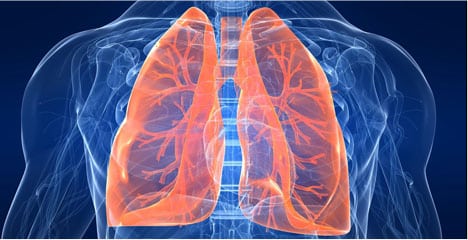
Respiratory acidosis happens when the lungs cannot remove enough carbon dioxide, so the blood becomes too acidic. It usually reflects hypoventilation, meaning breathing is too shallow, too slow, or too ineffective to clear CO2. That can happen in severe lung disease, medication-related breathing suppression, neuromuscular weakness, airway obstruction, or sleep-related hypoventilation. This matters because a sudden rise in CO2 can quickly affect alertness, breathing effort, and circulation, while chronic cases can be subtle and easy to miss without blood gas testing.
Key Takeaways
- Carbon dioxide retention is the core problem, not low oxygen alone.
- An ABG usually shows high PaCO2 and a low pH, though chronic cases may be partly compensated.
- Common triggers include COPD, severe asthma, pneumonia, opioids, sedatives, neuromuscular weakness, and obesity hypoventilation.
- Treatment focuses on the cause and on supporting ventilation, sometimes with noninvasive or invasive breathing support.
- New confusion, marked drowsiness, or worsening breathing distress can be urgent.
How Respiratory Acidosis Develops
Respiratory acidosis is an acid-base disorder driven by carbon dioxide retention. When ventilation falls, CO2 builds up in the blood. The extra carbon dioxide combines with water to form carbonic acid, which lowers blood pH.
The core issue is ventilation rather than oxygen alone. A person can be low on oxygen without retaining much CO2, and some people retain CO2 even when oxygen levels look only mildly abnormal. That is why clinicians often separate oxygenation problems from ventilation problems when they assess breathing.
Hypercapnia (high carbon dioxide) is closely related, but it is not always the same as acidemia, meaning low blood pH. In an acute episode, the pH usually drops because the kidneys have not had time to respond. Over hours to days, the kidneys can hold on to more bicarbonate, which partly buffers the extra acid. That is the basis of compensated and uncompensated patterns.
Compensation helps interpret the blood gas, but it does not make the condition harmless. A person with chronic CO2 retention may still worsen quickly if a new infection, sedative, or airway problem pushes ventilation lower than usual.
Why it matters: A fast rise in CO2 can impair alertness and breathing effort within hours.
Common Causes and Risk Factors
Most cases of respiratory acidosis start with reduced effective ventilation. The immediate cause may sit in the lungs, the airways, the brain, the nerves and muscles that power breathing, or the chest wall itself.
Lung and airway problems
Severe chronic obstructive pulmonary disease, asthma exacerbations, pneumonia, mucus plugging, and other conditions that limit airflow can raise CO2. These problems increase the work of breathing and may leave the lungs unable to clear carbon dioxide efficiently. In some people, an infection or flare of chronic lung disease turns a stable pattern into an acute one.
Causes outside the lungs
Opioids, sedatives, alcohol, and some other central nervous system depressants can slow the brain’s breathing drive. Neuromuscular disorders can weaken the diaphragm and other breathing muscles. Obesity hypoventilation, severe sleep-disordered breathing, chest wall restriction, stroke, and brain injury can also reduce ventilation enough to disturb acid-base balance.
- Chronic lung disease: lower reserve during illness or flare
- Medication effects: slower or shallower breathing
- Sleep-related hypoventilation: poor overnight CO2 clearance
- Neuromuscular weakness: less breathing muscle strength
- Acute infection: more demand with worse gas exchange
Risk is often highest when several factors overlap. For example, a person with COPD, a chest infection, and an opioid pain medicine may have far less breathing reserve than any one factor suggests alone. That overlap is one reason respiratory acidosis can develop quickly during an otherwise familiar illness.
Mechanical factors matter too. Anything that makes breathing inefficient for long enough, from severe chest wall restriction to extreme fatigue during an asthma flare, can reduce carbon dioxide clearance and shift the blood gas in the wrong direction.
Symptoms and Signs to Watch
Symptoms depend on how quickly CO2 rises and how well the body has adapted. Acute cases are more likely to cause obvious changes because the pH falls before the kidneys can compensate.
Common symptoms include shortness of breath, headache, daytime sleepiness, poor concentration, restlessness, flushing, and unusual fatigue. As CO2 rises further, confusion, slowed thinking, drowsiness, and a reduced level of alertness can appear. Some people describe feeling air hungry, while others mainly feel worn out or hard to wake.
Chronic CO2 retention may look less dramatic. Morning headaches, sleep disruption, low exercise tolerance, and gradual mental fog can be the main clues. On examination, clinicians may notice labored breathing, use of neck muscles, wheezing, or signs of the illness that triggered the problem. Symptom intensity alone does not show how severe the blood gas disturbance is.
Untreated severe hypercapnia can lead to respiratory muscle fatigue, worsening mental status, and what clinicians sometimes call CO2 narcosis, a dangerous state of depressed consciousness caused by high carbon dioxide. That is why sudden neurologic changes matter so much in this setting.
Diagnosing Respiratory Acidosis
Diagnosis usually relies on an arterial blood gas, or ABG, test plus the clinical context. In respiratory acidosis, the ABG typically shows an elevated PaCO2 and a low pH. If the problem has been present for longer, bicarbonate may also be higher because the kidneys are trying to compensate.
A useful way to think about it is this: acute disease has not had much time for compensation, chronic disease has, and acute-on-chronic disease shows a new pH drop on top of long-standing CO2 retention. Uncompensated cases often point to a more recent or rapidly worsening problem, while compensated cases suggest the body has had time to adapt.
Bicarbonate helps with interpretation. A higher bicarbonate level suggests the kidneys have had time to adjust, while a normal or only slightly raised bicarbonate can fit a newer problem. Compensation can soften the pH change, but it does not remove excess CO2 or fix the cause.
| Pattern | Usual blood gas picture | What it often suggests |
|---|---|---|
| Acute | High PaCO2, low pH, little bicarbonate rise | Sudden ventilation failure or rapid worsening |
| Chronic | High PaCO2, bicarbonate elevated, pH partly corrected | Longer-standing CO2 retention with renal compensation |
| Acute on chronic | Chronically high PaCO2 and bicarbonate with a fresh pH drop | A chronic retainer with a new trigger such as infection or sedatives |
Clinicians rarely stop at the ABG. They also look for the cause. That may include pulse oximetry, chest imaging, a medication review, electrolytes, kidney function, and tests for infection or underlying lung and neuromuscular disease. If sleep-related hypoventilation is suspected, overnight testing may be part of the later workup.
A common point of confusion is the difference from respiratory alkalosis. In acidosis, carbon dioxide is high because ventilation is inadequate. In alkalosis, PaCO2 is low because breathing is faster or deeper than needed. The pH changes go in opposite directions, so the blood gas tells two very different stories.
Treating the Cause and Supporting Breathing
The main treatment goal is to correct the underlying reason ventilation failed while supporting breathing safely. That may mean opening the airway, treating an asthma or COPD flare, addressing pneumonia, reducing or reversing sedating drug effects when appropriate, or managing neuromuscular or chest wall problems.
The best treatment for respiratory acidosis depends on severity and the cause. Some patients need close monitoring, supplemental oxygen when low oxygen is also present, bronchodilators, secretion clearance, or treatment for infection. Others benefit from noninvasive ventilation, such as a tight-fitting mask that assists breathing. If a person is tiring, cannot protect the airway, or is deteriorating despite initial care, invasive ventilation may be necessary.
Oxygen can be important, but oxygen alone does not fix low ventilation. Clinicians also watch mental status, breathing effort, repeat blood gases, and the patient’s overall trajectory to see whether CO2 clearance is improving. Management also includes deciding whether support can stay noninvasive or needs escalation.
Chronic or compensated cases often need a broader plan after the immediate issue is stabilized. That plan may include evaluation for COPD progression, sleep apnea, obesity hypoventilation, home ventilatory support, rehabilitation, or medication review. Because overly simple fixes can miss the real problem, management is usually guided by repeat assessment rather than one blood gas alone.
- Recent medicines: note opioids, sedatives, or alcohol use
- Breathing pattern: record new wheeze, cough, or sputum
- Sleep symptoms: mention snoring, witnessed pauses, morning headaches
- Baseline disease: list COPD, asthma, neuromuscular, or chest wall disorders
- Prior testing: bring old ABGs, oxygen settings, or ventilation notes
Quick tip: A current medication list and prior breathing records can speed a safer evaluation.
If treatment later involves a prescription, our platform may help confirm details with the prescriber where required.
Complications and Overlap Conditions
Severe or prolonged CO2 retention can affect more than the lungs. Acute episodes may lead to respiratory muscle fatigue, depressed consciousness, and the need for ventilatory support. In people with serious heart or lung disease, the extra physiologic stress can also worsen overall instability.
Chronic cases often overlap with COPD, sleep apnea, obesity hypoventilation, and neuromuscular disorders. In that setting, a near-normal pH does not necessarily mean the problem is mild. It may mean the kidneys have compensated over time, while the underlying ventilatory failure is still present and may worsen during infection, surgery, or sedating medication use.
When It May Be Urgent
Respiratory acidosis can be an emergency when CO2 rises fast or breathing work becomes unsustainable. Severe sleepiness, worsening confusion, blue lips, chest retractions, inability to speak full sentences, or a clear drop in alertness deserve prompt medical attention.
Urgency is also higher when symptoms follow an overdose, a rapid infection, a severe asthma attack, a COPD flare, or new neuromuscular weakness. Even if symptoms seem mild, a high-risk patient may still need urgent blood gas testing when breathing has clearly changed. Delayed evaluation can allow respiratory fatigue and depressed consciousness to progress.
If you are reading about related breathing conditions, you can browse our Respiratory Category or compare condition-specific options in the Respiratory Product Hub. Those pages are browseable hubs rather than emergency resources.
Putting the Pieces Together
In short, respiratory acidosis is a sign that ventilation is not keeping up with the body’s need to remove carbon dioxide. The blood gas pattern points to the problem, but the real clinical question is why it happened and whether it is acute, chronic, or acute on chronic.
That is why evaluation usually moves in two tracks at once: confirm the acid-base disorder, and find the driver. Once clinicians know whether the cause is obstructive lung disease, infection, sedative effect, sleep-related hypoventilation, neuromuscular weakness, or something else, management becomes much more specific.
When prescriptions are filled through our service, licensed third-party pharmacies handle dispensing where permitted.
Authoritative Sources
- MedlinePlus medical encyclopedia entry on respiratory acidosis
- Cleveland Clinic overview of causes, symptoms, and treatment
- NCBI StatPearls review of respiratory acidosis physiology
This content is for informational purposes only and is not a substitute for professional medical advice.


