
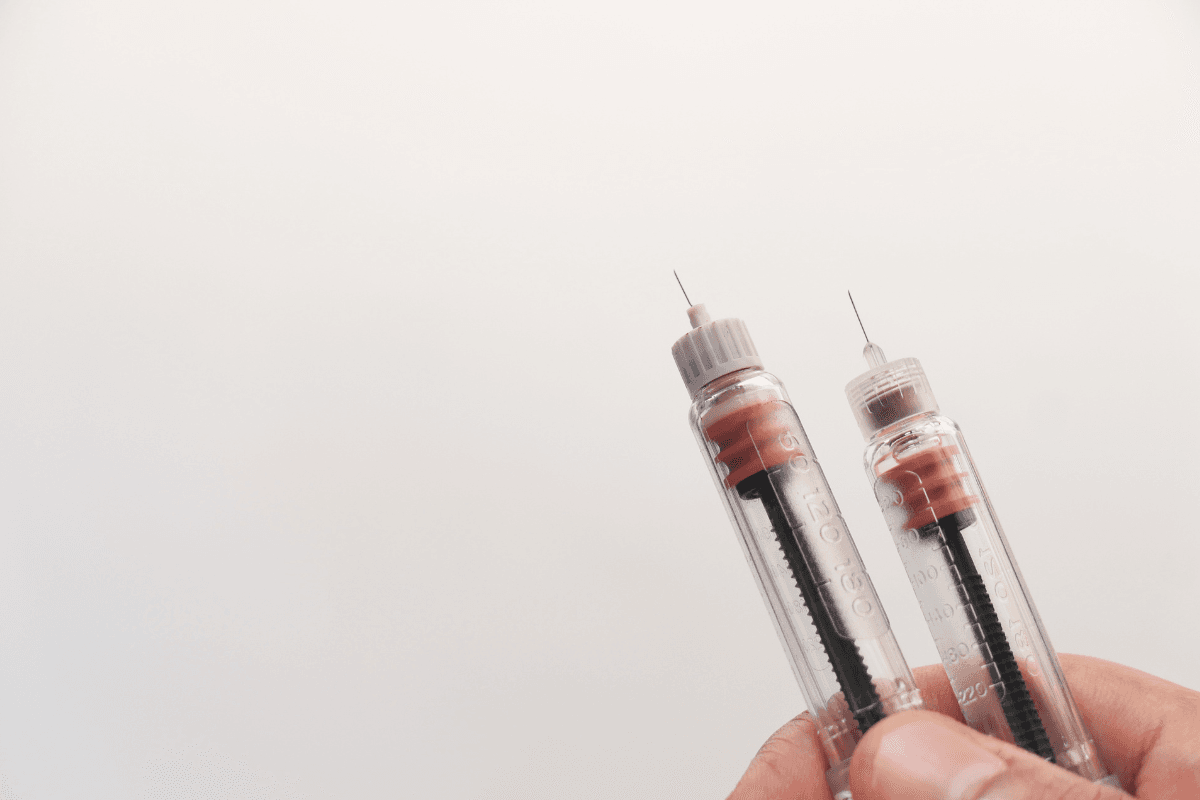
Choosing between Saxenda and Victoza can feel complex. This overview compares indications, dosing, and how each fits real-life use. We’ll also cover device differences, switching considerations, and where newer GLP-1 options may fit. To anchor the discussion, we’ll refer to saxenda vs victoza at key decision points.
Key Takeaways
- Indications differ: Victoza is for type 2 diabetes; Saxenda is for weight management.
- Dose targets diverge: 1.8 mg daily for Victoza; 3.0 mg daily for Saxenda.
- Both use liraglutide, a GLP-1 receptor agonist (incretin-mimicking hormone drug).
- Switching within GLP-1s needs cautious titration and monitoring for tolerability.
- Compare pens, access programs, and alternatives before changing therapy.
Saxenda vs Victoza: What They Are and Who They Suit
Both medicines contain liraglutide, a GLP-1 receptor agonist. The labels diverge by indication: Victoza is approved to improve glycemic control in adults with type 2 diabetes and to reduce cardiovascular risk in select patients; Saxenda is indicated as an adjunct to a reduced-calorie diet and increased physical activity for chronic weight management in certain adults. Why this matters: matching the product to the goal helps align benefits and monitoring.
Formulations and delivery are similar, but the target dose and titration schedules differ. Because labeling separates diabetes management and weight management, health professionals typically select the brand aligned with the clinical objective. For background reading on liraglutide and its role in diabetes care, see Victoza Uses for context on approved outcomes.
Mechanisms and Class Comparisons
Liraglutide mimics GLP-1 activity, which can enhance insulin secretion in a glucose-dependent manner and reduce glucagon release. It also slows gastric emptying and may reduce appetite, which can translate into weight loss for some users. These actions explain why the same molecule supports diabetes control at one dose and weight management at a higher dose. This mechanism underpins related medicines in the same therapeutic class.
When considering class options, many compare liraglutide vs semaglutide to weigh efficacy and convenience. Semaglutide, another GLP-1 agent, is available in weekly injection and oral forms, which may improve adherence for some users. For a structured overview of comparable therapies, see our Victoza vs Ozempic Comparison for dose forms and supportive evidence.
For statements on indications and dose targets, consult the official FDA prescribing information for Victoza and the FDA prescribing information for Saxenda, which detail approved uses and risks.
Indications, Dosing, and Titration
Both products use stepwise weekly titration to improve gastrointestinal tolerability. The typical target dose for Victoza is 1.8 mg once daily in adults with type 2 diabetes; the usual target dose for Saxenda is 3.0 mg once daily for chronic weight management. Dosing may be adjusted or paused depending on tolerability and clinical response. These schedules are specified in product labels and should guide clinical decisions.
Patients and clinicians sometimes ask about saxenda vs victoza dose because both contain the same molecule. The answer depends on indication and label: use the diabetes dosing schedule for Victoza and the weight-management schedule for Saxenda. For practical device and cartridge details that can influence daily logistics, see Victoza Pens for pen capacities and Saxenda 6 mg/mL for injection specifics, as these formats shape titration steps and pen changes.
Note: Always confirm current label guidance and contraindications, including risks like pancreatitis and gallbladder disease. The prescribing information documents remain the authoritative source for approved use and safety.
Weight Management Evidence and Practical Use
Liraglutide at the weight-management dose can support clinically meaningful weight reduction when combined with calorie reduction and increased physical activity. Evidence shows incremental losses build over months, with maintenance requiring ongoing adherence to therapy and lifestyle measures. Individual response varies, and discontinuation may lead to weight regain, a common pattern across anti-obesity medications.
Questions about victoza dosage for weight loss arise because Victoza and Saxenda share liraglutide. The maximum Victoza dose is 1.8 mg for diabetes; the 3.0 mg dosage for weight management is branded as Saxenda. Using Victoza at 3.0 mg would be off-label and should be weighed carefully for appropriateness, safety, and supply consistency. For foundational background on liraglutide’s role in weight control, our Basics of Saxenda offers an introductory overview.
Those comparing brands may also review weekly semaglutide options. This can contextualize dosing burdens and appetite effects across agents. For adjacent perspectives, see Saxenda vs Ozempic Guide for differences in schedule and supportive evidence.
Switching and Sequencing Within GLP-1s
Switching between GLP-1 agents requires a plan to preserve tolerability and glycemic or weight-control goals. Transitions typically consider the previous dose, last injection timing, gastrointestinal side effects, and any hypoglycemia risk when combined with other agents. A restart at a lower step with gradual retitration is often chosen to minimize adverse effects, though individual plans vary.
People often search for switching from victoza to ozempic because semaglutide offers weekly dosing and robust evidence. A common approach is to begin semaglutide after the final liraglutide dose, then escalate per label instructions while monitoring for nausea, hydration status, and glycemic changes. For broader class context, our Trulicity vs Saxenda Comparison outlines similar considerations, and Ozempic Semaglutide Pens shows weekly formats that influence adherence.
For clinical decision frameworks on glucose-lowering therapies, the ADA Standards of Care provide annually updated algorithms and safety notes.
Comparisons With Newer Options
Several alternatives may suit particular goals or preferences. Weekly semaglutide (Ozempic for diabetes; Wegovy for obesity) and tirzepatide (Mounjaro for diabetes; Zepbound for obesity) broaden choices. These agents differ in magnitude of weight loss reported, dosing convenience, and side-effect profiles, which should be balanced against medical history and access.
For weight-led decisions, people often compare ozempic vs victoza for weight loss to understand relative outcomes and dosing schedules. Weekly regimens can reduce injection burden, while daily dosing can offer predictable titration adjustments. Explore our Saxenda vs Wegovy Guide for weekly vs daily contrasts, and see Mounjaro vs Saxenda Facts for dual-incretin comparisons. Product pages for Wegovy and Mounjaro KwikPen can help you visualize delivery systems and dose steps.
Are They Interchangeable? Devices, Pens, and Practicalities
Because both contain liraglutide, patients sometimes wonder are saxenda and victoza interchangeable. Despite shared active ingredient, each brand has distinct indications, target doses, and device labeling. Pens also differ in volume markers and instructions. Substituting one for the other without a plan can lead to dosing errors or insurance issues.
Devices matter day to day. Pen handling, needle compatibility, and storage requirements should match your routine. For practical pen considerations, see Victoza Pens to understand dose delivery per click, and review Saxenda 6 mg/mL for its daily titration steps. If weekly options appeal, Rybelsus Semaglutide Pills demonstrate an alternative format, though with specific fasting instructions that affect daily routines.
Tip: Keep a written dose log during transitions and bring pens to appointments. This helps clinicians verify actual settings and injection technique.
Cost, Access, and Supportive Resources
Coverage varies by plan, indication, and region. Prior authorization criteria usually align with labeled indications, documented BMI thresholds, and past therapy attempts. Out-of-pocket costs can differ between brands and formulations, especially when comparing daily versus weekly schedules. Support programs may offset part of the expense for eligible patients.
Many compare saxenda vs victoza price while budgeting longer-term use. Consider total monthly pens, titration stages, and any starter packs when estimating supply needs. For practical planning, our Cost of Victoza guide outlines budgeting strategies, and browsing Weight Management resources can highlight lifestyle supports that amplify medication benefits. Related comparisons, including Saxenda vs Zepbound Guide, help contextualize total treatment costs across options.
Related Reading and Practical Guides
If you are exploring class alternatives or sequencing strategies, see our Victoza Dosing Guide for stepwise schedules and troubleshooting tips. For adjacent comparisons across GLP-1s, review Saxenda for Weight Loss to understand eligibility criteria and expected timelines. Those focusing on diabetes metrics can also scan Victoza Dosing and Type 2 Diabetes articles for foundational concepts and monitoring plans.
Recap
Liraglutide supports two different goals under two brand labels. Victoza is positioned for type 2 diabetes at lower daily doses, while Saxenda focuses on chronic weight management at a higher daily dose. Weigh indication, tolerability, device preferences, coverage, and alternatives before choosing. When changing therapies, retitrate carefully and confirm plans against official labels and clinical guidance.
This content is for informational purposes only and is not a substitute for professional medical advice.


