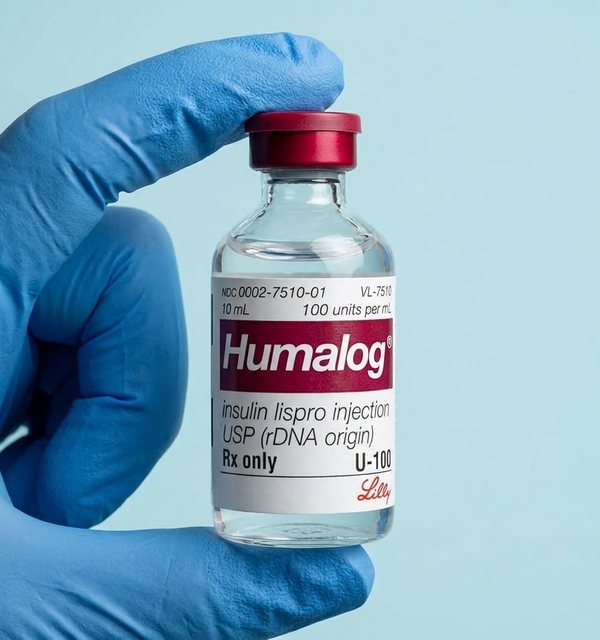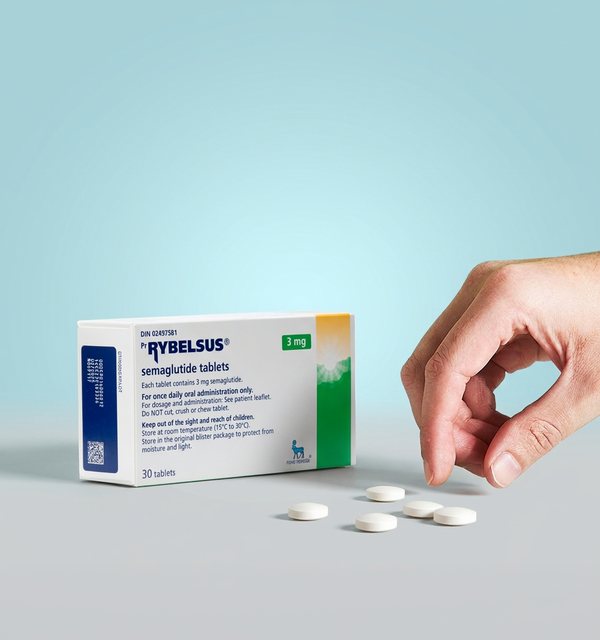


Saxenda vs Ozempic is mainly a comparison of two GLP-1 receptor agonists with different active ingredients, schedules, and approved uses. Saxenda contains liraglutide and is labeled for chronic weight management. Ozempic contains semaglutide and is labeled for type 2 diabetes, though weight change is a common discussion point. The practical choice depends on indication, medical history, tolerability, access, and the plan your clinician considers appropriate.
Key Takeaways
- Same pathway: both activate GLP-1 receptors.
- Different ingredients: liraglutide versus semaglutide.
- Different schedules: daily versus weekly injections.
- Different labels: weight management versus diabetes use.
- Switching needs planning: re-titration may reduce side effects.
Why These Medicines Are Often Compared
These medicines get compared because both can reduce appetite signals and slow stomach emptying. GLP-1 receptor agonists mimic glucagon-like peptide-1, a hormone involved in satiety and glucose regulation. That overlap can make the products seem interchangeable, but they are not the same medication.
Saxenda uses liraglutide, a GLP-1 medicine given once daily. Ozempic uses semaglutide, a longer-acting GLP-1 medicine given once weekly. The dosing rhythm affects convenience, missed-dose discussions, and how quickly some people notice stomach-related effects during dose changes.
The labeling difference matters. Saxenda is approved for chronic weight management in eligible patients. Ozempic is approved for adults with type 2 diabetes and has cardiovascular risk-reduction language for certain patients with type 2 diabetes and established cardiovascular disease. If the main goal is weight management without diabetes, clinicians often discuss obesity-labeled options first.
For a deeper ingredient-level comparison, see Liraglutide vs Semaglutide. For product-page orientation, Saxenda 6 Mg Ml and Ozempic Semaglutide Pens can help readers identify the specific medicines being discussed.
How Saxenda vs Ozempic Compares in Practice
The biggest practical differences are approved use, injection frequency, titration style, and access. Neither medicine should be selected only because it appears stronger, newer, or more convenient. A prescriber must match the option to the person’s diagnosis, risk factors, current medications, and treatment goals.
| Comparison Point | Saxenda | Ozempic |
|---|---|---|
| Active ingredient | Liraglutide | Semaglutide |
| Drug class | GLP-1 receptor agonist | GLP-1 receptor agonist |
| Typical injection rhythm | Daily | Weekly |
| Main U.S. label context | Chronic weight management | Type 2 diabetes |
| Common tolerability issue | Nausea, fullness, bowel changes | Nausea, fullness, bowel changes |
| Main decision factors | Weight-management indication, daily routine, tolerability | Diabetes indication, weekly routine, glucose goals |
Why it matters: Labeling affects coverage, documentation, and whether a medicine fits the reason it is being prescribed.
People often ask which one is better. A safer answer is that “better” depends on the treatment purpose. For chronic weight management, Saxenda has a direct weight-management label. For type 2 diabetes, Ozempic has a diabetes label and may also affect body weight. For obesity-labeled semaglutide, clinicians usually discuss Wegovy rather than treating Ozempic as the identical choice.
If your comparison includes semaglutide options beyond Ozempic, Semaglutide Uses and Dosage explains how formulations and indications differ. For a weight-focused semaglutide comparison, Saxenda vs Wegovy is a more direct match.
Dosing Cadence, Titration, and Day-to-Day Fit
Saxenda vs Ozempic dosing differs because liraglutide and semaglutide last different lengths of time in the body. Saxenda is taken daily, while Ozempic is taken weekly. Both are usually started at a lower dose and increased gradually, but the exact schedule must follow the prescriber’s instructions and the product label.
A daily medicine may feel more burdensome, yet it can suit people who prefer a consistent routine. Some patients also like that daily dosing keeps them more aware of appetite, meals, and side effects. The trade-off is more frequent injections and more opportunities to miss a dose.
A weekly medicine may be easier for people who dislike frequent injections. Weekly scheduling can support adherence for some, especially when paired with a calendar reminder. The trade-off is that side effects after a dose change may last longer for some people because the medicine remains active for longer.
Device details also matter. Injection pens can differ in storage instructions, dose selection, needle use, and handling. Do not assume one pen works like another. Ask your clinician or pharmacist to review the device before the first injection, especially if you are switching from one GLP-1 medicine to another.
Weight-Loss Expectations and Tracking
Both medicines may support weight reduction when used with nutrition, activity, and behavioral changes. Results vary widely. Baseline weight, appetite patterns, diabetes status, other medications, sleep, alcohol intake, gastrointestinal tolerance, and adherence can all influence outcomes.
Searches for Saxenda vs Ozempic weight loss results often focus on a single number. That can be misleading. A more useful approach is to track patterns over time: appetite, portion size, weight trend, waist measurement, protein intake, and activity. Your clinician may also monitor glucose, kidney function, or other labs depending on your health history.
The calculator below can help estimate general weight-change progress toward a goal. It is a tracking aid only and does not decide eligibility, dosing, or whether a medicine is appropriate.
Weight-Loss Progress Calculator
Track percentage body-weight change and progress toward a target weight.
These calculations are for education only and do not replace clinical advice, diagnosis, or treatment. Always confirm medical decisions with a qualified healthcare professional.
Short-term weight change also needs context. Fluid shifts, constipation, reduced food volume, menstrual-cycle changes, and scale timing can affect weekly readings. Clinicians often look for a trend rather than reacting to one measurement.
Quick tip: Weigh under similar conditions, then review averages instead of single readings.
Side Effects, Warnings, and When to Seek Help
Saxenda vs Ozempic side effects overlap because both medicines work through GLP-1 receptors. Nausea, early fullness, reflux, bloating, constipation, and diarrhea are among the more common issues. These symptoms often appear during dose escalation, though some people remain sensitive for longer.
Meal size and food choices can influence stomach symptoms. Large portions, greasy foods, alcohol, and eating quickly may worsen nausea or reflux. Smaller meals, slower eating, hydration, and attention to constipation can help some people tolerate treatment better. Persistent symptoms should be reviewed rather than ignored.
Class Warnings and Contraindications
GLP-1 receptor agonists carry important warnings. Official labels include a boxed warning about thyroid C-cell tumors seen in rodents, with uncertain relevance to humans. These medicines are generally contraindicated in people with a personal or family history of medullary thyroid carcinoma or multiple endocrine neoplasia syndrome type 2.
Pancreatitis, gallbladder disease, kidney problems related to dehydration, and severe gastrointestinal reactions are also important safety discussions. Seek urgent medical care for severe or persistent abdominal pain, repeated vomiting, fainting, or signs of dehydration. People using diabetes medicines that can cause low blood sugar may need closer monitoring when other glucose-lowering medicines are added.
Pregnancy and Procedure Planning
Weight-loss medicines are not used casually around pregnancy planning. If you are pregnant, planning pregnancy, or breastfeeding, discuss this with a clinician before starting or continuing therapy. Also tell your care team before surgery or procedures, because delayed stomach emptying may affect anesthesia planning.
Side-effect comparison threads can be useful for real-world language, but they cannot replace medical review. Online discussions often miss dose history, other medicines, dehydration, alcohol intake, gallbladder history, and diabetes status. Those details can change the interpretation completely.
Costs, Coverage, and Access Realities
Whether Saxenda or Ozempic is cheaper depends on insurance rules, diagnosis, prior authorization criteria, deductibles, pharmacy supply, and location. A medicine with a lower list price may still cost more out of pocket if a plan does not cover it for the intended use. The reverse can also happen.
Coverage often follows the labeled indication. A plan may cover a diabetes medicine for type 2 diabetes but not for weight management. Another plan may cover obesity-labeled therapy only after documentation of body mass index, weight-related conditions, previous attempts, or step therapy. Ask the plan which diagnosis codes, records, and renewal criteria are required.
Supply also affects access. GLP-1 products have had periods of high demand and inconsistent availability. If a pharmacy cannot fill a specific strength, do not change your plan alone. Ask the prescriber whether waiting, adjusting timing, or using a different labeled option is appropriate.
Some patients compare cash-pay options without insurance, including cross-border fulfilment where permitted by law and eligibility rules. CanadianInsulin.com functions as a prescription referral platform, and dispensing is handled by licensed third-party pharmacies where allowed. Prescription details may need confirmation with the prescriber when required.
For broader browsing, the Weight Management Articles collection covers related education. The Weight Management Products category can help readers identify related medication pages without treating a category list as medical advice.
Switching Between GLP-1 Medicines
Switching from Saxenda to Ozempic for weight loss, or switching from Ozempic to Saxenda, should be planned with a prescriber. The goal is to avoid overlapping effects, reduce stomach symptoms, and restart at a dose that fits prior tolerance. A switch is not simply a brand swap.
Reasons for switching may include tolerability, injection routine, coverage, supply, diabetes status, or a change in treatment goals. For example, a person using daily liraglutide may ask about weekly semaglutide for convenience. Another person may find weekly dose escalation difficult and ask whether a daily GLP-1 option is more manageable. The answer depends on medical context.
Before a switch, write down your current dose, last injection date, side effects, bowel pattern, hydration issues, and any low-glucose episodes. Bring this list to the appointment. This information helps the clinician decide whether a washout period, lower starting dose, slower titration, or additional monitoring is needed.
Do not use two GLP-1 medicines together unless a qualified prescriber gives a specific reason and monitoring plan. Combining related therapies can increase adverse effects and may not add benefit. Also avoid using leftover pens to “bridge” a gap unless your prescriber confirms the plan.
How Related Options Change the Conversation
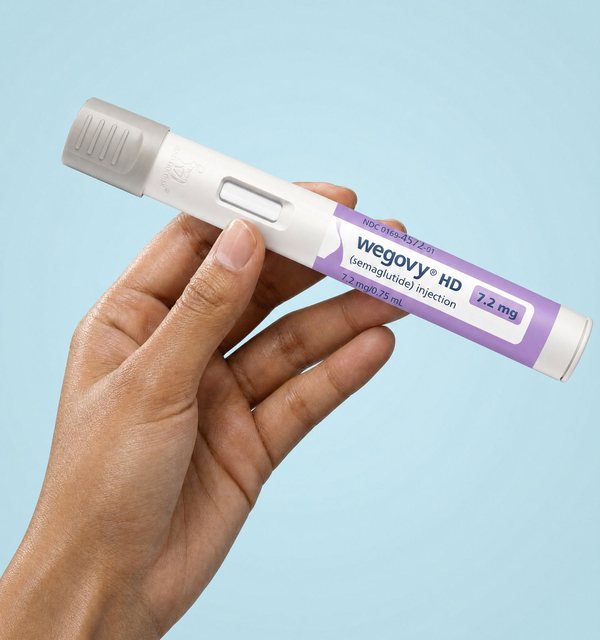
Other incretin-based medicines can make the Saxenda vs Ozempic decision more complex. Wegovy contains semaglutide and is labeled for chronic weight management. That makes Wegovy a more direct weight-management comparator to Saxenda than Ozempic in many cases.
Mounjaro and Zepbound contain tirzepatide, a medicine that acts on GIP and GLP-1 pathways. Mounjaro is associated with type 2 diabetes treatment, while Zepbound is associated with chronic weight management. People sometimes ask why Mounjaro is better than Ozempic, but that wording oversimplifies the issue. “Better” depends on indication, response, side effects, contraindications, and access.
Comparisons such as Wegovy vs Ozempic, Saxenda vs Wegovy, and Saxenda vs Zepbound should start with the label and the clinical goal. If the purpose is diabetes management, glucose outcomes and diabetes comorbidities matter. If the purpose is chronic weight management, eligibility, weight-related conditions, and long-term monitoring matter more.
For readers focused on Ozempic outside diabetes, Ozempic for Weight Loss explains why off-label discussions require extra caution. It also helps separate semaglutide as an ingredient from brand-specific indications.
Questions to Bring to a Clinician
A structured conversation is more useful than asking for the strongest GLP-1 medicine. Bring your goals, medical history, medication list, and prior weight-management attempts. This helps the clinician judge fit and safety rather than relying on a simple comparison chart.
- Indication: Which diagnosis supports this choice?
- Goals: What outcome is realistic for me?
- Dosing: How will titration be handled?
- Safety: Which symptoms require urgent review?
- Monitoring: Which labs or follow-ups matter?
- Access: What documentation may coverage require?
- Switching: How should prior GLP-1 use be handled?
If you have diabetes, kidney disease, gallbladder disease, pancreatitis history, severe reflux, gastroparesis (delayed stomach emptying), pregnancy plans, or prior severe nausea with GLP-1 therapy, raise that early. These factors can change the risk-benefit discussion.
Authoritative Sources
For official product labeling, review the FDA prescribing information for Saxenda. It describes approved use, contraindications, warnings, and adverse reactions.
For semaglutide labeling and regulatory history, use the FDA Drugs@FDA entry for Ozempic. This avoids relying on outdated or redirected label files.
For patient-oriented information about GLP-1 receptor agonists, the American Diabetes Association GLP-1 overview provides class-level context.
Recap
Saxenda vs Ozempic is not a simple contest. Saxenda is liraglutide with a chronic weight-management label and daily dosing. Ozempic is semaglutide with a type 2 diabetes label and weekly dosing. Both can affect appetite and weight, but the right discussion starts with indication, risks, tolerability, and access.
If weight management is the main goal, ask about obesity-labeled options, lifestyle supports, monitoring, and how progress will be assessed. If diabetes is present, glucose control, cardiovascular risk, and low-glucose safety may carry more weight. A prescriber can help align the medicine with the reason it is being used.
This content is for informational purposes only and is not a substitute for professional medical advice.