


The ethics of weight loss medications is not about deciding who deserves help. It is about safe prescribing, informed consent, privacy, fair access, and respect for people living in bodies that are often judged. These medicines can be appropriate tools for some patients, but stigma can turn a health decision into a moral debate. That can make care less honest, less safe, and less equitable.
Key Takeaways
- Weight is not a character test, and treatment choices deserve respectful discussion.
- Stigma can affect privacy, mental health, follow-up, and trust in care.
- Ethical prescribing weighs benefit, risk, consent, access, and monitoring.
- Off-label use raises added questions about evidence, supply, and transparency.
- Patients should be able to ask about options without being judged.
Why the Ethics of Weight Loss Medications Matters
Weight stigma means negative assumptions, stereotypes, or discrimination based on body size. It can appear in clinics, families, workplaces, schools, insurance decisions, and social media. Around medication, it often shows up as a claim that treatment is “cheating” or an “easy way out.”
That framing is medically weak and ethically harmful. Body weight is influenced by genetics, physiology, medications, sleep, stress, disability, food access, mental health, income, and the built environment. Personal habits matter, but they are not the whole explanation. Treating obesity or weight-related health concerns as a moral failure can make people avoid care or hide important symptoms.
Why it matters: Shame can delay care and make side effects or eating concerns harder to disclose.
Stigma also cuts in more than one direction. Some people are judged for living in a larger body. Others are judged for using treatment. Some are praised only when weight changes, even if the process harms their health. Challenging weight loss medication stigma means making room for evidence-informed choices without turning body size into a public verdict.
For wider treatment context, GLP-1 Drugs For Weight Loss explains common decision points without reducing the topic to appearance or willpower.
Medication Is Care, Not a Moral Shortcut
Anti-obesity medicines are one possible part of medical care, not a stand-alone answer. A clinician may consider them when potential benefits appear to justify risks, based on health history, current medicines, goals, contraindications, and follow-up needs. They do not replace nutrition support, physical activity, sleep care, mental health care, or treatment for related conditions.
Many current debates focus on GLP-1 receptor agonists and related medicines. These drugs affect hormone pathways involved in appetite, fullness, and blood sugar. Some products are labelled for chronic weight management in certain settings, while others are labelled for diabetes and may be discussed off-label. That difference matters because labelled use, supply, coverage, and monitoring can affect ethical decisions.
The “shortcut” argument assumes that health improvement is only legitimate when it is difficult. That idea can punish people for seeking care. A better ethical question is whether a treatment is appropriate, safe to monitor, realistic to continue, and aligned with the patient’s values.
Care goals should not focus only on the scale. A more complete discussion may include blood pressure, glucose markers, mobility, sleep, medication burden, quality of life, eating patterns, and mental health. Some patients may decide medication fits their goals. Others may decide it does not. Both choices deserve respect when they are informed and not coerced.
Nutrition and activity conversations also need care. Advice should fit food access, culture, disability, medications, glucose risk, and personal history. Diet And Weight Loss discusses why lifestyle support should not become another form of blame.
Four Ethical Questions That Should Be Named Early
The ethics of weight loss medications becomes clearer when patients and clinicians name the main tensions directly. These questions do not have one answer for everyone. They help shift the discussion from judgment to care.
Is the Choice Informed and Voluntary?
Autonomy means people should be able to make informed choices about their own bodies. That includes the choice to ask about medication, decline medication, stop a conversation, or set goals that are not focused only on body size. Respectful care does not push treatment because of appearance, social pressure, or a narrow idea of “normal.”
Pressure can come from family, employers, social media, or clinicians. A patient may feel expected to lose weight before symptoms are taken seriously. Another may feel embarrassed to continue medication after hearing jokes about GLP-1 drugs. Ethical care protects privacy and gives people room to discuss risks, preferences, and values without shame.
Do Benefits Clearly Outweigh Risks?
Medical ethics asks whether a treatment is likely to help more than it harms. For weight-related medicines, that discussion should include side effects, contraindications, pregnancy plans, mental health history, eating disorder risk, drug interactions, and what follow-up would involve. It should also include what happens if the treatment is not tolerated or no longer fits the person’s goals.
Monitoring is not a sign of mistrust. It is part of safer prescribing. Patients should know which symptoms to report, which changes may need urgent care, and when routine follow-up is needed. No one should feel that reporting a side effect means they failed treatment.
Who Gets Access, and Who Is Left Out?
Justice asks whether care is distributed fairly. Access to weight loss medications can depend on diagnosis, local rules, prescriber availability, insurance coverage, income, supply, and follow-up capacity. It can also be shaped by bias, including assumptions about race, gender, disability, age, income, or mental health history.
Equity does not mean every person receives the same medicine. It means people with similar medical needs should have a fair chance to be assessed, informed, and monitored. It also means that people should not be dismissed because of body size or because a clinician assumes they will not follow a plan.
Is Communication Honest and Balanced?
Truthfulness matters because public discussion often exaggerates both benefits and harms. Some posts portray medication as effortless transformation. Others frame it as dangerous vanity. Both extremes can distort consent. Patients need clear information about expected monitoring, possible adverse effects, treatment limits, supportive habits, and alternatives.
Off-label discussions require extra care. In some jurisdictions, medicines with similar ingredients may have different labelled uses. Off-label prescribing can be legal and appropriate in some situations, but it should be transparent, evidence-informed, and monitored. It should not be driven mainly by appearance goals, social pressure, or misinformation.
How Stigma Shows Up Around GLP-1 Treatment
GLP-1 medication stigma often starts with a simple accusation: people are cheating. This language turns a medical decision into a public character judgment. It also ignores the work involved in appointments, side-effect monitoring, meal planning, activity changes, and long-term follow-up.
Stigma can also appear as privacy pressure. People may feel asked to explain body changes, disclose prescriptions, or defend why they use medication. A person does not owe acquaintances a medical history. At the same time, honest discussion with a clinician matters because other medicines, symptoms, and health goals can affect safety.
Weight bias in healthcare is another concern. Some patients report that symptoms are attributed to weight before proper assessment. Others feel praised for weight loss even when it results from illness, disordered eating, or distress. Bias can reduce trust and make people less likely to return for care.
Mental health deserves specific attention. Weight-related treatment can intersect with anxiety, depression, eating disorders, body image distress, or past trauma. If mood changes, compulsive eating patterns, restriction, purging, or fear of food become prominent, professional support is important. Ozempic And Eating Disorders covers screening and support questions in more detail.
Quick tip: If a conversation feels judgmental, ask to refocus on health goals and safety.
Access, Cost, and Off-Label Decisions
The ethics of weight loss medications includes who can obtain treatment, who is prioritized, and who is left out. Access is not only about preference. It can depend on diagnosis, labelled indication, local rules, coverage, cost, supply, and whether follow-up care is available.
Ozempic ethical issues are often discussed because some diabetes medicines have become closely associated with weight loss in public culture. When demand rises quickly, fairness questions become more visible. Clinicians and health systems may need to consider labelled indications, severity of health need, alternative options, and continuity of care.
Patients should not be blamed for asking about options. The system still has to manage limited resources responsibly. That is different from shaming an individual for wanting treatment. Ethical access requires both compassion for patients and clear rules for safe, fair prescribing.
Cost can also shape care. Some people face limited coverage, high out-of-pocket expenses, or inconsistent access. Others compare cash-pay options when insurance does not apply. For planning context, Out-Of-Pocket Cost For GLP-1 Medications outlines budgeting questions without promising eligibility or affordability.
CanadianInsulin.com is a prescription referral platform. Where required, prescription details may be confirmed with the prescriber, and dispensing is handled by licensed third-party pharmacies where permitted. This access context does not decide whether a medication is clinically appropriate for any person.
A browseable Weight Management Product Category can help readers recognize medication names and formats. It should not be used as a substitute for medical assessment or prescribing advice.
Care Habits That Reduce Harm
Better language will not solve every access problem, but it can make care safer. Respectful communication helps people describe symptoms honestly, ask questions earlier, and stay engaged with follow-up. It also reduces the false divide between medical treatment and personal responsibility.
- Ask permission: discuss weight only when it serves care.
- Avoid blame: focus on history, goals, and options.
- Protect privacy: do not ask for public prescription disclosure.
- Use clinical terms carefully: explain obesity as a medical condition when relevant.
- Separate worth from weight: do not praise body change automatically.
- Name uncertainty: explain what is known, unknown, and monitored.
Families and friends can help by avoiding public commentary about someone’s body or treatment. Employers and schools can reduce harm by keeping health information private and avoiding weight-based assumptions. Clinicians can help by asking permission, explaining options clearly, and screening for mental health or eating concerns when relevant.
Adolescents need special caution because consent, development, family involvement, stigma, and long-term monitoring all matter. Weight Loss Drugs In Youth discusses why pediatric decisions require a different ethical frame.
Questions to Discuss Before Treatment
A practical discussion can reduce stigma because it moves the focus from moral judgment to informed care. These prompts are not a script for deciding on treatment. They are topics to bring to a qualified clinician if medication is being considered.
- Eligibility: what health factors make treatment reasonable or unsuitable?
- Goals: which outcomes matter beyond weight alone?
- Risks: which side effects need routine or urgent attention?
- Monitoring: what follow-up, labs, or symptom tracking may be needed?
- Mental health: how will mood, eating patterns, and body image be checked?
- Pregnancy planning: what should be discussed before conception or breastfeeding?
- Alternatives: what non-medication or different medication options exist?
- Continuity: what is the plan if access changes or treatment stops?
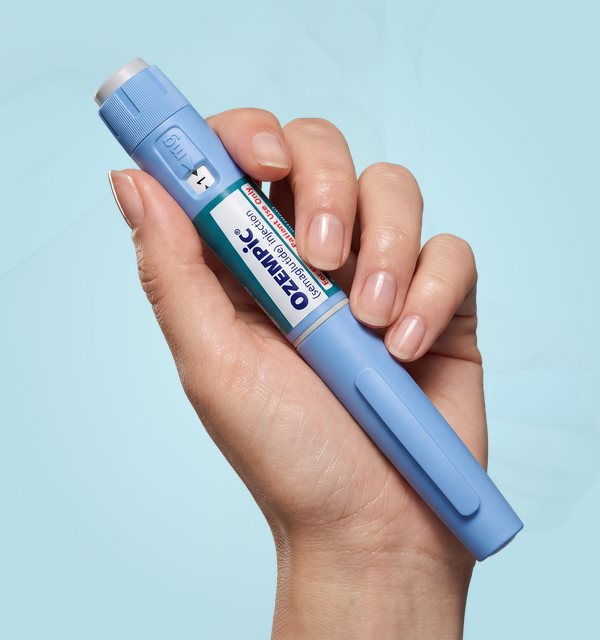
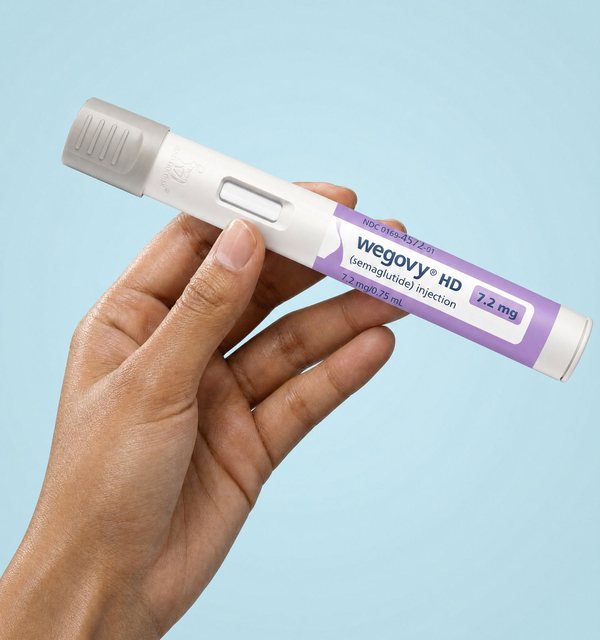
Specific medicines may raise different questions. Product pages such as Wegovy, Zepbound, and Ozempic Semaglutide Pens can provide product identification context, but they do not replace a clinician’s review of risks, eligibility, or monitoring.
Seek urgent medical help for severe allergic symptoms, severe or persistent abdominal pain, signs of dehydration, thoughts of self-harm, or other serious symptoms. Do not start, stop, or combine prescription medicines without guidance from a qualified clinician.
Where This Leaves Patients and Families
A fair view rejects two extremes. It does not treat medication as vanity or cheating. It also does not treat medication as a universal solution for every person who wants weight loss. Ethical care sits between those poles: respectful, evidence-informed, individualized, and alert to bias.
The best conversations are specific. They ask what problem treatment is meant to address, what benefits are realistic, what harms need monitoring, and what support the person needs. They also protect dignity. A patient should not have to prove moral worth before receiving careful medical assessment.
For broader reading across treatment, safety, lifestyle, and access topics, the Weight Management Articles collection offers a browseable starting point.
Authoritative Sources
- For Canadian clinical framing, see the Canadian adult obesity clinical practice guideline.
- For global definitions and population context, see the WHO obesity and overweight fact sheet.
- For ethical discussion of stigma, access, and care quality, see the AMA Journal of Ethics discussion.
This content is for informational purposes only and is not a substitute for professional medical advice.