
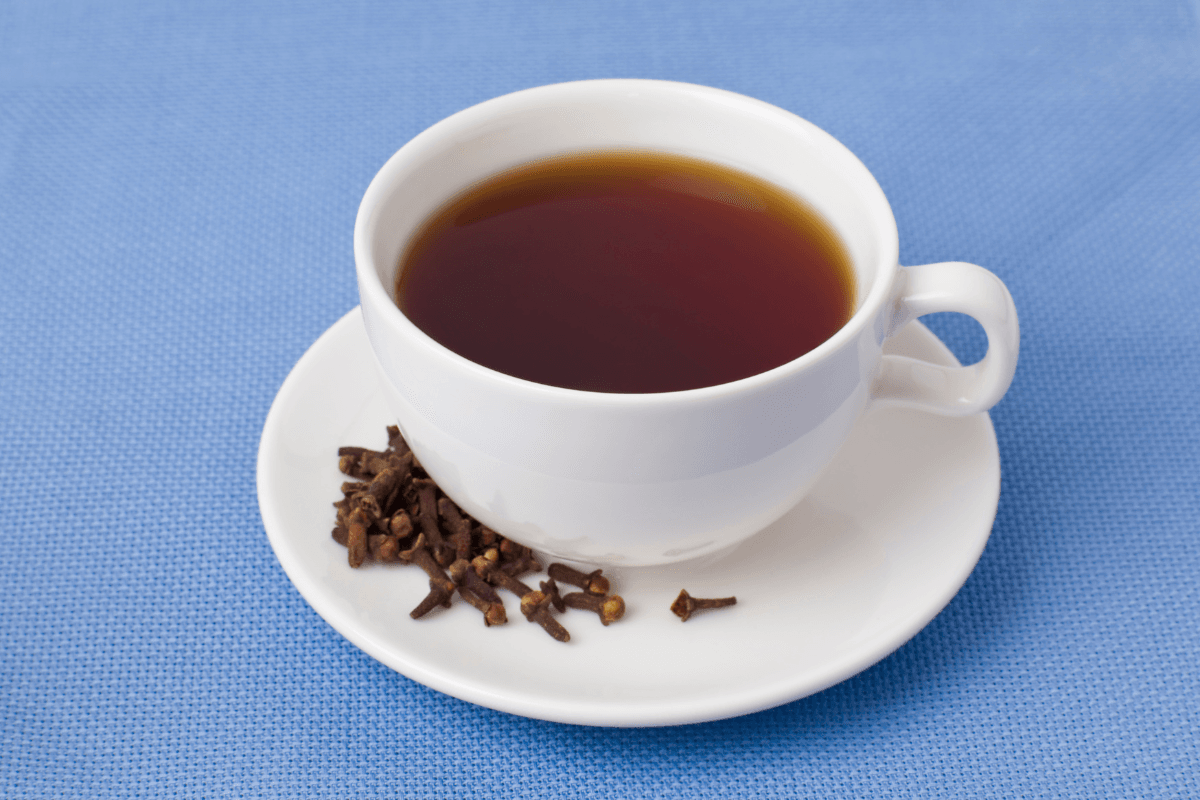
The phrase black tea good for diabetes gets searched often, but the practical answer is fairly simple: plain black tea can usually fit into a diabetes-friendly routine, while sweetened tea drinks are a different story. Unsweetened brewed black tea adds little or no carbohydrate on its own, and some studies suggest it may modestly affect after-meal glucose handling.
The bigger issue is what goes into the cup. Sugar, honey, syrups, and sweetened creamers can change the blood sugar effect far more than the tea leaves do. That is why this topic matters. Tea is common, easy to overlook, and part of many daily routines, so small beverage choices can quietly shape glucose patterns, appetite, sleep, and blood pressure.
Key Takeaways
- Plain black tea is usually a low-carbohydrate beverage.
- Human studies suggest possible modest metabolic benefits, but evidence is limited.
- Added sugar and sweet milk change the blood sugar picture quickly.
- Caffeine tolerance, reflux, sleep, and medications still matter.
- No single tea replaces monitoring, nutrition planning, or prescribed treatment.
Is Black Tea Good for Diabetes? Start With the Evidence
In broad terms, unsweetened black tea appears reasonable for many people with diabetes. Black tea contains polyphenols, especially theaflavins and thearubigins, which are plant compounds studied for metabolic effects. In small human trials, black tea has been linked with modest changes in postprandial (after-meal) glucose response. Observational studies also sometimes find that habitual tea drinkers have lower rates of type 2 diabetes. Those findings are interesting, but they do not prove that tea prevents diabetes or improves long-term control by itself.
The limits are important. Tea studies vary by brewing method, tea type, serving size, meal composition, and the health status of participants. Some include people without diabetes, some include prediabetes, and some rely on food-frequency questionnaires rather than direct testing. That makes the evidence useful for context, not for making strong promises. Tea may be a helpful beverage choice, but it does not work like a medication, and it should not be treated as one.
Another point gets lost in headlines. Many studies ask whether regular tea intake is associated with better metabolic health overall. That is different from asking whether one cup will lower glucose, or whether tea can offset a high-sugar diet. It cannot. A better way to read the evidence is to see black tea as a potentially neutral-to-helpful beverage option when it replaces sugary drinks, not as a stand-alone diabetes intervention.
Why it matters: A better beverage choice can help, but it does not override the rest of the meal.
Black Tea, Dark Tea, and Green Tea: Important Differences
These labels are easy to blur, and the distinction matters. In many English-language headlines, ‘dark tea’ gets used loosely. In tea classification, however, dark tea can refer to post-fermented styles that are not the same as standard black tea. That means research on dark tea and diabetes risk should not automatically be applied to every black tea bag in a kitchen cabinet.
Green tea and black tea also differ in processing. Green tea is less oxidized and is known for catechins such as EGCG. Black tea is fully oxidized and contains more theaflavins and thearubigins. Both can fit into a diabetes-friendly eating pattern when they are unsweetened. Neither is clearly the single best tea for diabetes across all people, and neither reliably lowers blood sugar fast enough to treat hyperglycemia.
| Drink | What the evidence suggests | Main caution |
|---|---|---|
| Unsweetened black tea | Usually very low in carbohydrate; may have modest effects on after-meal glucose in some studies. | Caffeine tolerance varies, and evidence is not strong enough for treatment claims. |
| Unsweetened green tea | Often studied for antioxidant and metabolic effects; may be a reasonable alternative. | Benefits are still modest and inconsistent across studies. |
| Sweet milk tea or bottled tea | The tea itself may be less important than the added sugars and calories. | Can raise blood sugar more like a sweet beverage than a plain tea. |
If you are choosing between black tea and green tea, preparation usually matters more than leaf color. An unsweetened cup of either is usually a better metabolic choice than a heavily sweetened tea drink.
What Usually Changes Blood Sugar More Than the Tea Itself
For most people, the ‘black tea good for diabetes’ question becomes a preparation question. Plain brewed tea typically contains little or no carbohydrate, so its direct glycemic effect is usually small. Once you add table sugar, flavored syrup, honey, condensed milk, or sweetened powder, the drink changes from a near-zero-calorie beverage into one that can contribute meaningful carbohydrate.
Added sugar, honey, and sweeteners
Tea with sugar behaves more like any other sweetened drink. A small amount may fit within a meal plan, but it is no longer metabolically neutral. Honey is often viewed as more natural, yet it still contributes sugar. Non-nutritive sweeteners may reduce carbohydrate exposure, but they do not make a drink healthy by default, and some people use them in sweet beverages that are already large and calorie-dense.
Milk, creamers, and ready-made tea drinks
Milk changes the drink less dramatically than sugar, but it is not irrelevant. Plain milk adds lactose, a natural sugar, plus protein and calories. A splash is different from a large milk tea, sweet latte-style drink, or boba beverage. Ready-made bottled teas can be especially misleading because they often look lighter than soda while still carrying significant added sugar.
Quick tip: If you want to compare your own response, keep the tea recipe and cup size the same.
If you monitor glucose at home, consistency matters more than guessing. A meter can show whether plain tea, tea with milk, or sweetened tea affects your pattern differently. Supplies such as Bayer Contour Test Strips are one example of tools people use when reviewing readings with a clinician. Where required, this site may verify prescription details with the prescriber.
Safety Questions That Matter More Than the Headlines
Black tea is not only about glucose. The more practical safety issues are caffeine, sleep, reflux, and how tea fits with your medications and health conditions. Many people tolerate black tea well, especially earlier in the day. Others notice jitteriness, anxiety, palpitations, stomach upset, or worse insomnia. Those effects can indirectly affect diabetes care by disturbing sleep, appetite, or routine.
Blood pressure deserves nuance. Tea is sometimes grouped under healthy drinks, but caffeine can cause a temporary rise in blood pressure in some people, especially if they are sensitive to it or rarely use caffeine. That does not mean everyone with diabetes and hypertension should avoid tea. It does mean that the safer question is not ‘tea or no tea,’ but ‘what kind of tea, how much, how late in the day, and with what additions?’
Black tea can also irritate reflux or gastritis in some people. If you already deal with upper-GI symptoms, timing and concentration may matter. People taking medicines for stomach acid issues sometimes notice that beverages are part of the pattern, even if the tea is not the only cause. Tea may also reduce iron absorption when taken with iron-rich meals or iron supplements, which matters more for people with anemia or those at risk for deficiency.
Tea is not the same as L-theanine
Some readers searching around tea and diabetes also come across L-theanine. It is an amino acid found in tea, but a supplement is not equivalent to drinking a cup of tea. Supplement formulas vary, and their safety depends on the product, your medications, and your health conditions. If you are thinking about tea extracts or single-ingredient supplements, treat that as a separate decision rather than assuming it behaves like brewed tea.
Seek individualized advice sooner if you are pregnant, highly caffeine-sensitive, prone to arrhythmia, managing difficult blood pressure swings, or seeing unexplained glucose changes after beverages. The same applies if you have kidney disease, significant reflux, or a history of low iron. Those situations do not always rule out tea, but they can change what is reasonable.
A Practical Way to Decide Whether Tea Fits Your Routine
The simplest approach is to test tea as a beverage choice, not as a remedy. Start with plain brewed tea or tea with minimal additions. Notice what happens not only to glucose readings, but also to appetite, sleep, heartburn, and how much sweet taste you end up wanting later in the day.
- Keep it plain first.
- Use one cup size.
- Check bottled tea labels.
- Separate food from drink effects.
- Avoid late-day caffeine if needed.
- Track symptoms with readings.
- Bring patterns to appointments.
If tea replaces sweet drinks, that may be the biggest practical win. If tea makes you reach for sugar, worsens reflux, or disrupts sleep, the tradeoff may not be worthwhile. There is no universal cup limit that fits every person. For many adults, moderate intake is easier to tolerate than heavy daily use, but the real limit depends on caffeine sensitivity, other caffeine sources, and your broader health picture.
If you browse health products through this site, dispensing is handled by licensed third-party pharmacies where permitted.
Tea in the Bigger Picture of Diabetes Care
No beverage deserves too much credit or blame. When people ask about the best tea for insulin resistance or the best tea to lower blood sugar, the more useful answer is broader: overall eating pattern, sleep quality, activity, medications, and weight-related factors usually matter far more than the tea itself. Tea can support better habits when it displaces sugary beverages. It cannot compensate for a plan that is otherwise not working.
If you are reviewing the rest of your nutrition approach, it can help to look beyond tea alone. Broader reading on Best Vitamins for Diabetics Type 2, Vitamin D and Diabetes, and Magnesium and Diabetes can give context on nutrients people commonly ask about. Related questions also come up around Vitamin C and Diabetes, Vitamin E and Diabetes, Calcium and Diabetes, and Diabetes Vitamin B12 Deficiency.
For broader browsing, the Vitamins and Supplements hub and the Vitamins and Supplements Products collection organize related education and items.
The most balanced answer to black tea good for diabetes is this: plain tea can fit into many routines, but its real value depends on what you add to it, how your body handles caffeine, and how it fits into the rest of your diabetes care plan. Further reading should focus on overall nutrition, monitoring, and symptom patterns, not just one drink.
Authoritative Sources
- For a randomized human study, see this PubMed record on black tea and post-meal glucose.
- For broader population data, review this NIH-hosted article on tea intake and type 2 diabetes risk.
- For general nutrition context, read NIDDK guidance on eating, diet, and physical activity for diabetes.
This content is for informational purposes only and is not a substitute for professional medical advice.


