
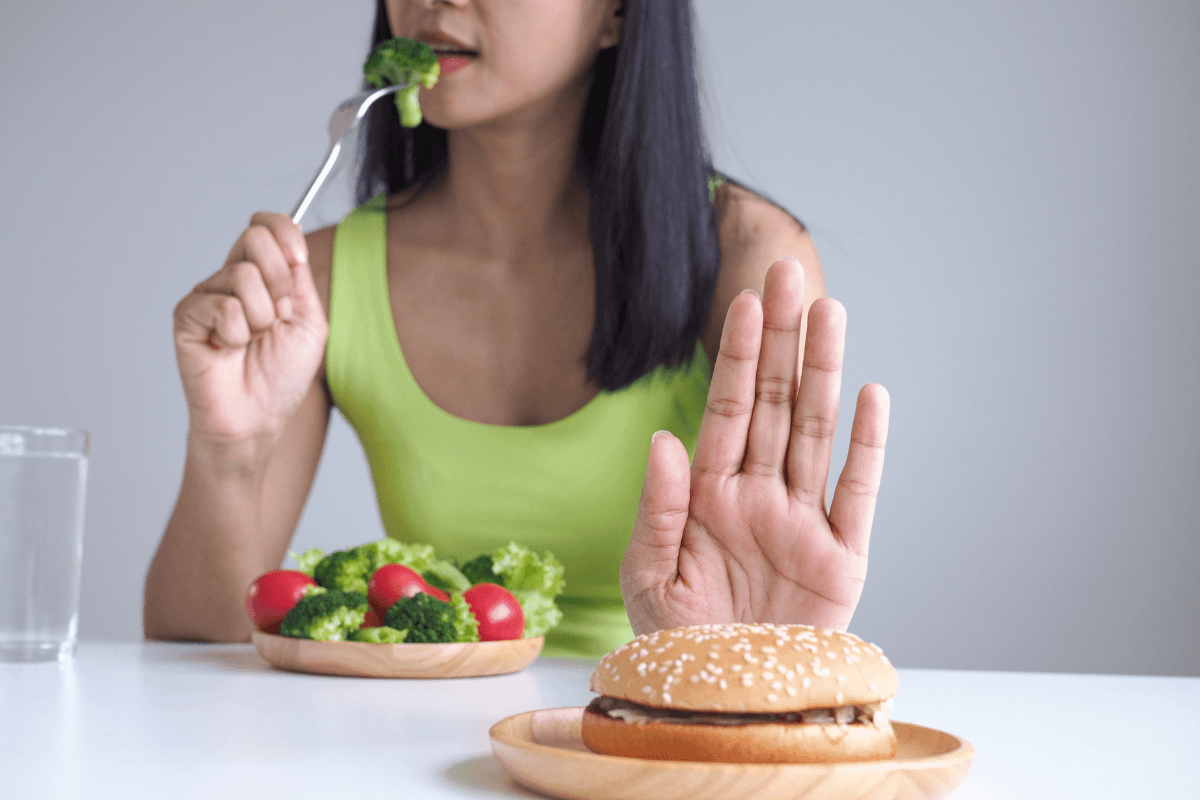
There is no official banned-food list, but the foods to avoid while taking Trulicity are usually the ones most likely to worsen nausea, early fullness, bloating, heartburn, or sharp blood sugar swings. Fried meals, very fatty foods, sugary drinks, fast food, alcohol, and oversized portions are common trouble spots. The goal is not perfection. It is to choose meals that are easier to tolerate while the medicine is affecting appetite and digestion.
Trulicity, also called dulaglutide, is a GLP-1 receptor agonist (a hormone-mimicking diabetes medicine) used in Type 2 Diabetes care. Food does not replace the medicine, and diet changes should not be used to adjust treatment on your own. Still, meal size, fat content, caffeine, alcohol, and liquid sugar can make a noticeable difference in day-to-day comfort.
Key Takeaways
- No banned-food list: tolerance varies by person.
- Common triggers: fried, greasy, sugary, processed, or very large meals.
- Gentler choices: smaller meals with lean protein, fiber, and lower-fat cooking.
- Coffee varies: caffeine may worsen nausea or heartburn for some people.
- Seek care: persistent vomiting, dehydration, or severe belly pain needs review.
Foods to Avoid With Trulicity Most Often
The main foods to avoid with Trulicity are not dangerous because of a classic food-drug interaction. They are more likely to feel heavy, irritate the stomach, or make glucose control less steady. This matters most during the first weeks after starting or after a dose change, when nausea and fullness can be more noticeable.
Fried foods are a common trigger because they combine fat, salt, and dense portions. Examples include fries, fried chicken, onion rings, fried fish, and heavy takeout meals. These foods can sit in the stomach longer and may make nausea, belching, or reflux feel worse.
Very fatty meals can cause similar problems, even when they are not fried. Large servings of creamy pasta, rich sauces, high-fat cuts of meat, pastries, and heavy cheese-based meals may feel harder to digest. You may tolerate a small amount better than a full rich meal.
Sugary drinks and desserts can also work against steadier blood sugar. Soda, sweet tea, juice, milkshakes, candy, and large desserts may add quick carbohydrates without much protein or fiber. They can also worsen nausea when taken on an empty stomach or in large amounts.
Fast food and highly processed snacks often combine several triggers at once. A burger, fries, and sweet drink may include a large portion, refined carbohydrates, saturated fat, and liquid sugar in one sitting. A simpler sandwich, soup, or smaller portion may feel very different.
Refined carbohydrates eaten alone may not keep you full for long. White bread, pastries, crackers, and sugary cereals can be easier to overeat and may raise glucose more quickly than balanced meals. Pairing carbohydrate with protein or fiber often feels steadier.
Why it matters: Portion size and fat content often matter more than one specific ingredient.
Why Food Can Feel Different on This Medicine
Meals can feel different because dulaglutide slows gastric emptying (how quickly food leaves the stomach) and can reduce appetite. A meal that once felt normal may now feel too large, too rich, or too fast. This is one reason nausea, bloating, burping, constipation, or diarrhea may show up around heavier meals.
That effect does not mean every symptom comes from food. Trulicity side effects can occur even with careful eating. However, food choices can make symptoms easier or harder to manage. A smaller, lower-fat meal may cause less pressure and fullness than a large plate with fried or creamy foods.
Timing also matters. Some people feel worse when they skip meals and then eat a large dinner. Others notice symptoms after eating late at night or drinking coffee before breakfast. A short food-and-symptom log can help show whether the issue is fat, sugar, caffeine, alcohol, speed of eating, or meal volume.
If you want wider context on diabetes care, the Type 2 Diabetes Articles collection and the Diabetes condition page can help you browse related topics.
What to Eat While Taking Trulicity
What to eat while taking Trulicity is usually a matter of building smaller, balanced meals that are easier on the stomach. Many people do better with lean protein, moderate carbohydrates, fiber-rich foods, and lower-fat cooking methods. Bland foods may help during nausea, but the long-term goal is a sustainable diabetes eating pattern.
Good starting choices often include eggs, Greek yogurt, cottage cheese, fish, chicken, tofu, beans, lentils, oatmeal, brown rice, potatoes, whole-grain toast, soups, bananas, applesauce, and cooked vegetables. Eggs are not automatically a problem. Many people tolerate them well, especially when they are boiled, poached, or scrambled with little added fat.
When nausea is active, simpler foods may work best. Toast, crackers, rice, broth-based soup, bananas, or oatmeal can be useful short-term options. As symptoms settle, many people can add back more vegetables, legumes, whole grains, fruit, nuts, seeds, and unsaturated fats in reasonable portions.
Balanced plates can also help avoid swings in hunger. For example, oatmeal with yogurt or nuts may feel steadier than sweetened cereal alone. A small chicken-and-vegetable soup may sit better than fried chicken with fries. A potato with beans or fish may be easier than a large creamy pasta dish.
If you count carbohydrates, a simple serving estimate can help you compare meals. This calculator estimates carbohydrate servings from total carbohydrate grams. It is a general math tool, not personalized nutrition advice.
Carb Serving Calculator
Convert total carbohydrate grams into carb choices for meal planning and diabetes education.
These calculations are for education only and do not replace clinical advice, diagnosis, or treatment. Always confirm medical decisions with a qualified healthcare professional.
If you also follow kidney, heart, low-sodium, pregnancy, or eating-disorder-related nutrition guidance, ask a clinician or registered dietitian before making major restrictions. People using insulin or sulfonylureas should also ask about low blood sugar risk if food intake drops. For broader treatment context, see Diabetes Products as a category list, not as a substitute for medical advice.
Coffee, Alcohol, Sweets, and Overeating
Coffee, alcohol, sweets, and large meals are not universally forbidden, but each can worsen symptoms for some people. These questions come up often because tolerance is personal. Your response may also change as your body adjusts.
Coffee and caffeine
Coffee is not a formal food interaction with Trulicity. Many people can still drink it. The catch is that caffeine may worsen nausea, loose stools, jitters, or heartburn, especially on an empty stomach. If coffee suddenly feels rough, try noticing the timing, amount, and whether you drink it with food.
Energy drinks can be more difficult because they may combine caffeine with added sugar. Sweet coffee drinks can also act like dessert. A smaller coffee, a weaker brew, or unsweetened tea may be easier for some people, but there is no single rule that fits everyone.
Alcohol
Alcohol deserves more caution than coffee. It can worsen nausea, increase dehydration risk, and make it easier to skip meals or eat inconsistently. Alcohol may also make low blood sugar harder to recognize in some situations, especially when other glucose-lowering medicines are involved.
If alcohol repeatedly leads to vomiting, poor intake, dizziness, or dehydration, that pattern should be taken seriously. Ask your prescriber what is reasonable for your health history, other medicines, and glucose plan. Avoid using alcohol to test tolerance during periods of active stomach symptoms.
Sweets and large portions
Eating sweets does not create a toxic reaction with dulaglutide, but portions matter. A small dessert after a balanced meal may feel very different from a large milkshake on an empty stomach. Sugary drinks are especially easy to overdo because they do not require much chewing and can add carbohydrates quickly.
Overeating on this medicine can be uncomfortable. Fullness may arrive later than expected, then become intense. Eating slowly, serving less than usual, and stopping at early fullness can reduce the chance of cramping, bloating, reflux, or vomiting.
Quick tip: Write down the meal, portion size, and symptoms two hours later.
How to Reduce Stomach Side Effects From Meals
You can often reduce meal-related side effects by changing the size, speed, and composition of meals. This does not mean you need a strict Trulicity diet. Start with the most likely triggers before cutting out entire food groups.
- Serve smaller portions: stop before uncomfortable fullness.
- Eat more slowly: give appetite signals time.
- Limit fried foods: choose baked, grilled, or roasted options.
- Reduce liquid sugar: swap soda or juice for water.
- Pair carbohydrates: add protein, beans, yogurt, or nuts.
- Choose gentle meals: use soups, oatmeal, or toast during nausea.
- Hydrate steadily: sip fluids between meals.
One useful approach is to remove obvious triggers for one to two weeks, then add foods back carefully. Start with greasy takeout, sweet drinks, and oversized dinners. If symptoms improve, you may not need to restrict as much as you expected.
A registered dietitian can help if food choices feel too narrow. This is especially important if you are losing weight unintentionally, eating much less than planned, or avoiding entire food groups because of fear of symptoms. If medication side effects are a major concern, Worst Side Effects of Trulicity offers a focused safety overview.
When Symptoms Need Medical Review
Diet changes are not enough when symptoms are severe, persistent, or linked with dehydration. Contact a clinician if you cannot keep fluids down, have repeated vomiting, feel faint, have very little urination, or develop severe or ongoing abdominal pain. Sudden severe belly pain should not be assumed to be from one meal.
Medical review is also reasonable if symptoms appear after a period of stability, if eating becomes very difficult, or if blood sugar readings become more unpredictable. People with kidney disease, gastroparesis (delayed stomach emptying), a history of pancreatitis, pregnancy, or complex diabetes regimens should seek individualized guidance sooner.
Do not stop, restart, or change diabetes medicines without the prescriber. If access or prescription details need confirmation, CanadianInsulin.com functions as a prescription referral platform and may help verify prescription information where required. Fulfillment, where permitted, is handled through licensed third-party pharmacies.
Related Eating Patterns and GLP-1 Medicines
Many food-tolerance principles overlap across GLP-1 medicines, but each person’s plan should still be individualized. If you use or are comparing other therapies, read medication-specific nutrition content rather than assuming every product feels the same.
For related reading, see Ozempic Foods to Avoid, Victoza Foods to Avoid, or Mounjaro Diet. These resources can help you compare practical eating issues across different treatment plans without changing your medicine on your own.
Authoritative Sources
- For label details, review the official Trulicity prescribing information.
- For patient-friendly drug safety details, see MedlinePlus dulaglutide injection information.
- For general healthy-living guidance in diabetes, see the CDC diabetes healthy eating resource.
In practice, the foods to avoid while taking Trulicity are usually fried meals, very fatty foods, sugary drinks, heavy desserts, alcohol, fast food, and oversized portions. Smaller, simpler meals with protein, fiber, and steady fluids often sit better while still supporting diabetes care.
This content is for informational purposes only and is not a substitute for professional medical advice.


