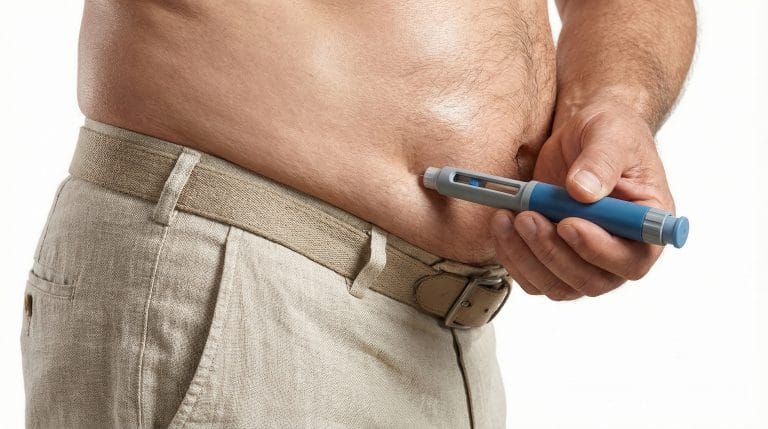



The main foods to avoid with Trulicity are large, greasy, fried, very sugary, and highly processed meals, especially during the first weeks or after a dose increase. These choices can worsen nausea, reflux, bloating, diarrhea, and uncomfortable fullness because dulaglutide slows stomach emptying. You do not need a special “Trulicity diet,” but smaller, lower-fat meals often feel easier and support steadier glucose patterns.
Trulicity is the brand name for dulaglutide, a GLP-1 receptor agonist used in type 2 diabetes care. Food does not block the medicine from working. The goal is to reduce triggers, avoid dehydration, and keep carbohydrate intake more predictable. If you use insulin or a sulfonylurea, repeated low glucose readings should be reviewed with your prescriber.
Key Takeaways
- Greasy foods: Fried and high-fat meals often worsen nausea.
- Sugary drinks: Soda and sweet tea can spike glucose.
- Alcohol caution: Drinking may raise dehydration and low-glucose risk.
- Small portions: Smaller meals usually reduce fullness and reflux.
- Seek help: Severe abdominal pain needs urgent review.
Foods to Avoid With Trulicity During Sensitive Weeks
The foods to avoid with Trulicity are usually foods that sit heavily in the stomach or cause fast glucose swings. This matters most when you first start treatment, restart after a gap, or move to a higher dose. Many people notice symptoms within a few days of an injection, then improve as their body adapts.
High-fat meals are common triggers. Fat slows digestion, and dulaglutide also delays gastric emptying. Together, they can increase burping, nausea, reflux, and early fullness. Limit deep-fried chicken, fries, greasy burgers, sausage, bacon, heavy cream sauces, buttery pastries, and large fast-food meals. You may not need to avoid them forever, but they are poor choices when symptoms are active.
Highly processed snacks can also be difficult. Chips, cookies, doughnuts, candy, sweet cereals, and rich desserts combine added sugar, refined starch, fat, and large portions. This pattern can worsen queasiness and make glucose harder to predict. For a narrower food-focused companion piece, see Foods to Avoid While Taking Trulicity.
Very spicy meals, acidic sauces, and oversized raw salads may bother some people. They are not universally unsafe. Still, they can aggravate reflux, cramping, or diarrhea while your stomach is already sensitive. During dose changes, choose simple meals and reintroduce higher-fiber or spicier foods gradually.
Quick tip: Stop eating when you first feel comfortably full, not stuffed.
Better Meal Choices When Nausea or Fullness Hits
The best foods to eat while taking dulaglutide are usually lower-fat, moderate in carbohydrate, and easy to portion. Think of this as a symptom-friendly pattern, not a strict list. Your glucose response, kidney health, appetite, and other medicines still matter.
Gentle starches can help during rough days. Oatmeal, rice, toast, potatoes, plain crackers, and small portions of pasta may sit better than fried or creamy meals. Pair starches with lean protein to avoid relying on carbohydrates alone. Eggs, chicken breast, turkey, tofu, fish, beans in small portions, and low-fat yogurt are common options.
Cooked vegetables often feel easier than large raw salads. Try carrots, zucchini, green beans, squash, or spinach. If fiber worsens gas or cramping, increase it slowly rather than making a sudden jump. Soluble fiber sources, such as oats or barley, may be gentler for some people.
Eggs and bananas are common questions. Eggs are generally a reasonable protein choice unless your clinician has told you otherwise. Cook them with little added fat, such as boiled, poached, or scrambled in a nonstick pan. Bananas can fit, but portion size matters because they contain carbohydrate. Pairing half a banana with protein may feel steadier than eating several pieces of fruit alone.
If you track carbohydrates, a serving calculator can help you compare labels and portions. It estimates carbohydrate servings from total carbohydrate, but it does not set your personal meal target.
Carb Serving Calculator
Convert total carbohydrate grams into carb choices for meal planning and diabetes education.
These calculations are for education only and do not replace clinical advice, diagnosis, or treatment. Always confirm medical decisions with a qualified healthcare professional.
For broader diabetes meal-planning context, the Type 2 Diabetes Articles collection can help you browse related education topics.
Drinks, Alcohol, and Caffeine to Limit
The drinks to avoid with Trulicity are mainly sugary beverages, heavy alcoholic drinks, and anything that worsens reflux or dehydration for you. Fluids matter because nausea, vomiting, or diarrhea can reduce intake quickly. Dehydration can make dizziness, constipation, and fatigue feel worse.
Sugary drinks can raise glucose quickly. Regular soda, sweet tea, fruit drinks, juice cocktails, sports drinks, and many energy drinks may also worsen diarrhea in some people. Choose water, sparkling water without sugar, unsweetened tea, or other low-sugar options most of the time. If you use juice to treat low glucose, follow the plan your diabetes team gave you.
Alcohol deserves extra caution. It can irritate the stomach, worsen nausea, and contribute to dehydration. In diabetes care, alcohol can also increase low-glucose risk, especially when combined with insulin or sulfonylureas. If you drink, avoid doing so on an empty stomach and monitor glucose as advised by your clinician. Heavy cocktails and sugary mixed drinks are often the most troublesome.
Caffeine is more individual. Coffee does not have to be avoided by everyone taking dulaglutide. However, large coffees, acidic brews, energy shots, and caffeine on an empty stomach may aggravate reflux, jitteriness, or nausea. If symptoms flare, try smaller servings, lower-acid coffee, tea, or decaf during sensitive weeks.
Side Effects, Timing, and When Food Is Not the Whole Story
Digestive Trulicity side effects often start soon after a new dose or dose increase. Nausea, diarrhea, vomiting, stomach pain, decreased appetite, indigestion, and constipation are among the commonly reported effects. Many people improve over time, but persistent symptoms should not be ignored.
Food changes can help, but they do not solve every problem. Call your healthcare provider if vomiting prevents you from keeping fluids down, diarrhea is frequent or severe, or constipation becomes painful. Seek urgent care for severe or persistent abdominal pain, especially if it spreads to the back or comes with vomiting. This can be a warning sign of pancreatitis, which is listed in official safety information.
Some people ask how long Trulicity side effects last. The answer varies. Symptoms may be strongest during the first few injections or after dose changes, but duration depends on the person, dose, eating pattern, hydration, and other medicines. If effects keep disrupting meals or daily life, ask about timing, titration, and whether another cause should be checked. For practical symptom steps, see Manage Trulicity Side Effects.
Why it matters: Severe symptoms may signal more than routine stomach adjustment.
Medication Interactions and Missed-Dose Questions
There are no common foods that directly cancel dulaglutide, but medication context matters. Trulicity slows stomach emptying, which can affect how quickly some oral medicines are absorbed. Most people do not need major timing changes, but narrow-therapeutic-index medicines or drugs that must act quickly deserve pharmacist review.
Low glucose risk may increase when dulaglutide is used with insulin or sulfonylureas. Symptoms can include sweating, shakiness, confusion, hunger, weakness, or a fast heartbeat. Do not change prescribed doses on your own. Instead, report repeated lows or near-lows so your prescriber can assess the full regimen.
People also ask what medications cannot be taken with Trulicity. The safest answer is individualized. Share all prescription medicines, over-the-counter drugs, and supplements with your care team. Ask specifically about insulin, sulfonylureas, warfarin, thyroid medicines, antibiotics, opioids, and stomach-irritating pain relievers if you use them. This does not mean these are always prohibited; it means timing, monitoring, or side effects may need attention.
Missed doses require label-based guidance. In general, do not double a dose to “catch up.” Check your medication instructions and ask your prescriber or pharmacist if the missed-dose window is unclear. If you repeatedly miss weekly injections, a calendar reminder, phone alarm, or pairing the dose with a regular weekly task may help. For a broader look at how dulaglutide fits into treatment, read Trulicity Uses.
Overeating, Dumping Syndrome, and Other Common Concerns
Overeating on Trulicity can quickly become uncomfortable. Because appetite may decrease and stomach emptying slows, a portion that once felt normal may now cause nausea, reflux, bloating, or pressure. Serve a smaller plate first, eat slowly, and wait before taking seconds. If you overdo a meal, return to fluids and lighter foods at the next eating time rather than skipping meals all day.
Dumping syndrome is a separate medical condition that usually follows stomach or esophageal surgery. It involves food moving too quickly from the stomach into the small intestine. Dulaglutide tends to slow gastric emptying, so the mechanism is different. Some symptoms can overlap, such as cramping, dizziness, diarrhea, or sweating, but that does not prove dumping syndrome. If these episodes happen, especially without prior surgery, ask a clinician to evaluate other causes.
Nightmares and sleep changes are sometimes discussed online, but evidence is limited. Sleep can be affected by stress, glucose changes, alcohol, caffeine, reflux, and other medications. A simple log can help. Record injection day, evening meal size, caffeine, alcohol, glucose patterns if you monitor, and sleep symptoms. Bring this record to your next appointment if the pattern continues.
Serious concerns about worst side effects should be handled carefully. Severe abdominal pain, signs of allergic reaction, symptoms of dehydration, or repeated low glucose need prompt medical attention. For a focused safety discussion, see Worst Side Effects of Trulicity.
A Simple Food-and-Symptom Reset Plan
A short reset can help identify your personal triggers without creating unnecessary food fear. Use it for a few days during nausea, reflux, or diarrhea, then widen your choices as tolerated. If you have pregnancy, kidney disease, gastroparesis, an eating disorder history, or frequent hypoglycemia, ask a clinician or registered dietitian before making major diet changes.
- Choose smaller meals: Try half portions first.
- Lower meal fat: Bake, grill, steam, or air-fry.
- Use gentle foods: Toast, rice, oatmeal, bananas, eggs, or soup.
- Sip fluids: Drink slowly between meals.
- Limit triggers: Pause alcohol, greasy foods, and large coffees.
- Track patterns: Note foods, timing, symptoms, and injection day.
- Rebuild slowly: Add fiber and spices in small steps.
This approach also helps separate food effects from medication effects. For example, diarrhea after a large fried meal may be food-triggered, while nausea after every weekly injection may need prescriber review. If you use metformin too, stomach symptoms can overlap. The resource Trulicity and Metformin explains why combination therapy can complicate symptom tracking.
Where This Fits in Diabetes Care
Food choices are one part of type 2 diabetes management. Dulaglutide may affect appetite, fullness, and glucose patterns, but meal timing, carbohydrate portions, activity, stress, sleep, and other medicines still influence daily results. If your readings are often above or below target, nutrition changes alone may not be enough.
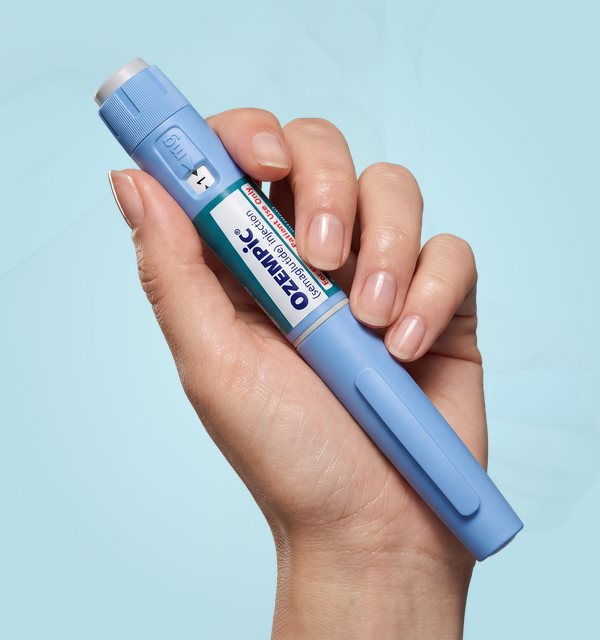
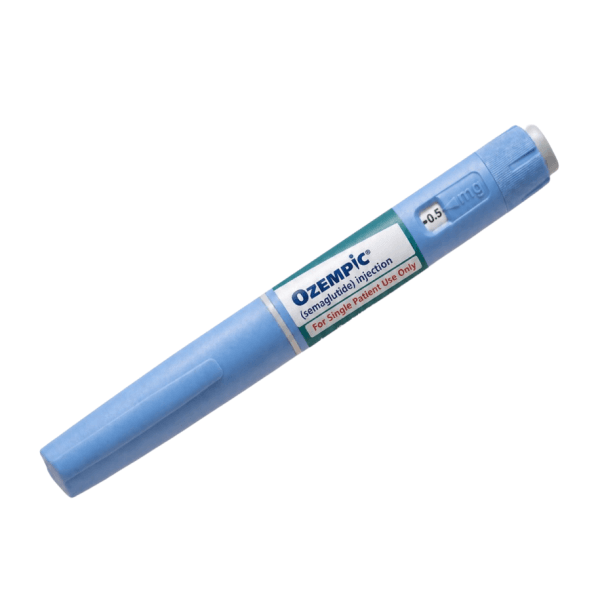
People comparing treatment options should focus on clinical fit, tolerability, and monitoring needs rather than food rules alone. Product pages can help identify medication names and formats, but treatment decisions belong with a licensed clinician. If you need general product context, the Trulicity Pens page provides medication-specific navigation. CanadianInsulin.com functions as a prescription referral platform, and dispensing is handled by licensed third-party pharmacies where permitted.
You can also browse condition-focused product collections through the Type 2 Diabetes medical-condition page. Use these resources for orientation, not as a substitute for individualized prescribing or nutrition advice.
Authoritative Sources
The official Trulicity prescribing information lists approved uses, common adverse reactions, warnings, and missed-dose instructions.
The FDA label for dulaglutide provides regulator-reviewed safety and prescribing details.
The CDC diabetes healthy eating guidance explains practical meal-planning principles for people managing diabetes.
Recap
Focus first on portion size, fat content, added sugar, alcohol, and hydration. These factors often explain why certain foods feel worse while taking dulaglutide. The most practical foods to avoid with Trulicity are not exotic items; they are large, greasy, sugary, or highly processed choices that can intensify GI side effects and glucose swings.
If symptoms are mild, try smaller low-fat meals, bland foods during flares, and a short food-and-symptom log. If symptoms are severe, persistent, or linked with low glucose or severe abdominal pain, seek medical advice promptly. Your care team can help distinguish routine adjustment from a medication, dose, or safety issue.
This content is for informational purposes only and is not a substitute for professional medical advice.