
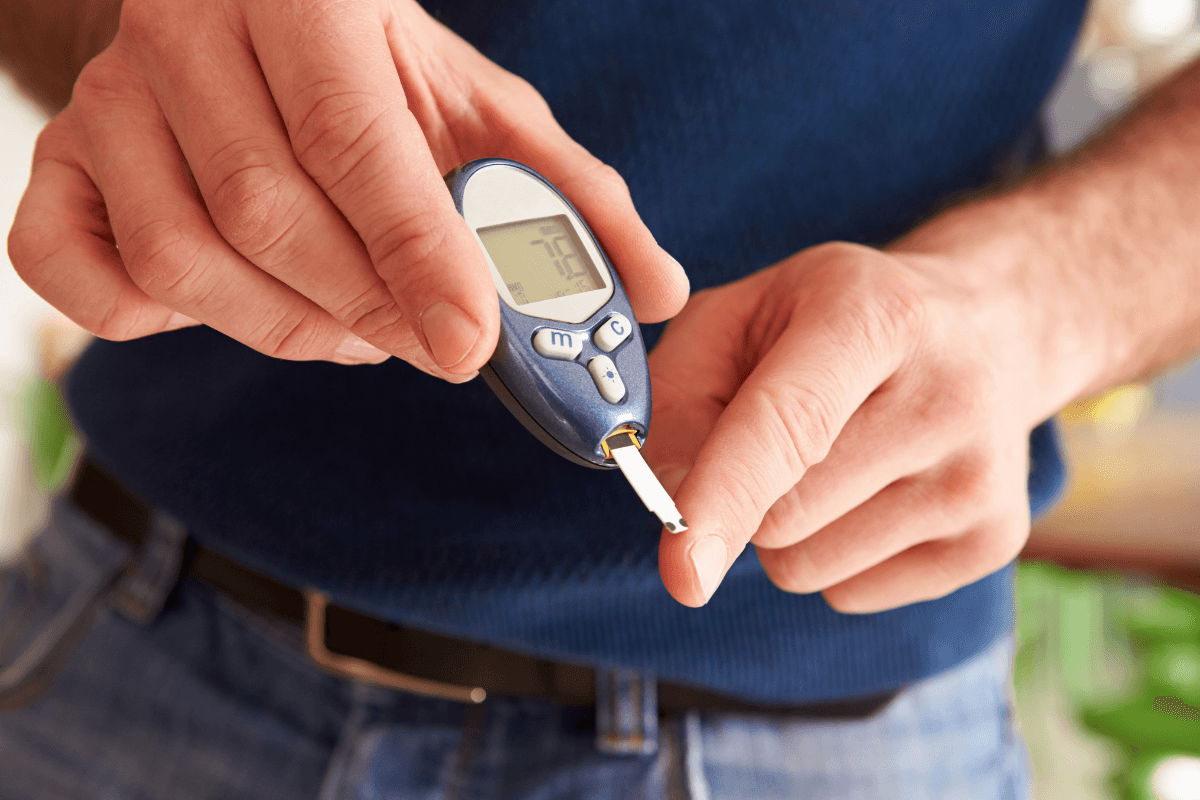
The Freestyle Freedom Lite Meter is a finger-stick blood glucose meter used to check a small blood sample at home. It can help people with diabetes see current glucose patterns, confirm symptoms, and record results for appointments. The reading is only one data point, so setup, strip handling, handwashing, and context matter. Use the manufacturer’s manual and your diabetes care plan when deciding when to test or how to respond.
Key Takeaways
- It measures current finger-stick glucose, not long-term control.
- Clean hands, fresh strips, and correct storage help reduce bad readings.
- Unexpected results should be repeated before making assumptions.
- Memory, error codes, and battery messages are practical safety features.
- Clinician-set targets matter more than generic number ranges.
How the Freestyle Freedom Lite Meter Fits Into Monitoring
A home glucose meter gives a current capillary whole blood result, meaning glucose measured from blood in small vessels near the skin. It is different from A1C, a lab measure that reflects average glucose over a longer period. It also differs from a continuous glucose monitor, which estimates glucose in interstitial fluid, the fluid around body cells.
Finger-stick testing can help when you need a point-in-time result. Some people use it before meals, after meals, during illness, when symptoms appear, or when a care team asks for a record. People using a continuous glucose monitor may still use a meter when symptoms do not match sensor readings, or when the sensor asks for confirmation.
Why it matters: A single reading can be useful, but patterns usually guide safer decisions.
The meter itself does not diagnose diabetes or decide treatment. It provides data that you and your clinician can place beside symptoms, meals, activity, medicines, and lab results. That context helps prevent overreacting to one number.
Setup Supplies That Prevent Bad Readings
Good readings start before the lancet touches the finger. A meter, compatible test strips, a lancing device, lancets, and a safe sharps container should be ready before testing. Control solution may also be used when the manual recommends a check, especially after opening a new strip vial or after a questionable result.
- Compatible strips: Use only test strips listed for the meter.
- Strip storage: Keep strips capped and away from heat or moisture.
- Date and time: Set both correctly for useful logs.
- Clean supplies: Avoid reusing lancets or contaminated strips.
- Written backup: Keep notes if electronic memory is limited.
If you use the Freestyle Freedom Lite Meter for daily tracking, keep the manual near your testing supplies. The manual explains setup screens, symbols, strip insertion, control-solution checks, and steps for reviewing stored results. Do not assume that similar FreeStyle model names use identical button sequences.
Many people ask about calibration. For modern home meters, the more practical question is whether the meter and strips are being used exactly as directed. Control-solution checks are a way to confirm the system is working within the expected range. They are not the same as changing a treatment plan.
How to Check a Finger-Stick Reading
A finger-stick reading is most reliable when the sample is clean, fresh, and large enough for the strip. Follow the product instructions first, because strip design and screen prompts can vary by model.
- Wash hands with soap and warm water, then dry fully.
- Insert a test strip as directed by the meter instructions.
- Use a clean lancet in the lancing device.
- Lance the side of the fingertip, not the fingertip pad.
- Apply blood to the strip only where instructed.
- Wait for the meter to display the result.
- Record the number with time, meal context, and symptoms.
Some instructions mention wiping away the first drop of blood. This may reduce contamination from food residue, skin products, alcohol, or tissue fluid. If you use alcohol, let the skin dry completely before lancing. If your manual or clinician gives different instructions, follow that guidance.
Quick tip: Sticky fruit residue on fingers can falsely raise a reading.
Dispose of lancets in a puncture-resistant sharps container. Local rules for sharps disposal vary, so ask a pharmacist, clinic, or local health department if you are unsure. Never leave exposed lancets where children, pets, or others could be injured.
Accuracy, Strips, and Results That Do Not Fit
A Freestyle Freedom Lite Meter reading can be affected by technique, strip condition, temperature, sample size, and substances on the skin. Home glucose meters are designed for personal monitoring, but no home meter is perfect. Even well-used meters can produce a result that needs repeating.
Accuracy questions often come up when the number feels surprising. First, wash and dry your hands, use a fresh strip, and repeat the test. Then compare the result with how you feel, recent meals, activity, medicines, and illness. If symptoms and results do not match, follow your diabetes action plan or contact your care team.
- Expired strips: Old strips may not perform as expected.
- Open vials: Moisture exposure can damage strip chemistry.
- Cold hands: Poor circulation can make sampling harder.
- Too little blood: An incomplete sample can trigger errors.
- Dirty fingers: Food, lotions, or sugar residue can distort results.
Seek urgent help for severe low-glucose symptoms, confusion, fainting, chest pain, trouble breathing, persistent vomiting, or signs of severe dehydration. Also seek help if high readings occur with symptoms such as deep rapid breathing, fruity-smelling breath, severe weakness, or confusion. These symptoms need prompt medical assessment.
Reading Numbers Without Overreacting
Each glucose number is a snapshot. Your care team may care more about repeated highs, repeated lows, fasting patterns, overnight symptoms, or after-meal changes than about one isolated value. A useful log includes the reading, time, meal timing, activity, medicines taken as prescribed, illness, and symptoms.
General range charts can help you understand terminology, but personal targets vary. Age, pregnancy, kidney disease, hypoglycemia risk, medicines, and treatment goals can all affect targets. For a plain-language number reference, see the Blood Sugar Normal Range Chart.
The converter below can help if your lab, meter, or clinician uses a different glucose unit. It converts mg/dL and mmol/L only, and it does not interpret medical risk or confirm a diagnosis.
Blood Glucose Unit Converter
Convert glucose readings between mg/dL and mmol/L without changing the clinical value.
These calculations are for education only and do not replace clinical advice, diagnosis, or treatment. Always confirm medical decisions with a qualified healthcare professional.
If a reading is high, the next step depends on your care plan and symptoms. Do not start, stop, or change insulin based only on a web article. For broader context, review What Blood Sugar Level Requires Insulin. If you need to understand dangerous high-glucose states, Ketosis vs Ketoacidosis explains the difference in practical terms.
Memory, Error Codes, Battery, and Care
The Freestyle Freedom Lite Meter stores previous readings, but the number of stored results and the steps for viewing or clearing memory should be checked in the manual. Do not clear memory before copying results if your clinician reviews your meter history. If you track results in an app or paper log, include notes that the meter cannot capture, such as missed meals or illness.
Error codes
Error codes are not random warnings. They usually point to a strip problem, sample problem, temperature issue, or meter condition. The safest response is to pause, check the manual’s error-code table, and repeat the test only after fixing the likely cause. Repeated errors with fresh strips and clean technique may mean the meter, strips, or battery need attention.
Battery and cleaning
A low-battery symbol should not be ignored. Replace the battery as directed by the manual, and keep the battery compartment dry. Clean the outside of the meter according to the manufacturer’s instructions. Do not immerse the meter in water or apply cleaners to strip ports unless the manual specifically allows it.
People also ask how long a meter lasts. There is no single useful lifespan for every device. A meter may need replacement if it is damaged, repeatedly gives errors, fails control-solution checks, has a faulty display, or is no longer supported with compatible supplies.
Comparing Similar Lite Meters
People often compare the FreeStyle Freedom Lite meter with the FreeStyle Lite meter because the names are close. The practical differences usually matter more than the name: display size, handling, portability, strip compatibility, and how easy it is to review results. Confirm current specifications through the manufacturer or manual, because models and supplies can vary by market.
| Comparison Point | Why It Matters |
|---|---|
| Display and buttons | Larger numbers or simpler buttons may help users with vision or dexterity concerns. |
| Portability | A smaller meter may be easier to carry for testing away from home. |
| Test strip compatibility | Similar names do not always guarantee the same supplies. |
| Memory review | Stored readings are useful only if you can retrieve them reliably. |
| Support and supplies | Replacement decisions should include current manual support and strip access. |
If you switch meters, do not mix strips unless the labeling clearly supports it. Keep the old meter available until you have confirmed the new meter works, the date and time are set, and you understand the error messages. Bring both meters to an appointment if readings seem inconsistent.
When to Review Results With a Clinician
Reviewing results with a clinician or diabetes educator is useful when patterns change, readings do not match symptoms, or testing has become difficult. Bring your meter, strips, log, and questions. The visit can focus on technique, target ranges, medication timing, food patterns, and when to test.
Testing can also raise broader questions. If you are checking because of symptoms or risk factors, Type 2 Diabetes Screening explains how formal testing is approached. If you are pregnant or recently had abnormal pregnancy screening, Gestational Diabetes Signs covers symptoms, monitoring, and care basics.
- Repeated lows: Ask how to prevent and treat them safely.
- Repeated highs: Review food, illness, medicines, and testing timing.
- New symptoms: Do not rely on meter data alone.
- Technique concerns: Ask someone to watch your testing steps.
- Changing routines: Discuss travel, shift work, fasting, or exercise.
Glucose logs are most useful when they connect numbers with daily patterns. For lifestyle context, Improving Insulin Sensitivity discusses general factors that may affect glucose response. For broader browsing, the Diabetes Articles hub collects related diabetes education topics.
Authoritative Sources
The sources below support safe meter use, device oversight, and diabetes technology context. Always follow the current manual that came with your specific meter.
- FreeStyle Freedom Lite manufacturer instructions for use
- FDA information on blood glucose monitoring devices
- American Diabetes Association Standards of Care
This content is for informational purposes only and is not a substitute for professional medical advice.


