
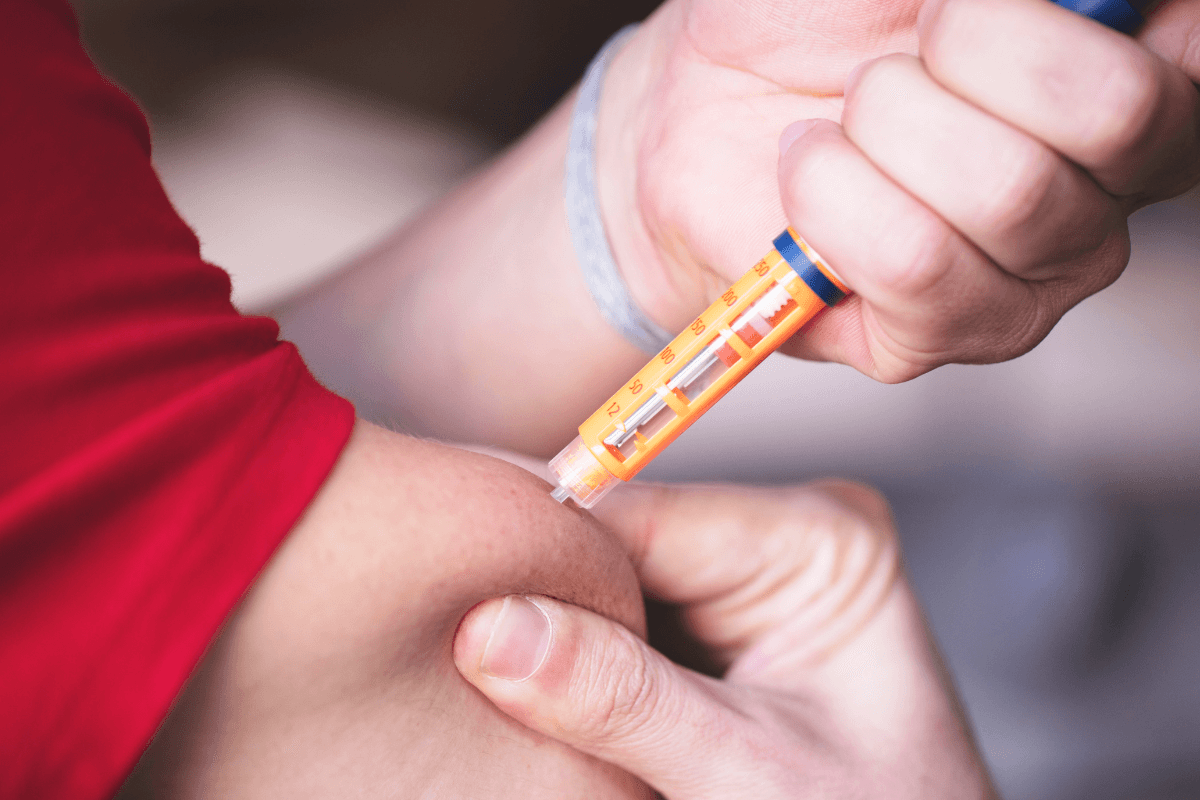
Tresiba dosing is individualized, but the core approach is consistent: start with a clinician-selected basal insulin dose, review glucose patterns, and adjust slowly to reduce hypoglycemia risk. Tresiba (insulin degludec) lasts longer than 24 hours, so one dose change can influence readings for several days. This guide explains how healthcare providers think about starting doses, titration, conversions, timing, missed doses, and dose limits. Use it to prepare for a discussion with your diabetes care team, not to self-adjust insulin.
Key Takeaways
- Once-daily basal insulin: Tresiba provides background insulin coverage.
- Slow titration matters: Changes may take days to settle.
- Starting doses vary: Diabetes type and prior insulin use matter.
- Pen limits differ: U-100 and U-200 pens have different maximums per injection.
- Missed doses need caution: Follow your prescribed plan and monitor closely.
How Tresiba Works Before Any Dose Change
Tresiba is a basal insulin, meaning it helps cover background insulin needs between meals and overnight. Its active ingredient, insulin degludec, forms a depot under the skin after injection. The insulin then releases gradually, producing a long and relatively steady effect.
This long action is useful, but it also changes how titration feels in real life. A higher dose today may not show its full pattern by tomorrow morning. Clinicians often look at several fasting readings, overnight trends, and low-glucose episodes before changing a basal dose again.
Many people use Tresiba with rapid-acting mealtime insulin, while others use it with non-insulin medicines. The plan depends on diabetes type, current medicines, weight changes, kidney function, eating patterns, and hypoglycemia (low blood sugar) risk. For a broader look at basal insulin roles, see Basal Insulin Types.
Why it matters: Basal insulin should lower fasting glucose without causing repeated overnight lows.
Starting Dose: What Clinicians Usually Consider
A starting dose is chosen from clinical context, not from a single universal number. In type 1 diabetes, basal insulin is usually one part of a basal-bolus plan. Rapid-acting insulin covers meals and corrections. In type 2 diabetes, Tresiba may be started when non-insulin therapy does not keep fasting glucose near the agreed target, or when insulin is already part of care.
For adults with type 2 diabetes who have not used insulin before, official labeling describes a common starting approach. People already using insulin may need a different plan when switching. The safest starting point depends on current total daily insulin, recent hypoglycemia, glucose monitoring data, and the clinician’s target range.
Weight-based estimates may appear in clinical references, but they are not a do-it-yourself dose calculator. A tresiba dose per kg estimate can be inappropriate if someone has frequent lows, kidney disease, reduced food intake, pregnancy, steroid use, or major changes in activity. These factors can change insulin needs quickly.
Readers often ask, “How many units of Tresiba is normal?” There is no single normal dose. One person may use a modest daily dose, while another needs much more because of insulin resistance, other medicines, or long-standing diabetes. The more useful question is whether the dose fits glucose patterns without causing unsafe lows.
Tresiba Dosing for Type 1 and Type 2 Diabetes
Tresiba has different roles in type 1 and type 2 diabetes care. In type 1 diabetes, it supplies the basal portion of insulin treatment. The rest usually comes from rapid-acting insulin at meals or for corrections. If basal insulin is too high, a person may see overnight lows or need frequent snacks to prevent them. If it is too low, fasting readings may stay high despite reasonable meal dosing.
In type 2 diabetes, tresiba dosing often focuses first on fasting glucose. Clinicians may review morning readings, bedtime readings, meal timing, and hypoglycemia episodes. They may also consider medicines such as metformin, GLP-1 receptor agonists, SGLT2 inhibitors, or sulfonylureas, because these can affect insulin needs and low-glucose risk.
For condition-specific browsing, the Type 1 Diabetes and Type 2 Diabetes collections can help readers find related education. Product and condition collections are navigational resources, not substitutes for individualized dosing advice.
Titration: Why Dose Changes Are Usually Gradual
Titration means adjusting a dose step by step toward a target. With Tresiba, clinicians usually avoid rapid increases because insulin degludec has a long duration and takes time to reach a stable pattern. Several days of fasting glucose data are often more useful than one isolated reading.
A typical titration review looks for patterns. Are fasting readings consistently above target? Did lows occur overnight or before breakfast? Were there unusual factors, such as alcohol intake, illness, missed meals, new exercise, steroid treatment, or a delayed injection? These details can prevent an unnecessary dose increase.
A tresiba dosing chart can be helpful when it comes from your care team. Good charts usually connect fasting glucose ranges with small dose changes and clear instructions for lows. They also tell you when to pause adjustments and contact the clinic. Generic online charts may not reflect your target, insulin sensitivity, or medication list.
For general context on insulin units and dose planning, Insulin Dosage Chart explains why insulin requirements differ between people. Use that background to ask better questions, not to replace your prescribed plan.
Why a Calculator Cannot Set the Dose
A tresiba dose calculator may estimate a number from weight or prior insulin use, but it cannot judge safety. It does not know whether fasting highs follow late meals, missed doses, steroid bursts, infection, or rebound after nocturnal hypoglycemia. It also cannot evaluate kidney function, pregnancy, or hypoglycemia unawareness.
If you track readings in different units, a glucose converter can help you compare logs that use mg/dL and mmol/L. It only converts units and does not recommend insulin doses.
Blood Glucose Unit Converter
Convert glucose readings between mg/dL and mmol/L without changing the clinical value.
These calculations are for education only and do not replace clinical advice, diagnosis, or treatment. Always confirm medical decisions with a qualified healthcare professional.
Switching From Another Basal Insulin
Switching basal insulin should be planned with a clinician because products do not behave identically. Insulin glargine U-100, insulin glargine U-300, insulin detemir, and insulin degludec differ in duration, concentration, and dosing history. A person moving from once-daily insulin may need a different approach than someone moving from twice-daily basal insulin.
Clinicians usually review the current daily dose, injection timing, recent lows, and fasting trends. In some cases, a unit-for-unit starting point may be considered. In others, a reduction may be safer, especially if hypoglycemia has been frequent or the previous basal insulin overlapped with the new one.
After the switch, patience matters. The first few days may not show the complete pattern. Your care team may ask for fasting readings, bedtime readings, and notes about missed meals or unusual activity before the next adjustment. For a practical comparison with another basal insulin, see Tresiba vs Lantus.
Dosing Frequency, Timing, and Missed Doses
Tresiba is generally used once daily. Its long action allows more timing flexibility than some basal insulins, but that does not mean timing is unimportant. A consistent anchor time, such as morning or bedtime, can make patterns easier to interpret.
Some prescribing information notes that adults should allow enough time between injections when changing the dosing time. Your personal plan may be stricter if you have frequent lows, variable meals, shift work, or use rapid-acting insulin. Children and adolescents may have different timing instructions, so caregivers should follow the prescriber’s directions.
If a dose is missed, do not automatically double the next dose. Many plans advise taking the dose when remembered if enough time remains before the next scheduled dose, then returning to the usual schedule. However, the safest action depends on your glucose level, timing, other diabetes medicines, and your history of lows.
What happens if you take double dose of Tresiba? The main concern is prolonged hypoglycemia, because the insulin can keep working for a long time. Check glucose more often, keep rapid carbohydrates available, and contact your care team or local poison centre for individualized instructions. Seek urgent help for severe symptoms, confusion, seizure, loss of consciousness, or inability to keep carbohydrates down.
Quick tip: Keep a written missed-dose plan where you store your insulin.
Maximum Dose, High-Dose Use, and Pen Limits
There is no universal maximum dose of Tresiba that applies to every adult. Insulin needs vary widely. However, each delivery device has a maximum amount it can deliver in one injection. That device limit is different from a medical maximum daily dose.
The U-100 FlexTouch pen can deliver up to 80 units in a single injection. The U-200 FlexTouch pen can deliver up to 160 units in a single injection. These limits matter when someone asks, “Is 80 units of Tresiba too much?” or “Is 100 units of Tresiba a lot?” The answer depends on the person’s prescribed regimen, glucose patterns, and pen type.
Higher doses may be appropriate for some people with insulin resistance, but they should trigger a careful review. Clinicians may check injection technique, site rotation, missed doses, expired insulin, storage problems, recent weight changes, steroid exposure, and other medicines. They may also consider whether non-insulin therapies could reduce total insulin needs.
If large doses require more than one injection, the care team should explain how to give them safely. Do not split, combine, or alter injections unless your prescriber gives clear instructions. For device context, see the Tresiba FlexTouch Pens page, and compare other basal formats such as Lantus SoloStar Pens only with clinical guidance.
Safety Checks Before Adjusting Basal Insulin
Before any basal insulin change, the most useful safety check is pattern review. One high fasting reading may follow a late meal, a missed dose, illness, stress, or poor sleep. One low reading may follow extra activity, alcohol, a smaller dinner, or a larger correction dose. Patterns are safer than single numbers.
Ask your care team what glucose range should prompt a dose reduction, a pause in titration, or a same-day call. This is especially important if you have hypoglycemia unawareness, kidney disease, gastroparesis (delayed stomach emptying), pregnancy, major appetite changes, or a history of severe lows.
Also review injection technique. Rotate sites across the abdomen, thigh, or upper arm if those sites were recommended for you. Avoid injecting repeatedly into thickened or lumpy areas, because absorption can become unpredictable. Check that you use a new needle, prime pens as instructed, and store insulin according to the product directions.
People using both basal and mealtime insulin should avoid correcting every high reading with basal insulin. Basal insulin is designed for background coverage, not meal spikes. A clinician may need to adjust meal insulin, carbohydrate ratios, correction factors, or food timing instead. For a broader education pathway, the Diabetes Articles collection offers related topics on insulin use and glucose monitoring.
Practical Questions to Bring to Your Clinician
A short list of questions can make a dosing visit more productive. Bring at least three to seven days of glucose readings if your clinician asked for them, including fasting values, bedtime values, lows, and missed-dose notes.
- Starting plan: What dose and timing should I use?
- Titration rule: When should I adjust or pause?
- Low threshold: What reading requires a dose reduction?
- Missed dose: What should I do at different times of day?
- Device limit: Does my pen deliver my full dose?
- Switching plan: How should I stop the prior basal insulin?
- Follow-up timing: When should I send glucose logs?
If you use a prescription referral service for access support, prescription details may need confirmation with the prescriber, and dispensing is handled by licensed third-party pharmacies where permitted. That service context does not change your dosing plan; your prescriber remains the source for dose instructions.
Authoritative Sources
Official labeling is the primary source for approved dosing instructions, device limits, warnings, and administration details. Review the FDA Tresiba prescribing information for label-backed details.
The American Diabetes Association publishes standards that describe individualized diabetes care, insulin use, hypoglycemia prevention, and monitoring goals. See the ADA Standards of Care for current clinical guidance.
Health Canada also maintains drug product information for approved medicines in Canada. The Drug Product Database can help verify Canadian product records and monographs.
Recap
Tresiba is an ultra-long-acting basal insulin used once daily in many treatment plans. Safe dosing depends on individualized starting decisions, slow titration, glucose-pattern review, and careful attention to hypoglycemia. Pen limits can affect how a prescribed dose is delivered, but they are not the same as a universal daily maximum.
Bring your glucose logs, missed-dose history, and current medication list to each insulin review. If you are switching basal insulins, ask how long to monitor before the next change. For broader product browsing, the Diabetes Products collection can help you recognize related formats while keeping dosing questions with your healthcare team.
This content is for informational purposes only and is not a substitute for professional medical advice.


