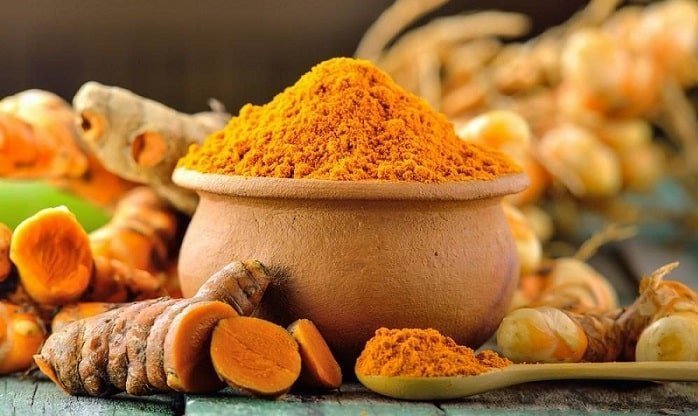
Turmeric and diabetes is a fair question, but the short answer is cautious. Turmeric may have anti-inflammatory and antioxidant effects, and some small human studies suggest modest changes in blood sugar markers. Still, the evidence is mixed, most trials are short, and supplement formulas vary widely. That matters because food turmeric is not the same as a concentrated curcumin supplement, and the main safety concerns such as drug interactions, digestive upset, gallbladder problems, and rare liver injury are mostly linked to higher-dose products rather than normal cooking use.
Key Takeaways
- Evidence is promising but still limited.
- Most studies use extracts, not food turmeric.
- No standard diabetes-specific dose exists.
- Digestive side effects are the most common.
- Drug interactions matter more than marketing claims.
Turmeric and Diabetes: What the Evidence Suggests
Turmeric is a spice, while curcumin is its best-known active compound. Researchers study curcumin because it has antioxidant and anti-inflammatory activity, and those pathways may matter in insulin resistance and cardiometabolic disease. In human research, some trials have reported improvements in fasting glucose, HbA1c (an average three-month blood sugar marker), or insulin sensitivity, while others have found smaller changes or no clear benefit.
Why do researchers keep revisiting it? Much of the interest comes from lab and animal data showing effects on inflammatory signaling, oxidative stress, and metabolic pathways. Those findings are useful for hypothesis building, but they are not the same as proof of clinical benefit in people managing diabetes day to day.
Meta-analyses sometimes show modest average improvements in fasting glucose or insulin resistance, but pooled results still inherit the weaknesses of the original studies. Small sample sizes, short follow-up, mixed baseline control, and different supplement formulas all limit how much certainty you can take from a positive summary result.
The biggest problem is consistency. Some studies test turmeric powder, some use standardized extracts, and some add piperine from black pepper to improve bioavailability (how much gets absorbed). That makes it hard to compare results or turn them into one reliable rule for daily use.
For broader background, you can browse the site’s Diabetes Articles and Diabetes Hub. Similar plant-compound questions also come up in Polyphenols And Diabetes, Cinnamon And Diabetes, and Ginger And Diabetes.
Why it matters: A positive supplement study does not mean the kitchen spice will behave the same way.
Prescription details may need prescriber confirmation when rules require it.
What Studies Actually Measure
The most common study outcomes are fasting glucose, post-meal glucose, HbA1c, and HOMA-IR (a calculated estimate of insulin resistance). Those numbers can move for many reasons, including food intake, weight change, sleep, illness, exercise, or medicine adherence. So a modest shift in one marker does not prove that turmeric alone changed the course of diabetes.
HbA1c matters because it reflects roughly three months of average glucose exposure. A short study may not capture that well, especially if participants start with very different baseline control. Some trials also report changes that are statistically significant but not clearly meaningful in daily care.
Another limitation is follow-up. Most studies do not tell us whether any effect persists, whether it reduces complications, or whether benefits outweigh risks over time. That is very different from standard diabetes therapies, which are studied for harder outcomes and with more consistent product definitions.
This pattern is common across supplement topics. People comparing turmeric with other nutrition questions often end up looking at Best Vitamins For Diabetics Type 2. The same caution usually applies: interesting biology does not automatically translate into a clear clinical benefit.
Dosage: Why There Is No Single Best Amount
There is no established turmeric dosage for diabetes. Study formulas vary, and many trials use concentrated curcumin extracts rather than plain turmeric powder. Labels may describe turmeric root, turmeric extract, curcumin, or total curcuminoids, and those terms are not interchangeable. That is one reason online dosage advice often sounds more certain than the evidence really is.
When people look into turmeric and diabetes, dosage is usually the next question. The practical answer is to focus less on a magic number and more on the formulation, the rest of the ingredient list, and your medication profile. A product with piperine may increase absorption, but that same feature can also raise interaction questions.
Another source of confusion is the label itself. A capsule labeled with a large total milligram amount does not automatically contain the same amount of curcumin. Some products refer to whole turmeric, others to extract, and others to standardized curcuminoids. Food turmeric contains much smaller amounts of curcumin than concentrated products, so copying study language from a headline rarely gives a practical answer.
Food Turmeric Versus Supplements
| Form | What It Usually Contains | What Matters Here |
|---|---|---|
| Food turmeric | Whole spice with relatively low curcumin content | Useful in cooking, but not equivalent to research extracts |
| Standard supplement | Turmeric or curcumin in capsule or tablet form | Labels vary, so one product may not resemble another |
| Enhanced formula | Curcumin plus piperine or another absorption aid | Absorption may rise, but interaction concerns can too |
Absorption enhancers deserve their own attention. Piperine can raise curcumin absorption, but it may also affect how other substances are handled in the body. Better absorption is not automatically the better fit for every person, especially if several medicines are already in the mix.
What To Review On A Label
- Main ingredient name and form.
- Standardized curcuminoid content, if listed.
- Piperine or black pepper extract.
- Serving size and capsule count.
- Extra herbs or blended ingredients.
Quick tip: Bring the full supplement label, not just the front of the bottle, to any medication review.
Common Mistakes When Reading Turmeric Claims
Marketing language can blur the line between promising research and proven benefit. Claims around a turmeric supplement for diabetes may use phrases such as clinically studied, highly bioavailable, or supports healthy glucose metabolism without explaining who was studied, how long the study lasted, or what other treatments people were using.
- Mixing up food with extracts.
- Assuming natural means low risk.
- Equating short studies with long-term benefit.
- Stacking several supplements at once.
- Ignoring the rest of the medication list.
Another common mistake is treating one lower glucose reading as proof that a supplement is working. Glucose varies from day to day, and the signal can be affected by sleep, stress, meal content, exercise, or timing of medicines. Pattern review matters more than one isolated number.
Example: someone starts a turmeric capsule, changes breakfast, and begins a short evening walk in the same week. A better fasting reading afterward may reflect all three changes, not the supplement alone.
Side Effects, Interactions, and Who Should Be Careful
Side effects are usually gastrointestinal. People may report nausea, bloating, loose stools, stomach upset, or reflux. Food use in cooking is generally lower risk than high-dose supplements because capsules can deliver more concentrated curcuminoids than a meal would. Rare liver injury has also been reported with some turmeric or curcumin products, which is one reason supplement quality and medication review matter.
Extra caution is reasonable if you have gallstones, bile duct obstruction, a history of liver disease, planned surgery, or you use blood thinners or antiplatelet medicines. People with recurrent kidney stones may also want a clinician review before starting a concentrated product. These issues are more relevant to supplements than to ordinary culinary use.
In turmeric and diabetes discussions, the biggest jump in risk comes from concentrated supplements, not normal food use. If you take metformin, insulin, sulfonylureas, or other glucose-lowering medicines, adding a supplement can complicate glucose trends and side-effect tracking. It is not a replacement for evidence-based care such as the 2024 ADA Standards, and people already reviewing metformin-related questions may find Metformin In Prediabetes useful background.
Metformin itself can cause nausea, diarrhea, or stomach discomfort. If turmeric is added at the same time, it may be hard to tell which product is causing worse symptoms. The same problem applies when several supplements are introduced together.
Seek prompt medical review if a new supplement is followed by jaundice, dark urine, severe abdominal pain, persistent vomiting, black stools, or unusual bruising. Those symptoms are uncommon, but they deserve attention.
When permitted, licensed third-party pharmacies handle dispensing and fulfilment.
What Turmeric Cannot Replace
Turmeric may fit as a food ingredient or optional supplement discussion, but it cannot replace glucose monitoring, prescribed medicines, or a nutrition plan that matches your condition. A supplement does not fix skipped doses, inconsistent meals, untreated sleep problems, or delayed follow-up.
It also cannot answer bigger diabetes questions on its own, such as why HbA1c changed, whether your current regimen is adequate, or whether weight loss, meal planning, or medication timing is driving most of the problem. Those issues need a broader review of food patterns, activity, labs, and medicines.
If the real goal is fewer added sugars, more fiber, or more balanced meals, supplement shopping may be the wrong starting point. In that setting, food-based strategies and standards-based care usually provide clearer value than adding one more capsule.
How To Use Turmeric More Safely, If You Are Considering It
A safer starting point is to decide whether you are talking about food or a supplement. Adding turmeric to meals is not the same decision as taking a capsule marketed for blood sugar. If the goal is better meal quality, taste, or variety, food-based changes may answer the question without introducing a high-dose product at all.
- Clarify the goal before choosing a product.
- Use one new supplement at a time.
- Check the label for piperine and blends.
- Keep a simple glucose and symptom log.
- Do not change prescribed medicine on your own.
- Stop the product if warning symptoms appear.
If you use fingersticks or a continuous glucose monitor, keep the review simple. Look for patterns over time rather than reacting to one outlier. A single high or low reading after starting a supplement does not give a full picture.
If your main aim is to improve nutrition rather than add another capsule, food-focused reading may help more than supplement marketing. Useful starting points include Protein Shakes For Diabetics and Fiber In A Diabetic Diet.
Where It Fits In A Diabetes Plan
For most adults, turmeric works best as a context question, not a cure question. It may be reasonable to discuss as one optional part of a wider plan that already includes monitoring, nutrition, activity, and prescribed treatment. It becomes less useful when it is treated as a shortcut around the basics.
The people most often studied are adults with prediabetes or type 2 diabetes who want better overall metabolic control. There is much less evidence in people with type 1 diabetes, complex insulin regimens, or multiple active medical problems. In those situations, avoiding extra variables may be the safer choice.
Some readers are really asking a broader question about anti-inflammatory eating patterns. If that is the goal, the overall diet usually matters more than any one spice capsule. Turmeric can fit into a food pattern, but it should not carry more weight than the rest of the plan.
If you are comparing established therapies rather than supplements, the site’s Diabetes Products hub is a browseable place to look at treatment categories. That distinction matters because supplements and prescribed therapies are held to very different evidence standards.
Overall, turmeric and diabetes research is interesting but not definitive. The best next step is usually not a bigger dose. It is a clearer review of the product label, the reason you want to use it, and the rest of your care plan.
Bottom Line
Turmeric may have biologic effects that are relevant to blood sugar and inflammation, but human evidence remains mixed and product labels can be hard to compare. Food turmeric and curcumin supplements are not the same conversation. The safest way to think about this topic is as a possible adjunct, not a substitute for established diabetes care.
Authoritative Sources
- NCCIH on turmeric usefulness and safety
- Systematic review of curcumin and diabetes
- Harvard Health review of turmeric evidence
This content is for informational purposes only and is not a substitute for professional medical advice.