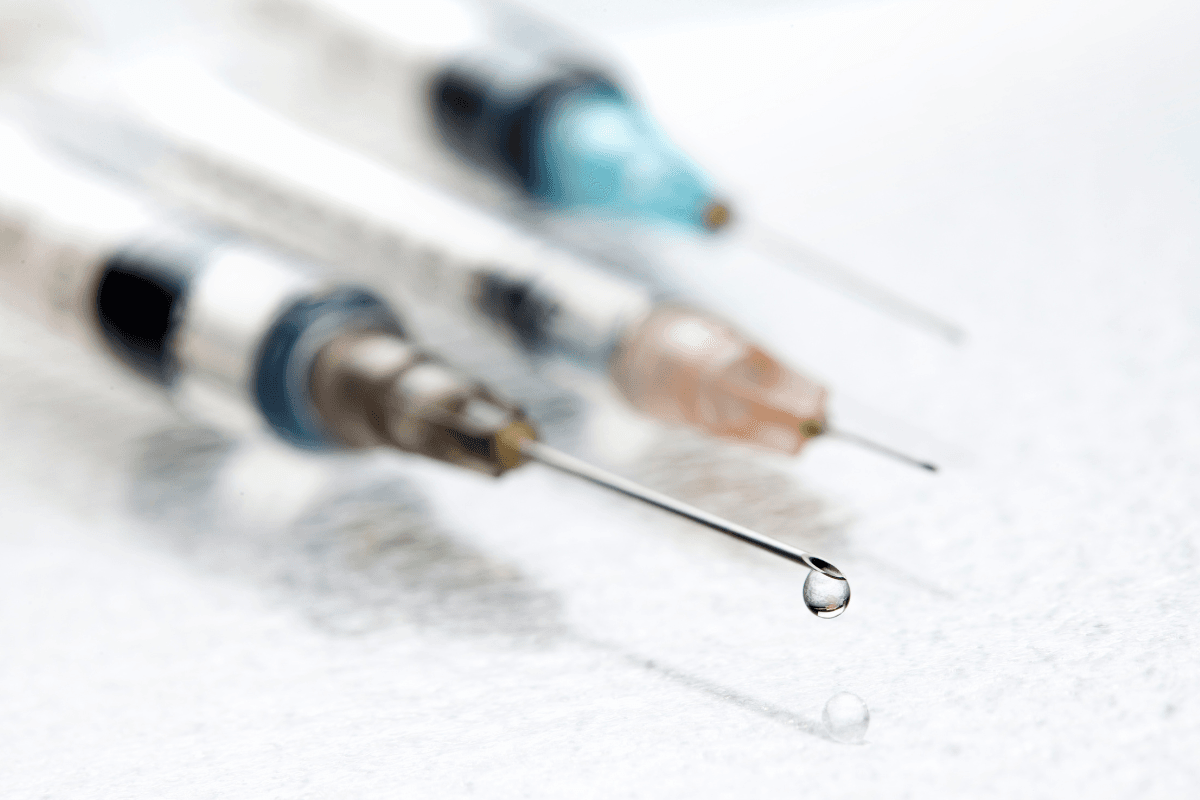
BD needle types include pen needles, insulin syringe needles, conventional hypodermic needles, and safety-engineered needles. The right choice depends on the medication, injection route, needle gauge, needle length, syringe markings, and user technique. This matters because a poor match can increase discomfort, affect dose accuracy, or raise sharps safety risks.
This article focuses on common medical injection supplies, especially insulin-related devices. It is not a substitute for training from a clinician, pharmacist, diabetes educator, or the product instructions supplied with a specific device.
Key Takeaways
- Gauge means width; higher numbers are thinner needles.
- Length affects depth; shorter needles often suit subcutaneous injections.
- Syringe markings matter; insulin units must match insulin concentration.
- Safety mechanisms help reduce accidental needlesticks when used correctly.
- Sharps disposal protects caregivers, sanitation workers, and the public.
How BD Needles Fit Into Injection Care
BD needles are single-use injection devices made in several designs for different clinical tasks. Some attach to syringes. Others attach to insulin pens. Some include safety guards that cover the tip after use. The shared purpose is controlled medication delivery through the skin, but the details differ by route and setting.
The main injection routes are subcutaneous, intramuscular, and intradermal. Subcutaneous means under the skin into fatty tissue. Intramuscular means into muscle. Intradermal means into the skin layer itself. Insulin is usually given subcutaneously, while some vaccines and other medicines may use different routes.
BD needle types are often grouped by device family and intended use. For example, pen needles are made for compatible injection pens. Insulin syringe needles are fixed to syringes with insulin-unit markings. Conventional hypodermic needles attach to standard syringes and may be used in clinics for many medications. Safety needles include shields or guards designed to reduce exposure after injection.
Why it matters: Matching the needle to the route helps support comfort and proper delivery.
Gauge, Length, and Size: The Practical Meaning
Needle size has two main parts: gauge and length. Gauge describes needle diameter. A higher gauge number means a thinner needle. Length describes how far the needle can enter tissue. Both features influence comfort, flow, and whether the medication reaches the intended tissue layer.
For insulin injections, many people use short, thin pen needles or insulin syringe needles. Shorter options can reduce the chance of reaching muscle when used correctly. This can matter because intramuscular insulin delivery may change absorption. Technique still matters, including insertion angle, site choice, priming for pens, and the time the needle stays in place after pressing the dose button.
A BD needle sizes chart can help you compare common gauge and length formats, but it should not replace device instructions. Charts are useful for reading labels, checking compatibility, and understanding why two needles that look similar may behave differently. A clinician may also account for age, body size, injection site, medication volume, and whether the solution is thick or thin.
How Gauge and Length Work Together
Thin needles may feel more comfortable for some users, but they can bend if handled roughly. Slightly wider needles may feel more stable and can support faster flow for certain medications. Longer needles may be needed for intramuscular injections, but they require careful technique to avoid going too deep for subcutaneous medicines.
Most people should not choose a needle by gauge alone. A short, thin needle and a longer, moderate-gauge needle can serve very different purposes. If your prescription, pen, or syringe instructions name a specific size, follow that direction unless your clinician changes it.
Common Types and Where They Are Used
The most useful way to compare BD needle types is by use case. A person using insulin at home has different needs than a clinic giving vaccines, allergy testing, or other injections. The table below gives a plain-language overview without replacing product-specific instructions.
| Needle type | Typical use | Key selection point |
|---|---|---|
| Pen needles | Insulin pens and some other injection pens | Must fit the pen and suit the injection route |
| Insulin syringe needles | Drawing and injecting insulin from a vial | Must match insulin concentration and dose scale |
| Conventional hypodermic needles | Clinic injections, drawing medication, varied routes | Gauge and length depend on route and medication |
| Safety needles | Clinics, pharmacies, and some home-care settings | Guard must be activated exactly as directed |
| Specialty small-volume devices | Allergy, TB, or other small-dose tasks | Markings and route-specific technique are critical |
BD insulin pen needles are designed to twist onto compatible pen injectors. They are not used to draw liquid from a vial. If you are comparing pens with other injectable options for diabetes, our overview of Injectable Alternatives explains how non-insulin injections fit into type 2 diabetes care.
BD insulin syringe needles are different because the needle is attached to a syringe barrel. The barrel contains markings that help measure a dose. For U-100 insulin, the syringe must be calibrated for U-100 insulin. Using the wrong syringe style or concentration can lead to serious dosing errors.
BD PrecisionGlide needles are conventional hypodermic needles used in clinical settings and other healthcare workflows. They come in multiple sizes, so the name alone does not identify the right choice. The route, medication, and protocol determine the appropriate gauge and length.
Insulin Pen Needles and Syringe Needles
Insulin supplies deserve special care because small measurement errors can matter. Pen needles and syringe needles both support insulin delivery, but they work in different routines. Pens use a dialed dose and a removable needle. Vials and syringes require drawing insulin into the syringe before injection.
People using pens need a needle that is compatible with their specific pen device. Short pen needles are common, including very short options often described as nano or ultra-fine styles. These designs may help reduce injection discomfort, but comfort also depends on technique, site rotation, and avoiding repeated use of the same needle.
People using vials need an insulin syringe with clear markings and the correct unit scale. Syringe capacity should fit the usual dose range. A very large syringe can make small doses harder to read. A very small syringe may not hold larger doses. If your insulin needs change, ask a clinician or pharmacist whether your syringe size still fits.
Device choice also depends on the broader diabetes plan. For background on why some people need insulin while others use different treatment approaches, see Insulin Resistance vs Insulin Deficiency. For a wider treatment context, Diabetes Treatment covers common care categories without focusing only on injection supplies.
Reading Syringe Markings Safely
Syringe markings show volume or units, depending on syringe type. Insulin syringes commonly show insulin units. General syringes may show millilitres. These are not interchangeable systems unless a healthcare professional provides clear instructions.
Read the mark at eye level and check the plunger position carefully. Air bubbles, poor lighting, and rushing can make a dose harder to confirm. If markings are difficult to see, ask about alternatives such as a different syringe size, pen device, or assistive tool.
How to Choose Without Guessing
The safest way to choose a needle is to start with the prescription, medication instructions, and device requirements. Then confirm the route, dose volume, and compatible connection. For insulin, also confirm the concentration, such as U-100, before using a syringe.
Use this practical review before changing supplies:
- Medication route: Confirm subcutaneous, intramuscular, or intradermal use.
- Device fit: Match pen needles to the specific pen.
- Gauge and length: Choose based on route and technique.
- Syringe scale: Match units or mL markings correctly.
- Dose volume: Use a syringe capacity that is easy to read.
- Grip and vision: Consider handling, dexterity, and label readability.
- Disposal plan: Have a sharps container ready before injecting.
BD needle sizes should not be selected only by what feels most comfortable. A comfortable needle still needs to deliver the medication to the right tissue. For example, a needle used for a vaccine may be inappropriate for routine insulin use, while a short insulin pen needle may be wrong for a medication intended for muscle injection.
Some injectable diabetes medicines use pens but are not insulin. If you are comparing these categories, GLP-1 Explained outlines how that medication class differs from insulin-based therapy. If your treatment involves a specific pen format, the Tresiba FlexTouch Pens page can provide device context for that product, but needle compatibility should still be checked against current instructions.
Safety, Skin Rotation, and Disposal
Needles should be used once and then discarded in an approved sharps container. Reuse can dull the tip, increase discomfort, and raise contamination risk. It can also affect dose delivery if a needle clogs, bends, or leaks.
Site rotation helps protect skin and supports more predictable absorption. Repeated injections into the same small area can contribute to lipohypertrophy, which means thickened or lumpy fatty tissue under the skin. Rotate within recommended areas, and avoid injecting into bruised, tender, scarred, or abnormal skin unless a clinician gives different instructions.
Safety-engineered needles require specific activation steps. Some shields slide forward. Others pivot or lock after injection. If the device has a safety feature, practice with instruction materials before patient use when possible. Never point an exposed needle toward yourself or another person.
Quick tip: Place the sharps container within reach before opening the needle package.
Do not place loose needles in household trash, recycling, or public waste bins. Local rules can vary, so follow your community or pharmacy guidance for container return or disposal. If a needlestick occurs, wash the area and contact a healthcare professional or local occupational health service for next steps.
When to Ask a Clinician or Pharmacist
Ask for help if you are unsure whether a needle fits your pen, syringe, or medication. It is also reasonable to ask for a technique review if injections are painful, leaking, bruising often, or leaving raised lumps. These issues may reflect site choice, angle, needle length, dwell time, or repeated use rather than the brand alone.
Seek prompt medical advice for signs of infection, such as increasing redness, warmth, swelling, pus, fever, or severe pain at an injection site. For insulin users, repeated unexplained low or high glucose readings also deserve review. Do not change insulin doses or needle length to troubleshoot glucose patterns without guidance from your care team.
Some people with type 2 diabetes use injections because insulin resistance, insulin deficiency, or both are part of their condition. If you are learning why tests or treatment categories differ, Diagnosing Insulin Resistance may help you prepare better questions for your appointment.
CanadianInsulin.com functions as a prescription referral platform, and prescription details may need confirmation with the prescriber where required. That access process is separate from clinical decisions about needle type, dose, or injection technique.
Authoritative Sources
For product-family context, see BD’s information on conventional needles and related device features. Product pages are useful for device identification, but they do not replace individualized clinical instruction.
For safe home disposal principles, the FDA explains how sharps disposal containers are used. Local disposal programs may set additional rules.
For diabetes injection and monitoring context, the American Diabetes Association provides patient education on diabetes medications, including injectable treatment categories.
Recap
BD needle types differ by device, gauge, length, safety design, and intended route. For insulin, the most common choices are pen needles and insulin syringes with appropriate markings. For clinic procedures, conventional and safety needles may be used in different sizes for different tasks.
The best next step is to verify the medication, route, device compatibility, and disposal plan before use. If anything is unclear, ask a clinician or pharmacist to review the exact product and technique.
This content is for informational purposes only and is not a substitute for professional medical advice.