
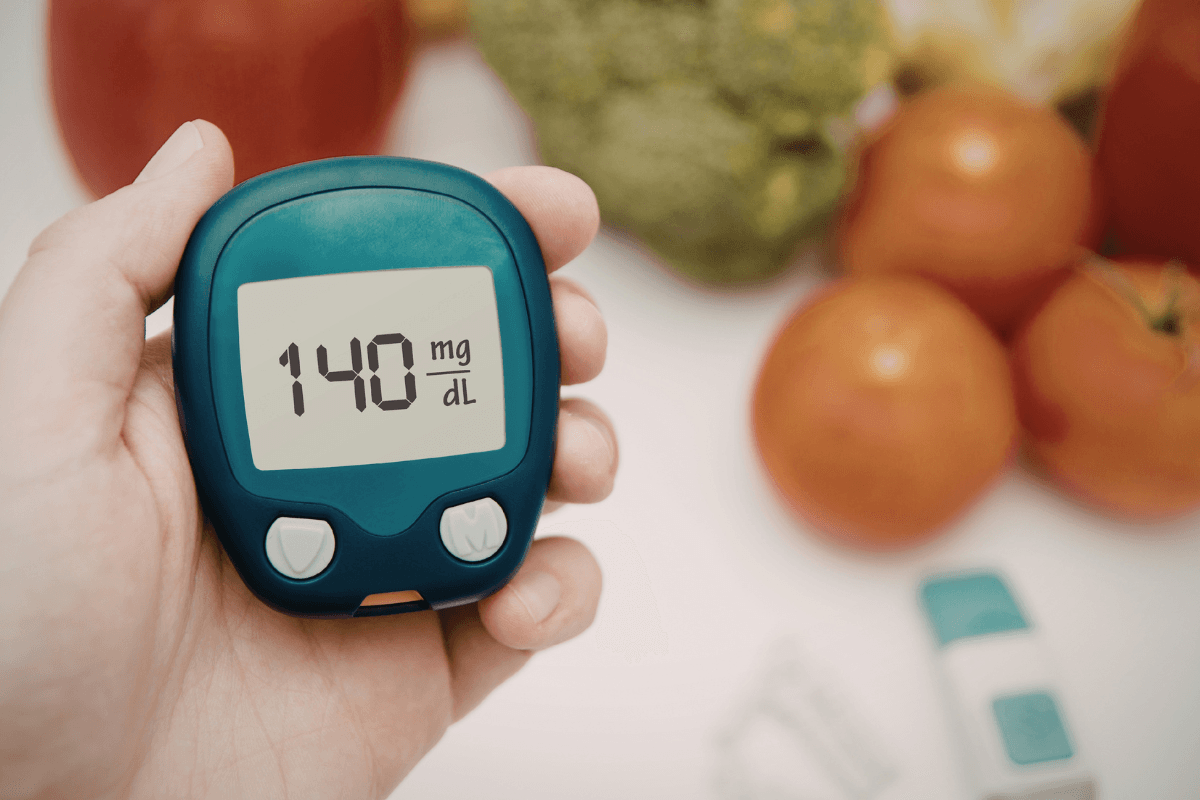
If you are wondering what to do when blood sugar is high, start by confirming the reading, drinking water, following your usual care plan, and watching for symptoms that need urgent help. High blood sugar, also called hyperglycemia (high blood glucose), may happen after a large meal, a missed dose, illness, stress, or a medication change. A single number is not the whole story. The level, your symptoms, and whether you have ketones matter just as much.
Many high readings can be handled calmly at home. Others can signal a serious emergency, especially if the number keeps climbing or you feel sick. That is why the first goal is safety, not speed. For a wider look at unstable glucose patterns, see What Is Dysglycemia or browse the Diabetes Articles hub.
Key Takeaways
- Confirm the number if it does not match how you feel.
- Drink water or sugar-free fluids; no beverage lowers glucose instantly.
- Follow your written plan and avoid extra unplanned medication doses.
- Check ketones if your reading is very high or you feel ill.
- Seek urgent care for severe symptoms or very high readings that persist.
What to Do When Blood Sugar Is High Right Away
Start with confirmation, hydration, and the plan you were already given. If the number does not fit your symptoms, wash and dry your hands, then recheck. Food on the fingers can falsely raise a meter result. If you use a continuous glucose monitor and the reading seems off, a finger-stick check can help confirm it.
Next, drink water or another sugar-free fluid unless a clinician has told you to limit fluids. If you use insulin or another medicine with a written correction plan, follow that plan exactly. Do not keep taking extra doses in close succession. That can cause low blood sugar later.
- Wash and recheck: confirm a surprising number.
- Drink water: support hydration first.
- Review recent food: note any fast carbs.
- Follow your plan: use written instructions only.
- Check ketones if needed: especially if ill.
- Watch symptoms and recheck: trends matter.
If you use insulin and your reading is very high, or you feel nauseated or unwell, check for ketones (acids that build up when the body does not have enough insulin) if you have strips and know how to use them. Do not do hard exercise if ketones are present. Easy movement may help some people only when they feel well, have no ketones, and their care plan allows it.
People often search for a drink or food that works in minutes. There is no reliable shortcut. Water supports hydration, but it does not instantly remove sugar from the blood. The safest immediate step is to stop adding fast-absorbing carbs, follow your plan, and recheck. Avoid regular soda, juice, or dessert unless you are actually treating low blood sugar.
Prescription details sometimes need confirmation with the original prescriber.
When a High Reading Becomes Dangerous
A reading becomes dangerous when it is very high, keeps rising, or comes with signs of dehydration, ketones, or altered thinking. Targets vary, but many adults with diabetes are asked to aim for about 80 to 130 mg/dL before meals and under 180 mg/dL one to two hours after starting a meal. Your own targets may differ. The Safe Diabetes Numbers article gives broader context.
| Reading or situation | What it may mean | Common next step |
|---|---|---|
| 80 to 130 mg/dL before meals | Common target for many adults | Use your own clinician-set goal if different |
| Under 180 mg/dL after meals | Common post-meal target | Track patterns, not one isolated reading |
| Over 180 mg/dL after meals | Above a common target | Review food, activity, stress, and medication timing |
| Over 240 mg/dL | High enough to consider ketones if you use insulin or feel ill | Check ketones if your plan advises it |
| Over 300 mg/dL | Significant hyperglycemia | Follow your correction or sick-day plan and contact your care team if it persists |
| Over 400 mg/dL or any severe symptoms | Risk of a serious acute complication | Seek urgent medical care |
A post-meal value of 250 or 350 mg/dL is not automatically an emergency, but it is well above common targets and deserves prompt attention. Recheck, review what happened, and look at the full picture: symptoms, hydration, ketones if appropriate, and whether the number is falling or rising.
Common signs that your sugar is too high include:
- Unusual thirst or dry mouth
- Frequent urination
- Blurred vision
- Headache, fatigue, or trouble concentrating
- Nausea or worsening weakness
Very high readings can point to diabetic ketoacidosis, or DKA, and to hyperosmolar hyperglycemic state, or HHS, a severe dehydration emergency. Seek urgent or emergency care if you have vomiting, abdominal pain, rapid or deep breathing, confusion, faintness, chest pain, or cannot keep fluids down. A reading in the 500 to 600 mg/dL range is not something to watch casually at home, even if you are not sure why it happened.
Why it matters: Severe hyperglycemia can progress quickly when dehydration or ketones are involved.
There is also no single number that predicts the worst outcome. A lower reading with vomiting and ketones may be more dangerous than a higher reading without symptoms. If you feel much worse than the number suggests, trust the symptoms and seek care.
Pregnancy Needs Faster Follow-Up
People often ask what to do when blood sugar is high during pregnancy. The main rule is to use the pregnancy-specific targets you were given, not a generic chart. If you are pregnant and have repeated highs, vomiting, or signs of dehydration, contact your maternity or diabetes team the same day.
Dispensing is handled by licensed third-party pharmacies where permitted.
What to Drink and Eat During a High Reading
Water is the safest first drink, and there is no food that reliably lowers glucose within minutes. If you are thirsty, choose water or a sugar-free fluid. If you have been vomiting or sweating a lot, a sugar-free electrolyte drink may be easier to tolerate. Regular soda, juice, sweet tea, and sports drinks add more carbohydrate unless you are treating low blood sugar instead.
The same idea applies at night. If you wake up high, water is still the best starting point. No drink can flush sugar out of the bloodstream on demand. Glucose comes down through time, insulin or other prescribed treatment, appropriate movement in the right situation, and not adding extra fast carbohydrates.
Food choices matter, but think steady rather than magical. If you are hungry and not nauseated, a smaller meal with lean protein, non-starchy vegetables, and a modest amount of higher-fiber carbohydrate is usually more practical than skipping meals all day or reaching for a so-called blood sugar lowering snack. If you just ate and the reading is high, the better next step may be to avoid more carbs for the moment and recheck according to your plan.
What foods lower blood sugar immediately is a common question, but it sets the wrong expectation. No single food acts like rescue treatment for hyperglycemia. The useful question is which foods are less likely to push the next reading even higher.
Why Blood Sugar Spikes in the First Place
High readings usually come from a mix of food, missed medication, illness, stress hormones, and dehydration. A larger carbohydrate load than usual, less movement, poor sleep, or routine changes can all push glucose up. So can infection, pain, fever, and steroid medicines.
Sometimes the reason is mechanical or timing-related. A dose may be late, a device may not have delivered medicine as expected, or a meal may have hit sooner than usual. If highs are happening often, patterns matter more than any one explanation. That is why it helps to review your readings alongside meals, stress, illness, and medication timing.
If you already know you have diabetes, the type still matters. Type 1 and type 2 do not behave the same way, and other forms exist as well. For background, see T1D And T2D, Other Types Of Diabetes, or the broader Diabetes Hub.
High blood sugar can also show up in people who have not been diagnosed with diabetes. Symptoms may include thirst, frequent urination, blurred vision, fatigue, and unplanned weight loss. If that sounds familiar, do not assume it will pass. Repeated high readings need medical evaluation.
Persistent highs can affect concentration, reaction time, and day-to-day function even before they cause an emergency. For more on that link, read Brain Function And Blood Sugar.
Some patients explore cash-pay or cross-border options when eligible.
When to Recheck and What to Tell Your Care Team
Recheck based on your device and care plan, but do not ignore a high reading that lasts or rises. If you use a CGM, remember that sensor values can lag behind blood glucose during rapid changes. If symptoms and device numbers do not match, confirm with a finger-stick if you can.
When you contact a clinician, a few details make the conversation more useful: the reading, the time, whether you ate recently, missed doses, illness symptoms, hydration, ketone results, and what the numbers did after you rechecked. This is especially important if your blood sugar is over 300, if readings stay above 240 with illness, or if you are pregnant.
Quick tip: Write down the last meal, fluids, symptoms, and any missed medication before you call.
If you are seeing repeated highs over days or weeks, it may help to review how your medicines fit into overall care. Background reading can help you ask better questions: Blood Sugar Monitoring, Common Diabetes Medications, GLP-1 Explained, and SGLT2 Inhibitors Guide. These treatments may support long-term control, but they are not substitutes for emergency evaluation when you feel very unwell.
Practical Ways to Prevent the Next Spike
Prevention usually works better than trying to lower blood sugar in minutes. In day-to-day life, that means knowing your target range, keeping monitoring supplies available, staying hydrated, and having a sick-day plan if illness tends to push your readings up. It also means reviewing patterns instead of chasing isolated numbers.
In many cases, what to do when blood sugar is high becomes clearer once you know the trigger. Morning highs may point to one pattern, post-meal spikes to another, and highs during infection to something else entirely. A log that shows meals, timing, symptoms, and readings can help your care team separate random variation from a recurring problem.
Two common mistakes are waiting too long because you feel fine and overcorrecting because you want a fast result. Either can make the next few hours harder to manage. A steady response is usually safer than a dramatic one.
If you are reviewing treatment options already prescribed or want a broader overview of diabetes care, the Diabetes Treatments hub can help you navigate related topics. For some people, the most important next step is not a new trick at home. It is updating an outdated plan.
Authoritative Sources
- CDC guidance on managing blood sugar
- American Diabetes Association on hyperglycemia
- Mayo Clinic treatment overview for hyperglycemia
Further reading starts with your own pattern. Verify the number, hydrate, use the plan you already have, and get help early when the reading is extreme or you feel sick.
This content is for informational purposes only and is not a substitute for professional medical advice.


