

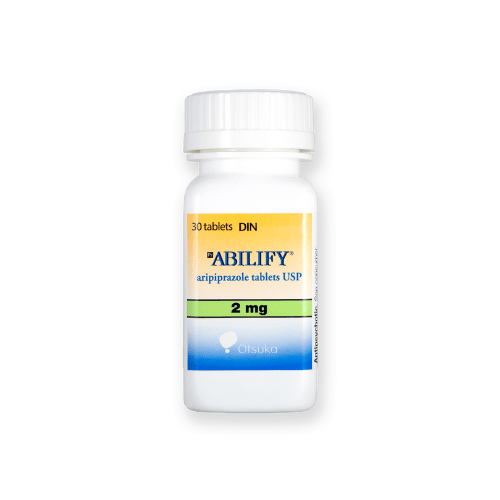
A valid prescription is required for this medication.
Buy Abilify Online
Rx Prescription required Fast, secure shipping
About Abilify
Abilify is a brand-name aripiprazole medicine used in mental health treatment. It can be bought online, with current Abilify price shown for the strength, form, and quantity chosen during ordering. Match the dose or strength to the directions from your clinician, and keep the medicine name, active ingredient, and tablet form aligned with your treatment plan.
Aripiprazole is an atypical antipsychotic that affects dopamine and serotonin signaling in the brain. Abilify tablets are different from orally disintegrating tablets, oral solution, and long-acting injectable aripiprazole products, even though they may share the same active ingredient. If US delivery from Canada is part of your order, enter address and contact information carefully so the order record matches the medicine request.
Abilify Price, Cost, and Strength Selection
The Abilify cost shown at checkout depends on the medicine name, strength, tablet count, and whether the order is for brand Abilify or generic aripiprazole. A meaningful comparison uses the same form and quantity each time. Comparing a tablet total with an oral liquid or injectable product can lead to the wrong conclusion because those products are used and supplied differently.
Strength can affect the total even when the active ingredient is the same. Abilify 5mg price, Abilify 10mg price, Abilify 15mg price, Abilify 20mg price, and Abilify 30mg price may appear as separate purchase choices when those strengths are available. A lower milligram tablet is not automatically cheaper for a month of therapy if the directions require more tablets to reach the intended daily amount.
For Abilify cost without insurance, use the displayed cash-pay total for the exact strength and tablet count being chosen. Local pharmacy quotes may reflect a different package size, manufacturer, discount program, or brand-versus-generic status. Aripiprazole price can be lower than brand Abilify in some situations, but the aripiprazole cost still needs to be matched against the same strength, form, and quantity.
Quick tip: A 30-day supply is calculated from the written directions, not from the tablet count alone.
| Detail to compare | Why it changes the total |
|---|---|
| Strength in mg | Each strength may have a separate cash-pay total. |
| Tablet quantity | The number of tablets supplied drives the order total. |
| Brand or generic | Brand Abilify and generic aripiprazole may be priced differently. |
| Dosage form | Tablets, liquid, disintegrating tablets, and injections are not interchangeable. |
| Order charges | Final totals may include fees beyond a per-tablet view. |
How to Order Abilify Online
Start with the medicine name, strength, and form in your current treatment directions. Choose Abilify when brand treatment is intended, or aripiprazole when a generic product is appropriate for your situation. The tablet count should reflect the amount being supplied, while the dose schedule remains a clinical instruction from your healthcare professional.
- Medicine name: Distinguish brand Abilify from aripiprazole.
- Strength: Match the mg value exactly.
- Form: Use tablets only when tablets are intended.
- Quantity: Check the tablet count before payment.
- Contact details: Provide reachable phone and address information.
If you plan to order Abilify from Canada, compare the order total with any local quote using the same manufacturer type, tablet strength, and quantity. Abilify from Canada to US service wording should not replace the clinical matching step. The medicine you receive should correspond to the name, form, and strength your clinician intended.
Do not change tablet strength, split tablets, or substitute a different formulation just to match a lower headline total. Ask a pharmacist or clinician when the directions are unclear, the tablet appearance differs from prior fills, or the active ingredient is listed differently than expected.
Tablet Form and Product Matching
Abilify is the brand name for aripiprazole. Oral tablets are commonly prescribed in milligram strengths, while aripiprazole may also be supplied as orally disintegrating tablets, oral solution, or long-acting injections. These forms differ in administration, handling, and dose conversion, so they should not be swapped without clinical direction.
A 5 mg tablet, 10 mg tablet, and higher-strength tablet are distinct order choices. Choosing two lower-strength tablets to equal one higher-strength tablet may change tablet count, monthly total, and sometimes tolerability. The safest purchase match uses the exact strength and form already chosen for the treatment plan.
Tablet splitting should not be assumed from a dose written in milligrams. Some tablets may not be appropriate to split, and orally disintegrating tablets require different handling. A pharmacist can explain whether a partial-tablet direction is practical for the specific product being supplied.
| Attribute | Ordering purpose |
|---|---|
| Medicine name | Separates brand Abilify from generic aripiprazole. |
| Active ingredient | Confirms the antipsychotic is aripiprazole. |
| Strength | Determines the exact mg tablet selected. |
| Form | Prevents tablet, liquid, and injection mix-ups. |
| Quantity | Controls how many tablets are supplied. |
What Abilify Treats
Aripiprazole may be used for schizophrenia, manic or mixed episodes associated with bipolar I disorder, adjunctive treatment of major depressive disorder in adults, irritability associated with autistic disorder, and Tourette’s disorder. The exact use depends on age, formulation, and product labeling. Your diagnosis alone is not enough to choose a different strength or form.
For schizophrenia and bipolar disorder, aripiprazole is used as an antipsychotic treatment that can help manage symptoms related to mood, thinking, and behavior. When used as adjunctive treatment for major depressive disorder, it is added to an antidepressant regimen under clinical supervision. For autism-related irritability and Tourette’s disorder, age and symptom targets matter when selecting treatment.
Related condition collections can help place Abilify in context without self-selecting therapy. Browse mental health medicines in the Mental Health category, or review condition areas for Schizophrenia, Bipolar Disorder, Depression, Autism Related Irritability, and Tourette Syndrome.
Brand Abilify and Generic Aripiprazole
Abilify and aripiprazole are closely connected but not identical purchase terms. Abilify refers to the brand product. Aripiprazole is the active ingredient and the name used for approved generic products. Generic tablets contain the same active ingredient, but tablet appearance, inactive ingredients, manufacturer, and package counts can differ.
The Abilify generic price may differ from the brand total because supply channels, manufacturers, and quantities vary. Compare Abilify generic cost with brand Abilify only after matching the same strength, form, and tablet count. If prior intolerance, allergies, or a brand-only instruction is part of your care plan, bring that concern to a pharmacist before substituting.
Do not compare tablets with long-acting aripiprazole injections by price alone. Injectable aripiprazole products have different dosing intervals, administration requirements, and monitoring considerations. They belong to a separate treatment discussion rather than a simple brand-versus-generic tablet comparison.
Storage, Handling, and Travel
Abilify tablets are generally stored at room temperature, away from excess heat and moisture. Keep tablets in the container provided until use, and protect the label because it identifies the medicine name, strength, and directions. Bathroom cabinets are often poor storage locations because humidity can affect tablets.
Cold-chain handling is usually not the main issue for oral tablets. The practical checks are intact packaging, dry tablets, readable labeling, and safe storage away from children or pets. Do not take tablets that appear wet, damaged, crumbled, or inconsistent with the medicine label.
Travel planning is important because missed mental health medicines can destabilize symptoms. Carry labeled medication in hand luggage when allowed, keep it away from extreme temperatures, and bring enough according to the treatment plan. Destination rules may apply for prescription medicines, controlled substances, or larger travel supplies.
If shipping is offered with prompt, express, cold-chain shipping language, focus on the handling instructions for the actual dosage form you receive. Oral tablets usually require protection from heat, moisture, and damage rather than refrigeration. Contact a pharmacist if the package arrives damaged or the label does not match the expected medicine.
Side Effects, Warnings, and Monitoring
Aripiprazole can cause common side effects such as nausea, vomiting, constipation, headache, dizziness, anxiety, sleepiness, insomnia, restlessness, and akathisia. Akathisia is an uncomfortable urge to keep moving. Some effects appear soon after starting or changing therapy, while metabolic or movement-related effects may develop later.
The labeling includes a boxed warning about increased risk of death in elderly patients with dementia-related psychosis. Aripiprazole is not approved to treat dementia-related psychosis. The labeling also includes a warning about suicidal thoughts and behaviors when antidepressant medicines are used in children, adolescents, and young adults, which is relevant when aripiprazole is used with antidepressant therapy.
Seek prompt clinical help for fever with stiff muscles or confusion, uncontrolled face or body movements, fainting, seizures, severe allergic reaction, trouble swallowing, or sudden behavioral urges such as new gambling, spending, eating, or sexual behaviors. These symptoms may signal serious reactions that need urgent evaluation.
Metabolic monitoring matters, especially for people with diabetes or risk factors for high blood sugar. Unusual thirst, frequent urination, weakness, severe sleepiness, or fruity-smelling breath should be discussed quickly with a clinician. Weight, blood sugar, cholesterol, and blood pressure may be monitored during treatment.
- Movement symptoms: Report tremor, stiffness, restlessness, or abnormal movements.
- Metabolic changes: Follow monitoring for weight, glucose, and lipids.
- Blood pressure: Dizziness can occur when standing up.
- Heat sensitivity: Dehydration and heat illness risk may increase.
- Swallowing problems: Choking risk can be serious.
Why it matters: Safety monitoring helps keep the chosen strength aligned with tolerability and ongoing care.
Interactions and Precautions
Drug interactions can change aripiprazole exposure. Strong CYP3A4 or CYP2D6 inhibitors may increase aripiprazole levels, while CYP3A4 inducers may lower levels. These enzyme effects can involve certain antifungals, antibiotics, antidepressants, seizure medicines, and HIV medicines.
Alcohol, sedatives, sleep medicines, and medicines that lower blood pressure may increase dizziness, drowsiness, or fall risk. Other antipsychotics, antidepressants, or dopamine-related medicines can add nervous system, movement, or mood effects. Keep a current medication list, including supplements, available whenever therapy changes are being considered.
Grapefruit products may matter for some medicines handled through CYP3A4, so ask a pharmacist whether they apply to your regimen. St. John’s wort can affect drug metabolism and should be disclosed before treatment decisions are made. People with seizure history, low white blood cell history, cardiovascular disease, dehydration risk, diabetes risk, or swallowing problems may need closer follow-up.
Common Buying and Treatment Questions
Many people compare Abilify cost per month, but the monthly estimate depends on tablet use during that period. A bottle quantity of 30, 60, or another count does not automatically equal one month. The practical calculation starts with the daily directions, then applies the number of tablets supplied and the displayed order total.
Aripiprazole may feel different from other antipsychotics because each medicine has its own receptor activity, side-effect profile, and interaction pattern. It is not appropriate to switch from another antipsychotic based on price alone. Cross-tapering, dose changes, and symptom monitoring require clinical planning.
Weight changes can occur with aripiprazole, though the pattern varies by person and by other medicines in the regimen. Monitoring weight, blood sugar, and lipids helps identify changes early. Lifestyle changes should not replace clinical follow-up when thirst, urination, fatigue, or rapid weight change appears.
For broader reading on mental health treatment decisions, the Mental Health articles category can support general education. Use article content as background only; product strength, form, and treatment changes should remain tied to professional guidance.
What to Confirm Before Checkout
Use the final order screen as a medicine-matching step. Confirm the name Abilify or aripiprazole, active ingredient, tablet strength, form, total quantity, and any brand-only or substitution instruction. Small mismatches can delay processing or result in a product that does not fit the intended plan.
- Name and ingredient: Abilify should correspond to aripiprazole treatment.
- Tablet strength: Check the mg value carefully.
- Form: Make sure tablets are the intended form.
- Quantity: Confirm the total tablet count.
- Safety notes: Keep allergy and interaction information current.
If an insurer is involved, reimbursement rules may differ from the displayed cash total. If paying directly, compare Abilify price without insurance against the same quantity and manufacturer type. Keep a copy of your medicine directions and the order record for personal reference.
Authoritative Sources
The following independent source supports key safety, use, and counseling points for aripiprazole.
- Patient counseling information is summarized by MedlinePlus aripiprazole information.
This content is for informational purposes only and is not a substitute for professional medical advice.
This content is for informational purposes only and is not a substitute for professional medical advice.
Two ways to ship
Cold-packed medications travel by Express shipping. Dry-packed medications can ship Express or Standard.
Earn points on every order
Earn points on birthdays, product orders, reviews, friend referrals, and more! Enjoy your medication at unparalleled discounts while reaping rewards for every step you take with us.
Register and/or Login
Create an account and start earning.
Earn Rewards
Earn points every time you shop or perform certain actions.
Redeem
Redeem points for exclusive discounts.
Ways to save
We stand behind our prices
We work hard to offer the very best available price. If you find a lower price on the same product, we will match it.
Learn how →Tiered pricingNew tiered pricing is here
Buy more and save more on the medications you trust: save 7% per pack when you buy 2, and 14% per pack when you buy 3 or more.
See tiered pricing →You might also like
View all →
Related articles
View all →
Abilify Side Effects: Safety, Symptoms, and Monitoring Tips
Abilify side effects can include nausea, headache, dizziness, constipation, sleep changes, restlessness, and changes in appetite or weight. Less common but serious…
Read more →
Abilify Uses in Mental Health Care: Benefits and Risks
Abilify uses include several mental health conditions, most often schizophrenia, bipolar I disorder, and add-on treatment for major depressive disorder. The generic…
Read more →
Fiasp insulin Cartridge for Active Days and Device Choices
A Fiasp insulin Cartridge is a PenFill cartridge containing fast-acting insulin aspart for use with compatible reusable insulin pens. For active adults,…
Read more →
Joint Health Habits to Prevent Injury and Maintain Strength
Joint health improves when you combine regular movement, strength training, balanced nutrition, enough recovery, and early attention to pain signals. This matters…
Read more →Speak to us
Our customer service team are highly experienced and friendly. Get in touch today.
What is Abilify used to treat?
Abilify contains aripiprazole, an atypical antipsychotic. It may be used for schizophrenia, bipolar I disorder manic or mixed episodes, adjunctive treatment of major depressive disorder in adults, irritability associated with autistic disorder, and Tourette’s disorder, depending on age, formulation, and labeling.
Is aripiprazole the same as Abilify?
Aripiprazole is the active ingredient in Abilify and is also the name used for generic products. Brand and generic tablets may differ in appearance, inactive ingredients, manufacturer, and package quantity, so compare the same strength, form, and tablet count.
How should I compare Abilify price without insurance?
Compare the cash-pay total for the same medicine name, strength, form, and quantity. A different quote may use another manufacturer, package size, discount program, or generic status, which can make the totals less comparable.
What side effects can Abilify cause?
Common effects can include nausea, vomiting, constipation, headache, dizziness, anxiety, sleepiness, insomnia, restlessness, and akathisia. Serious symptoms such as stiff muscles with fever, uncontrolled movements, fainting, seizures, allergic reaction, trouble swallowing, or sudden impulse-control changes need prompt clinical attention.
Can Abilify tablets be switched with liquid or injectable aripiprazole?
No. Tablets, orally disintegrating tablets, oral solution, and long-acting injectable aripiprazole products differ in use, handling, and dosing. Do not switch forms unless a clinician specifically directs that change.
How should Abilify tablets be stored?
Abilify tablets are generally stored at room temperature, away from excess heat and moisture. Keep them in the supplied container, protect the label, and keep the medicine out of reach of children and pets.
Speak to our team
 Call toll free1-844-560-7790
 Emailservice@canadianinsulin.com
Monday to Friday 7am – 11pm EST
Saturday 7am to 7pm EST
Sunday 8am – 5pm EST