
Please note: a valid prescription is required for all prescription medication.
Janumet XR
Buy Janumet XR Online


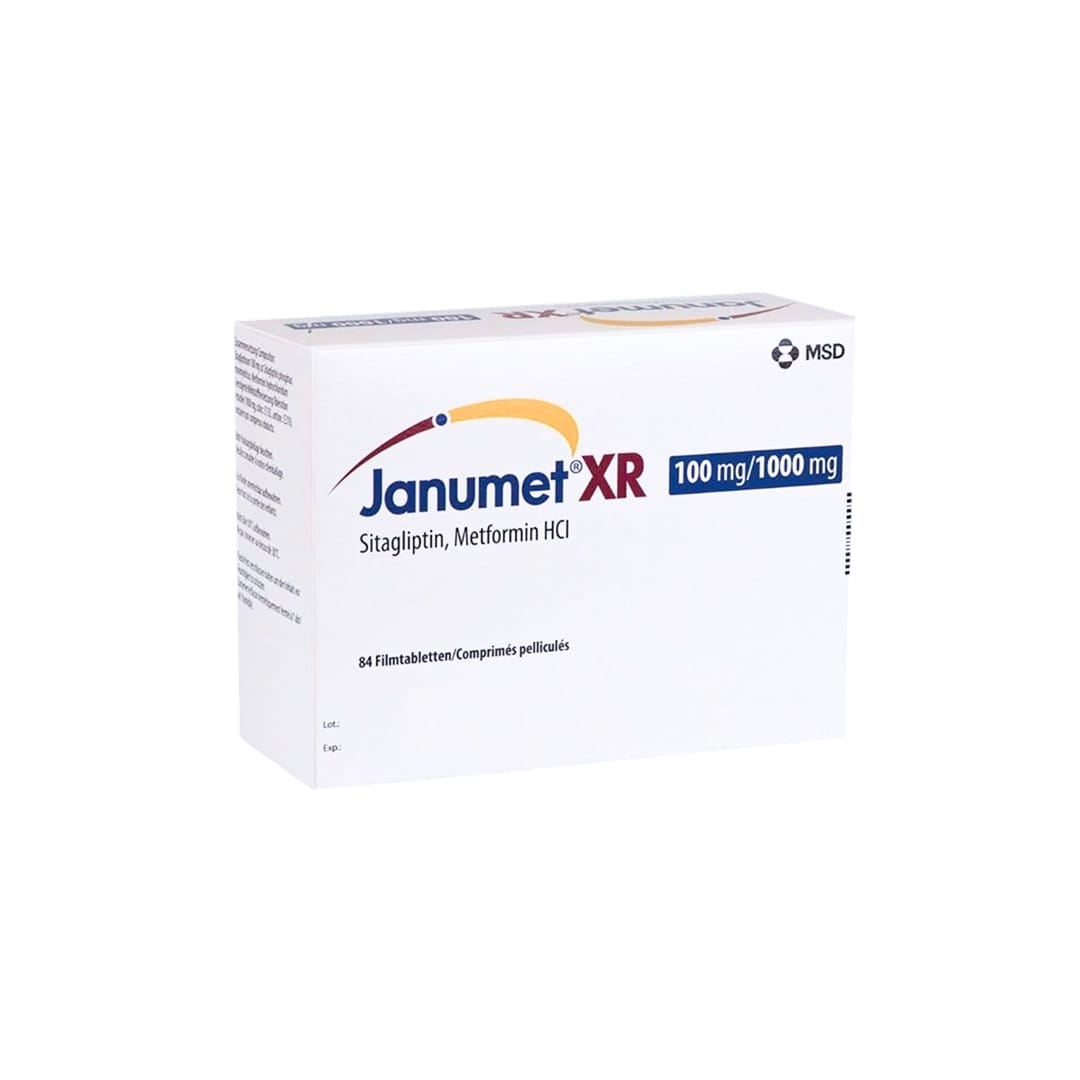
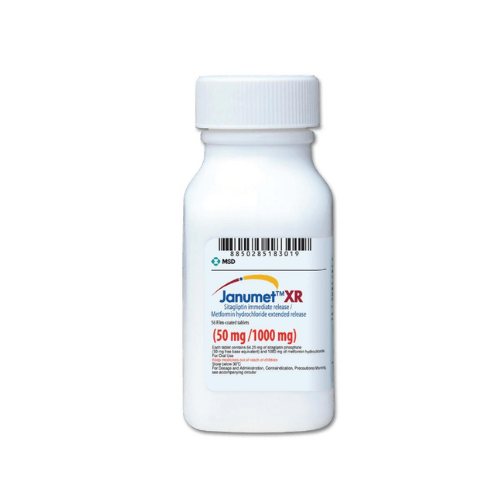
Janumet XR is an oral extended-release tablet that combines sitagliptin and metformin hydrochloride for adults with type 2 diabetes when used with diet and exercise. You can buy Janumet XR online and choose the labeled strength that matches your clinician’s directions, such as 50 mg/500 mg, 50 mg/1000 mg, or 100 mg/1000 mg. The product is not insulin, not metformin alone, and not labeled for type 1 diabetes or diabetic ketoacidosis.
Strength matching matters because each Janumet XR tablet contains two active ingredients in a fixed combination. Changing from one strength to another can change the amount of sitagliptin, metformin, or both. When ordering, use the exact tablet strength and quantity tied to your treatment plan rather than choosing only by tablet count or headline cost.
Janumet XR Price and Strength Selection
The Janumet XR price can vary by strength, quantity, and supply source. For a cash-pay order or a refill planned without insurance, the most useful comparison is the total cost for the same labeled strength and tablet count. A lower price on a different strength is not automatically a usable substitute.
Janumet XR tablets are fixed-dose combination tablets. The sitagliptin amount and metformin extended-release amount are both part of the product decision. If your directions specify Janumet XR 50 mg/1000 mg, that is different from Janumet XR 100 mg/1000 mg because the sitagliptin amount is different.
| Labeled strength | Active ingredients per tablet | Practical selection note |
|---|---|---|
| 50 mg/500 mg | 50 mg sitagliptin and 500 mg metformin hydrochloride extended release | Contains the lower metformin amount among the listed Janumet XR strengths. |
| 50 mg/1000 mg | 50 mg sitagliptin and 1000 mg metformin hydrochloride extended release | May be used when directions call for this sitagliptin and metformin balance. |
| 100 mg/1000 mg | 100 mg sitagliptin and 1000 mg metformin hydrochloride extended release | Contains 100 mg sitagliptin with 1000 mg metformin hydrochloride extended release. |
Quick tip: Match the strength first, then consider quantity and current price. The combination diabetes tablets category can help separate Janumet XR from single-ingredient medicines and other two-drug tablets.
How to Order Janumet XR Online
When you order Janumet XR online, confirm the medication name, tablet strength, and quantity before completing the request. The order should be for sitagliptin metformin XR, not immediate-release Janumet, metformin alone, or separate sitagliptin and metformin tablets. We may review order details when product requirements or safety information need confirmation.
US delivery from Canada may be relevant for customers arranging ongoing diabetes medication supplies. Keep the container label, strength, and administration directions together if you are coordinating refills, travel medication, or caregiver support. Janumet XR is not a refrigerated insulin product, but tablets still need protection from excess heat and moisture during storage.
Do not change the tablet strength to stretch a supply or lower the cost unless your clinician has directed that change. Because Janumet XR is a fixed-dose combination medicine, a tablet switch can alter both glucose-lowering effect and side-effect risk. If your current treatment plan is changing, update the order only after the new directions are clear.
Approved Use in Type 2 Diabetes
Janumet XR is used as an adjunct to diet and exercise to improve glycemic control in adults with type 2 diabetes mellitus. It belongs within non-insulin therapy for type 2 diabetes, where oral medicines may be used alone or with other glucose-lowering treatments. The medicine does not replace nutrition planning, activity guidance, glucose monitoring, or routine diabetes follow-up.
Janumet XR should not be used for type 1 diabetes or for diabetic ketoacidosis. Those conditions require different medical management. Personal suitability depends on kidney function, prior metformin tolerance, A1C goals, other diabetes medicines, alcohol use, and any history of serious reactions to related medications.
For broader treatment browsing, the non-insulin diabetes medications category groups oral and other non-insulin options used in diabetes care. The broader diabetes section can also help place combination tablets within general glucose-management treatment discussions.
Active Ingredients and How the Extended-Release Tablet Works
The Janumet XR ingredients are sitagliptin and metformin hydrochloride extended release. Sitagliptin is a DPP-4 inhibitor, an incretin-based medicine that helps regulate insulin and glucagon responses after meals. It works in a glucose-dependent way, meaning its insulin-related effect is tied to elevated blood sugar.
Metformin is a biguanide. It mainly lowers glucose production by the liver, improves the body’s response to insulin, and can reduce some intestinal glucose absorption. The extended-release metformin component is designed to release over time, which is why the tablet must remain intact until swallowed.
Janumet XR can reduce pill burden for some adults who need both active ingredients. That convenience does not make it interchangeable with metformin alone. It also differs from immediate-release Janumet because the metformin release pattern and administration instructions are not the same.
Dosing and Administration Basics
The labeling describes Janumet XR as taken once daily with a meal, preferably in the evening. Meal timing can help reduce stomach-related effects from metformin and supports consistent use. If your clinician has given individualized timing instructions, follow those directions rather than changing the schedule on your own.
Swallow Janumet XR tablets whole. Do not split, crush, or chew them, because damaging an extended-release tablet can change how metformin is released. Some people may notice soft tablet-like material in stool with extended-release products; persistent concerns should be discussed with a healthcare professional.
The labeled maximum daily dose is 100 mg sitagliptin and 2000 mg metformin hydrochloride. That maximum is not a target for every person. Kidney function, current blood sugar control, previous metformin exposure, gastrointestinal tolerance, and other glucose-lowering medicines influence how a clinician chooses and adjusts the dose.
Side Effects, Warnings, and Monitoring
Common side effects reported with Janumet XR or its ingredients include diarrhea, nausea, vomiting, stomach discomfort, upper respiratory tract symptoms, and headache. Gastrointestinal effects are often most noticeable when metformin is started or increased. Persistent, severe, or unusual symptoms should be discussed promptly with a healthcare professional.
Janumet XR carries a boxed warning for metformin-associated lactic acidosis, a rare but serious buildup of acid in the blood. Warning symptoms can include unusual muscle pain, breathing trouble, stomach discomfort, dizziness, feeling cold, or severe weakness. Risk is higher with severe kidney problems, certain low-oxygen states, excess alcohol use, liver disease, dehydration, severe infection, shock, or major procedures that affect kidney function or oxygen delivery.
Kidney function is central to safe use. Janumet XR is contraindicated in severe renal impairment, including an estimated glomerular filtration rate below 30 mL/min/1.73 m2. Kidney function is typically assessed before treatment and monitored periodically, with extra caution in older adults or anyone with increased renal risk.
Sitagliptin labeling includes warnings for pancreatitis, serious hypersensitivity reactions, severe joint pain, and bullous pemphigoid, a blistering skin condition. Low blood sugar is more likely when Janumet XR is used with insulin or an insulin secretagogue such as a sulfonylurea. Long-term metformin use can also lower vitamin B12 levels in some people, so monitoring may be appropriate during ongoing therapy.
Contact a healthcare professional urgently for severe abdominal pain, symptoms of lactic acidosis, swelling of the face or throat, blistering rash, repeated low blood sugar, or signs of pancreatitis. For general safety reading across the condition, the type 2 diabetes articles section can support medication conversations without replacing clinical care.
Weight Questions and Treatment Expectations
Janumet XR is not a weight-loss medication. Some people may notice weight changes while their blood sugar improves, but those changes can also reflect food intake, activity, fluid balance, other medicines, or unrelated health conditions. The medicine should be evaluated for glucose control and tolerability, not used as a weight-management product.
Janumet XR does not contain insulin or a sulfonylurea, two medicine classes often discussed in relation to hypoglycemia and weight gain. Low blood sugar can still occur when it is combined with insulin or a sulfonylurea. If your regimen includes those medicines, ask what symptoms to watch for and how glucose readings should be managed.
Blood sugar response is usually assessed through home glucose readings, A1C testing, kidney monitoring, and side-effect review. Bring a current medication list to appointments, including over-the-counter products and alcohol intake patterns, because these details can affect safety decisions.
Janumet XR, Janumet, and Metformin
Janumet and Janumet XR both contain sitagliptin and metformin, but they are not the same formulation. Janumet XR contains extended-release metformin and is labeled for once-daily use with a meal, preferably in the evening. Immediate-release Janumet has different administration considerations.
Metformin by itself contains only metformin, not sitagliptin. That is the key difference for anyone asking whether Janumet XR is the same as metformin. A metformin-only product may fit some treatment plans, while a sitagliptin metformin XR combination may fit others when both ingredients are intended.
Do not assume another diabetes tablet can replace Janumet XR because it treats type 2 diabetes or contains metformin. Combination products may differ in the second active ingredient, release pattern, tablet strength, dosing schedule, contraindications, and side-effect profile. The diabetes medications category can help organize nearby treatment classes when discussing alternatives.
Storage and Handling
Janumet XR tablets are labeled for storage at controlled room temperature, 20°C to 25°C, with permitted excursions from 15°C to 30°C. Keep the container closed and protect the tablets from excess moisture. A bathroom cabinet may not be ideal if heat and humidity are common.
Because the tablet is extended release, physical handling is part of safe use. Keep tablets whole until taken, and avoid moving them into unlabeled containers unless a pharmacist has advised an appropriate organizer. If a tablet looks wet, damaged, cracked, or different from the expected strength, do not take it until it has been assessed.
When traveling, keep Janumet XR in packaging that preserves the medication name and strength. Carry enough information to distinguish it from metformin-only tablets or immediate-release Janumet. Clear labeling helps reduce errors if another person assists with medication administration.
Related Diabetes Treatment Categories
Janumet XR sits within the broader group of diabetes medicines used to improve glucose control. Customers evaluating a treatment plan may need to distinguish oral combination tablets from injectable products, insulin, and single-ingredient oral medicines. The diabetes products category provides a wider view of diabetes-related medicines and supplies.
For condition education, the diabetes articles section covers broader topics that may come up during medication discussions. Use those materials to prepare questions about side effects, glucose monitoring, storage, or treatment comparisons. Final medication decisions should be made with a qualified healthcare professional who knows your medical history.
Authoritative Sources
- Official prescribing information – manufacturer labeling for active ingredients, strengths, use context, administration, warnings, contraindications, and storage.
- DailyMed drug label – U.S. National Library of Medicine labeling record for Janumet XR.
This content is for informational purposes only and is not a substitute for professional medical advice.
Blood Glucose Unit Converter
Convert glucose readings between mg/dL and mmol/L without changing the clinical value.
mg/dL
-
US reporting unit
mmol/L
-
International reporting unit
These calculations are for education only and do not replace clinical advice, diagnosis, or treatment. Always confirm medical decisions with a qualified healthcare professional.
HbA1c & eAG Calculator
Convert between HbA1c percentage and estimated average glucose using the ADAG relationship.
HbA1c
-
percentage
eAG mg/dL
-
estimated average glucose
eAG mmol/L
-
estimated average glucose
These calculations are for education only and do not replace clinical advice, diagnosis, or treatment. Always confirm medical decisions with a qualified healthcare professional.
HOMA-IR Calculator
Estimate insulin resistance from fasting glucose and fasting insulin values collected from the same blood draw.
HOMA-IR
-
screening estimate, not a diagnosis
Formula used
-
depends on glucose unit
These calculations are for education only and do not replace clinical advice, diagnosis, or treatment. Always confirm medical decisions with a qualified healthcare professional.
Carb Serving Calculator
Convert total carbohydrate grams into carb choices for meal planning and diabetes education.
Carb choices
-
total carbs divided by choice size
Rounded choices
-
nearest half choice
Carb calories
-
4 kcal per gram
These calculations are for education only and do not replace clinical advice, diagnosis, or treatment. Always confirm medical decisions with a qualified healthcare professional.
CGM Time-in-Range Summary
Summarise CGM percentages across very low, low, in-range, high, and very high glucose bands.
Entered total
-
should equal 100%
Below range
-
very low plus low
Above range
-
high plus very high
Summary
-
common adult CGM targets vary by patient
These calculations are for education only and do not replace clinical advice, diagnosis, or treatment. Always confirm medical decisions with a qualified healthcare professional.
Express Shipping - from $29.99
Shipping with this method takes 3-5 days
Prices:
- Dry-Packed Products $29.99
- Cold-Packed Products $39.99
Standard Shipping - $19.99
Shipping with this method takes 5-10 days
Prices:
- Dry-Packed Products $19.99
- Not available for Cold-Packed products
What is Janumet XR used for?
Janumet XR is used with diet and exercise to improve blood sugar control in adults with type 2 diabetes. It is not labeled for type 1 diabetes or diabetic ketoacidosis.
Is Janumet XR the same as metformin?
No. Janumet XR contains sitagliptin plus metformin hydrochloride extended release. Metformin alone contains only metformin, while Janumet XR combines two glucose-lowering ingredients in one extended-release tablet.
What is the best time of day to take Janumet XR?
The labeling describes Janumet XR as taken once daily with a meal, preferably in the evening. Follow individualized directions from your healthcare professional if they differ.
Does Janumet XR cause weight loss?
Janumet XR is not a weight-loss medication. Weight may change for many reasons during diabetes treatment, including diet, activity, fluid balance, other medicines, and improved glucose control.
Can Janumet XR tablets be crushed or split?
Janumet XR tablets should be swallowed whole. Do not split, crush, or chew them because the extended-release design controls how metformin is released.
What serious warnings are associated with Janumet XR?
Janumet XR has a boxed warning for metformin-associated lactic acidosis, a rare but serious condition. It also carries warnings related to kidney function, pancreatitis, serious allergic reactions, severe joint pain, blistering skin reactions, and low blood sugar when combined with certain diabetes medicines.
How should Janumet XR be stored?
Store Janumet XR at controlled room temperature, 20°C to 25°C, with permitted excursions from 15°C to 30°C. Keep the container closed and protect the tablets from excess moisture.
Rewards Program
Earn points on birthdays, product orders, reviews, friend referrals, and more! Enjoy your medication at unparalleled discounts while reaping rewards for every step you take with us.
You can read more about rewards here.
POINT VALUE
How to earn points
- 1Create an account and start earning.
- 2Earn points every time you shop or perform certain actions.
- 3Redeem points for exclusive discounts.
You Might Also Like
Select options
This product has multiple variants. The options may be chosen on the product page
Select options
This product has multiple variants. The options may be chosen on the product page
Select options
This product has multiple variants. The options may be chosen on the product page
Select options
This product has multiple variants. The options may be chosen on the product page