
Please note: a valid prescription is required for all prescription medication.
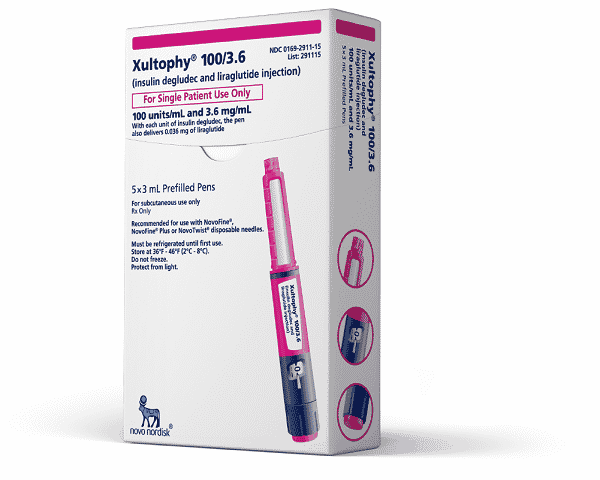
Xultophy Prefilled Pen
Buy Xultophy Prefilled Pen Online


Buy Xultophy Prefilled Pen online with a valid prescription while you compare current listed pricing, available pen details, and key safety basics before ordering. Match the selected Xultophy 100/3.6 pen to your clinician’s directions, review price factors such as quantity and presentation, and understand handling needs for an injectable diabetes medicine.
If you are comparing US delivery from Canada, keep the product form, strength, and refill timing aligned with your treatment plan. Check the Xultophy pen presentation on the listing, then review the storage and safety sections before checkout.
Price, Strength, and Available Options
The current listed price should be checked against the exact pen presentation shown on this product page. The Xultophy price may reflect the selected quantity, pack size, and whether the listing is for the Xultophy 100/3.6 pen rather than another injectable diabetes product.
When comparing Xultophy cost without insurance or cash-pay access, focus on the total contents and the selected quantity rather than the pen name alone. A lower total at checkout is not always a better comparison if the number of pens, total mL, or refill timing differs from what your clinician prescribed.
| Detail to compare | Why it matters |
|---|---|
| Form | Confirm the prefilled injection pen, not a vial or cartridge. |
| Strength | Xultophy 100/3.6 contains insulin degludec 100 units/mL and liraglutide 3.6 mg/mL. |
| Quantity | Pack count and total mL affect how long the supply may last. |
| Supplies | Check whether compatible pen needles are already available. |
| Handling | Temperature-sensitive products need careful storage before and after first use. |
Quick tip: Match concentration and pen count before comparing total out-of-pocket cost.
If more than one diabetes injection is being considered, do not compare only the name or category. Xultophy combines a basal insulin with a GLP-1 receptor agonist, so the selection should match both the prescribed product and the directions on your treatment plan.
How to Buy Xultophy Prefilled Pen Online
To buy Xultophy online, start by selecting the listed pen presentation that matches your clinician’s instructions. Keep your prescriber information, refill details, and current supply needs available so the order can be checked without guessing.
Because this medicine requires clinician oversight, prescriber details may be reviewed when needed before the order proceeds. Supporting documents may also be requested if the product, supply quantity, or refill status needs confirmation.
Before checkout, compare the product title, strength, quantity, and any temperature-handling notes. This helps prevent mix-ups between combination injections, standalone insulin pens, and separate GLP-1 medicines that may look similar in online searches.
Plan ahead for refills, especially if your daily dose may change over time. Do not increase, decrease, or restart the medicine based only on product availability or a listed package size.
Product Details That Affect Ordering
Xultophy 100/3.6 is an insulin degludec liraglutide pen. Insulin degludec is a long-acting basal insulin, and liraglutide is a GLP-1 receptor agonist, a medicine class that helps the body manage glucose and appetite signals through incretin pathways.
Each mL contains 100 units of insulin degludec and 3.6 mg of liraglutide. The product is dosed in units, but each unit also includes a fixed amount of liraglutide. That is why the pen should not be treated like standard basal insulin alone.
Some customers search for Xultophy insulin, but the more precise product identity is a fixed-ratio combination injection. It is not interchangeable with insulin degludec alone, liraglutide alone, or other combination pens unless a clinician specifically changes the treatment plan.
The Xultophy Prefilled Pen is a disposable injection device. It is used under the skin, and it should never be shared with another person, even if the needle is changed, because sharing can transmit blood-borne infections.
What This Type 2 Diabetes Injection Is Used For
This medicine is used for adults with type 2 diabetes as an adjunct to diet and exercise to improve glycemic control. It is not used to treat type 1 diabetes or diabetic ketoacidosis, a serious acidic blood condition that requires urgent medical care.
The product may be considered when a clinician wants basal insulin support and GLP-1 activity in one daily injection. It is not a weight-loss product, and it should not be combined with another GLP-1 receptor agonist unless directed by the prescriber.
The Type 2 Diabetes product list can help you browse related treatments by condition. Use it for navigation only; product changes should come from the clinician managing your diabetes care.
Pen Use, Needles, and Dose Checks
Xultophy dosing is written in units. The pen can deliver doses from 10 to 50 units in a single injection, adjusted in 1-unit increments. Your directions may differ from another person’s, even when the product and pen look the same.
The medicine is usually injected under the skin of the abdomen, thigh, or upper arm. Rotate injection sites within the same general area to reduce the chance of lumps, pits, irritation, or thickened skin.
Review how to use the device before the first dose. Check that the solution is clear and colorless, attach a new needle, prime the pen as instructed, and follow the full injection steps provided with the product. Do not use the pen if the solution is cloudy, colored, frozen, or contains particles.
Pen needles may need to be supplied separately. The Insulin Pen Needles resource can help you understand common length and gauge terms before discussing supplies with your clinician or diabetes educator.
Do not use extra doses to make up for a missed dose unless your clinician has given specific instructions. Questions about a personal 3-hour rule, meal timing, or delayed injections should be handled by your diabetes care team because this is not a rapid mealtime insulin.
Storage, Handling, and Travel
Unopened pens are generally stored in a refrigerator at 2°C to 8°C. Do not freeze the product, and do not use it if it has been frozen. Keep pens away from direct heat, direct light, and car interiors that can become too hot or too cold.
After first use, a pen may typically be kept for up to 21 days at room temperature below 30°C or in the refrigerator, depending on the product instructions. Keep the cap on when the pen is not in use, and discard it after the in-use period even if liquid remains.
Why it matters: Temperature problems can reduce medicine quality before the pen looks visibly changed.
Logistics may include cold-chain shipping for temperature-sensitive products. When a package arrives, inspect it promptly, check the product against the label, and follow the storage instructions before placing pens with your diabetes supplies.
For travel, keep the pen and supplies in carry-on baggage when possible. Bring extra needles, alcohol swabs, glucose monitoring supplies, and sharps disposal materials. The Insulin Storage Temperature resource can help you plan for heat, cold, and travel interruptions.
Safety Checks Before Ordering
Xultophy carries a boxed warning about thyroid C-cell tumors observed in animal studies with liraglutide. It should not be used by people with a personal or family history of medullary thyroid carcinoma, a type of thyroid cancer, or multiple endocrine neoplasia syndrome type 2, also called MEN2.
Do not use this product during an episode of hypoglycemia, which means low blood sugar. It should also be avoided by anyone with a serious allergy to insulin degludec, liraglutide, or another ingredient in the pen.
Common side effects can include nausea, diarrhea, vomiting, decreased appetite, headache, and injection-site reactions. Low blood sugar may occur, especially when diabetes medicines are combined or meals, activity, alcohol, illness, or dose timing change.
Serious symptoms need prompt clinical attention. These include severe stomach pain that may spread to the back, persistent vomiting, signs of allergic reaction, trouble breathing, swelling of the face or throat, severe dizziness, or symptoms of very low blood sugar that do not improve with treatment.
Pancreatitis, gallbladder problems, kidney injury related to dehydration, and low potassium can occur with medicines in this treatment class or with insulin use. Tell your clinician about past pancreatitis, stomach-emptying problems, kidney disease, liver disease, or frequent hypoglycemia before starting therapy.
Do not share the Xultophy injection pen with anyone. This applies even when a new needle is attached, because blood can remain inside the device and create infection risk.
Interactions and Monitoring
Tell your clinician about all diabetes medicines, including sulfonylureas, meglitinides, insulin products, and GLP-1 receptor agonists. Combining products can raise the risk of low blood sugar or duplicate therapy if the treatment plan is not adjusted carefully.
Thiazolidinediones, sometimes called TZDs, may increase fluid retention when used with insulin. Alcohol and some heart or blood pressure medicines can make low blood sugar harder to recognize. Liraglutide can also slow stomach emptying, which may affect how some oral medicines are absorbed.
Monitoring often includes blood glucose checks, A1C testing, weight changes, kidney function, and symptoms that suggest low blood sugar or digestive intolerance. The Blood Sugar Monitoring resource can help organize questions for your diabetes visits.
Keep a written or digital list of your current medicines and supplements. Bring it to appointments so your clinician can check for overlapping therapies, dose timing problems, and supplies that may be missing from your injection routine.
Compare With Related Diabetes Options
Xultophy is part of a narrower group of fixed-ratio combination injections. It differs from standalone basal insulin because it also contains liraglutide. It also differs from standalone GLP-1 medicines because it contains insulin degludec.
The Diabetes Medications collection can help you compare prescribed classes at a high level. Use class browsing to understand product types, not to replace individualized treatment decisions.
People who are prescribed a combination basal insulin and GLP-1 product may also compare Soliqua Solostar Pens. These products are not interchangeable, because they contain different active ingredients and have different dose limits.
If your clinician discusses separate insulin and GLP-1 therapy instead of a fixed-ratio pen, compare the number of injections, storage needs, needle supplies, and monitoring plan. Practical details can affect adherence, but the final product choice should remain clinically directed.
Authoritative Sources
- Official label details: FDA prescribing information covers approved use, warnings, dosing limits, and storage.
- Regulatory overview: European Medicines Agency product page summarizes use, prescription status, and safety review.
This content is for informational purposes only and is not a substitute for professional medical advice.
Customer Reviews
5.0 Based on 1 Reviews
Write a Review Ask a Question - Reviews
- Questions
Filter Reviews:
CD
10/17/2023
Clarence D.  US
USI recommend this product
Xultophy
This product was easy to use and lowered my numbers.
10/24/2023
CanadianInsulin.com
Hi Clarence,We appreciate your kind words and we are thrilled to hear that our product has been easy to use and has effectively helped lower your numbers. It's always our goal to ensure a smooth and hassle-free experience for our customers.We look forward to serving you again in the future.Have a great day!
Express Shipping - from $25.00
Shipping with this method takes 3-5 days
Prices:
- Dry-Packed Products $25.00
- Cold-Packed Products $35.00
Standard Shipping - $15.00
Shipping with this method takes 5-10 days
Prices:
- Dry-Packed Products $15.00
- Not available for Cold-Packed products
What type of insulin is Xultophy?
Xultophy is not a standard insulin-only product. It combines insulin degludec, a long-acting basal insulin, with liraglutide, a GLP-1 receptor agonist. The fixed-ratio combination is used for adults with type 2 diabetes when prescribed as part of a broader glucose management plan. Because it contains both ingredients in one pen, it should not be substituted for separate insulin or GLP-1 therapy unless a clinician specifically changes the regimen.
What is the Xultophy pen used for?
The Xultophy pen is used to help improve blood sugar control in adults with type 2 diabetes, along with diet and exercise. It is given as an injection under the skin and is not used for type 1 diabetes or diabetic ketoacidosis. The pen contains a fixed combination of basal insulin and liraglutide, so its use, dose range, and monitoring plan should match the prescriber’s directions.
Does the pen need separate needles?
Xultophy is supplied as a prefilled pen, but compatible disposable pen needles may need to be obtained separately depending on the order and your existing supplies. A new needle should be used for each injection. Needles should be removed after use and disposed of in an appropriate sharps container. Do not store the pen with a needle attached, and never share the pen with another person.
What safety symptoms should be watched for?
Important symptoms include signs of low blood sugar, severe stomach pain that may spread to the back, persistent vomiting, allergic reactions, swelling of the face or throat, trouble breathing, and dehydration symptoms. Seek urgent medical help for severe or worsening symptoms. People with a personal or family history of medullary thyroid carcinoma or MEN2 should not use this medicine. Discuss past pancreatitis, kidney problems, gallbladder disease, or frequent hypoglycemia with a clinician.
What should I ask my clinician before starting it?
Ask how the dose should be started, when it should be taken, what to do if a dose is missed, and how often blood sugar should be checked. Also ask whether any current diabetes medicines should be stopped or adjusted, whether separate pen needles are needed, and how to handle travel or illness. If you have digestive problems, kidney disease, pancreatitis history, or frequent low blood sugar, raise those points before beginning therapy.
Rewards Program
Earn points on birthdays, product orders, reviews, friend referrals, and more! Enjoy your medication at unparalleled discounts while reaping rewards for every step you take with us.
You can read more about rewards here.
POINT VALUE
How to earn points
- 1Create an account and start earning.
- 2Earn points every time you shop or perform certain actions.
- 3Redeem points for exclusive discounts.
You Might Also Like
Select options
This product has multiple variants. The options may be chosen on the product page
Select options
This product has multiple variants. The options may be chosen on the product page
Select options
This product has multiple variants. The options may be chosen on the product page
Select options
This product has multiple variants. The options may be chosen on the product page
Related Articles
Type 2 Diabetes,
Semaglutide Weight Loss Medication: Safety, Options, and Expectations
A semaglutide weight loss medication is a GLP-1 receptor agonist (a hormone-mimicking drug that can reduce appetite) used in some settings to support chronic weight management. It changes hunger and…
Diabetes, Weight Management
What Are Sugar Alcohols? Sweeteners, Side Effects, and Facts
If you are asking what are sugar alcohols, the short answer is this: they are sweeteners called polyols that show up in many sugar-free or reduced-sugar foods. They are carbohydrates,…
Diabetes, Type 2
What Fruits Are Good for Diabetics? How to Choose Wisely
Most people with diabetes can eat fruit. The best choices are whole fruits with fiber, such as berries, apples, pears, citrus, cherries, and kiwi. When people ask what fruits are…
Diabetes, Type 1
Blood Sugar Normal Range Chart: How to Read Key Numbers
A blood sugar normal range chart gives you a quick way to compare fasting, before-meal, after-meal, and A1C numbers with common clinical cutoffs. It matters because the same glucose value…