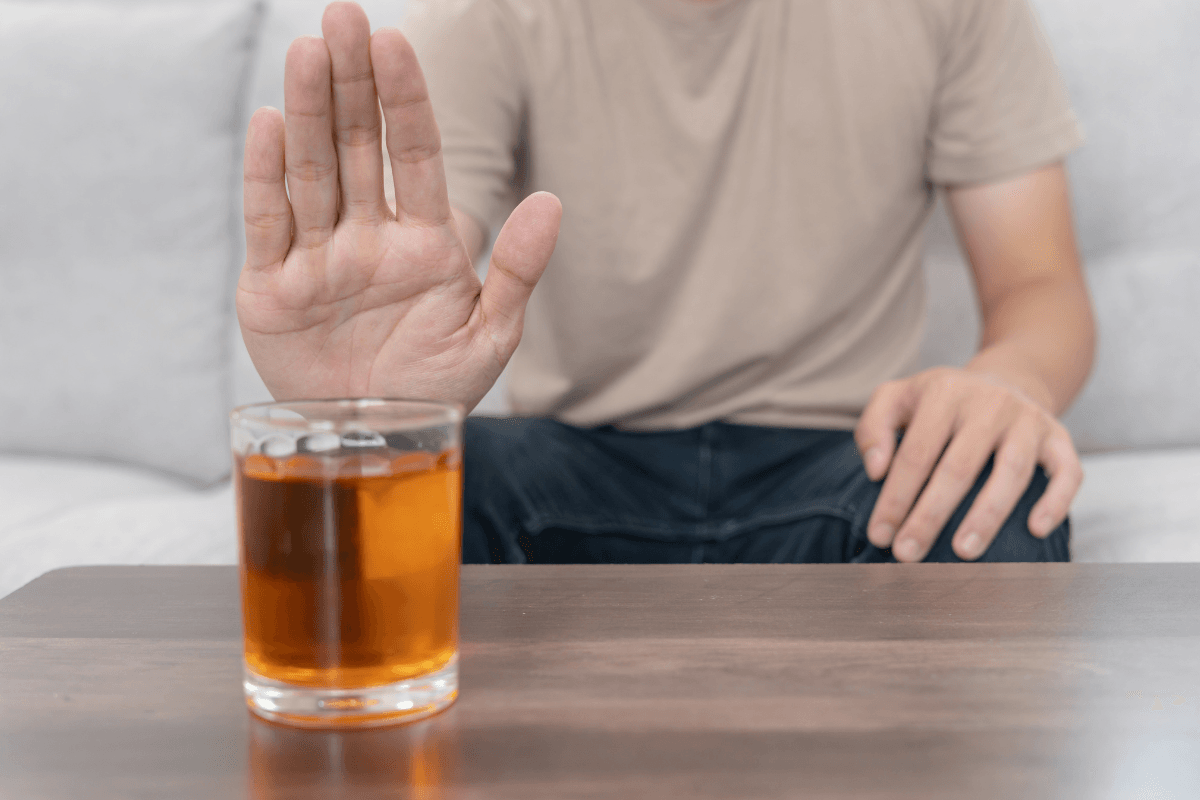
Mixing Contrave and alcohol can complicate treatment and raise safety risks. This guide explains why the combination matters, how to plan around social drinking, and what symptoms to watch. You will also find practical steps about dosing, food, caffeine, and common pain relievers. Use these insights to reduce avoidable harm while staying on track with your weight goals.
Key Takeaways
- Higher risk moments: early dose changes and heavy drinking.
- Watch for mood shifts, dizziness, and seizure warning signs.
- Plan drinks with meals and hydrate between servings.
- Avoid opioids; check labels for sedatives and stimulants.
- Discuss alcohol patterns with your clinician before dose adjustments.
Why Alcohol Matters With Contrave
Contrave combines naltrexone (opioid receptor blocker) and bupropion (norepinephrine–dopamine reuptake inhibitor). Alcohol affects the brain and liver in overlapping ways. Together, they can increase dizziness, slow reaction time, and impair judgment. For some people, alcohol may also worsen mood swings or sleep disruption, which can already occur early in therapy.
Alcohol can also interact with bupropion’s tendency to lower the seizure threshold. Binge episodes, abrupt changes in drinking, or dehydration may raise that risk further. Regulatory sources caution that bupropion mixed with alcohol can provoke neuropsychiatric symptoms and rare seizures; see the FDA prescribing information for additional detail (FDA prescribing information). These reasons make a deliberate alcohol plan essential during treatment.
Mechanism and Interaction Pathways
Bupropion stimulates central nervous system (CNS) activity, which can increase alertness but also raise heart rate and anxiety in some users. Alcohol depresses the CNS and impairs coordination. Alternating stimulation and sedation can destabilize sleep, blood pressure, and mood. The variability often feels stronger during dose titration or when drinks are spaced irregularly.
Naltrexone modulates opioid pathways involved in reward and cravings. When people drink while taking naltrexone, alcohol’s rewarding effects may feel blunted. This change can alter drinking patterns unexpectedly. Research and public health resources describe added caution for naltrexone and alcohol when patients use other sedatives or have liver disease; see the NIAAA guidance on alcohol–medication interactions (NIAAA guidance) and the MedlinePlus naltrexone overview for baseline safety facts (MedlinePlus naltrexone).
Side Effects to Watch and When to Pause
Alcohol can intensify dizziness, nausea, insomnia, and anxiety—common Contrave Side Effects Guide symptoms. If these reactions escalate after drinks, reduce intake or pause drinking until symptoms settle. Escalating tremor, confusion, or visual disturbances need prompt medical attention, especially if accompanied by dehydration.
People with seizure history, eating disorders, severe liver disease, or abrupt alcohol withdrawal risk should avoid combining alcohol and therapy. If you experience new severe mood changes or suicidal thoughts, stop drinking and seek care. Discuss plans for gatherings beforehand to identify safer alternatives, including non-alcohol options and time-limited attendance.
For a structured overview of risks and uncommon complications, see our detailed Contrave Side Effects Guide for early warning signs.
Dosing, Timing, and Duration Considerations
Early weeks often bring the largest variability in response. Keep dosing consistent, and avoid adding new drinking patterns during titration. Ask your clinician before any change in schedule. If you plan an event with drinks, do not compensate by taking extra tablets earlier or later; stick to your prescribed plan.
Many people wonder how long does contrave stay in your system. Active components and metabolites may persist beyond a day, so effects can overlap with later drinking sessions. Allow conservative spacing between dose changes and heavy social events. For a stepwise overview of starter doses and titration, review our Contrave Dosage Guide for context on scheduling decisions.
Eating and Food Triggers
Meals slow alcohol absorption and reduce dizziness. Choose protein and fiber pairings at events, and sip water between drinks. Greasy or highly spiced foods may aggravate nausea in sensitive users. Track which foods worsen symptoms for you, especially in the first weeks on therapy.
Some users search for food to avoid on contrave because nausea or reflux can flare. Consider keeping portions smaller and avoiding large late-night meals when you might also drink. For broader nutrition planning that supports weight therapy, see Diet and GLP-1 Medications for balanced meal structure ideas.
Caffeine, Coffee, and Other Stimulants
Stimulants and alcohol pull the nervous system in different directions. Caffeine can mask intoxication while raising heart rate and anxiety. If you drink socially, lower caffeine earlier in the day. Track sleep quality the morning after to see how both substances affected rest and mood.
Some people ask about contrave and caffeine when palpitations or jitteriness occur. Reduce other stimulants, such as energy drinks or decongestants, if you notice shakiness. If symptoms persist, discuss the pattern with your clinician and adjust non-drug triggers first. A gradual approach reduces confounding factors when reviewing your regimen.
Pain Medicines and Common Aches
Aches and headaches can occur during therapy or after drinks. Avoid opioid painkillers because naltrexone blocks their effect and can precipitate withdrawal. NSAIDs like ibuprofen may irritate the stomach alongside alcohol, while acetaminophen stresses the liver. Use the lowest effective dose and avoid combining multiple pain products.
Patients often ask what pain medicine can i take with contrave. Many clinicians prefer single-agent, non-opioid options used sparingly, especially if you plan to drink. If you have liver or kidney disease, seek individualized guidance. Review labels for added sedatives and cold medicines that increase drowsiness with alcohol.
GLP-1 Combination Considerations
Newer GLP-1 agents like semaglutide may be considered for some patients. These medicines also interact with appetite, nausea, and hydration—key factors when alcohol is involved. If you are exploring combination strategies, discuss sequencing and monitoring plans up front, including liver and gastrointestinal symptoms.
People often ask can you take contrave and wegovy together. Use caution; combined therapies can compound nausea, dizziness, and dehydration risks at social events. For a side-by-side look at these agents, see Contrave vs. Wegovy to understand overlapping effects. For alcohol-specific guidance with incretin therapies, compare patterns in GLP-1 and Alcohol and drug-specific implications in Ozempic and Alcohol.
Social Drinking Plans That Reduce Risk
Plan ahead if you expect alcohol at an event. Eat before you arrive, alternate each drink with water, and set a personal cap. Avoid driving and choose earlier start times to protect sleep. Keep a list of warning symptoms, like worsening dizziness or unusual mood shifts, and leave early if they appear.
Practice extra caution after recent dose changes or on days with poor sleep or heavy exercise. If you must attend functions frequently, schedule rest days and non-alcohol gatherings. For broader weight management guidance beyond medications, browse our Weight Management resources for lifestyle strategies. To understand where Contrave fits in a plan, see Contrave for Weight Loss for mechanism and expectations.
Tip: Log drinks, sleep quality, and any side effects in a simple tracker. Patterns often become clear within two to three weeks.
Comparisons and Related Therapies
Some patients switch between therapies as goals evolve. Understanding differences helps you set realistic expectations for social habits. Reviewing alternatives can also identify combinations that increase nausea or dehydration during events, particularly when travel or hot weather is involved.
For agents with similar goals, explore Zepbound and Alcohol to compare how incretin therapies interact with drinking. If you and your clinician consider Saxenda, the Basics of Saxenda article outlines common onset effects and meal planning ideas. If a prescription GLP-1 becomes appropriate, our Ozempic Semaglutide Pens page provides product specifics when you need a quick reference.
To place Contrave among oral incretins and newer agents, see Orforglipron vs Rybelsus for efficacy context. This can help frame expectations about appetite, hydration needs, and tolerability while maintaining social routines.
Red Flags and When to Seek Help
Stop drinking and seek care if you experience severe dizziness, fainting, confusion, uncontrolled vomiting, chest pain, or seizure-like activity. Do the same for sudden, severe mood changes. These signals may indicate compounding effects of alcohol, dehydration, and medication. Keep a list of your medicines, recent alcohol intake, and any supplements to share with clinicians.
If you are cutting down heavy drinking, do so with guidance to avoid withdrawal complications. National resources emphasize caution around unsupervised alcohol changes while using CNS-active medications; the NIAAA guidance explains why supervision matters. For dose clarity before or after such periods, refer back to our Contrave Dosage Guide as a planning tool.
Recap
Alcohol can amplify CNS side effects and blur judgment while you are adjusting to therapy. Careful meal timing, hydration, and modest limits help reduce risk. Align any social plans with stable dosing and adequate sleep, and monitor how your body responds over time.
Use the internal guides linked above to refine dosing schedules, compare alternatives, and plan around events. If concerning symptoms arise, pause alcohol and contact your care team for individualized advice.
Note: Binge drinking, abrupt alcohol changes, or combining sedatives can raise seizure risk. Create a plan with your clinician if any of these apply to you.
This content is for informational purposes only and is not a substitute for professional medical advice.