
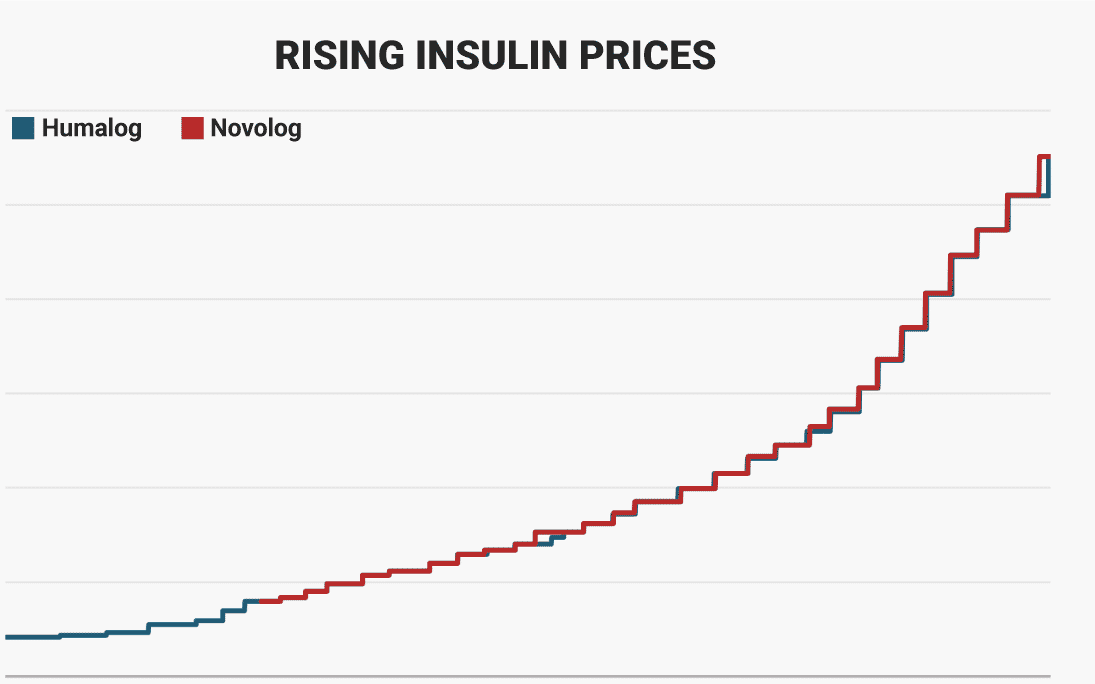
Many readers ask directly: how much is insulin without insurance. The honest answer varies by product, dose, and where you fill your prescription, but common patterns can help you plan costs.
Key Takeaways
- List prices differ widely by insulin type.
- Insurance design can shift monthly costs dramatically.
- Older human insulin may cost less at retail.
- Recent price cuts continue through 2025.
How Much Is Insulin Without Insurance: Current Ranges
Out-of-pocket spending depends on insulin type (e.g., analog vs. human), delivery form (vial, pen, or cartridge), and pharmacy pricing. Rapid-acting and long-acting analogs often carry higher list prices, while human regular or NPH insulin may be less costly. Pharmacies set their own cash prices, and discount cards may narrow the spread, but results vary town by town.
Vials usually cost less per unit than pens, though pens can reduce waste if you use smaller doses. Biosimilar and follow-on insulins may undercut reference brands, but availability and discounts differ regionally. For broader context on product families and use patterns, see How Much Does Insulin Cost for a plain-language overview of formats and factors.
What Drives Your Out-of-Pocket Price
Several variables push monthly costs up or down. Dose needs change with weight, diet, activity, and clinical goals, which directly affects how many units you buy. Pharmacy cash prices vary by chain and geography, and independent pharmacies may negotiate locally. Manufacturer coupons, pharmacy discount programs, and charity assistance can lower the final amount at the register.
Packaging influences unit economics. Vials typically offer the lowest per-unit price but require syringes. Pens add convenience and dose accuracy but often cost more. If you use pens, cartridges may help with waste reduction. For device details and fit, see Insulin Cartridges Types for packaging pros and cons, and review Insulin Pen vs Syringe for device trade-offs that may affect spending.
With and Without Insurance: What Changes
Plan design can matter more than list price. Coinsurance, deductibles, and preferred tiers determine how much you pay monthly. During a deductible phase, your spending can resemble cash pricing. Once you reach a copay stage, your share may drop sharply, or rise again if a non-preferred brand is required by your prescriber.
People often ask how much does insulin cost with insurance because out-of-pocket swings can be large. Medicare enrollees may see lower costs due to federal policy. For official details on caps under federal law, review the Medicare insulin cap for Part D and Part B programs. Many commercial plans also negotiated reductions after major list-price changes; check your plan’s formulary and mail-order quotes.
Over-the-Counter and Retail Options
Some pharmacies sell human insulin (regular and NPH) without a prescription in many states. That option helps when appointments or coverage lapse, but it is not a one-to-one substitute for modern analogs. Dosing characteristics differ, and switching may affect glucose control. When people ask where can i buy insulin over the counter, pharmacists can explain what is stocked locally and how timing differs from analog regimens.
Large retailers often carry private-label human insulin at lower cash prices compared with many analogs. Still, analogs remain necessary for many care plans due to pharmacokinetics. To understand specific basal analogs and devices, see Lantus Insulin Cartridge for cartridge-based delivery considerations and What Is Toujeo Insulin for a long-acting insulin profile. For product listings by condition, browse the Diabetes Products Category to compare formats and strengths.
Price Trends and Recent Changes
Several manufacturers announced list price reductions in 2023, and impacts continued into insulin prices 2024 across many pharmacy shelves. The real-world effect depends on which product you use, your pharmacy’s updated price files, and whether supply agreements shifted. Biosimilar entries and expanded interchangeability designations also increased competitive pressure in select categories.
Broader policy and market changes keep evolving. Pharmacy benefit manager rebates, state copay caps, and insurer tiering strategies can change yearly. For neutral background on biosimilars and interchangeability concepts that influence competition, see the FDA’s overview of biosimilar products and how they relate to reference drugs. If you use mixed regimens, Premixed Insulin Overview can help you weigh convenience against flexibility during plan changes.
International Prices and Cross-Border Context
People often compare costs across health systems to understand the gap. In many cases, insulin price usa vs canada reflects differences in national negotiation, reference pricing, and supply chain markups. Provincial and national formularies abroad may secure lower net prices than fragmented U.S. pharmacy networks. Exchange rates and taxes also play a role.
European systems further illustrate how centralized negotiation and biosimilar uptake can moderate list prices. Those structures are not directly comparable to U.S. retail conditions, but they help explain why prices diverge. For readers using fixed-ratio combinations that appear on international formularies, see Xultophy Side Effects for safety context while you review plan formularies. For a broader library of cost and therapy topics, the Diabetes Articles hub organizes recent explainers and guides.
Access and Affordability Programs
Government and manufacturer programs can meaningfully reduce spending for eligible patients. If you are wondering who qualifies for $35 insulin, Medicare beneficiaries typically see capped monthly costs for covered products under current law, though specifics may differ by Part and supplier. Some states also cap copays for certain plan types. Commercial plans may offer exceptions or assistance for financial hardship.
Patient assistance programs and copay cards from manufacturers can offset costs for eligible individuals who meet income or coverage criteria. Nonprofit resources and state programs also provide support, especially for emergency fills and short-term coverage gaps. For a practical list of options and eligibility tips, the ADA affordability resource summarizes assistance pathways and documents you may need.
Production Costs vs. List Prices
Public debates often focus on how much does insulin cost to make. While manufacturing costs for established insulins may be relatively low per unit, final prices reflect research, quality controls, packaging, distribution, and negotiated rebates within the U.S. supply chain. Each step adds markups, and contractual rebates can obscure the true net price.
Because the U.S. relies on complex insurer and pharmacy benefit manager structures, list prices do not equal what payers spend or what patients pay. Some stakeholders may pay less after rebates, while cash-paying patients face the posted retail figure. Understanding this gap can guide smarter conversations with your prescriber and pharmacist about therapeutically similar, lower-cost alternatives.
Smart Purchasing: Formats and Planning
Small changes in how you buy can lower monthly costs. Compare vial versus pen unit prices, and ask about cartridge availability if you waste partial pens. If you use both basal and bolus insulin, a premixed option may simplify dosing but can limit flexibility during illness or travel. Your prescriber can help evaluate trade-offs while maintaining stability.
Plan refills to avoid urgent, full-price purchases. Mail-order or 90-day supplies may reduce per-month costs if your regimen is stable and storage is adequate. For mixing and regimen structure, review Premixed Insulin Overview for planning considerations. For hypoglycemia preparedness during cost-saving changes, see Glucagon Injection Kit for emergency-use steps and training guidance.
Tip: Ask your pharmacist to quote cash, discount-card, and 30- vs 90-day prices. You can then compare real totals per unit and reduce waste.
Recap
Insulin costs depend on product type, delivery format, pharmacy pricing, and your coverage stage. Recent list-price cuts, biosimilars, and federal caps continue to reshape out-of-pocket spending, but local factors still drive differences. Comparing options and confirming plan rules remain the most reliable steps.
Use pharmacy quotes, prescriber input, and assistance programs to align therapy and budget. When evaluating substitutions, consider pharmacology and timing first, then price. Evidence-based choices reduce long-term risk while meeting financial limits.
Note: Laws and program details change. Always confirm current eligibility and coverage terms with your insurer, pharmacy, or plan administrator.
This content is for informational purposes only and is not a substitute for professional medical advice.


