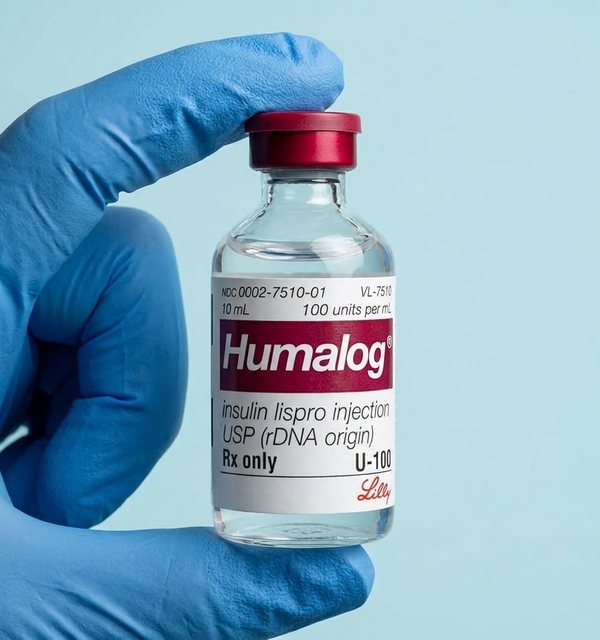


Diabetes and breastfeeding can usually go together safely when glucose monitoring, nutrition, medication review, and newborn feeding plans are coordinated early. Nursing uses energy and can change insulin needs, especially in the first weeks after delivery. This matters because both high and low glucose can affect how you feel, how feeding routines work, and how confidently milk supply becomes established.
Key Takeaways
- Breastfeeding is usually possible with diabetes when care is planned.
- Insulin needs may fall during early lactation, especially overnight.
- High glucose may contribute to delayed milk production in some parents.
- Newborn glucose screening may be needed after delivery.
- Medication safety should be confirmed before or soon after birth.
How Diabetes Changes the Early Breastfeeding Period
Breastfeeding changes glucose use because milk production requires energy and fluid. Many parents notice different blood sugar patterns after delivery than they had during pregnancy. Some have lower readings during or after feeds. Others see fasting highs because sleep, stress hormones, missed meals, or medication changes disrupt the usual routine.
The early postpartum period is also when milk supply is becoming established. Frequent milk removal, effective latch, hydration, and adequate calories all matter. Diabetes can add complexity because delayed secretory activation, sometimes called delayed milk “coming in,” is reported more often in people with insulin resistance or elevated glucose. That does not mean breastfeeding will fail. It means early lactation support and glucose planning are worth arranging.
Diabetes itself does not pass through breast milk. A baby cannot “catch” type 1, type 2, or gestational diabetes from nursing. Breast milk can still provide immune and nutritional benefits. The main safety questions are maternal glucose stability, medicine compatibility, infant feeding adequacy, and whether the newborn needs glucose checks after birth.
Why it matters: A written postpartum plan can reduce last-minute decisions during sleep-deprived feeding periods.
Blood Sugar Targets, Lows, and High Readings While Nursing
There is no single set of normal blood sugar levels while breastfeeding that applies to everyone. Targets depend on diabetes type, medications, hypoglycemia risk, pregnancy history, and your clinician’s postpartum plan. In practice, many teams focus first on avoiding symptomatic lows and prolonged highs while feeding routines stabilize.
Lows can happen because nursing uses glucose and because meals are often delayed. Symptoms of low blood sugar while breastfeeding may include shakiness, sweating, sudden hunger, confusion, weakness, or trouble concentrating. Keep a fast-acting carbohydrate within reach during night feeds if your care team has advised hypoglycemia treatment. If lows are frequent, severe, or difficult to recognize, contact your diabetes team promptly.
High fasting blood sugar while breastfeeding can have several causes. Common contributors include inadequate overnight insulin, rebound after treating a low, stress hormones, illness, poor sleep, or late meals. Do not change insulin or other diabetes medications on your own. Instead, bring several days of readings, feeding times, snacks, and medication timing to your clinician so patterns can be reviewed safely.
If your readings use a different unit than your care team uses, a conversion tool can help you compare values. It does not set your target or replace clinical guidance.
Blood Glucose Unit Converter
Convert glucose readings between mg/dL and mmol/L without changing the clinical value.
These calculations are for education only and do not replace clinical advice, diagnosis, or treatment. Always confirm medical decisions with a qualified healthcare professional.
Medication Review for Type 1, Type 2, and Gestational Diabetes
Medication plans often change after delivery. For people with type 1 diabetes and breastfeeding, insulin needs may decrease compared with late pregnancy. This is especially common when overnight feeding is frequent. Correction doses, basal insulin, pump settings, and mealtime boluses should be reviewed with the prescribing clinician, not adjusted by guesswork.
For type 2 diabetes and breastfeeding, care may involve insulin, metformin, nutrition changes, activity, or other medicines. Some treatments have more lactation experience than others. The safest approach is to review each medication by name, including dose timing, infant prematurity, kidney issues, and whether the baby is being monitored for feeding or weight gain concerns.
Gestational diabetes and breastfeeding has a different follow-up pattern. Blood sugar often improves after delivery, but this does not remove the need for postpartum testing. Many parents need a follow-up glucose test after pregnancy and longer-term screening for type 2 diabetes risk. For more context on pregnancy-related glucose care, see Gestational Diabetes Signs and Postpartum Diabetes Care.
Medication compatibility should be individualized. If metformin was part of your pregnancy or postpartum discussion, Metformin Use During Pregnancy may help you prepare questions for your clinician. If long-acting insulin is being discussed, Lantus and Pregnancy gives related background for pregnancy and postpartum conversations.
Milk Supply, High Glucose, and Infant Feeding Safety
High blood sugar may affect milk supply in some situations, but it is rarely the only factor. Milk production depends most on frequent effective milk removal. Latch problems, infant sleepiness, separation after birth, pain, delayed pumping, retained placental tissue, thyroid disease, and inadequate calories can also reduce supply. Diabetes can overlap with these issues, so a broad review is often more useful than blaming one number.
Parents often ask, “Can I breastfeed with high blood sugar?” In many cases, yes, but persistent highs deserve medical review. Short-term elevations do not make breast milk unsafe in the way a contagious infection might. The bigger concern is what high readings mean for your hydration, healing, infection risk, energy, and milk production. If you feel unwell, have vomiting, ketones, fever, breast redness, or very high readings, seek urgent clinical advice.
Babies born to parents with diabetes may be checked for low blood sugar after delivery. Early feeds, skin-to-skin contact when possible, and lactation support can help. If supplementation is recommended, ask how to protect breastfeeding while meeting the baby’s immediate needs. Pumping or hand expression may be used in some plans, but your maternity team should guide timing and technique.
Quick tip: Track feeds, wet diapers, and glucose readings in one place during the first two weeks.
Food, Fluids, and Daily Routines That Reduce Swings
A diabetic breastfeeding mother diet should support milk production without causing wide glucose swings. This usually means regular meals, planned snacks, enough fluid, and balanced carbohydrate portions. A registered dietitian can help if you use insulin, have kidney disease, have a history of eating disorder, or are seeing repeated highs or lows.
There is no universal “best” food list for diabetes and breastfeeding. Instead, focus on how meals affect your own readings. Pair carbohydrate foods with protein, fiber, or healthy fats when that fits your plan. Examples include yogurt with berries, whole-grain toast with egg, lentil soup, or crackers with nut butter. Overnight snacks may be helpful for some people using insulin, but others may not need them.
Light activity can improve glucose patterns for many adults, but postpartum recovery varies. Ask your clinician when walking, pelvic floor work, or other movement is appropriate. If you had a cesarean birth, severe anemia, high blood pressure, infection, or significant birth injury, recovery advice may differ.
For pregnancy meal-planning background, Gestational Diabetes Diet offers practical ideas that can be adapted after delivery with professional guidance. For broader diabetes education, the Diabetes Articles collection can help you explore related topics.
Practical Planning Before and After Delivery
A simple plan can prevent many breastfeeding and glucose problems. Start with the people who will support you: obstetric clinician, diabetes team, pediatric team, and lactation consultant. Ask them how your medication plan will change after birth, when to check glucose, what symptoms require urgent care, and how the newborn nursery handles glucose screening.
- Prepare feeding stations with water, snacks, meter supplies, and hypo treatment.
- Confirm medication safety before discharge from hospital or birth centre.
- Record feed times with glucose readings during the first weeks.
- Ask about postpartum glucose testing after gestational diabetes.
- Arrange lactation help early if milk transfer seems poor.
- Review sick-day guidance if you have type 1 diabetes or use insulin.
If you browse health products or supplies, keep the purpose practical rather than promotional. The Diabetes Products category is a browsable collection, while the Diabetes Condition page helps organize diabetes-related items by condition. Product choices should still match your clinician’s instructions.
CanadianInsulin.com functions as a prescription referral platform, and required prescription details may be confirmed with the prescriber. Dispensing and fulfilment are handled by licensed third-party pharmacies where permitted, so access questions should be separated from medical decisions about treatment.
When to Seek Medical Help
Get urgent medical advice if you have symptoms of diabetic ketoacidosis, such as vomiting, abdominal pain, deep breathing, fruity breath, confusion, or moderate to large ketones. This is especially important for people with type 1 diabetes. Also seek care for severe hypoglycemia, loss of consciousness, repeated lows, or readings that remain very high despite following your prescribed plan.
Call your baby’s clinician promptly if the infant is hard to wake, feeds poorly, has fewer wet diapers than expected, seems unusually floppy, is jittery, or has signs of dehydration. These symptoms can have several causes, including low glucose, infection, jaundice, or inadequate intake. Newborn concerns should be assessed quickly.
For breastfeeding problems, do not wait until supply has dropped for several days. Painful latch, cracked nipples, poor milk transfer, and sleepy feeding can often improve with skilled lactation support. Parents with diabetes may benefit from earlier help because delayed milk production and infant glucose monitoring can add pressure.
Authoritative Sources
Major diabetes and breastfeeding organizations support nursing when it is medically appropriate and planned. The American Diabetes Association provides patient-focused information on breastfeeding with diabetes, including benefits and practical considerations.
The American Academy of Pediatrics describes breastfeeding benefits and clinical support needs in its breastfeeding policy resources. For newborn low glucose, this clinical review from StatPearls summarizes neonatal hypoglycemia evaluation and management principles.
Recap
Diabetes and breastfeeding is usually manageable with early planning, flexible monitoring, and support from both diabetes and lactation teams. The main goals are stable maternal glucose, enough nutrition and fluids, safe medication use, effective milk removal, and prompt newborn assessment when needed.
Expect some trial and adjustment in the first weeks. Bring records to your appointments rather than relying on memory. Small patterns, such as overnight lows or fasting highs, are easier to solve when your team can see feeding times, meals, medication timing, and readings together.
For related women’s health topics, you can browse the Women’s Health Articles collection. Use educational resources to prepare better questions, not to replace individualized postpartum care.
This content is for informational purposes only and is not a substitute for professional medical advice.