

Metformin vs Avandia: Mechanisms, Risks, and When To Use is mainly a question of drug class, safety profile, and treatment role. Metformin and Avandia, the brand name for rosiglitazone, can both lower blood sugar in type 2 diabetes, but they work differently and are not used interchangeably. Metformin is still the usual first oral medicine for many adults. Avandia has a narrower role because fluid retention, weight gain, and heart failure concerns call for more caution.
That difference matters because a diabetes drug is not judged by glucose control alone. Clinicians also weigh side effects, kidney and heart issues, weight effects, and what newer options are available. If you are comparing older and newer treatment paths, the Type 2 Diabetes Articles and the Type 2 Diabetes Hub can help place this comparison in context.
Key Takeaways
- Metformin is a biguanide and usually remains the first-line oral medicine for many adults with type 2 diabetes.
- Rosiglitazone is a thiazolidinedione. It mainly improves insulin sensitivity but raises more concern about swelling, weight gain, and heart failure.
- Metformin commonly causes stomach upset. Rosiglitazone more often causes edema and fluid-related weight gain.
- The two drugs can be combined in selected patients because their mechanisms are different.
- The better choice depends on kidney function, heart history, side effects, and the overall treatment plan.
Metformin vs Avandia at a Glance
The short comparison is this: metformin is usually the earlier, broader option, while rosiglitazone is the more selective option. That is not because one drug lowers glucose and the other does not. It is because their tradeoffs differ. Metformin’s limits are usually gastrointestinal intolerance and rare metabolic risk. Rosiglitazone’s limits are mainly fluid retention and cardiovascular caution.
| Feature | Metformin | Avandia |
|---|---|---|
| Drug class | Biguanide | Thiazolidinedione |
| Main action | Reduces liver glucose output and improves insulin sensitivity | Improves insulin sensitivity in fat and muscle |
| Usual role | Often early therapy | More selective add-on or alternative use |
| Common issues | Nausea, diarrhea, stomach upset | Swelling and weight gain |
| Key caution | Kidney function and rare lactic acidosis risk | Heart failure warning and fluid retention |
| Weight effect | Often neutral or modest loss | May increase weight |
This table simplifies a decision that still needs clinical context. A person with frequent diarrhea may struggle on metformin even if it is otherwise appropriate. A person with swelling, heart failure, or unexplained weight gain may be a poor candidate for rosiglitazone even if insulin resistance is significant. The better question is not which drug is stronger. It is which risk profile fits the person in front of you.
Prescription details may need confirmation with the prescriber when required.
How the Mechanisms Differ
The key mechanistic difference is simple: metformin mostly reduces the liver’s glucose output, while rosiglitazone mostly makes tissues respond better to insulin. Both improve glucose control, but they target different parts of the problem. That is why rosiglitazone vs metformin is a class comparison, not just a brand comparison.
Metformin: Less Liver Glucose Release
Metformin is a biguanide, a class that lowers blood sugar without pushing the pancreas to release more insulin. It mainly decreases hepatic glucose production, meaning the liver makes less glucose between meals. It also improves insulin sensitivity to a lesser degree and can reduce intestinal glucose absorption. Because it does not usually force insulin release, metformin by itself is not best known for causing low blood sugar.
Clinically, that mechanism fits the early biology of type 2 diabetes. Many people have excess liver glucose output before they need more complex drug combinations. Metformin also has a long track record, which is one reason it remains central in many treatment pathways.
Rosiglitazone: More Insulin Sensitivity
Rosiglitazone belongs to the thiazolidinedione class, an insulin-sensitizing group of drugs. It activates PPAR-gamma, a receptor that changes how fat and muscle handle glucose and fatty acids. In plain language, it helps the body respond to insulin more effectively. That can lower blood sugar without relying on more insulin release from the pancreas.
That mechanism sounds attractive, but it comes with baggage. When insulin sensitivity improves through this pathway, fluid retention and weight gain can also become part of the picture. That is one reason discussions about the Avandia mechanism of action cannot be separated from safety.
Because the mechanisms are different, the drugs can complement each other. A metformin and rosiglitazone combination has been used before, including in older fixed-dose products. Still, pairing them is never automatic. The combined regimen still needs review of kidney status, heart history, swelling, and other medicines.
Safety, Side Effects, and Serious Warnings
Metformin’s main safety issues differ sharply from rosiglitazone’s. Metformin is more often limited by stomach side effects and rare lactic acidosis risk. Rosiglitazone is more often limited by edema, weight gain, and the possibility of causing or worsening heart failure.
Metformin Safety Profile
Common metformin side effects include nausea, diarrhea, abdominal discomfort, and reduced appetite. These are often most noticeable early or after a dose increase. Some people tolerate extended-release formulations better than immediate-release forms, which helps explain why not every report of metformin intolerance means the whole drug class is unsuitable.
Metformin also carries a warning about lactic acidosis, a rare but serious buildup of acid in the blood. Risk rises in settings such as severe kidney impairment, major dehydration, severe infection, low-oxygen states, or heavy alcohol use. This is why clinicians review kidney function and may temporarily pause the drug during certain acute illnesses or procedures. Long-term use can also lower vitamin B12 in some people, so follow-up testing may matter.
One common internet claim is that doctors no longer recommend metformin. That is not generally correct. Metformin is still widely used. In many patients, the question is not whether metformin is outdated, but whether the person can tolerate it and whether kidney function or acute illness makes it less appropriate.
Rosiglitazone-Related Concerns
Avandia side effects tend to center on fluid and weight rather than the gut. Swelling in the legs or ankles, weight gain, and shortness of breath from fluid overload are key concerns. Other label-based cautions can include fracture risk and the need to review liver history.
More importantly, rosiglitazone carries boxed-warning level concern because thiazolidinediones can cause or worsen heart failure. That does not mean every patient will develop heart failure. It does mean a history of edema, reduced cardiac reserve, or existing heart failure changes the risk discussion immediately. This is the clearest reason Avandia contraindications and cautions are more restrictive than metformin contraindications.
Rosiglitazone also has a long cardiovascular controversy in the literature. The exact interpretation has changed over time, but the drug’s reputation never fully separated from that debate. Similar fluid-retention questions often come up with pioglitazone because both drugs sit in the same class. In current practice, many clinicians reach for other diabetes medications before they reach for rosiglitazone.
Why it matters: A drug can lower glucose well and still be the wrong fit if it worsens swelling or cannot be tolerated.
Neither drug is best known for causing hypoglycemia on its own, but low blood sugar can become more likely when other diabetes medicines are added to the regimen.
Dispensing is handled by licensed third-party pharmacies where permitted.
When Each Medicine May Fit in Care
For many adults with type 2 diabetes, metformin still fits earlier in care, while rosiglitazone is usually reserved for selected situations. That broad pattern reflects current treatment goals, not nostalgia for older practice.
Metformin remains first-line treatment for many adults because it has a long record, does not usually cause hypoglycemia on its own, and is often weight-neutral or associated with modest weight loss. Those advantages do not erase its limits. Significant kidney impairment, severe intolerance, or certain acute medical situations can make it a poor choice or a drug that needs to be held. Metformin and heart failure is now a more nuanced issue than older teaching suggested. Stable heart failure alone does not automatically rule it out; kidney function and overall clinical stability matter more.
Rosiglitazone may be considered when improving insulin sensitivity is still a reasonable goal and other agents are not enough, not tolerated, or not suitable. Even then, the person has to be screened for fluid retention, heart failure, and other risks. In practice, that narrower fit is why metformin first-line treatment remains common while Avandia use is less common.
Both drugs are for type 2 diabetes, not type 1 diabetes or diabetic ketoacidosis. If you want a broader map of treatment pathways, the Diabetes Articles section and the Diabetes Hub offer broader background beyond this pair.
Can Metformin and Rosiglitazone Be Used Together?
Yes, metformin and rosiglitazone can be used together in selected patients because their mechanisms complement each other. That possibility helps explain why this is not always an either-or decision.
A combination of rosiglitazone and metformin aims to reduce liver glucose output while also improving insulin sensitivity. Older fixed-dose products, including Avandamet, were built around that idea. The logic is pharmacologic, not automatic. Combination therapy is considered when one drug alone does not meet treatment goals and when the patient’s safety profile still permits both.
Using both medicines does not cancel the weaknesses of either one. You still have to watch for stomach effects, kidney-related cautions, and the rare lactic acidosis warning on the metformin side. You still have to watch for edema, weight gain, and heart failure symptoms on the rosiglitazone side. If you are comparing broader oral options, the Diabetes Medications collection can help frame what else may be in the mix.
Cash-pay and cross-border fulfilment depend on eligibility and jurisdiction.
How This Comparison Fits With Newer Type 2 Diabetes Options
Today, many treatment plans look beyond metformin and rosiglitazone because newer classes can address weight, cardiovascular disease, or kidney priorities alongside glucose control. That broader context is part of what changed the conversation.
That does not make metformin obsolete. It explains why Metformin vs Avandia: Mechanisms, Risks, and When To Use is often an older comparison nested inside a larger modern discussion. A clinician may now compare metformin with a GLP-1 receptor agonist or an SGLT2 inhibitor before considering a thiazolidinedione. The goal is not simply lower glucose. It is the right mix of benefit, tolerability, and comorbidity fit.
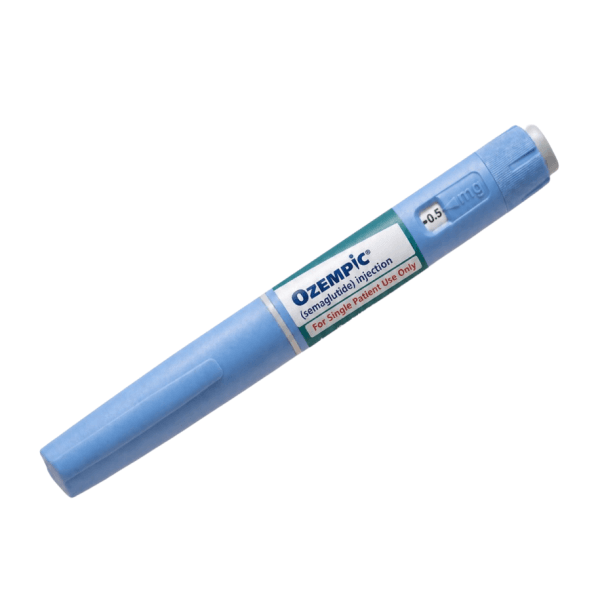
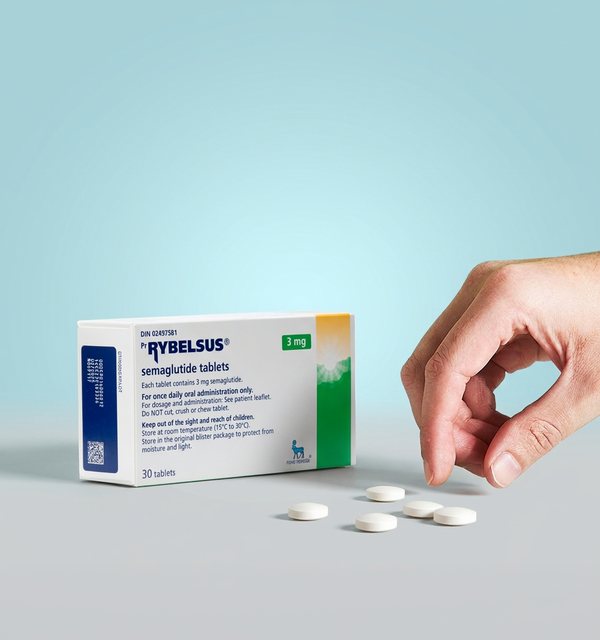
If you want that wider context, start with the Semaglutide Uses explainer, the Trulicity Uses overview, and the Ozempic Alternatives comparison. These topics sit in a different part of current diabetes care, but they help explain why older oral-drug comparisons no longer answer every treatment question on their own.
Questions to Bring to Your Prescriber
Medication reviews work better when the discussion is concrete. Bring your goals, your side effects, and your lab history instead of asking only which drug is better.
Quick tip: Bring a current medication list, recent lab results, and a brief side-effect timeline.
- Current treatment goal – glucose lowering, weight, heart, or kidney priorities
- Kidney status – whether metformin is appropriate today
- Swelling history – any edema, shortness of breath, or heart failure symptoms
- GI tolerance – whether stomach effects limit adherence
- Other medicines – whether the rest of the regimen changes low sugar risk
- Monitoring plan – what labs or symptom checks matter after changes
If the answer changes because of kidney function, heart status, or tolerability, that is not unusual. The best comparison is not abstract. It is personal, and it usually becomes clearer when the full medication list and comorbidities are on the table.
Authoritative Sources
For label-backed and organization-backed background, start here:
- American Diabetes Association overview of diabetes medications
- FDA label information for rosiglitazone and metformin
- MedlinePlus summary of metformin safety and use
In short, Metformin vs Avandia: Mechanisms, Risks, and When To Use is not a simple one-for-one swap. Metformin usually fits earlier because of its long record and broader role. Rosiglitazone may still have a place in selected patients, but its safety profile makes the decision more selective. Further reading can help place this older comparison inside current type 2 diabetes care.
This content is for informational purposes only and is not a substitute for professional medical advice.