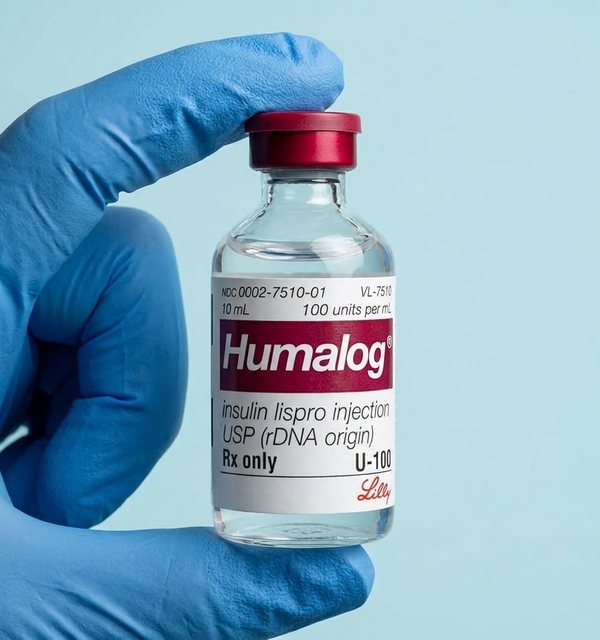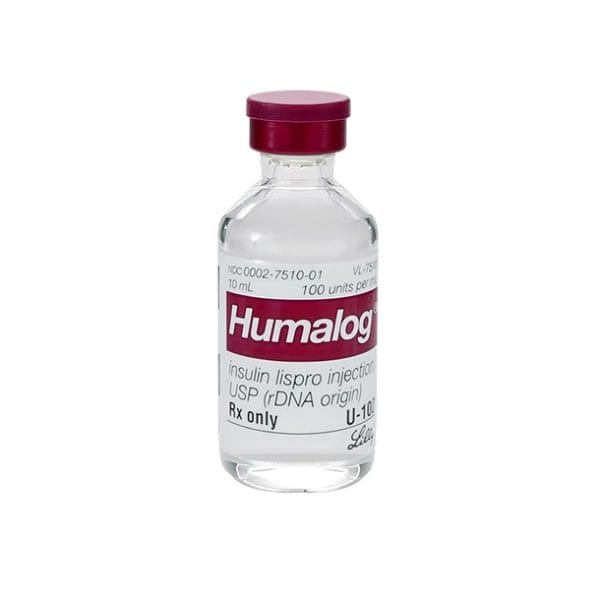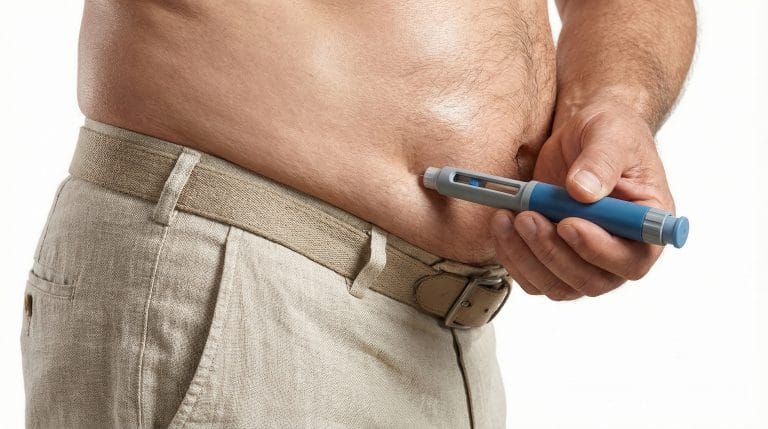

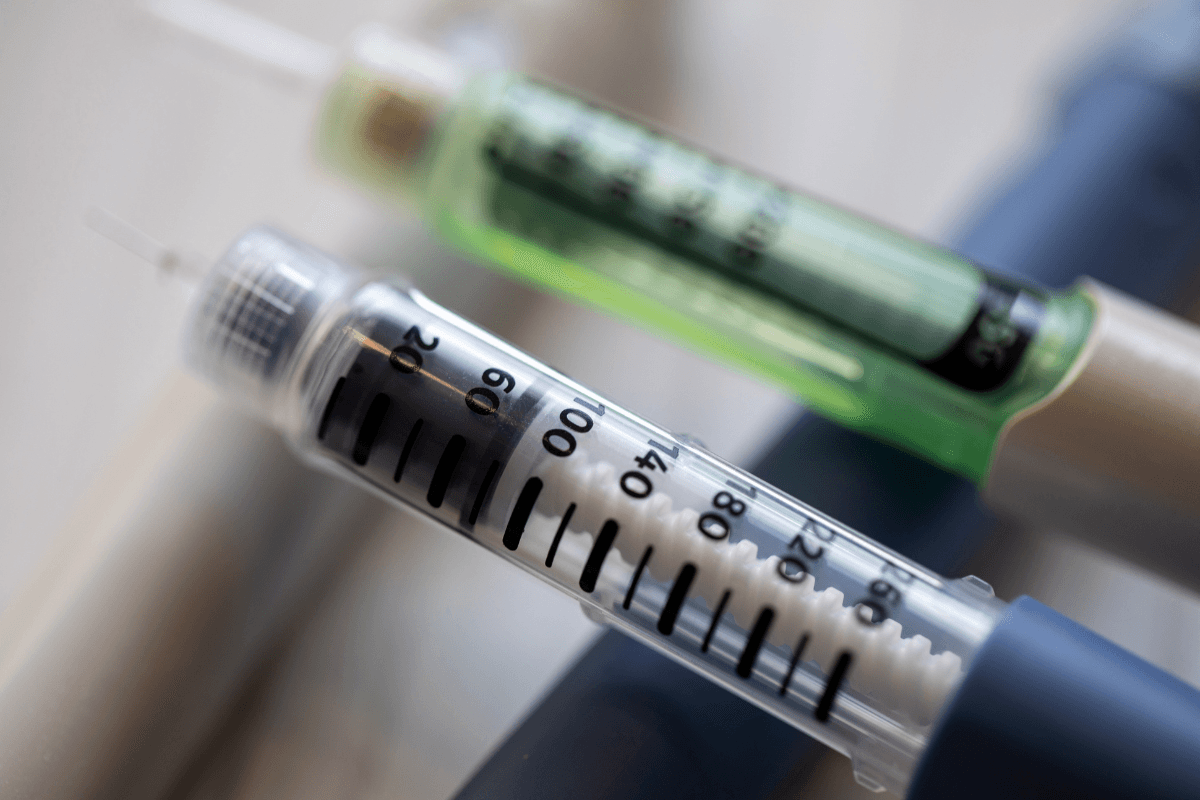
Lantus and Humalog are not the same type of insulin. The main Lantus vs Humalog differences are their roles and timing: Lantus is a long-acting basal insulin for background coverage, while Humalog is a rapid-acting bolus insulin used around meals or corrections when prescribed. This matters because mixing up their timing can raise the risk of high or low blood sugar.
Both medicines can be part of the same diabetes plan, but they answer different glucose problems. Lantus, the brand name for insulin glargine, aims to cover steady insulin needs between meals and overnight. Humalog, the brand name for insulin lispro, acts faster to match food-related glucose rises. If you want a broader primer before comparing brands, see Basal vs Bolus Insulin.
Key Takeaways
- Different roles: Lantus covers background insulin needs; Humalog covers meals and corrections.
- Different timing: Humalog starts faster and wears off sooner than glargine.
- Different risks: Both can cause hypoglycemia, especially with missed meals, activity, or dosing errors.
- Often combined: Many basal-bolus plans use both, but doses require clinician direction.
- Label clarity helps: Separate pens, storage spots, and routines reduce mix-ups.
Where Each Insulin Fits in a Diabetes Plan
Lantus fits the basal role, and Humalog fits the bolus role. Basal insulin means background insulin. It helps limit glucose release from the liver when you are not eating. Bolus insulin means a meal or correction dose. It helps manage glucose rises after carbohydrates or corrects high readings under a written plan.
This distinction is the most significant difference between the two. Lantus is usually discussed in terms of fasting glucose, overnight patterns, and all-day coverage. Humalog is usually discussed in terms of meal timing, carbohydrate intake, and post-meal glucose. For a closer look at long-acting options, see Basal Insulin Types. For mealtime options, see Bolus Insulin Brands.
People using intensive insulin therapy may need both background and mealtime coverage. That does not mean the medicines are interchangeable. Replacing one with the other without medical guidance can leave a gap in coverage or cause unexpected lows.
Why it matters: The right insulin at the wrong time can still be unsafe.
Onset, Peak, and Duration Compared
The timing profile explains most practical Lantus vs Humalog differences. Insulin glargine is designed for slow absorption after injection. Insulin lispro is designed to absorb quickly. This affects when glucose checks, meals, and correction decisions are safest.
| Feature | Lantus | Humalog |
|---|---|---|
| Generic name | Insulin glargine | Insulin lispro |
| Insulin category | Long-acting basal insulin | Rapid-acting bolus insulin |
| Main purpose | Background coverage between meals and overnight | Meal coverage and prescribed correction dosing |
| Typical timing focus | Same daily routine when prescribed | Timed around food or correction instructions |
| Common monitoring focus | Fasting and overnight trends | Pre-meal and post-meal patterns |
Humalog has a quicker onset and shorter duration than Lantus. That makes it useful when glucose is expected to rise soon, such as after a meal. Lantus has a slower, flatter profile. That makes it useful for background insulin needs, not for quickly covering food.
Individual timing can vary. Injection site, recent activity, illness, meal composition, and dose size can affect absorption. For brand-specific details on lispro timing, read Humalog Onset and Duration. For glargine timing, read Lantus Onset and Duration.
Using Lantus and Humalog Together
Lantus and Humalog can be used together when a clinician prescribes a basal-bolus plan. In that setup, the basal insulin supports fasting and between-meal glucose, while the bolus insulin is matched to meals, corrections, or both. The plan should include timing, dose rules, and what to do if food is delayed.
Basal-bolus therapy often requires record-keeping. Useful notes include dose time, meal carbohydrates, glucose readings, activity, illness, alcohol intake, and any low-glucose symptoms. Patterns matter more than one isolated reading. Your care team may review several days of fasting readings before adjusting basal insulin. They may review meal logs before adjusting bolus ratios.
Humalog dosing may also depend on the type of meal. A meal with rapidly digested carbohydrates can raise glucose sooner. A higher-fat meal may delay the rise. These situations need individualized instructions, especially for people using correction factors or insulin-to-carbohydrate ratios.
The phrase “3-hour rule” is often used informally to discuss rapid-acting insulin still working in the body. The exact time window varies by insulin type and person. The practical point is to avoid stacking correction doses too close together unless your written plan says otherwise. Stacking means taking extra rapid insulin before the previous dose has largely finished working, which can increase hypoglycemia risk.
If you measure glucose in different units, a simple converter can reduce logging errors. This tool converts between mg/dL and mmol/L for general record review; it does not provide dosing advice.
Blood Glucose Unit Converter
Convert glucose readings between mg/dL and mmol/L without changing the clinical value.
These calculations are for education only and do not replace clinical advice, diagnosis, or treatment. Always confirm medical decisions with a qualified healthcare professional.
Dosing and Timing Questions to Review With Your Clinician
Lantus and Humalog dosing should be individualized. It can depend on body weight, insulin sensitivity, meal patterns, kidney function, activity, pregnancy status, illness, and other medicines. No comparison article can safely provide a personal dose.
Instead, focus on the questions that shape safe use. Ask when your basal dose should be taken, what to do if it is late, and whether your timing should stay consistent every day. Ask how close Humalog should be taken to meals, what to do if you eat less than expected, and when correction doses are appropriate.
Also ask how your team wants you to respond to repeated highs or lows. Many plans include clear thresholds for contacting a clinician. This is especially important after schedule changes, travel, steroid use, gastrointestinal illness, or major changes in physical activity.
Practical record-keeping points
- Basal timing: record the clock time each day.
- Meal context: note carbohydrates and delayed meals.
- Glucose pattern: track fasting and post-meal readings.
- Activity changes: include exercise and unusual exertion.
- Low symptoms: record timing and possible triggers.
Device choice may affect consistency. Some people prefer vial-and-syringe routines, while others prefer pens for portability and dose dialing. Product pages such as Lantus Vial and Humalog KwikPen can help readers compare available forms, but device preference should not replace clinical instructions.
Side Effects and Safety Differences
The major safety issue with both insulins is hypoglycemia, or low blood sugar. Symptoms can include shakiness, sweating, confusion, fast heartbeat, hunger, weakness, or irritability. Severe hypoglycemia can cause seizures, loss of consciousness, or injury. Seek urgent help for severe symptoms, inability to swallow, or symptoms that do not improve with your prescribed low-glucose plan.
Lantus vs Humalog side effects overlap because both are insulins. Either may cause injection-site reactions, swelling, itching, or low potassium in some situations. Weight gain can occur with insulin therapy. Allergic reactions are uncommon but can be serious. Get urgent care for trouble breathing, facial swelling, widespread rash, or faintness after injection.
The timing of side effects can differ. Humalog-related lows may occur closer to meals or correction doses. Lantus-related lows may be noticed overnight, between meals, or during fasting periods. These patterns are not diagnostic by themselves, but they help your clinician decide which part of the regimen needs review.
Quick tip: Use different pen caps, labels, or storage bins to reduce mix-ups.
If You Take the Wrong Insulin
If you take Humalog instead of Lantus, the immediate concern is low blood sugar because rapid-acting insulin works sooner. Follow your written hypoglycemia plan, monitor closely, and contact a healthcare professional or poison control service for situation-specific guidance. Do not drive if you feel low, confused, or unsafe.
If you take Lantus instead of Humalog before a meal, the concern is different. You may not have enough rapid insulin to cover that meal, and you may also have extra basal insulin active later. Check your glucose as directed and contact your care team for instructions. Avoid guessing extra doses unless your plan clearly covers the situation.
Many mix-ups happen when pens or vials look similar, are stored together, or are used while tired. Keep basal and bolus products in separate locations when practical. Read the label before each injection. If vision problems, dexterity issues, or cognitive changes make insulin handling harder, ask your clinician or pharmacist about safer routines.
Alternatives and Related Comparisons
Other basal and bolus insulins may fit different routines. Basal alternatives include other glargine products, insulin detemir, insulin degludec, and intermediate-acting NPH in some plans. Rapid-acting alternatives include insulin aspart and insulin glulisine. Some people use human regular insulin, which has a slower onset than rapid analogs.
The safest insulin is not one brand for everyone. Safety depends on matching the insulin type to the person’s glucose patterns, meal schedule, monitoring ability, risk of hypoglycemia, and access. A person with frequent overnight lows may need a different review than someone with high post-meal readings. Cost and coverage can also influence the practical choice, but changes should still preserve the intended basal or bolus role.
Readers comparing diabetes treatments may also find the Diabetes browsing page useful for product navigation. CanadianInsulin.com functions as a prescription referral platform; where required, prescription details may be confirmed with the prescriber, and dispensing is handled by licensed third-party pharmacies where permitted.
Authoritative Sources
For regulatory background on insulin products and patient safety, see the FDA information on insulin medicines. For general education on insulin routines and timing concepts, the American Diabetes Association insulin routines resource provides patient-facing context. For emergency guidance around severe low blood sugar, review the CDC low blood sugar information.
Bottom Line
Lantus vs Humalog differences come down to basal versus bolus insulin action. Lantus is used for background coverage, while Humalog is used for faster meal or correction coverage when prescribed. They may work together in a structured plan, but they should not be treated as substitutes.
What to do next is practical: keep labels clear, follow your written timing instructions, log patterns, and ask your care team how to handle missed meals, late doses, illness, travel, or accidental mix-ups. Those details often matter as much as the brand name.
This content is for informational purposes only and is not a substitute for professional medical advice.