
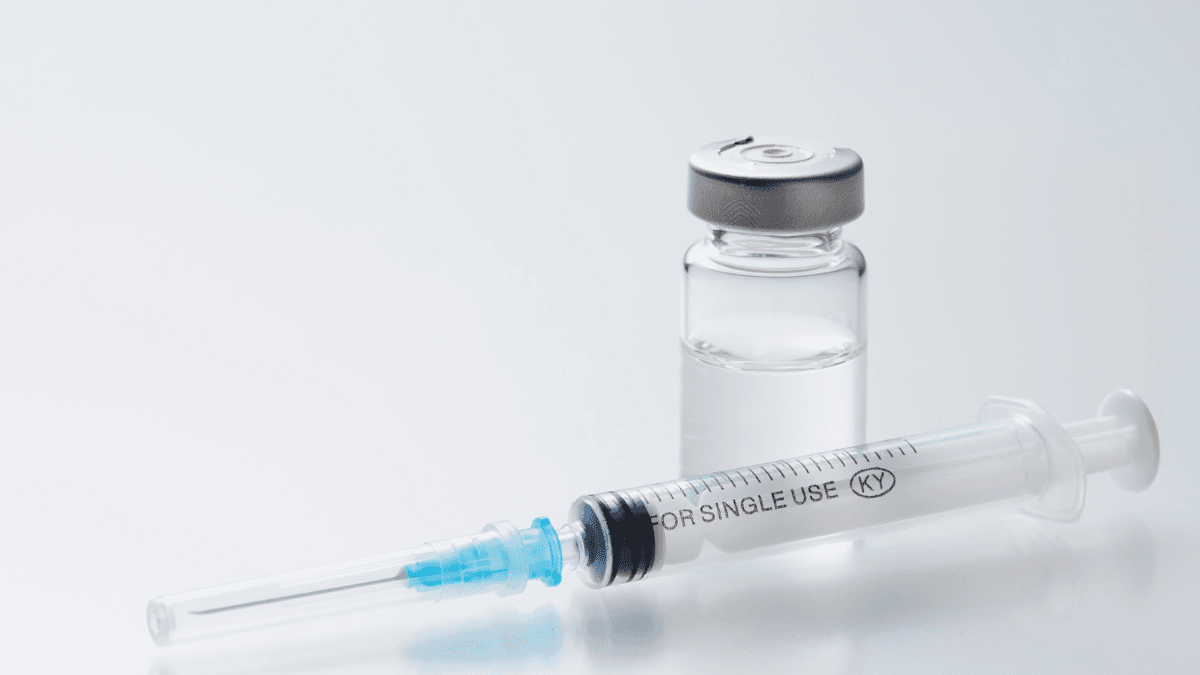
A Lantus insulin vial contains insulin glargine, a long-acting basal insulin used to provide steady background insulin coverage. It is available as a vial for use with an insulin syringe, as well as in pen and cartridge formats. The vial can suit people who prefer syringes, need flexible dose drawing, or already follow a vial-based routine.
Why this matters: small handling errors can affect insulin delivery, storage quality, and day-to-day glucose patterns. This article explains what the vial is, how it fits into diabetes care, how to store it, and what safety points to review with your clinician.
Key Takeaways
- Basal coverage: Insulin glargine supports background insulin needs.
- Vial format: Syringes are required for each injection.
- Storage discipline: Heat, freezing, and light can affect insulin quality.
- Technique matters: Site rotation and accurate drawing reduce avoidable problems.
- Safety review: Low blood sugar and skin changes need attention.
How the Lantus Insulin Vial Fits Into Basal Insulin Care
The Lantus insulin vial is one delivery format for insulin glargine, a long-acting insulin analog. Basal insulin works in the background between meals and overnight. It does not replace mealtime insulin when mealtime insulin is prescribed, and it is not used to treat diabetic ketoacidosis.
After injection under the skin, insulin glargine forms a depot in the subcutaneous tissue. From there, insulin is released gradually. This design helps provide a relatively steady effect, although individual timing can vary. For more detail on timing, onset, and duration, see Lantus Onset Peak Time.
People may use basal insulin for type 1 diabetes, type 2 diabetes, or other clinician-directed diabetes regimens. The exact dose and timing are individualized. Do not change your insulin plan based on general information alone. If fasting readings, overnight lows, illness, weight change, or medication changes affect your pattern, bring those details to your diabetes care team.
Some readers ask whether a person with diabetes can ever stop insulin. The answer depends on the type of diabetes, beta-cell function, pregnancy status, other medications, and overall health. People with type 1 diabetes require insulin. Some people with type 2 diabetes may need insulin temporarily or long term. Any change should be made only with medical supervision.
Vial Availability, Units, and How Long a Vial May Last
Lantus is available in a vial format, but availability can vary by region, pharmacy, and prescription requirements. The vial is intended for use with insulin syringes. It is not the same device experience as a prefilled pen, even though both may contain insulin glargine.
The supplied product pages can help you compare formats without replacing professional guidance. The Lantus Vial 100 Units/Ml page lists the vial format, while Lantus SoloStar Pens covers the prefilled pen option. For people using compatible reusable devices, Lantus Cartridges may be another format to review.
How long one vial lasts depends on the total amount in the vial, the prescribed daily dose, whether any insulin is discarded, and the labeled in-use limit. Avoid stretching a vial beyond labeled storage instructions. Insulin that has passed the in-use period, has been frozen, or looks abnormal may not work as expected.
Quick tip: Write the first-use date on the vial carton or a medication log.
People also ask how many units come in a vial. Use the product label and pharmacy instructions for the exact vial strength and fill volume you receive. Lantus is commonly discussed as U-100 insulin, meaning 100 units per mL, but you should still confirm the label before drawing any dose. This prevents confusion with other insulin products.
Safe Storage and Handling Before Each Injection
Storage rules protect insulin potency and reduce preventable waste. Unopened vials are usually kept refrigerated within the labeled temperature range. Do not freeze insulin. If freezing occurs, the vial should not be used. Once opened, follow the product label for room-temperature storage limits and discard timing.
Keep the vial away from direct heat and sunlight. A bathroom cabinet, car glove box, windowsill, or freezer pack can expose insulin to conditions outside the label. When traveling, use a temperature-stable plan that avoids direct contact with ice. If you are unsure whether a vial overheated or froze, contact a pharmacist or clinician before using it.
Inspect the insulin before drawing it into a syringe. Lantus should appear clear and colorless. Do not use it if you see cloudiness, particles, clumps, or discoloration. Also check the expiration date and the date you first opened it. These simple checks are especially important when several injectable medications are stored together.
For label-backed storage and handling details, review the official prescribing information in the source section below. The label is the best reference for temperature ranges, in-use timing, and product-specific warnings.
Using a Vial and Syringe Safely
Vial technique begins with the right syringe and a clear routine. Wash your hands, gather supplies, and check that the insulin name matches your prescription. Use a new sterile syringe and needle each time. Do not share syringes, needles, pens, or cartridges, even with family members.
Before drawing the dose, clean the rubber stopper if instructed by your care team or product training. Pull air into the syringe equal to the prescribed dose, inject that air into the vial, then draw insulin into the syringe. Check for large air bubbles and confirm the unit marking before injecting. If you cannot clearly see the syringe scale, ask about magnifiers, different syringe sizes, or pen options.
Injection sites commonly include the abdomen, thigh, or upper arm, depending on your training and body type. Rotate within an area rather than using the same exact spot each day. Repeated injections into one location can lead to lipohypertrophy, a thickened or lumpy area of fatty tissue that may affect absorption. For site planning examples, see Lantus Injection Sites.
Dispose of used sharps in an approved sharps container or according to local rules. Do not recap needles if your training advises against it, and keep sharps away from children and pets. If your injection routine feels confusing, ask a diabetes educator to watch your technique and correct small issues early.
Common vial mistakes to avoid
- Skipping label checks: Similar packaging can cause mix-ups.
- Reusing needles: Dull needles can irritate skin.
- Ignoring bubbles: Air can affect dose accuracy.
- Repeating one site: Tissue changes may alter absorption.
- Using damaged insulin: Abnormal appearance needs review.
Pen, Cartridge, and Vial Differences That Matter
The main difference between a vial and a pen is the delivery device, not the purpose of basal insulin. A vial requires a separate syringe. A prefilled pen uses a pen needle and a dose dial. A cartridge fits certain reusable pen systems. Your best fit depends on vision, dexterity, dose increments, portability, cost, and comfort with the steps.
People searching for how to give insulin injection with pen often need a practical comparison. Pens usually involve attaching a new needle, priming the device, dialing the dose, injecting under the skin, and holding the button for the instructed time. Vials require drawing the dose manually. Both methods require site rotation, sharps disposal, and attention to storage.
Do not assume a pen is always easier or a vial is always less expensive. Out-of-pocket costs can vary by plan, pharmacy, region, and product format. Device waste, needle supply costs, and refill frequency may also affect the overall picture. If affordability is a concern, discuss covered alternatives and clinically appropriate biosimilar options with your prescriber.
CanadianInsulin.com functions as a prescription referral platform, and prescription details may need confirmation with the prescriber where required. Dispensing and fulfilment are handled by licensed third-party pharmacies where permitted. Some patients also compare cash-pay options or cross-border fulfilment depending on eligibility and jurisdiction.
If you track glucose in both mg/dL and mmol/L, a simple converter can help keep logs consistent for appointments. It does not interpret your readings or replace clinical advice.
Blood Glucose Unit Converter
Convert glucose readings between mg/dL and mmol/L without changing the clinical value.
These calculations are for education only and do not replace clinical advice, diagnosis, or treatment. Always confirm medical decisions with a qualified healthcare professional.
Side Effects, Warnings, and When to Seek Help
All insulin products can cause hypoglycemia, which means low blood sugar. Symptoms may include shaking, sweating, hunger, fast heartbeat, dizziness, confusion, headache, or weakness. Severe low blood sugar can cause seizure, loss of consciousness, or injury. Follow the low-glucose plan your clinician provided, and seek urgent help for severe symptoms.
Other possible issues include injection-site redness, itching, swelling, or skin thickening. Allergic reactions are uncommon but can be serious. Seek urgent medical care for trouble breathing, swelling of the face or throat, widespread rash, or severe dizziness. Review broader safety details in Lantus Side Effects.
Medication interactions and health changes can affect insulin needs. Illness, reduced food intake, increased activity, alcohol, kidney problems, pregnancy, and changes in other glucose-lowering medications may change glucose patterns. These situations do not mean you should adjust insulin on your own. They mean you should have a clear sick-day or adjustment plan from your care team.
Never share an insulin vial, syringe, pen, or cartridge. Sharing injection equipment can spread infections. Also avoid mixing Lantus with other insulins in the same syringe unless your product training and prescriber specifically instruct otherwise. When in doubt, confirm with a pharmacist or diabetes educator before the next dose.
Comparing Related Basal Insulin Options
Several long-acting insulin options exist, and they differ by formulation, concentration, device, and coverage rules. Basaglar is another insulin glargine product. Toujeo is a concentrated insulin glargine formulation. These options are not interchangeable without prescriber direction, even when names sound similar or the active ingredient is related.
Device differences can also affect daily use. A person who struggles to see syringe markings may prefer a pen. Someone comfortable with syringes may prefer a vial routine. A reusable pen system may appeal to people who use cartridges and want a different device style. The right choice is practical as well as clinical.
If you are comparing product formats, review Basaglar KwikPen or Toujeo DoubleStar Pen only as examples of related basal insulin products. Your prescriber should decide whether any switch is appropriate, and the pharmacist should confirm device instructions.
For broader diabetes context, the Diabetes Articles collection can help you explore related education topics. The Diabetes Products collection is a browseable list of diabetes-related products, not a substitute for treatment guidance.
Practical Questions to Bring to Your Care Team
A short question list can make insulin visits more useful. Bring your glucose log, current medication list, injection sites, and storage routine. If you use a continuous glucose monitor, ask how to summarize time-in-range patterns for review.
- Timing: When should this basal insulin be taken?
- Missed doses: What plan should I follow?
- Low readings: Which symptoms require urgent help?
- Storage: When should a vial be discarded?
- Technique: Can someone observe my injection steps?
- Devices: Would a pen or cartridge fit better?
- Supplies: Which syringes or pen needles are appropriate?
Bring up cost concerns directly. Clinicians may be able to prescribe a covered format, consider an appropriate alternative, or document medical necessity when needed. Do not ration insulin or skip doses because of access barriers without contacting your care team for help.
Authoritative Sources
For official product labeling, storage instructions, and safety warnings, see the current Lantus prescribing information.
For a regulator-hosted drug label record, review the DailyMed Lantus label page.
For patient education on low blood sugar and diabetes management, the American Diabetes Association hypoglycemia resource provides general guidance.
A Lantus insulin vial can be a reliable basal insulin format when it is stored correctly, drawn accurately, and used within a clear care plan. The most important next step is not choosing a device in isolation. It is matching the device, dose routine, safety plan, and follow-up schedule to your needs with qualified clinical support.
This content is for informational purposes only and is not a substitute for professional medical advice.


