

Key Takeaways
- Two main categories: fingerstick meters and wearable sensors.
- Accuracy depends on strips, calibration, and testing technique.
- Match device features to your lifestyle and treatment plan.
- Maintain meters and strips to prevent avoidable errors.
Choosing among the types of glucometers can feel confusing, but a clear framework helps. This guide explains how common meters work, where errors arise, and how to select features that fit daily life. You will also learn how strips, sensors, and maintenance influence reliability over time.
Types of Glucometers: How They Work and When to Use
Modern glucose meters fall into two broad groups. First are capillary blood glucose meters, which use a small fingerstick sample to estimate glucose via electrochemical reactions. Second are wearable sensors, often called continuous monitors, that estimate glucose in interstitial fluid (fluid between cells). Both approaches can guide daily decisions, but they provide information on different timelines.
Fingerstick meters show a moment-in-time capillary value. Wearable sensors display trends and direction, often with alerts. Understanding this difference reduces confusion when values do not match exactly. As a regulatory overview, the FDA overview of CGM systems explains device types and typical indications. For home-use meters, the FDA home-use glucose meters page outlines intended use and accuracy expectations.
Note: Interstitial readings may lag capillary blood by several minutes during rapid change. This physiological delay can appear after meals, insulin dosing, or exercise.
Fingerstick Meters: Parts, Strips, and Workflow
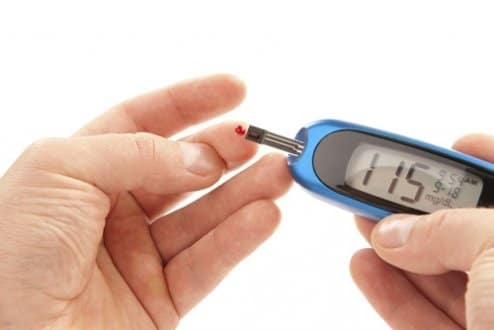
Fingerstick meters use a lancet, a test strip, and a reader. The reader measures an electrochemical signal created when the strip’s enzyme reacts with glucose. Key parts include the lancet device, coded or auto-coded strips, and the meter display. Understanding these parts (and how they fit together) improves consistency from test to test.
Prepare your sample, insert a fresh strip, apply blood to the target area, and wait for the result. For a step-by-step walkthrough, see How to Use a Glucometer for practical technique. For device categories and features, the overview in Diabetes Devices can help frame options. As an example of a Bluetooth-enabled reader, the OneTouch Verio Flex Meter may support data sharing and pattern review, which helps some users and caregivers. If you prefer a simple workflow, the quick-start advice in Track Glucose Easily focuses on basic daily testing.
Strip technology matters. Enzyme types, oxygen sensitivity, and hematocrit range can change results from one model to another. Always use the correct strip for your meter. Many users rely on accu-chek strips for compatible Accu‑Chek meters, but remember each brand’s strips are unique to their readers.
Wearable and Continuous Glucose Monitoring Devices
Wearable sensors estimate glucose in the interstitial space and generate frequent readings. Most systems provide graphs, alerts, and trend arrows. This view may help with dosing decisions, timing of meals, and exercise adjustments. It can also reduce nocturnal surprises with alarm thresholds.
However, sensors have calibration needs, warm-up periods, and potential signal loss. Adhesion, compression (lying on the sensor), and local inflammation can affect accuracy. Matching expectations to device behavior reduces frustration and improves day-to-day value.
What CGM Measures and Displays
Systems marketed as continuous glucose monitoring devices log frequent readings and display trend directions. This design helps visualize the impact of meals, insulin, and activity. Many users find trend arrows more actionable than a single number. Still, confirm rapid or unexpected shifts with a fingerstick if your treatment plan suggests it, especially during hypoglycemia symptoms.
For broad device comparisons and selection factors, see Best Blood Sugar Monitor Device for a concise roundup. It explains why some features suit busy routines while others support intensive data review.
Fingerstick-Free Options and Limits
A blood sugar monitor without finger pricks can reduce testing burden. But most systems still require occasional confirmatory readings under certain conditions, like rapid changes or questionable sensor signals. Understanding your device’s instructions helps prevent misinterpretation. If a reading seems inconsistent with symptoms, follow your healthcare professional’s guidance on verification steps.
Wearable Sensors and Adhesion
A well-secured sensor improves signal quality during daily movement. Use appropriate skin prep and consider barrier films if you have sensitive skin. Rotate sites to reduce irritation and scarring. If adhesion is a challenge, ask your care team about patches, tapes, or scheduling changes around swimming or intense training.
Choosing Accuracy, Calibration, and Data Confidence
Accuracy depends on device design, strip chemistry, proper coding (if applicable), and testing technique. Technique includes clean, dry hands and adequate blood volume. Environmental factors like temperature and altitude can also matter. If you are comparing models, confirm that the meter or sensor meets recognized standards and includes clear instructions for calibration.
During selection, consider whether alerts, data sharing, or trend arrows provide real value. Some users prioritize simplicity; others want advanced analytics. For rankings and real-world perspectives, national organizations and independent publications review meters and sensors yearly. If you are seeking the best continuous glucose monitor for your situation, balance feature lists with your healthcare team’s experience and your daily routine.
For practice recommendations on SMBG and CGM use, the ADA Standards of Care 2024 provide clinical context. When interpreting readings and alarm thresholds, these standards, alongside the FDA overview of CGM systems, offer helpful guardrails. If values and symptoms do not align, revert to confirmatory testing per your care plan.
Testing frequency may change if glucose control worsens or therapy changes. For pattern warning signs and when to reassess your plan, see Signs of Uncontrolled Diabetes for symptom-based context.
Practical Uses, Maintenance, and Disadvantages
Different devices serve different purposes. Fingerstick meters offer quick, on-demand checks before meals, driving, or exercise. Sensors add visibility between checks and can alert you at night. Both tools have trade-offs. Meters require lancing, while sensors can trigger adhesive reactions and may lag during fast changes.
Routine care prevents avoidable errors. Store strips within the labeled temperature range and close the vial promptly. Replace control solutions as directed. Clean the meter port if contamination is suspected. Some people also keep urine glucose test strips for rough screening when a meter is unavailable, though blood or sensor testing remains the standard for decision-making.
Be aware of limitations. Certain substances (for example, high-dose vitamin C) can interfere with some meters and sensors. Dehydration, poor perfusion, and very low hematocrit may also distort readings. Understanding device-specific limitations helps you interpret data more safely.
Strips and Accessories: Accu‑Chek and True Metrix
Strip quality and handling affect results. Keep insert leaflets and check expiration dates. Do not mix brands or use strips from damaged vials. For brand-specific compatibility, consult your meter’s guide and manufacturer resources. If your workflow relies on app syncing or reminders, confirm that your meter supports those features.
Accessories such as lancing devices, alternate site caps, and control solutions can improve comfort and trust in results. Some users prefer meters that pair with smartphones; others keep paper logs. If you are comparing strip families, users often evaluate true metrix test strips for True Metrix meters against alternatives based on availability, coding, and sample size.
To review a basic, easy-handling reader, see the Freestyle Freedom Lite Meter for compatible-strip details and a simple interface. If you are exploring strip or meter options more broadly, the Diabetes Products category can help you scan related devices. For ongoing reading on device setup and care, browse Diabetes Articles for practical coverage.
Access, Coverage, and Prescriptions
Access to meters and sensors varies by plan. Some sensor systems require a prescription and periodic documentation, especially when integrated with automated insulin delivery. Discuss eligibility criteria, training, and follow-up with your care team. If coverage is limited, ask about alternative meters, patient assistance, or clinician samples for initial training.
Plan for travel and storage needs. Keep spare strips, lancets, and backup power for the reader. Carry a letter and supplies in your hand luggage. For practical preparation steps, see Traveling With Diabetes Tips for packing and documentation guidance that can reduce stress at checkpoints.
Recap
Fingerstick meters provide quick capillary readings, while sensors deliver trends and alerts. Pick the tool that matches your routines, and maintain it carefully to preserve accuracy. Use clinical guidance and device instructions to interpret data safely.
This content is for informational purposes only and is not a substitute for professional medical advice.