
Prandial insulin types are mealtime insulins used to limit the rise in blood glucose after eating. They include rapid-acting analogs, ultra-rapid analogs, regular human insulin, and inhaled human insulin. The main difference is timing: each option starts, peaks, and fades at a different pace, so the dose must match the meal, glucose level, and activity plan.
This matters because post-meal glucose can rise quickly, while insulin action may lag behind food absorption. A good plan considers what you eat, when you eat, and how your body usually responds. Keep your prescribed regimen central, and discuss any timing or dose changes with your clinician.
Key Takeaways
- Mealtime role: prandial insulin covers food-related glucose rises.
- Main options: rapid analogs, ultra-rapid analogs, regular insulin, and inhaled insulin.
- Timing differs: onset, peak, and duration shape when each type is taken.
- Dosing needs structure: carbohydrate ratios and correction factors are safer than guesswork.
- Monitoring helps: CGM, meters, pens, and logs can reveal patterns.
What Prandial Insulin Means in Daily Care
Prandial insulin is insulin taken around meals to help manage glucose from carbohydrates and mixed meals. It is also called bolus insulin or mealtime insulin. In many basal-bolus plans, basal insulin provides background coverage, while prandial insulin handles food and sometimes correction doses.
Basal and prandial insulin are not interchangeable. Basal insulin is designed to work slowly over many hours. Prandial insulin works faster and is usually matched to a meal or correction need. For a deeper look at mealtime bolus concepts, see Bolus Insulin Brands.
People may use prandial insulin in type 1 diabetes, insulin-treated type 2 diabetes, pregnancy-related diabetes under specialist care, or other situations where meal glucose needs direct coverage. The reason for use varies, so dosing rules should come from the care team, not from a general article.
Why it matters: The right category can reduce mismatches between food absorption and insulin action.
Prandial Insulin Examples and How They Differ
The main prandial insulin types differ by how quickly they begin working and how long they remain active. Clinicians often compare onset, peak, and duration when selecting a mealtime option. These terms describe when insulin starts lowering glucose, when its effect is strongest, and when the effect tapers off.
Rapid-acting analogs
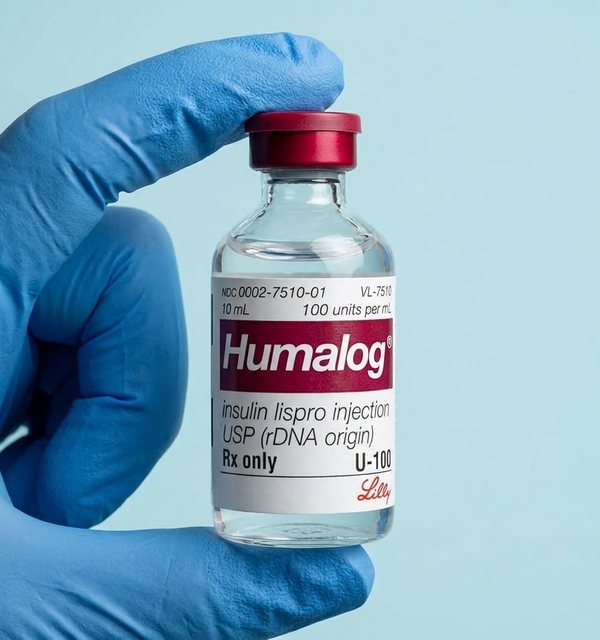
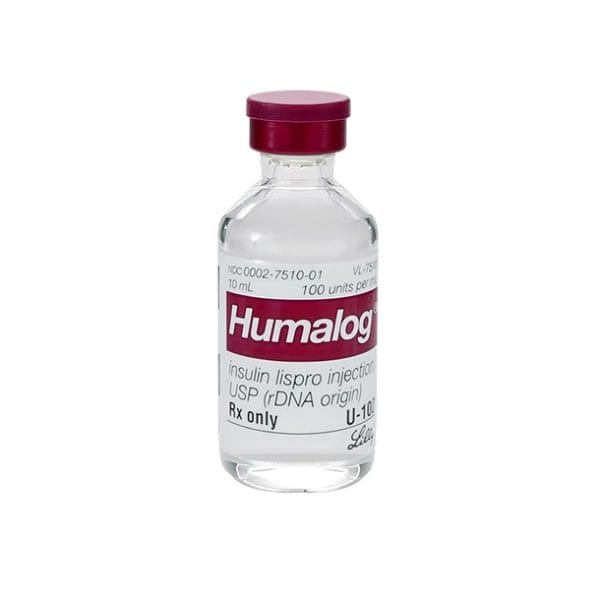
Rapid-acting prandial insulin includes insulin lispro, insulin aspart, and insulin glulisine. These analogs were designed to absorb faster than regular human insulin. They are commonly used before meals and may fit variable eating patterns better than slower options.
Examples include insulin aspart products, lispro products, and glulisine products. For a focused timing profile, review Insulin Aspart Timing. For glulisine onset and duration details, see Apidra Insulin Timing.
Ultra-rapid analogs
Ultra-rapid analogs are modified formulations of rapid-acting insulin. They aim to increase early absorption after dosing. Some people may use them at the start of a meal or, in specific label-supported situations, shortly after eating. Product labeling and prescriber instructions matter because timing windows are not identical across products.
Ultra-rapid options may be useful when meal timing is less predictable. They are not automatically better for every meal pattern. High-fat meals, gastroparesis (delayed stomach emptying), or intense activity can still complicate timing.
Regular human insulin
Regular insulin for meals is a short-acting human insulin with a slower start and longer tail than most rapid analogs. It may suit predictable meals, longer digestion, or situations where cost and access are important decision factors. It usually requires more advance planning than rapid-acting options.
Because regular insulin can remain active longer, late hypoglycemia is a practical concern if meals are smaller than expected or activity increases after dosing. For more background on this category, read Short-Acting Insulin.
Inhaled human insulin
Inhaled human insulin is a prandial option for some adults. It enters through the lungs and has a fast onset and shorter duration than regular injected insulin. It is not suitable for everyone, especially people with certain lung conditions, and it requires label-specific screening and monitoring.
This option should be reviewed carefully with a clinician. Important factors include smoking status, asthma or chronic lung disease, device technique, and whether the dosing format fits the person’s meal pattern.
Timing: Matching Insulin Action to the Meal
Prandial insulin timing depends on the formulation, the meal, pre-meal glucose, and planned activity. A dose taken too late may allow an early spike. A dose taken too early may cause glucose to drop before the meal is absorbed.
Rapid-acting analogs are often taken shortly before eating, while regular human insulin is commonly taken earlier. Ultra-rapid products may allow tighter timing for some users. Inhaled insulin has its own dosing instructions and safety steps. Always follow the timing window in your prescription and product labeling.
Food composition also changes the pattern. A low-fat meal with fast carbohydrates may raise glucose quickly. A high-fat meal may cause a slower, longer rise. Protein-heavy meals may also extend glucose changes in some people. These patterns are why logs and CGM reports can be more useful than one isolated reading.
Injection site and activity affect absorption. Insulin injected into an area that will be exercised may absorb faster. Warmth, massage, and local blood flow can also change timing. Rotating injection sites helps reduce lipohypertrophy (thickened fatty tissue), which can make absorption less predictable.
Quick tip: Record meal time, dose time, food type, and activity when patterns are unclear.
Dosing Methods: From Fixed Doses to Carb Ratios
Prandial insulin dosing is usually based on a structured method rather than a single universal dose. The safest method depends on diabetes type, insulin sensitivity, meal consistency, glucose targets, and hypoglycemia risk. Your clinician may adjust the method as routines change.
Some people use fixed mealtime doses. This may work when meals are consistent in carbohydrate content and timing. Others use carbohydrate counting with an insulin-to-carbohydrate ratio. This ratio estimates how much insulin is needed for a certain amount of carbohydrate. A correction factor may also be used when pre-meal glucose is above or below the individualized target range.
Sliding scale insulin uses the current glucose level to choose a dose. It may be used in some settings, but it does not directly account for the carbohydrate content of the meal. That is why prandial insulin vs sliding scale discussions often focus on whether the dose responds to food, glucose, or both.
Smart pens and pumps can help store ratios, calculate boluses, and reduce arithmetic errors. They still rely on accurate inputs. Missed doses, duplicate doses, incorrect carb estimates, or unplanned activity can still cause highs or lows.
Glucose units may appear as mg/dL or mmol/L depending on your meter, CGM, clinic, or country. This converter can help compare readings across unit systems, but it does not provide dosing advice.
Blood Glucose Unit Converter
Convert glucose readings between mg/dL and mmol/L without changing the clinical value.
These calculations are for education only and do not replace clinical advice, diagnosis, or treatment. Always confirm medical decisions with a qualified healthcare professional.
Basal vs Prandial Insulin in a Basal-Bolus Plan
Basal insulin and prandial insulin work together, but they solve different problems. Basal insulin supports glucose control between meals and overnight. Prandial insulin addresses meal-related glucose rises and some correction needs.
A basal-bolus insulin regimen may include one or more basal doses plus prandial doses at meals. The balance is individualized. If basal insulin is too high, lows may occur between meals. If prandial insulin is too low or mistimed, post-meal readings may stay elevated. If mealtime insulin overlaps too much, late hypoglycemia can occur.
Basal and prandial insulin examples include long-acting insulin for background coverage and rapid-acting insulin for meals. However, product choice is only one part of the plan. Meal schedule, kidney function, exercise, illness, pregnancy, and other medications can all affect insulin needs.
When comparing rapid analogs, small practical differences may matter more than broad labels. For example, device preference, dose increments, formulary access, and individual response can influence the choice. For a comparison of two common rapid-acting options, see NovoRapid vs Humalog.
Devices, Products, and Practical Handling
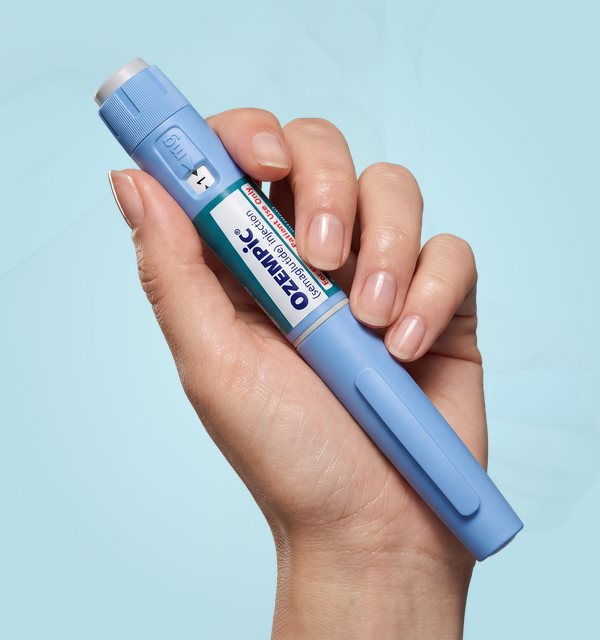
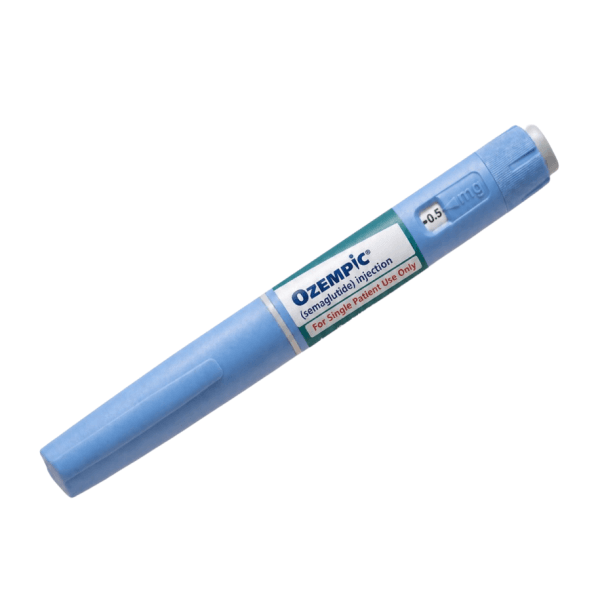
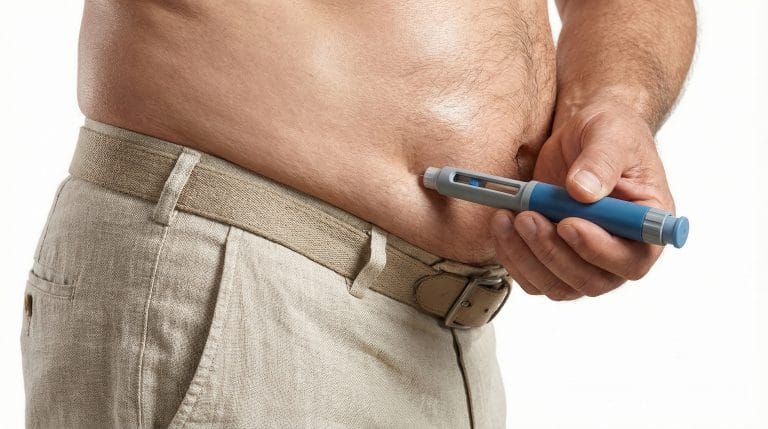
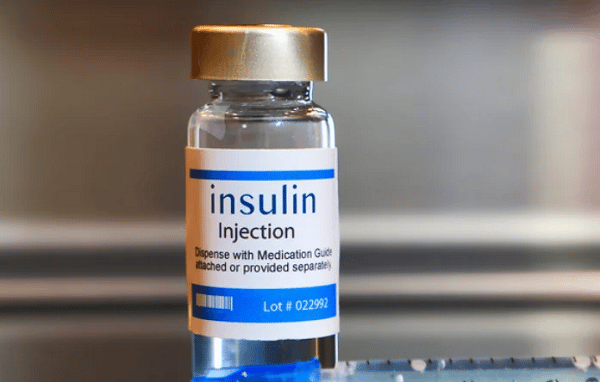
Prandial insulin may come in vials, pens, cartridges, or inhalation devices. Delivery format affects convenience, accuracy, portability, and backup planning. It does not replace the need for correct timing and monitoring.
Vials require syringes and careful measurement. Pens may simplify dosing and travel routines for some people. Pumps use rapid-acting insulin in programmed basal and bolus patterns. Inhaled devices require correct inhalation technique and lung-related screening.
Product pages can help readers identify available forms, but they should not be used to choose therapy without clinical advice. Examples include Fiasp Vials, NovoRapid Vials, Humalog Vial, Apidra SoloStar Pens, and Humulin R Vial. These examples show common delivery formats, not a ranking of choices.
Storage also matters. Unopened insulin is usually refrigerated within label limits. In-use pens or vials often have room-temperature time limits, which vary by product. Keep insulin away from heat, freezing temperatures, and direct sunlight. If insulin looks unusual or has been exposed to unsafe temperatures, ask a pharmacist or clinician before using it.
CanadianInsulin.com functions as a prescription referral platform. When required, prescription details may be confirmed with the prescriber, while licensed third-party pharmacies handle dispensing and fulfillment where permitted.
Safety Checks Before and After Meals
Safe prandial insulin use starts with checking the right information before dosing. Confirm the insulin name, dose, timing, meal content, glucose reading, and last dose time. This is especially important when more than one insulin type is used.
Hypoglycemia can occur if insulin action exceeds glucose availability. Symptoms may include shakiness, sweating, confusion, hunger, palpitations, or weakness. Severe symptoms, loss of consciousness, seizure, or inability to swallow require urgent medical help. People at risk should have an agreed plan for treating lows and for using glucagon when prescribed.
Repeated post-meal highs also deserve review. The cause may be timing, carb estimates, missed doses, injection-site issues, illness, medication changes, or expired insulin. Avoid making repeated dose changes without a plan. Bring meter or CGM data, meal notes, and dose history to appointments.
Some situations need earlier professional input. These include pregnancy, kidney disease, gastroparesis, eating disorders, frequent hypoglycemia, major weight change, steroid use, illness, or new exercise routines. Children, older adults, and people with hypoglycemia unawareness may need extra safeguards.
How to Review Options With Your Clinician
A useful review starts with patterns, not single readings. Look for repeated highs after breakfast, overnight lows, late-afternoon drops, or glucose rises after high-fat dinners. Patterns help the care team decide whether the issue is insulin type, timing, dose method, meal composition, or basal coverage.
Bring clear records when possible. Include pre-meal glucose, post-meal readings, dose times, meal estimates, activity, alcohol intake, illness, and missed doses. CGM reports can show time in range, overnight trends, and rapid drops that fingerstick checks may miss.
Ask practical questions. Which prandial insulin types fit your meal schedule? How far before a meal should each dose be taken? What should happen if a meal is delayed or smaller than expected? How should correction doses be spaced? What symptoms should trigger urgent help?
Medication access can also shape a plan. Some patients explore cash-pay options and cross-border fulfillment depending on eligibility and jurisdiction. Those access details should remain separate from clinical decisions about which insulin is appropriate.
Authoritative Sources
The American Diabetes Association outlines insulin use, therapy selection, and safety principles in its Standards of Care pharmacologic guidance.
The CDC explains insulin categories by onset, peak, and duration in its diabetes treatment resources.
Official product labels and monographs should be checked for product-specific timing, storage, device, and warning information. For U.S. labels, the FDA provides Drugs@FDA label access.
Recap
Prandial insulin types differ mainly by speed and duration. Rapid-acting, ultra-rapid, regular human, and inhaled options can each fit different meal patterns and safety needs. The best choice depends on timing, monitoring, device preference, access, and clinical risk factors.
Use structured dosing methods, careful timing, and consistent monitoring rather than guesswork. Revisit the plan when meals, activity, medications, health status, or glucose patterns change.
This content is for informational purposes only and is not a substitute for professional medical advice.