
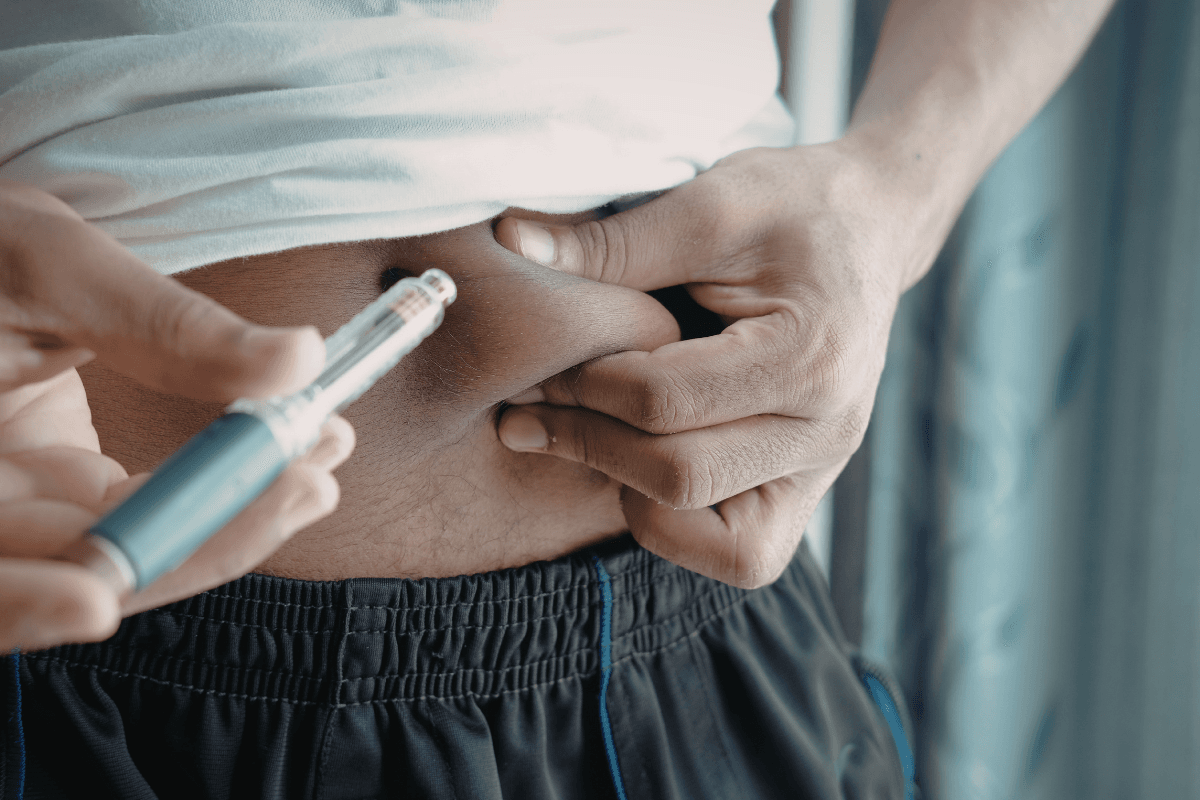
Basal vs Bolus describes two different insulin jobs. Basal insulin covers your body’s background insulin needs between meals and overnight. Bolus insulin covers food-related glucose rises and correction doses. Understanding the difference helps you read insulin plans, track patterns, and ask safer questions about dosing ratios without changing your treatment on your own.
Most basal-bolus plans combine a long-acting or intermediate insulin with a rapid-acting or short-acting mealtime insulin. The split between them varies by person. A 50/50 or 60/40 pattern may appear in education materials, but it is not a universal target.
Key Takeaways
- Basal means background: it supports fasting and overnight glucose control.
- Bolus means mealtime: it covers carbohydrates and corrections.
- Ratios are flexible: 50/50 or 60/40 splits are teaching examples, not prescriptions.
- Products act differently: onset, peak, and duration shape timing.
- Adjustments need data: review patterns with your clinician before changes.
Basal vs Bolus Insulin: The Core Difference
Basal insulin works in the background, while bolus insulin works around meals or high readings. That simple distinction matters because fasting glucose and post-meal glucose often have different causes. Treating one problem as the other can raise the risk of lows or continued highs.
The basal dose meaning is the amount intended to cover baseline insulin needs when you are not eating. It helps limit glucose released by the liver during fasting periods and sleep. Common long-acting basal insulin examples include insulin glargine, insulin detemir, and insulin degludec. NPH insulin is an intermediate-acting option that may also serve a basal role in some regimens.
The bolus insulin meaning is an added dose used for meals or corrections. Meal boluses are often matched to carbohydrate intake. Correction boluses address glucose readings above an agreed target range. Bolus insulin examples include insulin lispro, insulin aspart, insulin glulisine, and regular human insulin.
Why it matters: Different glucose patterns often require different questions, not just more insulin.
How a Basal-Bolus Regimen Is Usually Built
A basal-bolus regimen aims to imitate two normal insulin patterns: steady background release and larger mealtime bursts. In practice, this may mean one or two basal injections daily plus bolus insulin before meals. Some people use insulin pumps, which deliver programmed basal insulin and user-directed boluses.
Clinicians look at several inputs before discussing a plan. These may include diabetes type, current glucose patterns, meal timing, activity, kidney function, hypoglycemia history, pregnancy status, steroid use, and other medications. The same total daily insulin amount can behave differently depending on when it is given and which product is used.
For broader context on how these regimens fit type 1 diabetes care, see Basal-Bolus Insulin Therapy. If you are reviewing product families, Basal Insulin Types explains background insulin categories in more detail.
What Ratios Like 50/50 or 60/40 Really Mean
A basal vs bolus insulin ratio describes how the total daily insulin amount is divided between background and mealtime doses. A 50/50 ratio means half basal and half bolus. A 60/40 ratio usually means 60% basal and 40% bolus, though some resources may present the split in the opposite order. Always confirm what the numbers refer to.
These ratios are educational shortcuts. They do not account for meal size, skipped meals, exercise, illness, insulin resistance, or frequent hypoglycemia. A person who eats more carbohydrates at dinner may use a different bolus pattern than someone who spreads meals evenly through the day. Another person may need more basal support overnight but less at certain active times.
Instead of focusing on one ideal ratio, clinicians often look for patterns. Fasting highs may raise questions about overnight basal coverage, late food, alcohol, illness, or early-morning hormone changes. Post-meal highs may raise questions about carbohydrate estimates, bolus timing, meal composition, or insulin onset. Repeated lows can suggest that a dose, timing, or activity pattern needs review.
For visual dose-planning concepts, Insulin Dosage Chart covers common chart formats and their limits. Use charts as discussion tools, not as instructions to self-adjust.
Weight-Based Starting Frameworks and Dose Calculations
Weight-based insulin estimates can help clinicians choose an initial framework, especially when someone starts insulin or changes regimen. Terms such as insulin dose per kg and insulin dose calculator by weight refer to this type of rough estimate. These tools cannot predict individual insulin sensitivity.
An insulin dose calculation method may include three separate ideas. The first is a total daily insulin estimate. The second is an insulin-to-carbohydrate ratio, which estimates how much bolus insulin may cover a set amount of carbohydrate. The third is a correction factor, sometimes called insulin sensitivity factor, which estimates how much one unit may lower glucose.
Each part has limits. Stress hormones, infection, missed sleep, menstrual cycles, digestion speed, and exercise can change glucose response. Kidney disease may also affect insulin clearance. Because of that, weight-based math should stay in the education category unless your prescriber gives specific instructions.
The calculator below can help convert blood glucose units between mg/dL and mmol/L when reviewing logs from different sources. It does not calculate insulin doses or replace clinical guidance.
Blood Glucose Unit Converter
Convert glucose readings between mg/dL and mmol/L without changing the clinical value.
These calculations are for education only and do not replace clinical advice, diagnosis, or treatment. Always confirm medical decisions with a qualified healthcare professional.
Insulin Examples by Role and Timing
Basal vs Bolus comparisons become clearer when you connect each insulin type to its timing. Basal products generally last longer and are not designed to cover a specific meal. Bolus products usually start faster and act for a shorter period, which helps match food-related glucose rises.
Basal insulin examples
Long-acting basal insulin examples include insulin glargine products, insulin degludec, and insulin detemir. Intermediate-acting NPH insulin may also be used as basal coverage in some plans. Duration and peak patterns differ by product, so the same schedule may not apply across all options.
For a deeper comparison of background insulin action profiles, review Long-Acting Insulin Names. Product pages such as Lantus SoloStar Pens and Tresiba FlexTouch Pens can also help readers identify formulation names, but clinical choices should come from a prescriber.
Bolus insulin examples
Rapid-acting bolus options include insulin lispro, insulin aspart, and insulin glulisine. Regular human insulin can also serve a mealtime role, though its onset and peak differ from rapid-acting analogs. This difference affects how closely the dose may align with meals.
Humalog is a bolus insulin, not a basal insulin. It contains insulin lispro, a rapid-acting insulin used around meals or for corrections when prescribed. For more context on mealtime insulin brands and timing concepts, see Bolus Insulin Brands.
Common Questions That Affect Interpretation
Some common insulin questions come from mixing up drug classes, roles, or glucose patterns. Clear definitions can prevent unsafe assumptions.
Why do some people wake up high around 3 a.m. or morning?
Overnight and early-morning highs can have several causes. The dawn phenomenon refers to early-morning hormone changes that can raise glucose. Rebound highs after an overnight low are another possibility, though they require careful data review. Late meals, missed bolus insulin, alcohol, illness, and basal timing can also contribute.
If overnight readings are repeatedly low, very high, or unpredictable, discuss them with your care team. Continuous glucose monitor data or structured overnight checks may help identify patterns, but testing plans should be individualized.
Is Ozempic a basal insulin?
Ozempic is not a basal insulin. It is semaglutide, a GLP-1 receptor agonist used in specific diabetes and weight-management contexts depending on jurisdiction and labeling. It works differently from insulin and should not be substituted for insulin unless a clinician specifically changes the treatment plan.
Can side effects differ between basal and bolus insulin?
All insulin types can cause hypoglycemia (low blood glucose), especially when food intake, activity, timing, or dose does not match the body’s needs. Injection-site reactions and weight changes may also occur. Basal insulin side effects and bolus insulin side effects can overlap, but timing helps identify what may be contributing to a low.
Quick tip: When discussing lows, bring times, meals, activity, and insulin timing.
Tracking Patterns Before Discussing Adjustments
Useful insulin discussions usually start with patterns, not single readings. A single high after one meal may reflect a carb-counting error, delayed digestion, or stress. A repeated pattern across several days is more useful for your clinician.
Consider tracking the following details if your care team asks for glucose logs:
- Fasting readings: morning glucose before food or bolus insulin.
- Meal timing: when you ate and when insulin was taken.
- Carbohydrate estimates: grams or consistent meal notes.
- Activity changes: exercise, heavy work, or unusual rest.
- Low symptoms: timing, treatment, and possible triggers.
- Illness or steroids: short-term factors that can shift needs.
A basal check or basal test is sometimes used to see whether background insulin holds glucose steady without food. This should only be done with clinician guidance, because skipped meals and insulin on board can create hypoglycemia risk. Pump users may also review basal rates with their diabetes team.
How Basal-Bolus Compares With Other Insulin Approaches
Basal-bolus therapy offers flexibility, but it also requires more tracking and decision-making than some simpler regimens. Some people use basal insulin with non-insulin medicines. Others use premixed insulin, which combines intermediate and mealtime components in fixed proportions. Pumps deliver rapid-acting insulin continuously for basal coverage and allow bolus dosing at meals.
The right approach depends on medical needs, ability to monitor glucose, meal regularity, hypoglycemia risk, and access to supplies. Fixed-ratio approaches may be simpler for consistent routines, but they often leave less room for variable meals. Pump therapy can offer detailed programming, but it also requires training and troubleshooting.
For readers browsing broader diabetes education, the Diabetes Articles collection groups related insulin and glucose-management topics. CanadianInsulin.com functions as a prescription referral platform; where required, prescription details may be confirmed with the prescriber, while dispensing is handled by licensed third-party pharmacies where permitted.
Authoritative Sources
For current clinical standards on insulin therapy, review the American Diabetes Association Standards of Care. These standards discuss individualized insulin planning, hypoglycemia prevention, and diabetes technology.
For patient-oriented diabetes treatment information, the NIDDK insulin and medicines resource explains insulin roles and related treatment concepts in plain language.
For Canadian product-level information, the Health Canada Drug Product Database can be used to look up authorized drug product records and monograph information.
Recap
Basal insulin covers background needs between meals and overnight. Bolus insulin covers meals and correction doses. A basal vs bolus insulin ratio can help explain how a regimen is organized, but it does not define the right dose for any individual person.
Use ratios, charts, and calculators as learning tools. Bring glucose patterns, meal notes, and timing details to your care team before making any insulin changes.
This content is for informational purposes only and is not a substitute for professional medical advice.


