

Saxenda is a once-daily liraglutide injection used for chronic weight management in certain adults and adolescents, alongside reduced-calorie eating and increased physical activity. It belongs to the GLP-1 receptor agonist class, which can reduce appetite and slow stomach emptying. This matters because the medication is not a quick fix, and its benefits must be weighed against side effects, contraindications, monitoring needs, and access considerations.
Key Takeaways
- Class and purpose: Liraglutide is a GLP-1 receptor agonist used for long-term weight management.
- Eligibility matters: BMI, age, comorbidities, medical history, and labeling all shape suitability.
- Dosing is gradual: Weekly titration often helps reduce nausea and other stomach symptoms.
- Safety requires monitoring: Severe abdominal pain, allergic reactions, or dehydration need prompt care.
- Comparisons are practical: Dosing frequency, tolerability, goals, and access influence therapy choice.
How Saxenda Works in Weight Management
Saxenda works by mimicking glucagon-like peptide-1, or GLP-1, a hormone involved in appetite and blood sugar signaling. In practical terms, it may help some people feel full sooner and stay full longer. That can support lower calorie intake when paired with nutrition, activity, sleep, and behavior changes.
Liraglutide also slows gastric emptying, meaning food may leave the stomach more slowly. This effect can support satiety, but it can also contribute to nausea, reflux, bloating, or early fullness. The same mechanism explains why large or high-fat meals may feel harder to tolerate during dose increases.
Saxenda is not the same product as diabetes-dose liraglutide, even though the active molecule is related. It is also different from semaglutide and tirzepatide products. If you want a plain-language foundation before comparing options, the Basics Of Saxenda resource expands on how appetite signaling fits into weight care.
Why it matters: Understanding the mechanism helps set realistic expectations before starting therapy.
Who May Be Eligible, and Who Should Avoid It
Eligibility usually starts with BMI and weight-related health risk. Labeling commonly includes adults with obesity, or adults with overweight plus at least one weight-related condition such as hypertension, dyslipidemia, or type 2 diabetes. Some adolescents aged 12 years and older may also qualify under specific labeling and clinical criteria.
BMI is only one screening tool. It does not measure body composition, eating patterns, medication history, pregnancy status, or personal treatment goals. Still, it can help frame an initial clinician discussion about whether medication-assisted weight management is appropriate.
This calculator can help estimate BMI for general orientation. It does not confirm eligibility or replace clinical judgment.
BMI Calculator
Estimate adult body mass index from height and weight, with metric and imperial units.
These calculations are for education only and do not replace clinical advice, diagnosis, or treatment. Always confirm medical decisions with a qualified healthcare professional.
Some people should not use liraglutide for weight management. Contraindications include a personal or family history of medullary thyroid carcinoma or multiple endocrine neoplasia syndrome type 2. Clinicians also review prior pancreatitis, gallbladder disease, kidney concerns, pregnancy plans, and medication interactions.
People using insulin or insulin secretagogues may need careful monitoring for low blood sugar, especially if they have diabetes. Do not start, stop, or change any medicine without prescriber guidance. For a broader look at labeled uses and practical dosing context, see Saxenda Liraglutide Uses.
Dosing Pattern and Pen Use Basics
The Saxenda dose is usually increased gradually to improve tolerability. Many labeled schedules begin at 0.6 mg once daily and increase weekly until the maintenance dose is reached, if tolerated. The goal of titration is not speed. It is to reduce side effects while building toward the dose your clinician has prescribed.
A typical labeled titration pattern is shown below for educational context only. Your prescriber may adjust timing based on symptoms, missed doses, medical history, or other medicines.
| Time Period | Common Daily Dose | Main Purpose |
|---|---|---|
| Week 1 | 0.6 mg | Initial tolerability step |
| Week 2 | 1.2 mg | Gradual increase |
| Week 3 | 1.8 mg | Ongoing titration |
| Week 4 | 2.4 mg | Near maintenance |
| Week 5 and after | 3.0 mg, as directed | Labeled maintenance dose |
Do not take more than the prescribed amount. Questions such as whether you can stay on 0.6 mg, restart after missed doses, or move faster through titration should be reviewed with your care team. Side effects often drive these decisions, and individualized instructions matter.
The injection is given under the skin of the abdomen, thigh, or upper arm. Rotate sites to reduce irritation. Use a new needle for each injection, avoid sharing pens, and follow local sharps disposal rules. For device-specific navigation, the Saxenda 6 Mg Ml page can help readers identify the product format without replacing the medication label.
Side Effects, Warnings, and When to Seek Care
The most common Saxenda side effects involve the digestive system. Nausea, vomiting, diarrhea, constipation, abdominal discomfort, indigestion, and reduced appetite are often reported. These symptoms may be more noticeable during titration, after larger meals, or after high-fat foods.
Some practical habits may improve comfort. Smaller meals, slower eating, regular fluids, and avoiding greasy or very large portions can reduce nausea for some people. Alcohol may worsen dehydration risk or digestive symptoms in certain patients, so discuss intake with your clinician if this applies to you.
More serious reactions are less common but important. Seek urgent medical review for severe or persistent abdominal pain, pain that spreads to the back, repeated vomiting, signs of dehydration, yellowing skin or eyes, swelling of the face or throat, trouble breathing, or a severe rash. These symptoms can signal pancreatitis, gallbladder disease, kidney stress from dehydration, or hypersensitivity.
The medication carries a boxed warning about thyroid C-cell tumors based on animal data. The relevance to humans is uncertain, but the warning explains why certain thyroid cancer histories are contraindications. Patients should report neck swelling, trouble swallowing, hoarseness, or a new neck lump to a clinician.
For a focused symptom-by-symptom discussion, see Frequent Saxenda Side Effects. Use official labeling and medical advice for decisions about continuing treatment after significant symptoms.
How It Compares With Other Weight Management Options
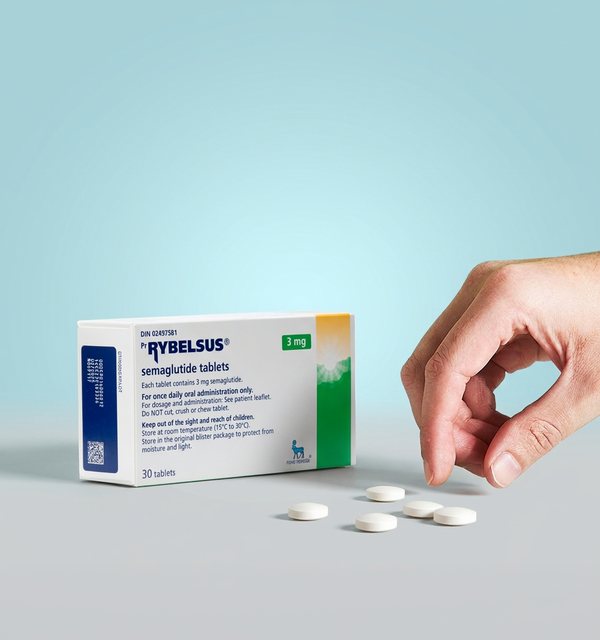
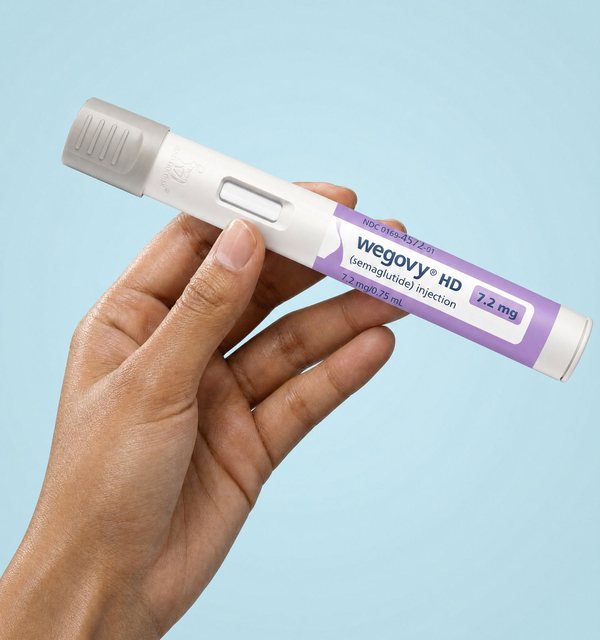
Comparisons between GLP-1 and related therapies should focus on practical differences, not broad claims of being better. Saxenda is a daily liraglutide injection. Wegovy is a semaglutide product used on a different schedule. Zepbound contains tirzepatide, which acts on GIP and GLP-1 pathways. Each has its own labeling, titration pattern, warnings, and access considerations.
When people compare saxenda vs wegovy or saxenda vs zepbound, the useful questions are straightforward. How often is it taken? What side effects are most likely for that person? Does the label fit the patient’s medical profile? Are there diabetes medicines, pregnancy plans, gallbladder issues, or prior pancreatitis to consider?
Head-to-head evidence is limited for many real-world decisions. Separate trials do not always compare similar populations, follow-up times, or background lifestyle support. That makes clinician guidance important when interpreting claims from reviews, forums, or before-and-after images.
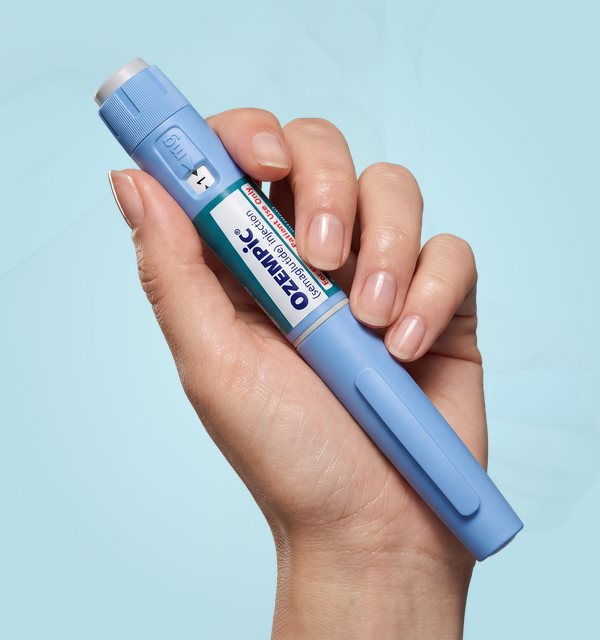
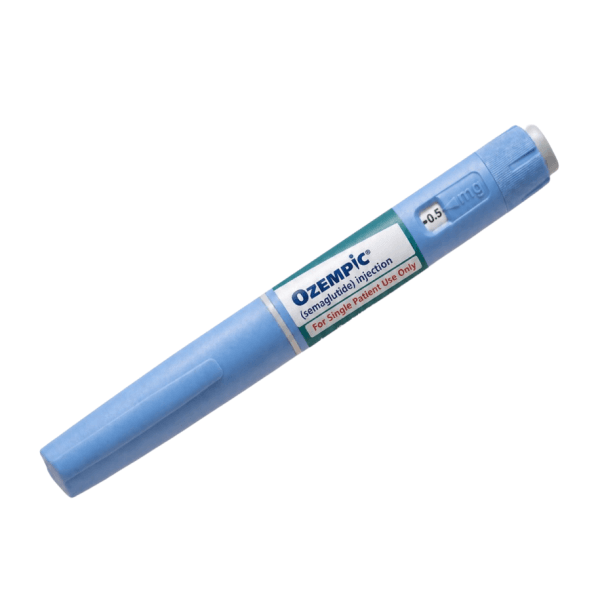
If you are comparing semaglutide options, Saxenda Vs Wegovy provides a deeper side-by-side discussion. If your decision includes diabetes-dose semaglutide, Saxenda Vs Ozempic explains why indication and prescribing intent matter.
Food, Habits, and Tracking During Treatment
Nutrition habits can strongly affect tolerability. Early in treatment, bland, lower-fat meals may be easier to manage. Foods to avoid while on Saxenda are not universal, but many people find fried foods, heavy cream sauces, large portions, and alcohol excess more likely to worsen nausea or reflux.
Protein-forward meals, fiber-rich vegetables, and minimally processed carbohydrates may support fullness and preserve diet quality. People with diabetes, kidney disease, gastroparesis, pregnancy, eating disorders, or repeated low blood sugar should get individualized nutrition advice from a clinician or registered dietitian.
Tracking can help without becoming obsessive. Note your injection time, dose, meal pattern, symptoms, bowel changes, and weight trend if your clinician recommends it. A short log can reveal whether nausea follows dose increases, certain foods, or specific injection timing.
Quick tip: Bring your symptom log to visits instead of relying on memory.
Activity and sleep also matter. Regular walking, resistance training when appropriate, and consistent sleep can support weight management efforts. Medication may help appetite signaling, but durable change usually depends on the wider care plan.
Access, Cost, and Switching Questions
Saxenda cost varies by plan design, region, supply, and whether coverage applies. Some patients explore cash-pay options when insurance does not cover weight management medicines, but actual affordability depends on eligibility, jurisdiction, and prescriber direction. CanadianInsulin.com functions as a prescription referral platform, and where required, prescription details may be confirmed with the prescriber before licensed third-party pharmacies handle dispensing where permitted.
Access should not drive unsafe medication changes. Switching from liraglutide to semaglutide or tirzepatide requires clinician direction, especially because overlapping side effects can confuse titration. There is no simple universal conversion chart that safely applies to every person.
If switching is being considered, ask about timing, washout instructions, starting dose, side-effect planning, and what to do after missed doses. Also ask how diabetes medicines, blood pressure medicines, or gastrointestinal conditions affect the plan.
Readers comparing available categories can browse the Weight Management collection for related educational content. Product category browsing, such as Weight Management Products, can help identify medication pages for discussion with a clinician, but it should not replace prescribing guidance.
Authoritative Sources
Medication decisions should be checked against official labeling and clinician advice. The DailyMed Saxenda label provides U.S. prescribing details, warnings, and adverse reaction information.
Canadian readers can also review regulator-backed documents through the Health Canada Drug Product Database, which provides access to approved product information when available.
For clinical background on obesity as a chronic disease, the CDC obesity resource offers public health context on weight-related risk and prevention.
Recap
Saxenda may support chronic weight management for eligible patients when used with nutrition, activity, and behavior changes. Its daily dosing and gradual titration are designed to balance treatment goals with tolerability. The main concerns are digestive side effects, rare but serious safety risks, contraindications, and careful monitoring.
Before starting or switching therapy, review your health history, current medicines, pregnancy plans, and access questions with a qualified clinician. Comparisons with semaglutide or tirzepatide should focus on fit, safety, and practical use rather than a single ranking.
This content is for informational purposes only and is not a substitute for professional medical advice.