
Please note: a valid prescription is required for all prescription medication.
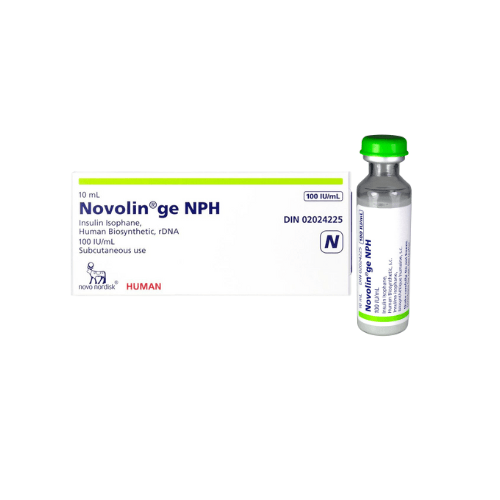
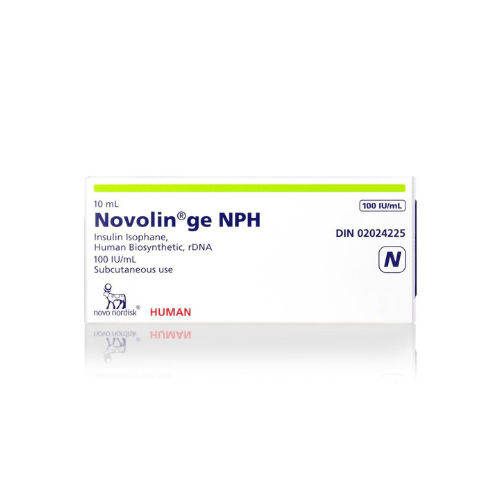
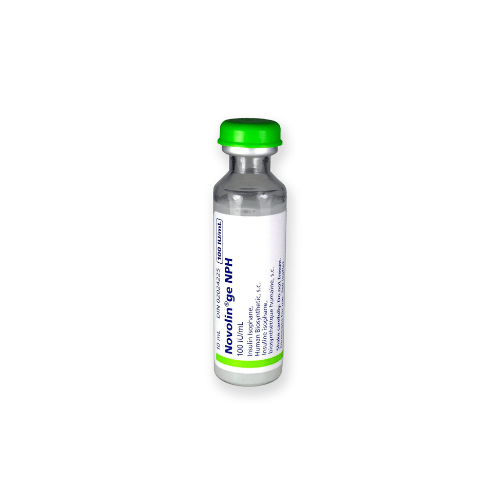
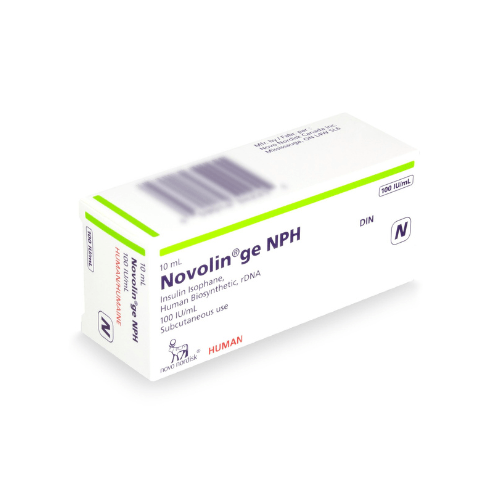
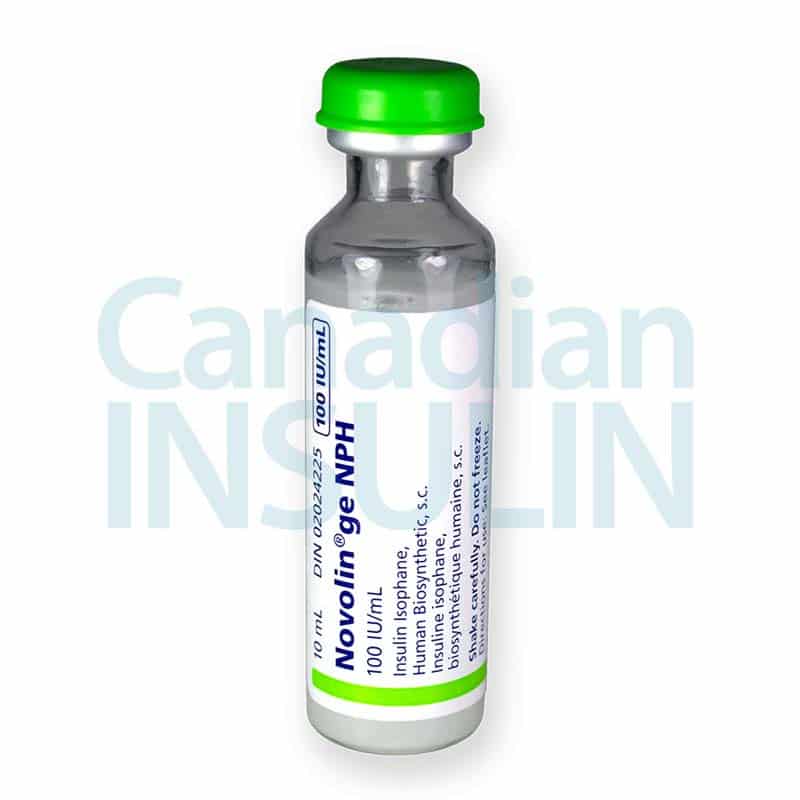
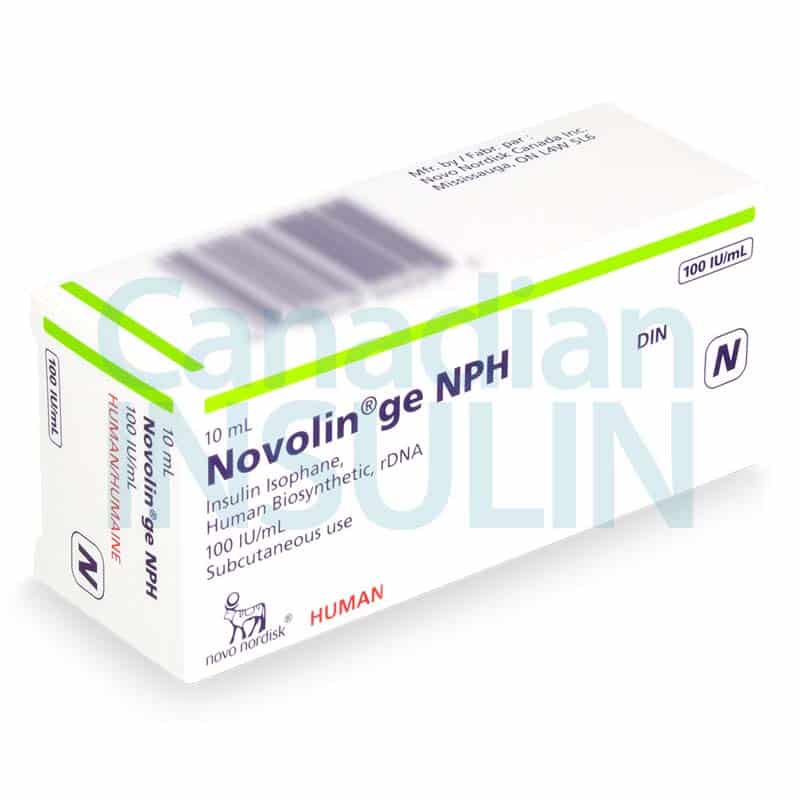
Novolin ge NPH Vial
Buy Novolin ge NPH Vial Online
Also available for your pet.


Novolin ge NPH Vial is a human insulin NPH suspension used to help manage blood glucose in people with diabetes mellitus. It can be bought online by choosing the vial strength and quantity that match your clinician-directed insulin plan. The Novolin GE NPH Vials 100 Units/mL format should be matched with appropriate U-100 injection supplies and careful storage from receipt through everyday use.
This intermediate acting insulin vial is not the same as rapid-acting insulin, premixed insulin, pen cartridges, or long-acting basal analogs. The product name, concentration, vial format, and total quantity all matter because insulin products with similar names can work differently. If you are arranging US delivery from Canada, make sure the vial count and temperature-sensitive handling needs are clear before completing the order.
Novolin ge NPH Vial Price and Quantity Selection
When reviewing Novolin ge NPH Vial price, start with the current amount shown for the vial and quantity you plan to purchase. Insulin costs can vary by format, package size, and ordering path, so compare the full product name and concentration rather than only the visible total. A Novolin NPH insulin vial should be chosen because it matches the intended insulin type, not because it looks similar to another Novolin product.
Novolin GE NPH Vials 100 Units/mL contain 100 units of insulin in each milliliter. When the vial is supplied as a 10 mL format, the vial contains 1,000 total units. That total content helps with supply planning, but it does not determine how many units to inject; dosing is individualized and based on the treatment plan, glucose monitoring, meals, activity, and other medical factors.
People paying cash or looking at cost without insurance should still prioritize accuracy over substitution. A vial, pen, cartridge, rapid-acting insulin, or premixed insulin may involve different supplies and different timing. For broader browsing across insulin categories, the insulin medications category can help separate product families before you return to the exact insulin vial you need.
Quick tip: Keep the carton or prior vial label nearby when matching the product name and concentration.
How to Order This Insulin Vial Online
To order Novolin ge NPH Vial online, choose the vial quantity needed for your current supply plan and enter the requested order information accurately. Check the spelling of the insulin name, the 100 Units/mL concentration, and the vial format before payment. Small differences in insulin names can represent different action profiles, so the safest order is the one that matches the insulin you were directed to use.
Because insulin is temperature sensitive, packaging and transit handling deserve attention. This product may require prompt, express, cold-chain shipping depending on order and handling requirements. Inspect the package when it arrives, place the insulin into storage as directed, and contact a pharmacist or clinician if the vial appears damaged, frozen, overheated, or visibly abnormal.
Ordering preparation should be practical. Confirm the delivery address, vial quantity, supplies needed for use, and any storage plan before checkout. Do not change from a vial to another delivery system simply to make ordering easier unless your care team has changed the insulin plan.
Vial Strength, Syringe Matching, and Product Selection
Novolin GE NPH 100u/ml injectable is an intermediate acting human insulin NPH vial. NPH means Neutral Protamine Hagedorn, a formulation designed to slow absorption compared with regular human insulin. It is a cloudy suspension for subcutaneous injection, which means it is injected under the skin with the appropriate supplies.
The 100 Units/mL concentration must be matched with U-100 insulin syringes when the vial format is used. Syringe markings are designed for a specific insulin concentration. Using the wrong syringe can cause a serious dosing error because the marked number of units may not correspond to the actual insulin amount delivered.
| Detail to check | Why it matters |
|---|---|
| Product name | Confirms the insulin is Novolin GE NPH, not another Novolin formulation. |
| Concentration | 100 Units/mL must match the syringe type and insulin plan. |
| Vial volume | A 10 mL vial contains multiple doses, but vial size is not a dose instruction. |
| Insulin action | NPH is intermediate acting and has a peak in effect. |
| Appearance | NPH is normally cloudy after proper mixing, not clear like some other insulins. |
Novolin ge NPH Vial should not be substituted for premixed insulin, regular insulin, rapid-acting insulin, or pen cartridges without clinical direction. The intermediate-acting insulin category is useful for understanding nearby options, but each insulin product still needs separate confirmation before use.
Uses and How Intermediate Acting Insulin Works
Novolin ge NPH uses include helping control high blood glucose in people with diabetes mellitus when insulin therapy is part of the care plan. Insulin helps move glucose from the bloodstream into cells, where it can be used for energy. NPH insulin has an intermediate duration, so its effect lasts longer than regular human insulin and includes a noticeable peak.
This medicine is not a rapid mealtime insulin. Some regimens use NPH along with other insulin types, while others use different basal insulin strategies. Timing, meals, glucose patterns, physical activity, kidney function, liver function, and other medicines can all affect how insulin is used safely.
People with type 1 diabetes need insulin therapy because the body does not make enough insulin. People with type 2 diabetes may use insulin when oral or non-insulin injectable medicines do not provide enough glucose control, or when clinical circumstances require insulin. The type 1 diabetes section and type 2 diabetes section can help place insulin therapy within broader diabetes treatment categories.
Blood glucose monitoring is part of safe insulin use. Low or high readings, changes in meal intake, illness, increased exercise, or medication changes may require professional guidance. Product selection helps you obtain the right insulin vial, but it does not replace individualized dose adjustment.
Storage, Handling, and Travel Basics
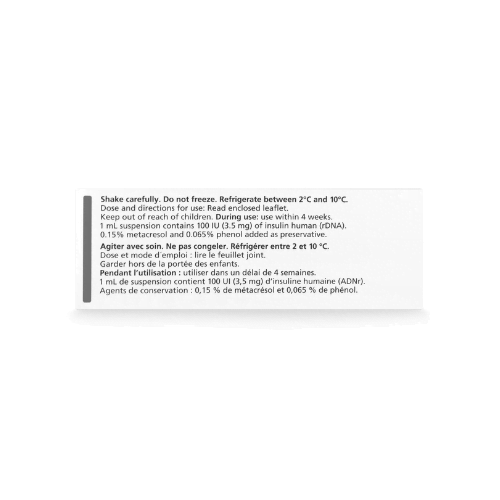
Novolin ge NPH storage is important because insulin can lose potency after freezing, overheating, or prolonged exposure to direct light. Follow the manufacturer’s instructions for unopened and in-use vials. Unopened insulin is generally stored in a refrigerator, while an in-use vial may have a room-temperature limit and a discard date after first use.
Never use insulin that has been frozen or exposed to excessive heat. NPH insulin is normally cloudy after gentle resuspension, but it should not look clumped, grainy, discolored, or uneven after following the label directions. If the appearance does not match expected NPH suspension, do not inject it until a pharmacist or clinician has advised what to do.
- At home: Keep vials away from freezer walls, heaters, and direct sunlight.
- After first use: Mark the first-use date on the carton or vial.
- During travel: Use an insulated case and avoid checked luggage.
- With supplies: Pack U-100 syringes, alcohol swabs, and a sharps plan.
- On arrival: Inspect the parcel and vial before placing insulin into storage.
Why it matters: Temperature control helps preserve insulin quality until the vial is finished or discarded.
Side Effects, Warnings, and Monitoring
Novolin ge NPH side effects can include low blood sugar, injection-site reactions, itching, rash, swelling, weight gain, and skin changes at repeated injection areas. Low blood sugar may cause shakiness, sweating, hunger, fast heartbeat, headache, weakness, dizziness, irritability, or confusion. Severe hypoglycemia can lead to seizure, loss of consciousness, or death and requires emergency help.
Do not use this insulin during an episode of hypoglycemia. It should also be avoided by anyone with a known allergy to human insulin or any ingredient in the product. Signs of a serious allergic reaction can include widespread rash, trouble breathing, wheezing, severe dizziness, or swelling of the face, lips, tongue, or throat.
Insulin can also cause low potassium levels, known as hypokalemia. This risk may be more important in people taking other medicines that affect potassium or in people with certain heart risks. Monitoring may include blood glucose records, A1C testing, symptom tracking, injection-site assessment, and lab tests when clinically appropriate.
- Injection rotation: Rotate sites to reduce thickening, pitting, or lumps under the skin.
- Needle safety: Do not share needles or syringes with another person.
- Sharps disposal: Use a puncture-resistant sharps container.
- Illness days: Follow the written glucose monitoring plan from your care team.
- Emergency planning: Keep severe low blood sugar instructions accessible.
Insulin needs may change with illness, stress, pregnancy, kidney function, liver function, meal patterns, exercise, or changes in other medicines. Do not self-adjust because a vial contains more or fewer remaining units than expected. Dose changes should be based on glucose data and clinical guidance.
Interactions and Dose Questions
Novolin ge NPH dosage is individualized. The vial strength and volume help identify the correct product, but they do not tell you how many units to inject or when to inject them. Clinicians often consider blood glucose logs, A1C results, meal timing, activity, hypoglycemia history, and other therapies when adjusting insulin.
Several medicines can affect blood sugar or insulin response. Corticosteroids, some diuretics, thyroid medicines, and certain antipsychotics may raise glucose in some people. Alcohol, ACE inhibitors, and other medicines may increase the risk of low blood sugar. Beta-blockers can also mask symptoms such as a fast heartbeat, making glucose monitoring especially important.
Thiazolidinediones, including pioglitazone and rosiglitazone, can cause fluid retention and may worsen heart failure when used with insulin. Report shortness of breath, rapid weight gain, or swelling to a clinician promptly. If another insulin is used with NPH, do not mix products in the same syringe unless exact compatibility and draw-up instructions have been provided.
For people reviewing diabetes therapy choices, the broader diabetes section can help separate insulin treatment from oral medicines, non-insulin injectables, and supplies. That broader context is helpful, but it should not be used to substitute one insulin for another.
Compare With Related Diabetes Options
Novolin ge NPH vs Humulin N is a common comparison because both are NPH insulin products used for intermediate acting insulin coverage. Even when products are in the same class, they should not be swapped casually. Labeling, device format, supply instructions, availability, and individual treatment plans may differ.
Some people compare an intermediate acting insulin vial with oral diabetes medicines. Those medicines work differently and are not direct replacements for insulin when insulin is required. Broader browsing through diabetes medications can help distinguish insulin from tablets and non-insulin injections.
Other people compare insulin therapy across diabetes types. Type 1 diabetes usually requires insulin because the body cannot make enough insulin. Type 2 diabetes may involve lifestyle measures, oral medicines, injectable non-insulin therapies, or insulin depending on clinical needs. The diabetes products category can help organize medicines, supplies, and related items by product family.
Do not choose an alternative based only on cost, vial size, or a similar name. Ask whether the alternative has the same insulin type, concentration, onset, peak, duration, and delivery supplies. For insulin products, those differences can directly affect blood glucose control and hypoglycemia risk.
Authoritative Sources
The sources below support key safety, administration, and handling points for human insulin NPH products. Follow current manufacturer labeling and clinician guidance when instructions differ by country, carton, or manufacturer update.
- Official manufacturer consumer information describes Novolin NPH use, storage, administration, and safety basics.
- FDA patient labeling for human insulin explains hypoglycemia warnings, administration precautions, and monitoring considerations.
This content is for informational purposes only and is not a substitute for professional medical advice.
Blood Glucose Unit Converter
Convert glucose readings between mg/dL and mmol/L without changing the clinical value.
mg/dL
-
US reporting unit
mmol/L
-
International reporting unit
These calculations are for education only and do not replace clinical advice, diagnosis, or treatment. Always confirm medical decisions with a qualified healthcare professional.
HbA1c & eAG Calculator
Convert between HbA1c percentage and estimated average glucose using the ADAG relationship.
HbA1c
-
percentage
eAG mg/dL
-
estimated average glucose
eAG mmol/L
-
estimated average glucose
These calculations are for education only and do not replace clinical advice, diagnosis, or treatment. Always confirm medical decisions with a qualified healthcare professional.
HOMA-IR Calculator
Estimate insulin resistance from fasting glucose and fasting insulin values collected from the same blood draw.
HOMA-IR
-
screening estimate, not a diagnosis
Formula used
-
depends on glucose unit
These calculations are for education only and do not replace clinical advice, diagnosis, or treatment. Always confirm medical decisions with a qualified healthcare professional.
Carb Serving Calculator
Convert total carbohydrate grams into carb choices for meal planning and diabetes education.
Carb choices
-
total carbs divided by choice size
Rounded choices
-
nearest half choice
Carb calories
-
4 kcal per gram
These calculations are for education only and do not replace clinical advice, diagnosis, or treatment. Always confirm medical decisions with a qualified healthcare professional.
CGM Time-in-Range Summary
Summarise CGM percentages across very low, low, in-range, high, and very high glucose bands.
Entered total
-
should equal 100%
Below range
-
very low plus low
Above range
-
high plus very high
Summary
-
common adult CGM targets vary by patient
These calculations are for education only and do not replace clinical advice, diagnosis, or treatment. Always confirm medical decisions with a qualified healthcare professional.
Express Shipping - from $29.99
Shipping with this method takes 3-5 days
Prices:
- Dry-Packed Products $29.99
- Cold-Packed Products $39.99
Standard Shipping - $19.99
Shipping with this method takes 5-10 days
Prices:
- Dry-Packed Products $19.99
- Not available for Cold-Packed products
What is Novolin ge NPH Vial used for?
Novolin ge NPH Vial is a human insulin NPH suspension used to help manage blood glucose in people with diabetes mellitus when insulin therapy is part of the care plan. It is an intermediate acting insulin, not a rapid mealtime insulin.
How long does Novolin ge NPH take to work?
NPH insulin has an intermediate action profile and includes a peak in effect. Exact timing can vary by person, injection site, activity, meals, and other factors, so follow the timing instructions provided by your care team.
Is Novolin ge NPH the same as Humulin N?
Novolin ge NPH and Humulin N are both NPH insulin products, but they should not be switched without clinical guidance. Product labeling, supply format, and individual insulin plans may differ.
What are common Novolin ge NPH side effects?
Common or important side effects can include low blood sugar, injection-site reactions, itching, rash, swelling, weight gain, and skin changes where injections are repeated. Severe low blood sugar or signs of a serious allergic reaction need urgent medical attention.
How should Novolin ge NPH Vial be stored?
Follow the manufacturer’s storage instructions for unopened and in-use vials. Protect insulin from freezing, excessive heat, and direct light. Do not use a vial that has been frozen, overheated, damaged, or looks clumped, grainy, or discolored after proper mixing.
Can Novolin ge NPH dosage be adjusted based on vial size?
No. Vial size and concentration help identify the correct insulin product, but they do not determine the number of units to inject. Dose changes should be based on glucose data and clinical guidance.
Rewards Program
Earn points on birthdays, product orders, reviews, friend referrals, and more! Enjoy your medication at unparalleled discounts while reaping rewards for every step you take with us.
You can read more about rewards here.
POINT VALUE
How to earn points
- 1Create an account and start earning.
- 2Earn points every time you shop or perform certain actions.
- 3Redeem points for exclusive discounts.
You Might Also Like
Select options
This product has multiple variants. The options may be chosen on the product page
Select options
This product has multiple variants. The options may be chosen on the product page
Select options
This product has multiple variants. The options may be chosen on the product page
Select options
This product has multiple variants. The options may be chosen on the product page