

Autism-Related Irritability Medications and Resources
Browse Autism-Related Irritability medications and related resources for caregivers comparing product types, safety topics, and next-step discussions.
Prices in USD, the lowest price for each product; your dose and quantity set the final price. Struck prices are the US and Canadian comparison prices shown on each product page.
Autism-Related Irritability: products, conditions and resources
Autism-Related Irritability can involve aggression, self-injury, severe tantrums, mood swings, or intense emotional outbursts. This medical-condition collection helps caregivers, patients, and care teams browse relevant medication pages and related learning resources. Use it to compare product types, understand where each resource fits, and prepare focused questions for a licensed clinician.
The items here do not diagnose autism spectrum disorder or replace behavioral supports. They are meant to support navigation when a prescriber is already discussing autism irritability treatment, coexisting mental health symptoms, or disruptive behaviors that affect daily routines.
What This Autism-Related Irritability Collection Includes
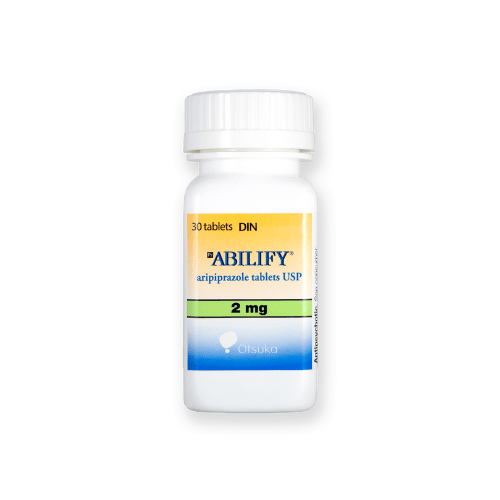
This page brings together condition-aligned product pages and related resources. The strongest match in this collection is Abilify, a brand-name aripiprazole product that clinicians may consider for specific psychiatric indications. The collection also includes antidepressant options, which may appear in care plans when anxiety, obsessive thoughts, depression, or repetitive distress patterns overlap with irritability in autism.
Available product pages in this browse area may include selective serotonin reuptake inhibitors, often called SSRIs. SSRIs affect serotonin signaling and are more often discussed for depression, anxiety, or obsessive-compulsive symptoms than for core autism behavioral symptoms. Examples in this collection include Fluoxetine, Zoloft, Escitalopram, and Fluvoxamine.
CanadianInsulin.com operates as a prescription referral platform. When required, prescription details may be checked with the prescriber before a medication request proceeds.
How to Compare Autism Irritability Medication Pages
Medication browsing works best when the target symptoms are clear. Autism irritability symptoms may include physical aggression, self-injury, prolonged meltdowns, severe tantrums, or fast shifts from calm to distress. Product pages can help you compare forms, brand or generic names, and the type of medication being discussed. They should not be used to choose a medication or adjust a dose without professional guidance.
Care teams often separate irritability associated with autism from other concerns. Sleep problems, sensory overload, communication barriers, pain, seizures, anxiety, depression, and obsessive-compulsive symptoms can all worsen behavior. That distinction matters because the right next page may be a medication page, a related condition page, or an educational article.
- Compare the medication class, such as antipsychotic or SSRI.
- Check whether the page covers a brand or generic product.
- Confirm the dosage form listed on the product page.
- Write down current symptoms, triggers, and recent behavior changes.
- Ask the prescriber what monitoring is needed before and during treatment.
Quick tip: Keep a short behavior log before appointments, including sleep, appetite, triggers, and timing.
Medication Classes and Supportive Care Context
Autism aggression treatment usually involves more than a product choice. Behavioral strategies, communication supports, school planning, sleep review, and family routines may all play a role. Medication may be considered when severe behaviors create safety risks or major impairment, but the prescriber weighs expected benefit against possible side effects.
Antipsychotic medications, including aripiprazole products, require careful monitoring. Clinicians may discuss weight, movement symptoms, sedation, blood sugar, cholesterol, and other safety considerations. SSRIs have a different side-effect profile and are typically discussed for mood, anxiety, or obsessive-compulsive symptoms. The best comparison depends on the person’s diagnosis, age, medical history, current medicines, and treatment goals.
For readers who want a medication-focused overview before opening a product page, Abilify Uses explains how aripiprazole is discussed across mental health care. Use that article for background, then return to the product page when you need item-specific details.
Related Conditions That May Affect Irritability
Some behaviors that look like autism anger issues may be shaped by another condition. Obsessive fears, tics, low mood, psychosis, or seizure activity can change how distress appears. This collection links to related condition pages so you can separate product browsing from broader symptom patterns.
If repetitive fears or rituals seem to drive distress, the Obsessive-Compulsive Disorder collection may be a useful next step. Sudden movements or vocal tics may make the Tourette Syndrome page relevant. Low mood, withdrawal, or loss of interest may point caregivers toward Depression resources.
When unusual beliefs, severe disorganization, or major changes in perception are part of the picture, the Schizophrenia collection can help frame related medication categories. If staring spells, unexplained episodes, or known epilepsy complicate behavior tracking, the Seizure Disorder page may help guide the next discussion with a clinician.
Questions to Bring to a Prescriber
Managing irritability in autism usually starts with a careful description of what is happening. A prescriber may ask when behaviors began, how often they occur, what happens before them, and whether the person returns to baseline afterward. Clear notes help distinguish autism emotional outbursts from pain, panic, sleep loss, medication effects, or environmental stress.
Ask which symptoms the medication is intended to address, how progress will be measured, and what side effects need urgent attention. For autism tantrums or self-injury, safety planning may also involve therapists, schools, and caregivers. No medication page can replace that team-based planning.
Why it matters: Clear target behaviors help the care team judge whether a treatment plan is helping.
Using This Page to Choose Your Next Resource
Start with the resource that matches the question in front of you. Open a product page when you need details about a specific medication. Open a related condition page when symptoms overlap with another diagnosis. Use the educational article when you want background on how a medication is discussed in mental health care.
Dispensing and fulfilment, where permitted, are handled by licensed third-party pharmacies. Product listings and medication requests still depend on prescription requirements, eligibility, and the prescriber’s clinical judgment. This category is best used as a practical map for comparing options, not as a treatment plan.
This content is for informational purposes only and is not a substitute for professional medical advice.
Related conditions
All medical conditions →Frequently asked questions
About browsing Autism-Related Irritability resources on this page.
What does autism-related irritability look like?
Autism-related irritability may appear as aggression, self-injury, severe tantrums, quick mood changes, or intense emotional outbursts. It can also show up as repeated distress after sensory overload, disrupted routines, poor sleep, pain, or communication frustration. Caregivers should document what happens before, during, and after episodes. That record helps clinicians separate irritability from anxiety, seizures, medication effects, or other medical concerns.
How should I compare medications in this category?
Compare product pages by medication class, brand or generic name, dosage form, and the symptoms the prescriber wants to target. Antipsychotic and SSRI medications are not interchangeable, and they have different safety considerations. Use the pages to prepare questions, not to choose or change treatment alone. A clinician can explain why one option may or may not fit the person’s diagnosis, age, health history, and current medicines.
Are medications the only option for irritability in autism?
No. Care plans often combine behavioral strategies, communication supports, sleep review, environmental changes, school planning, and caregiver training. Medication may be discussed when symptoms are severe, persistent, or create safety concerns. The right balance depends on the person’s needs and the likely triggers. This page helps you browse medication and condition resources, while clinical decisions should stay with the care team.
Why are related conditions listed on this page?
Related conditions can change how irritability appears and how clinicians think through next steps. Obsessive-compulsive symptoms, tics, depression, seizure disorders, or psychotic symptoms may worsen distress or complicate behavior tracking. The linked condition pages help you browse adjacent topics without assuming that every outburst has the same cause. A clinician can decide which symptoms need evaluation.
Related articles
View all articles →
Humulin N Dosage Chart: Safe Use and Adjustment Factors
A Humulin N dosage chart can help you organize a prescribed insulin plan, but it should not decide your dose. Humulin N…
Read more →
Humalog KwikPen Generic Options and Insulin Lispro Safety
A Humalog KwikPen generic search usually comes down to one key point: Humalog KwikPen contains insulin lispro, but insulin copies are not…
Read more →
Insulin Syringe Sizes: Barrel, Needle, and Safety Basics
Insulin syringe sizes describe three things: how much the barrel holds, how long the needle is, and how thin the needle is.…
Read more →
Fiasp Cartridge Safety, Compatibility, and Mealtime Use
A Fiasp cartridge is a replaceable cartridge form of Fiasp, a faster-acting insulin aspart used around meals when prescribed for diabetes. It…
Read more →The contents of CanadianInsulin.com are for informational purposes only and should not be considered medical advice. We do not guarantee the accuracy of the content on CanadianInsulin.com, nor do we assume any responsibility for any actions taken using the information found on our website. Always consult with your family physician or a qualified health care provider about any health or medical concerns.