

Hypoglycemia Care Options
Browse Hypoglycemia products, monitoring supplies, and educational resources for patients and caregivers comparing low blood sugar support options.
Prices in USD, the lowest price for each product; your dose and quantity set the final price. Struck prices are the US and Canadian comparison prices shown on each product page.
Hypoglycemia: products, conditions and resources
Hypoglycemia means low blood glucose, often called low blood sugar. This condition-focused collection helps patients and caregivers compare related rescue products, glucose support supplies, monitoring tools, and practical reading resources. Use it to narrow choices by product type, likely setting, and the questions you need to review with a clinician.
Many people browse this page after a recent low, a medication change, or a new care plan. You can move from fast-acting carbohydrate options to glucagon products, then review meters and test strips that support checking and rechecking blood glucose.
What This Hypoglycemia Collection Includes
This page brings together items and resources commonly considered when planning for low blood sugar. Product pages may include rescue therapies, glucose aids, blood glucose meters, and test strips. Educational articles cover recognition, prevention planning, and situations that can increase risk.
The main product pathway starts with Hypoglycemia Aids, where you can compare low blood sugar support products by format and use case. For glucose monitoring, the Test Strips category helps you review strip options that pair with compatible meters.
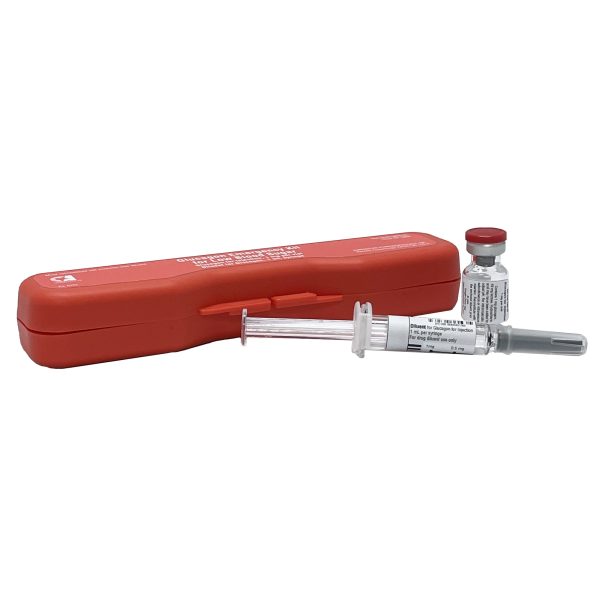
Some products support severe low blood sugar planning. The Glucagon Injection Kit With Diluent and Baqsimi Nasal Powder pages show different glucagon formats. Glucagon is used in emergencies when a person cannot safely take carbohydrates by mouth. Confirm whether a rescue product fits the plan written by the prescriber.
Why it matters: Severe lows can affect awareness, coordination, and safe swallowing.
How to Compare Low Blood Sugar Products
Start with the situation you are preparing for. A bedside kit, school bag, work drawer, gym bag, and travel case may need different formats. Tablets, gels, liquids, and chewables vary in texture, portioning, and packaging. Glucagon products serve a different role and are usually reserved for severe events or inability to swallow.
Check product labels for carbohydrate amount, package size, storage instructions, and handling steps. For monitoring items, confirm meter compatibility before selecting strips. The Contour Next Test Strips, OneTouch Verio Test Strips, and FreeStyle Freedom Lite Meter pages are useful when comparing device-related details.
- Compare form first: tablet, gel, nasal powder, injection kit, meter, or strip.
- Review labels for storage, expiry, and package handling.
- Match test strips with the correct meter system.
- Keep instructions readable for caregivers, coworkers, or family members.
- Ask the care team which rescue option belongs in the written plan.
CanadianInsulin.com is a prescription referral platform. When a prescription is required, prescription details may need confirmation with the prescriber before access can proceed.
Symptoms, Causes, and When to Use Education Resources
Hypoglycemia symptoms can include shaking, sweating, hunger, fast heartbeat, headache, confusion, weakness, or irritability. Some people notice symptoms early, while others develop hypoglycemia unawareness, which means warning signs become reduced or hard to detect. Symptoms of low blood sugar in non diabetics can also occur, but they need medical review because the causes may differ.
Common hypoglycemia causes include insulin, sulfonylureas, delayed meals, alcohol, increased activity, illness, or mismatched medication timing. Causes of hypoglycemia can also include hormone problems, medication interactions, or critical illness. People searching what causes low blood sugar without diabetes should treat persistent or recurrent episodes as a reason to seek clinical assessment.
Use the article How to Manage Hypoglycemia for a plain-language review of recognition and response planning. Medication-specific readers can open Can Glyburide Cause Hypoglycemia, since some diabetes medicines can raise the risk of lows. Pregnancy-related concerns are covered in Hypoglycemia During Pregnancy.
For definitions and low blood glucose thresholds, the NIDDK low blood glucose page explains warning signs and action steps. The American Diabetes Association hypoglycemia resource also reviews glucagon and practical safety planning.
Monitoring, Rechecking, and Safety Boundaries
Monitoring supplies do not treat low blood sugar, but they help confirm patterns. A meter and compatible strips can support rechecking after a correction, documenting overnight readings, or comparing symptoms with measured values. Continuous glucose monitors may also alert users, but fingerstick testing may still be needed in some situations.
People often ask what level of low blood sugar is dangerous. Many diabetes resources use below 70 mg/dL as a common action point, while more serious lows can impair thinking, movement, or consciousness. A personal threshold may vary, especially with pregnancy, kidney disease, older age, hypoglycemia unawareness, or intensive insulin use.
Emergency-focused reading can help caregivers recognize escalation signs. The Insulin Shock Signs article and Hypoglycemic Shock resource explain severe low blood sugar terminology and warning patterns. These resources should support, not replace, the emergency plan provided by a licensed clinician.
Quick tip: Store rescue instructions with the product, not in a separate place.
Related Condition Pages for Broader Browsing
Low blood sugar planning often sits inside a larger diabetes care routine. The Diabetes condition page connects this topic with wider medication and supply browsing. Readers using insulin intensively may also compare resources under Type 1 Diabetes.
People with type 2 diabetes may experience lows when insulin or certain oral medicines are part of therapy. The Type 2 Diabetes page helps separate broader care products from low-specific supplies. If a low blood sugar event includes seizure-like activity, the Seizure Disorder page may help caregivers find related condition resources while seeking appropriate medical guidance.
Choosing Your Next Page
Use this collection as a browsing map. Start with hypoglycemia treatment products if you need fast carbohydrate or rescue options. Move to meters and strips if monitoring details are the main concern. Open the educational resources when you need clearer language about symptoms, causes, severe events, or questions to ask at the next appointment.
Before relying on any product, check its current label, expiry date, storage needs, and instructions. Keep a written plan for mild lows, severe lows, driving safety, exercise, alcohol, illness, and nighttime events. If episodes are recurrent, unexplained, or severe, a clinician can review whether medication changes, meal timing, or further testing are needed.
This content is for informational purposes only and is not a substitute for professional medical advice.
Related conditions
All medical conditions →Frequently asked questions
About browsing Hypoglycemia resources on this page.
What products can I compare in this Hypoglycemia collection?
You can compare low blood sugar support items such as glucose aids, glucagon rescue products, meters, and compatible test strips. Product pages may differ by format, handling steps, storage notes, and package details. This page also links to educational resources about symptoms, causes, pregnancy, medication-related lows, and severe events.
How should caregivers use this category?
Caregivers can use the collection to identify which products belong in a written low blood sugar plan. Compare whether an item is meant for oral carbohydrate correction, glucose monitoring, or emergency glucagon use. Then confirm instructions with the prescriber, especially if the person has trouble recognizing lows or cannot safely swallow during severe events.
Can hypoglycemia happen without diabetes?
Yes, low blood sugar can occur without diabetes, although it needs careful medical review. Possible reasons include fasting, alcohol, certain medicines, hormone disorders, critical illness, or post-meal glucose shifts. Educational pages can help you learn the terms, but repeated or unexplained episodes should be discussed with a clinician.
What details should I check before choosing monitoring supplies?
Check whether the test strips match the meter, how many strips are included, and what storage instructions apply. Review expiry dating and handling directions before relying on supplies for home, work, school, or travel kits. If readings do not match symptoms, follow the device instructions and ask a healthcare professional how to interpret results.
Related articles
View all articles →
Weight Loss and Calories Calculator: Safe Planning Basics
A weight loss and calories calculator estimates daily calories for maintenance and planned weight change by using your age, sex, height, weight,…
Read more →
Humulin N Dosage Chart: Safe Use and Adjustment Factors
A Humulin N dosage chart can help you organize a prescribed insulin plan, but it should not decide your dose. Humulin N…
Read more →
Humalog KwikPen Generic Options and Insulin Lispro Safety
A Humalog KwikPen generic search usually comes down to one key point: Humalog KwikPen contains insulin lispro, but insulin copies are not…
Read more →
Insulin Syringe Sizes: Barrel, Needle, and Safety Basics
Insulin syringe sizes describe three things: how much the barrel holds, how long the needle is, and how thin the needle is.…
Read more →The contents of CanadianInsulin.com are for informational purposes only and should not be considered medical advice. We do not guarantee the accuracy of the content on CanadianInsulin.com, nor do we assume any responsibility for any actions taken using the information found on our website. Always consult with your family physician or a qualified health care provider about any health or medical concerns.