
Shipping with this method takes 3-5 days
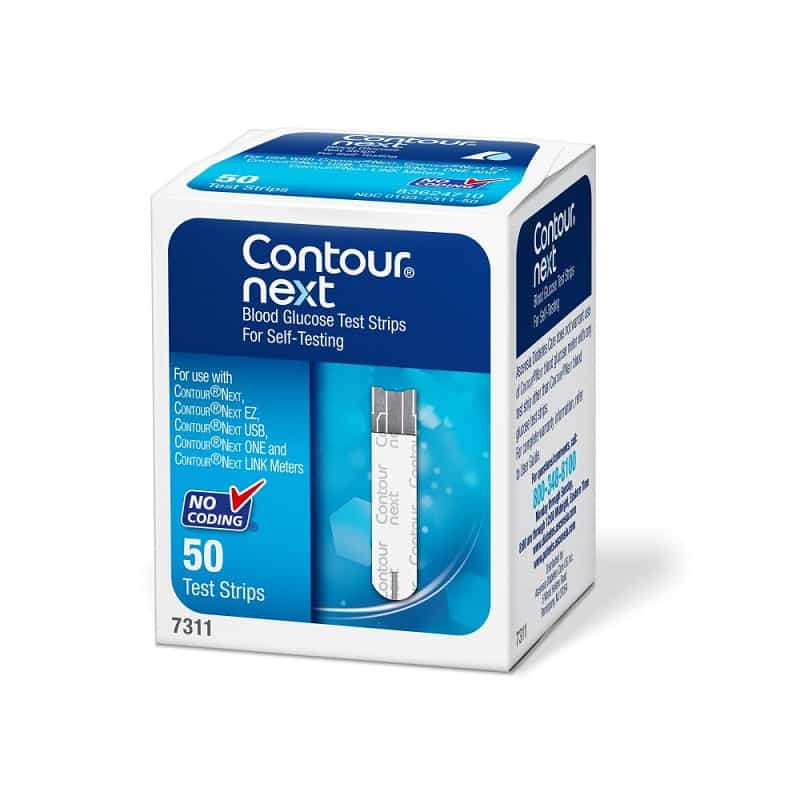
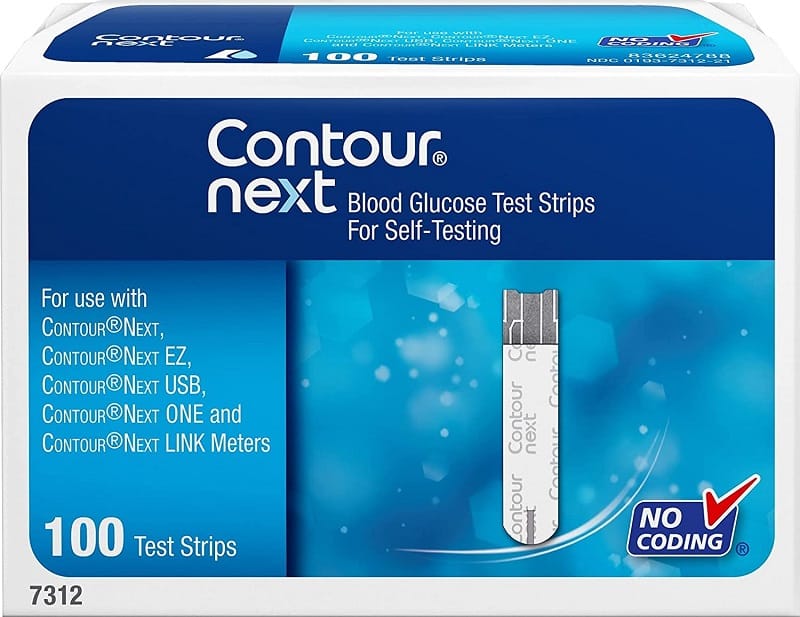
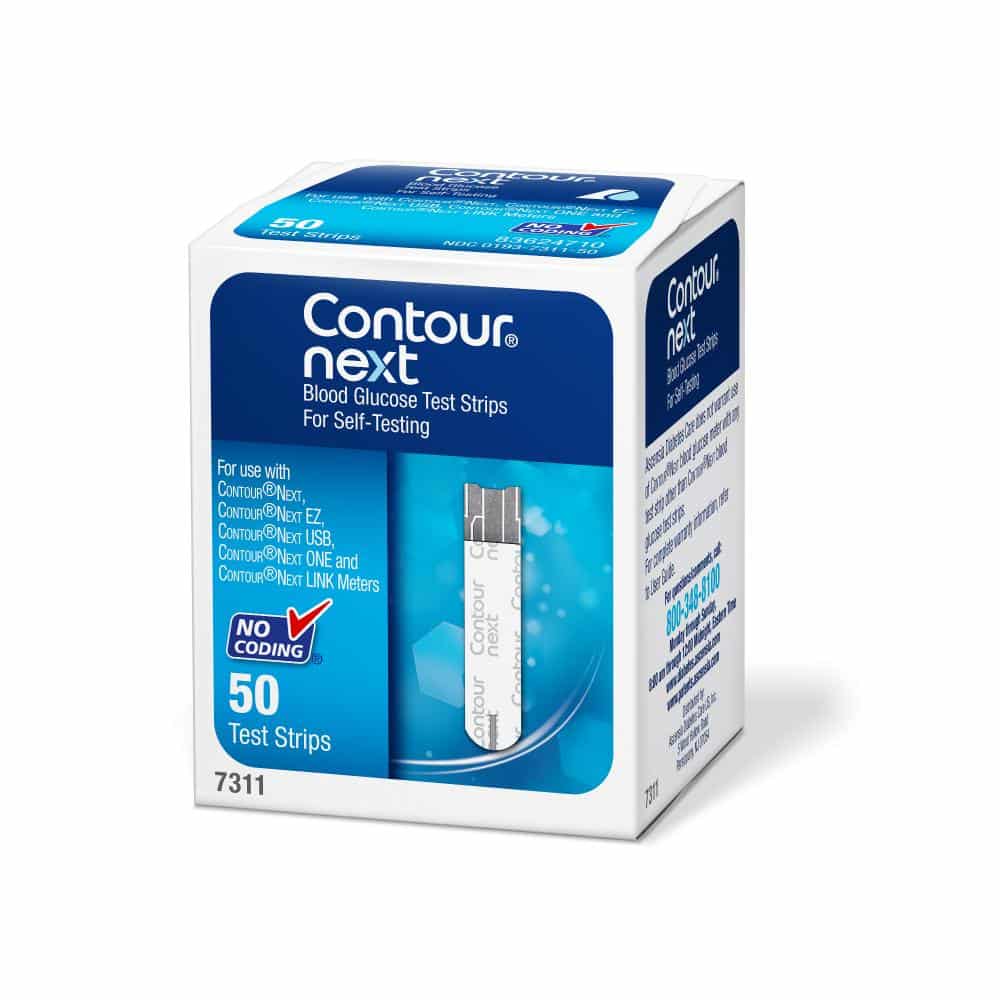
Contour Next Test Strips
Buy Contour Next Test Strips Online


Contour Next Test Strips are blood glucose test strips used with compatible Contour Next meters to measure sugar in a small capillary blood sample. You can buy Contour Next Test Strips online, view the current price by quantity, and choose the strip count that fits your testing plan. Match the strip name, meter family, and package quantity to the directions from your clinician, diabetes educator, or written care plan.
These strips are made for home glucose monitoring, not for changing treatment on their own. The number shown on the meter can help you and your care team track patterns, respond to low or high readings, and decide when follow-up is needed. If US delivery from Canada is shown during ordering, review the quantity, address, and handling details before placing the order.
Contour Next Test Strips Price and Quantity Choices
The Contour Next test strips price depends on the quantity shown during ordering. Some customers compare smaller counts for short-term use, while others choose larger counts when they test more often. If 50, 70, 100, 200, or 300 count choices appear, compare the total number of strips rather than the box label alone, because a higher count may include more than one vial or box.
Each strip is intended for a single blood glucose check. Some Contour Next systems include Second-Chance Sampling, which may let you add more blood to the same strip within the meter’s allowed time if the first sample is not enough. That feature is not the same as reusing a strip after a completed test.
For cash-pay planning, look at the strip count, the current checkout total, and your own reimbursement rules if you submit receipts. Contour Next test strips without insurance may be purchased separately from other supplies, so plan for lancets, control solution, batteries, and a compatible meter when needed. The test strips category can help you compare diabetes test strips by meter system without mixing brands.
Quick tip: Match the meter name and total strip count before comparing the final cost.
How to Order These Glucose Strips Online
Choose the Contour Next strip quantity that fits your meter and testing frequency. Enter your order details carefully, including your shipping address and contact information, so the order can be processed with the correct quantity. If you use more than one meter at home, match the strips to the exact device you plan to use most often.
Do not choose a larger quantity only because the unit cost appears lower. Test strips have expiration dates and can lose reliability if stored too long or handled incorrectly. A practical quantity is one you can use before the date on the vial while still keeping a reasonable buffer for travel, illness, or extra testing requested by your care team.
When comparing Contour Next test strips US shipping from Canada, keep the meter, strips, and other supplies in the same planning list. Prompt, express, cold-chain shipping may appear for some healthcare products, but blood glucose strips usually require protection from heat, moisture, and damage rather than refrigeration. Follow the storage instructions printed on the strip vial or carton.
Meter Compatibility and Product Details
Contour Next blood glucose test strips work with compatible meters in the Contour Next family. Search results and older packaging may refer to Ascensia Contour Next test strips or Bayer Contour Next test strips because the brand history appears differently across stores and device materials. The practical decision is compatibility with your actual meter, not only the manufacturer name in a search result.
These are no-coding test strips. Compatible meters do not require you to enter a code from the vial before testing. Contour Next Second-Chance Sampling strips may allow a second small sample during the meter’s allowed window when the first sample is insufficient. Always follow the meter prompts and start over with a new strip when a test has already completed.
| Detail | What to Check |
|---|---|
| Product type | Single-use blood glucose test strips for home monitoring. |
| Meter family | Use only with compatible Contour Next meters listed in your meter instructions. |
| Sample type | A small capillary blood sample applied as directed by the meter. |
| Selection point | Match strip family, quantity, vial label, and expiration date. |
| Reuse rule | Do not reuse a strip after a completed reading. |
If you need a compatible device, browse broader diabetes supplies before choosing strips. Meter systems are not interchangeable across brands, and a similar name can still require a different strip family.
What These Strips Are Used For
Contour Next diabetic test strips help measure glucose in a blood sample when used with a compatible meter. The result supports day-to-day diabetes monitoring for people who have been advised to check blood sugar at home. Readings can help identify patterns around meals, physical activity, illness, medication changes, or symptoms of low or high blood sugar.
A test strip does not diagnose diabetes by itself and does not choose an insulin dose or medication change. Your clinician determines when to test and how to respond to readings. People using insulin or diabetes medicines that can lower blood glucose may be told to test at specific times, such as before meals, at bedtime, before driving, or when symptoms occur.
Home monitoring is common in both type 1 diabetes and type 2 diabetes, but testing schedules vary. Some people need frequent checks, while others test less often. The right strip quantity should support your care plan rather than change it.
Choosing the Right Count for Refill Planning
Pack count is one of the most important ordering details for Contour Next blood sugar test strips. A 50 count package may fit occasional testing or a shorter supply window. A 100, 200, or 300 count quantity may make sense for people who test more often, provided the strips can be used before expiration.
Check whether the quantity represents one box, multiple boxes, or a total count across several containers. Keep strips in their original vial, and do not combine strips from different lots into one container. The vial protects the strips from moisture and helps preserve lot, expiration, and storage information.
- Count: Choose by total strips, not box count alone.
- Meter: Match the exact Contour Next meter family.
- Expiration: Avoid buying more than you can use in time.
- Supplies: Lancets and control solution may be separate.
- Records: Keep receipts if your plan allows reimbursement.
People comparing Contour Next strips cost without insurance should keep the order receipt and package information together. Cash-pay purchases may follow different reimbursement rules than insurance-covered supplies, so use the visible checkout total and your own plan documents for planning.
Storage, Handling, and Travel
Blood glucose test strips are sensitive to moisture, contamination, and temperature extremes. Store the vial tightly closed, keep strips in their original container, and handle them with clean, dry hands. Do not leave strips in a hot car, near a sink, on a bathroom counter, or loose in a travel bag.
Everyday handling can affect readings. Food residue, lotion, wet fingers, bent strips, damaged vials, or expired supplies may lead to results that do not reflect your current blood glucose. Wash and dry your hands before testing, especially after touching fruit, candy, glucose tablets, or other sources of sugar.
For travel, pack enough strips for your usual testing plus a reasonable buffer. Keep the meter, strips, lancets, and any control solution together so the device is not separated from the supplies it requires. Browse the broader diabetes category if you are rebuilding a travel kit or replacing multiple monitoring supplies.
Why it matters: Good storage helps protect the accuracy of everyday glucose checks.
Testing Technique and Reading Accuracy
Use the meter instructions as your primary source for applying blood, reading symbols, and responding to error messages. Many meters use fingertip samples because fingers generally provide reliable capillary blood for routine checks. Some systems may allow alternate site testing, but only when the meter instructions and your care team say it is appropriate.
People often ask which finger is best for checking blood sugar. In practice, many users rotate fingers and use the sides of the fingertip to reduce soreness. Avoid testing from a finger that has food residue, lotion, injury, swelling, or poor circulation. Wash with soap and water, then dry thoroughly before lancing.
Some instructions recommend wiping away the first drop of blood in certain circumstances, especially if the skin may be contaminated. Other instructions allow testing from the first drop when hands are clean and dry. Follow your meter guide and care team’s advice, because technique recommendations can differ by device and situation.
Safety and Monitoring Basics
Do not use Contour Next glucose strips that are expired, wet, visibly damaged, or stored outside the conditions on the package. If a reading does not match how you feel, wash your hands, repeat the test with a new strip, and follow your diabetes action plan. Control solution testing may be recommended when opening a new vial, after dropping a meter, or when readings seem inconsistent.
Seek urgent medical help for symptoms of severe low blood sugar, such as confusion, fainting, seizure, or inability to swallow safely. Very high readings with vomiting, rapid breathing, dehydration, or unusual drowsiness also require prompt clinical attention. The strip provides a number, but symptoms and your care plan determine the next step.
Several factors can affect blood glucose readings. Examples include an inadequate blood sample, contaminated skin, strips exposed to moisture, using the wrong strip family, extreme temperatures, or testing at times that do not match your monitoring plan. If results repeatedly seem wrong, stop relying on that vial until you have checked the meter, strips, control solution, and technique.
Do not share lancing devices, lancets, or blood-contaminated supplies. Used strips and lancets should be discarded according to local sharps and household waste guidance. If more than one person in the household monitors glucose, label meters and keep personal supplies separate.
Related Diabetes Supplies and Care Planning
Contour Next meter test strips are one part of a home monitoring setup. You may also need lancets, a lancing device, control solution, a logbook or app, and a plan for reviewing readings. The diabetes condition section can help you connect monitoring supplies with broader diabetes care topics.
If you are evaluating a different meter system, do not assume strips transfer between brands. Freestyle, Accu-Chek, OneTouch, and Contour systems have different compatibility rules. Use the diabetes articles section for general education, but follow the instructions that come with your specific meter and strips.
People managing type 1 diabetes may need frequent glucose checks alongside insulin decisions, while people managing type 2 diabetes may test based on medication type, symptoms, or clinician instructions. For more targeted education, browse type 1 diabetes articles or type 2 diabetes articles. Product choice should still come back to the meter family, strip count, expiration date, and storage needs.
Official Instructions and Reference Checks
Keep the strip vial, carton, meter user guide, and control solution instructions available when testing. These materials explain sample application, storage limits, error messages, and when to repeat or confirm a result. The vial label also helps you track lot number and expiration date.
Bring your meter or written logs to appointments if your care team asks to review patterns. Contact a qualified healthcare professional if readings change unexpectedly, your medication changes, you are sick, or the package directions appear to conflict with meter instructions. Do not change diabetes medication or insulin dosing based only on a single home reading unless your care plan tells you exactly how to respond.
This content is for informational purposes only and is not a substitute for professional medical advice.
Blood Glucose Unit Converter
Convert glucose readings between mg/dL and mmol/L without changing the clinical value.
mg/dL
-
US reporting unit
mmol/L
-
International reporting unit
These calculations are for education only and do not replace clinical advice, diagnosis, or treatment. Always confirm medical decisions with a qualified healthcare professional.
HbA1c & eAG Calculator
Convert between HbA1c percentage and estimated average glucose using the ADAG relationship.
HbA1c
-
percentage
eAG mg/dL
-
estimated average glucose
eAG mmol/L
-
estimated average glucose
These calculations are for education only and do not replace clinical advice, diagnosis, or treatment. Always confirm medical decisions with a qualified healthcare professional.
CGM Time-in-Range Summary
Summarise CGM percentages across very low, low, in-range, high, and very high glucose bands.
Entered total
-
should equal 100%
Below range
-
very low plus low
Above range
-
high plus very high
Summary
-
common adult CGM targets vary by patient
These calculations are for education only and do not replace clinical advice, diagnosis, or treatment. Always confirm medical decisions with a qualified healthcare professional.
Corrected Sodium Calculator
Estimate sodium corrected for hyperglycemia using common 1.6 and 2.4 correction factors.
Corrected sodium
-
1.6 factor
Corrected sodium
-
2.4 factor
These calculations are for education only and do not replace clinical advice, diagnosis, or treatment. Always confirm medical decisions with a qualified healthcare professional.
Express Shipping - from $29.99
Prices:
- Dry-Packed Products $29.99
- Cold-Packed Products $39.99
Standard Shipping - $19.99
Shipping with this method takes 5-10 days
Prices:
- Dry-Packed Products $19.99
- Not available for Cold-Packed products
What test strips work with Contour Next meters?
Use Contour Next blood glucose test strips with compatible meters in the Contour Next family. Do not assume strips from another brand or a similar meter name will work. Check your meter guide and the strip vial before testing.
Are Contour Next Test Strips reusable?
No. Each strip is for one completed blood glucose test. Some Contour Next systems may allow Second-Chance Sampling during the meter’s allowed window if the first sample is too small, but that is not the same as reusing a finished strip.
How should Contour Next Test Strips be stored?
Keep strips in their original vial with the cap closed. Protect them from moisture, contamination, heat, freezing temperatures, and direct sunlight. Do not use strips that are expired, wet, damaged, or stored outside package directions.
Which finger is best for checking blood sugar?
Many people rotate fingers and use the side of the fingertip to reduce soreness. Wash and dry your hands first, and avoid fingers with food residue, lotion, injury, swelling, or poor circulation. Follow your meter instructions.
Why would someone wipe away the first drop of blood?
Some testing instructions recommend wiping away the first drop if the skin may be contaminated. If hands are clean and dry, your meter guide may allow testing from the first drop. Follow the instructions for your device and care plan.
Rewards Program
Earn points on birthdays, product orders, reviews, friend referrals, and more! Enjoy your medication at unparalleled discounts while reaping rewards for every step you take with us.
You can read more about rewards here.
POINT VALUE
How to earn points
- 1Create an account and start earning.
- 2Earn points every time you shop or perform certain actions.
- 3Redeem points for exclusive discounts.
You Might Also Like
Select options
This product has multiple variants. The options may be chosen on the product page
Select options
This product has multiple variants. The options may be chosen on the product page
Select options
This product has multiple variants. The options may be chosen on the product page
Select options
This product has multiple variants. The options may be chosen on the product page