

Premenstrual Dysphoric Disorder Medications and Resources
Browse Premenstrual Dysphoric Disorder medications, related mental health resources, and comparison points to discuss with a licensed clinician.
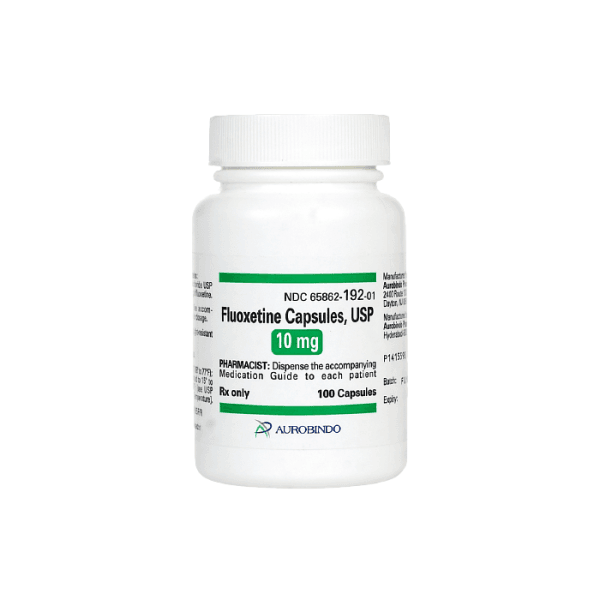
Prices in USD, the lowest price for each product; your dose and quantity set the final price. Struck prices are the US and Canadian comparison prices shown on each product page.
Premenstrual Dysphoric Disorder: products, conditions and resources
Severe cyclical mood and physical symptoms can make daily routines harder to plan. This collection helps patients and caregivers browse care options linked to Premenstrual Dysphoric Disorder, including relevant medication pages, related mental health categories, and educational resources. Use it to compare classes, understand common discussion points, and choose the next page to review with a clinician.
PMDD is often described as a severe form of premenstrual syndrome, but the level of mood change and impairment is usually greater. Symptoms tend to appear in the luteal phase (the time after ovulation and before bleeding starts) and ease after the period begins. A formal pmdd diagnosis requires clinical review, symptom timing, and careful screening for other conditions.
What This Premenstrual Dysphoric Disorder Collection Includes
This browse page brings together condition-aligned product pages and mental health resources. Medication pages may include selective serotonin reuptake inhibitors, often called SSRIs, which clinicians commonly discuss for premenstrual dysphoric disorder treatment. Representative product pages in this collection include Fluoxetine, Zoloft, Escitalopram, and Cipralex.
Some treatment discussions also consider serotonin-norepinephrine reuptake inhibitors, or SNRIs. These medicines affect serotonin and norepinephrine signaling and may be reviewed when broader mood, anxiety, or pain symptoms are part of the clinical picture. Duloxetine is one SNRI product page available for comparison in this collection.
Product listings can differ by form, manufacturer, and available strength. They should not be used to choose a dose or start therapy without medical direction. CanadianInsulin.com operates as a prescription referral platform, and prescription details may need confirmation with the prescriber where required.
How to Compare PMDD Symptoms and Medication Pages
Start by separating symptom patterns from product details. PMDD symptoms may include marked irritability, depressed mood, anxiety, mood swings, concentration problems, sleep changes, appetite shifts, breast tenderness, bloating, headaches, and fatigue. Many people use a pmdd symptoms chart or daily log to show whether symptoms cluster before bleeding and improve afterward.
When you open a medication page, compare practical details rather than trying to self-select treatment. Look at the drug class, dosage form, listed strengths, storage notes, and prescription requirements. Then bring questions to a clinician about continuous dosing, luteal-phase dosing, past side effects, and other medicines or supplements you use.
Quick tip: Track symptoms for at least two cycles if your clinician recommends it.
| Browsing question | What to compare | Why it helps |
|---|---|---|
| Mood symptoms | Irritability, sadness, anxiety, anger, mood swings | Shows which symptoms drive impairment |
| Timing | Days before bleeding, first days of bleeding, symptom-free interval | Helps separate cycle-linked patterns from ongoing symptoms |
| Medication class | SSRI, SNRI, or other clinician-directed option | Supports a clearer prescriber discussion |
| Safety factors | Other prescriptions, pregnancy plans, migraine, bleeding risk, bipolar history | Identifies issues needing professional review |
Diagnosis, Safety Questions, and Treatment Boundaries
A pmdd test is usually not a single lab result. Clinicians often use symptom history, prospective tracking, and diagnostic criteria. References to premenstrual dysphoric disorder dsm-5 criteria often focus on symptom number, timing, severity, and functional impairment. If you search for a pmdd dsm-5 code or pmdd dsm-5 criteria pdf, use that information only as background for a medical visit.
Safety screening matters because antidepressants can affect mood, sleep, sexual function, bleeding risk, and interactions with other medicines. Screening is especially important when comparing pmdd vs bipolar, because antidepressant use may require added caution in people with a history of mania or hypomania. The Bipolar Depression category can help you identify related resources to discuss with a professional.
Some people also ask what causes pmdd. Current explanations often focus on sensitivity to normal hormonal changes rather than abnormal hormone levels alone. Stress, sleep disruption, other mood conditions, and medical conditions may influence how symptoms feel, but they do not replace a clinical assessment.
Related Mental Health Categories to Review
Cycle-linked symptoms can overlap with other mental health patterns. If low mood, sleep changes, appetite shifts, or loss of interest continue across the month, the Depression category may help you compare resources focused on persistent mood symptoms. This can support a clearer discussion about pmdd vs depression.
Anxiety may also peak before a period or appear throughout the month. The Anxiety category collects related options and reading paths for worry, tension, and panic-like symptoms. If intrusive thoughts or compulsive behaviors are part of the picture, Obsessive-Compulsive Disorder resources may be relevant for comparison.
Some symptoms worsen seasonally or during periods of lower light exposure. Seasonal Affective Disorder resources can help separate seasonal mood patterns from premenstrual exacerbation, which means an existing condition worsens before bleeding. The wider Mental Health product category is useful when you want to browse across related medication classes.
Supportive Options and Supplement Discussions
Non-drug strategies may appear in care plans, especially when symptoms affect sleep, stress tolerance, exercise routines, or eating patterns. These approaches are not substitutes for clinical care when symptoms are severe. They can, however, give your clinician more context about what helps and what does not.
Many people ask about magnesium for pmdd, chasteberry for pmdd, or other pmdd natural supplements. Evidence, product quality, dosing, and interactions vary. Supplements can also affect bleeding risk, sedation, mood symptoms, or other medicines. Bring labels and ingredient lists to a pharmacist or prescriber before combining supplements with premenstrual dysphoric disorder medication.
Why it matters: A complete medication and supplement list reduces avoidable interaction risks.
Articles and Broader Learning Paths
Educational articles can help when you want background before comparing product pages. The Mental Health Articles archive groups reading on mood, anxiety, stress, and related treatment discussions. It is best used for general learning rather than diagnosis or dose decisions.
Specific articles may also help you think through overlapping concerns. Diabetes and Anxiety addresses how chronic illness and anxiety can interact. Handling Christmas Stressors focuses on stress management themes that may matter when cycle-related symptoms coincide with demanding routines.
Use this collection as a starting point for organized browsing. Compare product classes, related mental health categories, and educational resources, then take specific questions to a licensed clinician who knows your history.
This content is for informational purposes only and is not a substitute for professional medical advice.
Related conditions
All medical conditions →Frequently asked questions
About browsing Premenstrual Dysphoric Disorder resources on this page.
How is this PMDD category organized?
This category combines medication product pages, related mental health condition pages, and educational reading paths. Product pages help you compare drug class, form, strengths, and prescription-related details. Condition pages help you review overlapping symptom areas, such as anxiety or depression. Articles are better for background learning and preparation before a clinician visit.
What should I compare before discussing PMDD medication with a clinician?
Compare your symptom timing, the most impairing symptoms, current medicines, supplement use, and past responses to antidepressants or hormonal therapies. Product pages can help you identify class and form, but they cannot determine the right option or dose. A clinician can review safety factors, interactions, pregnancy plans, and whether symptoms fit PMDD or another condition.
How can symptom tracking help with PMDD browsing?
Symptom tracking helps show whether mood and physical symptoms follow a predictable cycle. A daily log can note irritability, sadness, anxiety, sleep, appetite, pain, and bleeding days. This makes category browsing more focused because you can compare resources that match your main concerns. It also gives your clinician clearer information for assessment.
How do PMDD, depression, and anxiety resources differ?
PMDD resources focus on symptoms that appear before a period and improve after bleeding starts. Depression resources focus more on persistent low mood, sleep changes, fatigue, and loss of interest across time. Anxiety resources cover worry, tension, panic-like symptoms, and related treatment discussions. Many people need clinical help to sort out overlap.
Related articles
View all articles →
Weight Loss and Calories Calculator: Safe Planning Basics
A weight loss and calories calculator estimates daily calories for maintenance and planned weight change by using your age, sex, height, weight,…
Read more →
Humulin N Dosage Chart: Safe Use and Adjustment Factors
A Humulin N dosage chart can help you organize a prescribed insulin plan, but it should not decide your dose. Humulin N…
Read more →
Humalog KwikPen Generic Options and Insulin Lispro Safety
A Humalog KwikPen generic search usually comes down to one key point: Humalog KwikPen contains insulin lispro, but insulin copies are not…
Read more →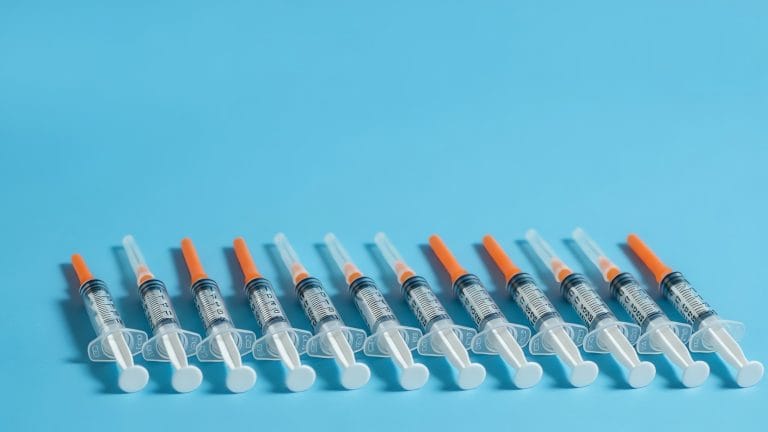
Insulin Syringe Sizes: Barrel, Needle, and Safety Basics
Insulin syringe sizes describe three things: how much the barrel holds, how long the needle is, and how thin the needle is.…
Read more →The contents of CanadianInsulin.com are for informational purposes only and should not be considered medical advice. We do not guarantee the accuracy of the content on CanadianInsulin.com, nor do we assume any responsibility for any actions taken using the information found on our website. Always consult with your family physician or a qualified health care provider about any health or medical concerns.