

Seasonal Affective Disorder Care Options
Browse Seasonal Affective Disorder care options, related medications, light therapy considerations, and mental health resources for safer comparison.
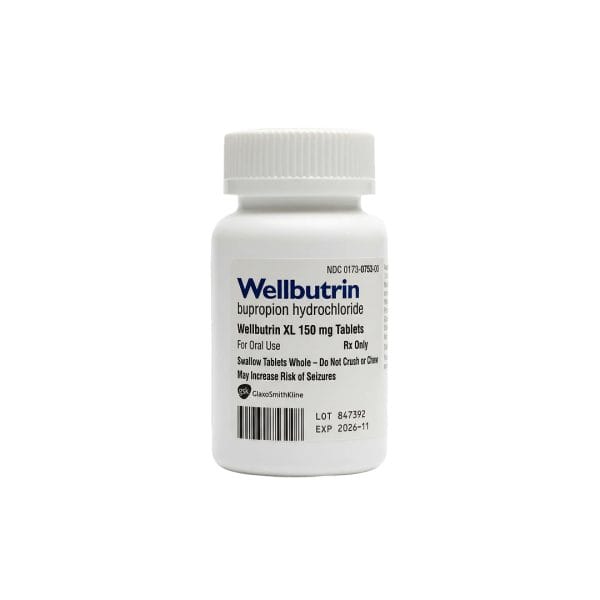
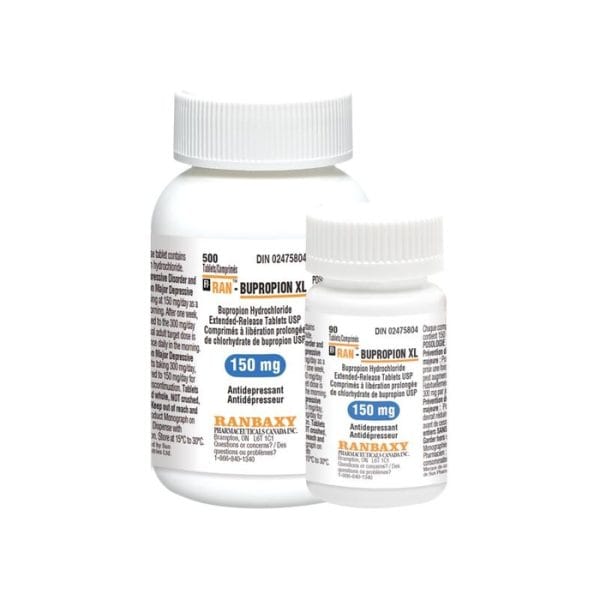
Prices in USD, the lowest price for each product; your dose and quantity set the final price. Struck prices are the US and Canadian comparison prices shown on each product page.
Seasonal Affective Disorder: products, conditions and resources
Seasonal Affective Disorder is a condition-focused collection for people comparing mood-related products and resources linked to seasonal depression. Use this page to review relevant medication pages, mental health categories, and practical factors that affect light-based routines. It can help patients and caregivers prepare better questions before speaking with a clinician.
Seasonal mood changes often appear in fall or winter, though patterns can vary. Many visitors compare light therapy lamps, medication options, and related mental health resources together. This page does not diagnose symptoms or recommend a treatment plan.
What This Seasonal Affective Disorder Collection Includes
This browse page brings together condition-aligned product pages and mental health resources. Product listings may include antidepressant options sometimes discussed in depression care, such as Wellbutrin XL, Bupropion XL, Fluoxetine, Escitalopram, and Zoloft. These pages are starting points for product details, not a substitute for prescribing guidance.
The category also connects to broader mental health browsing. The Mental Health product category can help you compare related listings by product type. The Depression condition page may be useful when seasonal symptoms overlap with ongoing low mood.
Why it matters: Seasonal symptoms can look similar to other mood conditions, so category browsing works best with clinical input.
How to Compare Light Therapy and Daily Routine Options
Many people searching for SAD treatment compare bright light therapy alongside medication information. Light therapy lamps are usually assessed by brightness, panel size, distance from the face, glare control, and timer features. A light therapy box with a wider panel may allow more natural head movement during breakfast or desk work.
Common product terms include 10000 lux light therapy, SAD light box, phototherapy lamp, and therapy light for depression. Lux describes the amount of visible light reaching the user at a stated distance. A desk light therapy lamp may suit a fixed morning workspace, while portable light therapy may better fit travel or shared rooms.
Some people also compare a dawn simulator alarm clock with a standard lamp. A dawn simulator gradually brightens before wake time, while a light therapy lamp is typically used during a planned session. Circadian rhythm light therapy focuses on timing light exposure to support the sleep-wake cycle.
- Check whether the device is labeled as a UV-free light therapy lamp.
- Compare the stated lux rating at the recommended distance.
- Look for diffusers if glare, headaches, or eye strain are concerns.
- Choose controls that fit your routine, such as timers or angle adjustment.
- Avoid assuming blue light therapy for SAD is automatically better for every user.
Medication Pages and Clinician Questions
Some people with winter depression review antidepressant product pages before a medical visit. This can help them understand names, release types, and whether a product page is relevant to their existing care plan. Do not start, stop, or change a medication without a prescriber.
CanadianInsulin.com operates as a prescription referral platform. Where required, prescription details may be confirmed with the prescriber before a medication request proceeds. That process does not replace an assessment, diagnosis, or follow-up care from your own healthcare professional.
When preparing for an appointment, consider asking whether symptoms follow a seasonal pattern, whether light sensitivity or eye disease changes device choice, and whether bipolar disorder needs to be ruled out. Seasonal Affective Disorder can occur alongside other conditions, and antidepressant selection depends on individual history.
Related Mental Health Categories and Articles
Seasonal mood symptoms may overlap with anxiety, bipolar conditions, or premenstrual mood changes. For adjacent condition browsing, compare Anxiety, Bipolar Depression, Bipolar Disorder, and Premenstrual Dysphoric Disorder. These pages can help you separate condition-focused product lists from general education.
The Mental Health Articles archive offers reading material on mood, anxiety, and related medication topics. Article pages support learning, while product pages support comparison of specific listings. Keeping those purposes separate can make browsing clearer.
Quick tip: Save the product names and questions you want to discuss before your visit.
Safety Boundaries When Browsing SAD Therapy Options
Light-based routines can affect sleep timing, eye comfort, and mood activation. People with retinal disease, migraine triggered by light, bipolar history, or photosensitizing medicines should discuss device use with a clinician. Use product manuals for distance and duration instructions.
Symptoms often associated with seasonal depression can include low mood, fatigue, sleep changes, appetite changes, and loss of interest. These symptoms are not specific to one diagnosis. According to the National Institute of Mental Health, SAD is a type of depression with a recurring seasonal pattern.
Clinical resources also note that treatment may include light therapy, psychotherapy, medication, or a combination. The Mayo Clinic light therapy overview explains general session timing and safety considerations. Use these sources for background, then rely on your clinician for personal decisions.
Using This Page as a Browsing Starting Point
Start with the group that best matches your question. Product pages help you review specific medication listings. Condition pages help you compare related mood categories. Article archives can clarify general terms before you speak with a healthcare professional.
If you are comparing SAD lamps, focus on fit, comfort, and safety labeling rather than brightness alone. If you are reviewing medication pages, keep the discussion tied to your diagnosis, current medicines, and prescriber instructions. Seasonal Affective Disorder care often requires both practical routine planning and professional oversight.
This content is for informational purposes only and is not a substitute for professional medical advice.
Related conditions
All medical conditions →Frequently asked questions
About browsing Seasonal Affective Disorder resources on this page.
How is this Seasonal Affective Disorder page organized?
This page is a condition-focused browse page. It brings together related medication listings, mental health categories, and educational resources that may help you prepare for a clinical discussion. Product pages are useful for reviewing specific names and forms. Condition pages help compare related mood concerns. Article archives support general learning, but they should not replace a diagnosis or treatment plan.
What should I compare when looking at SAD lamps?
Compare brightness at the stated distance, panel size, glare control, UV filtering, timer options, and how the lamp fits your morning routine. A larger light therapy box may feel easier to use at a desk, while a smaller device may suit travel. People with eye disease, bipolar history, migraine, or light-sensitive medicines should ask a clinician before starting.
Can Seasonal Affective Disorder overlap with other mood conditions?
Yes. Seasonal symptoms can overlap with depression, anxiety, bipolar depression, or premenstrual mood changes. The pattern, duration, and associated symptoms matter. A clinician can help distinguish seasonal depression from other conditions and decide whether light therapy, counseling, medication, or another approach is appropriate. Browsing related condition pages can help you organize questions before an appointment.
Are medication pages on this category a treatment recommendation?
No. Medication pages are included for browsing and product comparison only. They do not mean a medicine is right for a specific person or symptom pattern. Antidepressants and related treatments require clinician guidance, especially when bipolar disorder, other medications, pregnancy, or complex medical history may affect safety. Always follow your prescriber’s instructions.
Related articles
View all articles →
Continuous Glucose Monitoring: How CGMs Fit Diabetes Care
Continuous glucose monitoring is a way to track glucose throughout the day and night with a small wearable sensor. It matters because…
Read more →
How to Get Rid of a Cold Sore and Ease Symptoms Safely
A cold sore usually cannot be erased overnight. If you want to know how to get rid of a cold sore, the…
Read more →
Generic Zepbound: Availability, Status, and Options
Key Takeaways Patients and caregivers often search for generic zepbound when they need a clear answer about availability, labeling, and lower-cost access.…
Read more →
Ozempic Bodybuilding: Muscle-Sparing Tips for Lifters
Ozempic bodybuilding discussions usually focus on cutting fat, but the main issue is muscle preservation during appetite suppression. GLP-1 medicines can make…
Read more →The contents of CanadianInsulin.com are for informational purposes only and should not be considered medical advice. We do not guarantee the accuracy of the content on CanadianInsulin.com, nor do we assume any responsibility for any actions taken using the information found on our website. Always consult with your family physician or a qualified health care provider about any health or medical concerns.