

Primary Hyperaldosteronism Medications and Resources
Browse Primary Hyperaldosteronism medications and related resources for patients comparing aldosterone-related blood pressure and potassium topics.
Prices in USD, the lowest price for each product; your dose and quantity set the final price. Struck prices are the US and Canadian comparison prices shown on each product page.
Primary Hyperaldosteronism: products, conditions and resources
This medical-condition collection brings together products and reading resources related to Primary Hyperaldosteronism, also called primary aldosteronism. It helps patients and caregivers compare medication pages, electrolyte topics, and related condition categories before discussing care with a clinician. Use the links here to narrow by drug class, associated symptoms, or overlapping cardiovascular and kidney concerns.
Primary Hyperaldosteronism happens when the adrenal glands make too much aldosterone, a hormone that helps regulate salt, water, and potassium balance. Many visitors arrive after learning about resistant high blood pressure, low potassium, or adrenal testing. This page stays focused on browsing support, not diagnosis or individual treatment choices.
What This Primary Hyperaldosteronism Collection Includes
The listings focus on medications and resources that often appear in conversations about aldosterone-driven hypertension. Product pages may include mineralocorticoid receptor antagonists, blood pressure medicines, and diuretics used in related care plans. Educational resources cover potassium changes and related safety terms.
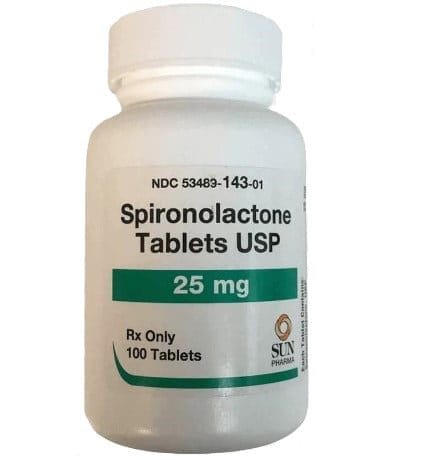
The main product option in this category is Spironolactone, a medication commonly discussed as primary aldosteronism medication. It blocks aldosterone effects at the mineralocorticoid receptor. Clinicians may consider it when primary hyperaldosteronism treatment uses a medicine-based approach rather than surgery, or when surgery is not suitable.
Other linked medication pages support browsing around related blood pressure and fluid-balance needs. These include Valsartan, Ramipril, Norvasc, and Hydrochlorothiazide. These products are not interchangeable with aldosterone blockers. They appear here because many people compare several hypertension categories during specialist-directed care.
Quick tip: Bring your current medication list when reviewing any blood pressure product page.
How to Compare Medication Pages
Start with the medication class, then review form, strength, warnings, and monitoring language on each product page. A clinician may weigh kidney function, potassium history, blood pressure targets, and interacting medicines before selecting an option. Do not start, stop, or switch a medication based only on a category page.
Primary aldosteronism spironolactone searches often reflect a specific question: whether aldosterone blockade fits a confirmed diagnosis. Product pages can help you identify the active ingredient and available forms. They cannot confirm whether the medicine is appropriate for your labs, adrenal imaging, or other conditions.
| Browsing factor | Why it matters |
|---|---|
| Medication class | Shows whether the product blocks aldosterone, lowers blood pressure another way, or affects fluid balance. |
| Potassium considerations | Aldosterone-related conditions can involve low or high potassium during evaluation and treatment. |
| Kidney or heart history | Related conditions may change monitoring plans and medication selection. |
| Drug interactions | ACE inhibitors, ARBs, diuretics, and anti-inflammatory medicines may need extra review. |
CanadianInsulin.com is a prescription referral platform, and prescription details may be confirmed with the prescriber when required. Dispensing is handled by licensed third-party pharmacies where permitted. These access details do not replace medical review.
Symptoms, Labs, and Diagnosis Resources
Primary hyperaldosteronism symptoms can be subtle. Some people have high blood pressure without obvious symptoms. Others may notice muscle weakness, cramps, fatigue, thirst, or frequent urination when potassium runs low. These symptoms can also come from many other causes, so evaluation needs clinician oversight.
Hyperaldosteronism diagnosis usually starts with blood pressure history and laboratory testing. Common discussion points include aldosterone, renin, sodium, and potassium. Primary hyperaldosteronism labs may show high aldosterone with suppressed renin. Hyperaldosteronism labs potassium results may be low, though normal potassium does not always rule out the condition.
A primary aldosteronism test is often described as an aldosterone-renin ratio. If screening suggests the condition, clinicians may consider confirmatory testing, adrenal imaging, or adrenal vein sampling. These steps depend on local practice, medication effects, and the patient’s overall risk profile.
For plain-language electrolyte reading, compare Hypokalemia Signs and Symptoms with Hypokalemia vs Hyperkalemia. If potassium runs high during therapy or kidney disease, Hyperkalemia Signs and Symptoms explains common terms used in lab discussions.
Primary vs Secondary Hyperaldosteronism
Primary vs secondary hyperaldosteronism is an important browsing distinction. Primary Hyperaldosteronism starts in the adrenal glands. Secondary hyperaldosteronism happens when another process raises renin and drives aldosterone production, such as reduced kidney blood flow, heart failure, cirrhosis, or some diuretic effects.
Primary hyperaldosteronism causes may include an adrenal adenoma, often called Conn syndrome, or overactivity in both adrenal glands. Secondary hyperaldosteronism causes relate to signals outside the adrenal gland. Secondary hyperaldosteronism symptoms and labs can overlap with other fluid-balance disorders, so interpretation depends on the full clinical picture.
People also ask whether Primary Hyperaldosteronism is hereditary. Most cases are not inherited, but rare familial forms exist. A clinician may review age at onset, family history, stroke risk at a young age, and adrenal findings when deciding whether genetic evaluation matters.
Some visitors look for a primary hyperaldosteronism ICD-10 code or an ICD 10 code for aldosterone-related documentation. Coding depends on the final diagnosis, payer rules, and clinician documentation. A medical office or coding professional should confirm the correct code for records or claims.
Related Condition Categories to Browse
Aldosterone excess often intersects with other condition pages. Open Hypertension when comparing blood pressure medicines and related education. If kidney monitoring is part of the care plan, Chronic Kidney Disease can help frame medication and lab questions.
Fluid retention may also shape the discussion. The Edema category covers swelling-related products and resources. For patients whose care involves cardiac function, Heart Failure connects aldosterone-related medication classes with broader cardiovascular management.
The Nephrology product category may be useful when kidney function, potassium balance, or renal blood pressure mechanisms are part of the conversation. Use these pages to prepare questions, not to self-diagnose or adjust therapy.
Safety Notes and Authoritative References
Medication safety in this area often centers on potassium, kidney function, blood pressure, and interacting drugs. Mineralocorticoid receptor antagonists can raise potassium. Some blood pressure medicines may also affect kidney labs or potassium levels, especially when combined.
Why it matters: Baseline and follow-up labs help clinicians interpret treatment response and safety.
Professional guidance changes as evidence develops. The Endocrine Society summarizes primary aldosteronism screening and management recommendations. MedlinePlus provides a patient-friendly page on primary and secondary hyperaldosteronism basics. Use these references alongside your clinician’s instructions, especially if medications were paused before testing.
Using This Page as a Starting Point
This collection is best used as a navigation page for product and education browsing. Compare medication pages, read potassium resources, and review related cardiovascular or kidney categories before your next appointment. If you have new weakness, severe symptoms, very high blood pressure, or abnormal potassium results, seek medical advice promptly through the appropriate care channel.
This content is for informational purposes only and is not a substitute for professional medical advice.
Related conditions
All medical conditions →Frequently asked questions
About browsing Primary Hyperaldosteronism resources on this page.
What is included in this Primary Hyperaldosteronism category?
This category collects medication pages and educational resources related to aldosterone excess, blood pressure, potassium balance, and overlapping kidney or heart concerns. It is not a diagnostic tool. Use it to compare product classes, read electrolyte articles, and find related condition pages before speaking with a qualified healthcare professional.
How should I compare products listed on this page?
Compare products by active ingredient, medication class, form, strength information, warnings, and monitoring language. For Primary Hyperaldosteronism, potassium and kidney function are especially important discussion points. A clinician should decide whether an aldosterone blocker, another blood pressure medicine, or a different approach fits your confirmed diagnosis and lab history.
What is the difference between primary and secondary hyperaldosteronism?
Primary hyperaldosteronism starts in the adrenal glands, which produce too much aldosterone. Secondary hyperaldosteronism is driven by another condition or signal, often involving renin activation. The two can share features such as blood pressure changes or electrolyte concerns, but their causes, testing patterns, and treatment planning differ.
Can this page tell me which treatment I need?
No. This page supports browsing and education only. Primary hyperaldosteronism treatment depends on confirmed testing, adrenal findings, kidney function, potassium trends, other medicines, and personal health history. A healthcare professional should interpret labs and decide whether medication, surgery evaluation, or monitoring is appropriate.
Related articles
View all articles →
Weight Loss and Calories Calculator: Safe Planning Basics
A weight loss and calories calculator estimates daily calories for maintenance and planned weight change by using your age, sex, height, weight,…
Read more →
Humulin N Dosage Chart: Safe Use and Adjustment Factors
A Humulin N dosage chart can help you organize a prescribed insulin plan, but it should not decide your dose. Humulin N…
Read more →
Humalog KwikPen Generic Options and Insulin Lispro Safety
A Humalog KwikPen generic search usually comes down to one key point: Humalog KwikPen contains insulin lispro, but insulin copies are not…
Read more →
Insulin Syringe Sizes: Barrel, Needle, and Safety Basics
Insulin syringe sizes describe three things: how much the barrel holds, how long the needle is, and how thin the needle is.…
Read more →The contents of CanadianInsulin.com are for informational purposes only and should not be considered medical advice. We do not guarantee the accuracy of the content on CanadianInsulin.com, nor do we assume any responsibility for any actions taken using the information found on our website. Always consult with your family physician or a qualified health care provider about any health or medical concerns.