

Type 1 Diabetes Medications and Resources
Browse type 1 diabetes medications, insulin options, supplies, and related education for patients and caregivers comparing care resources.
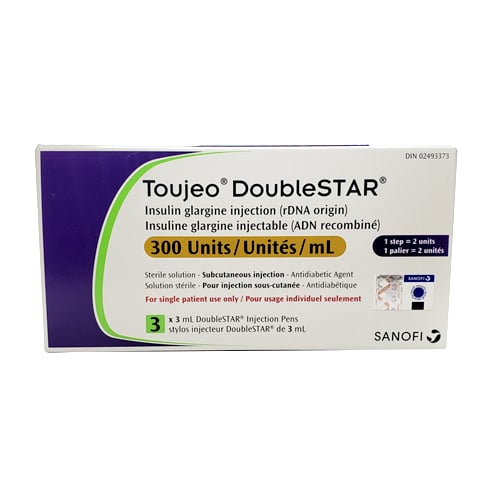
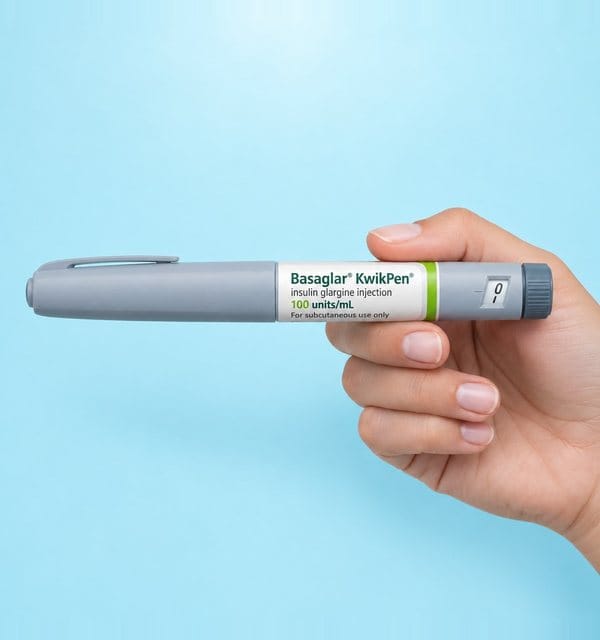

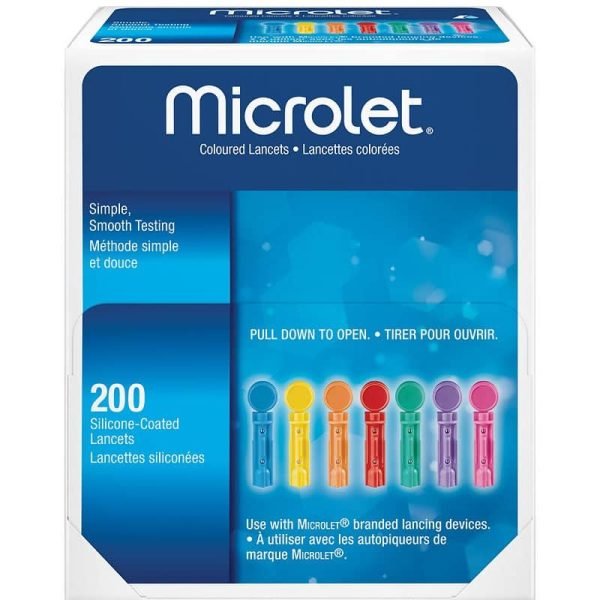
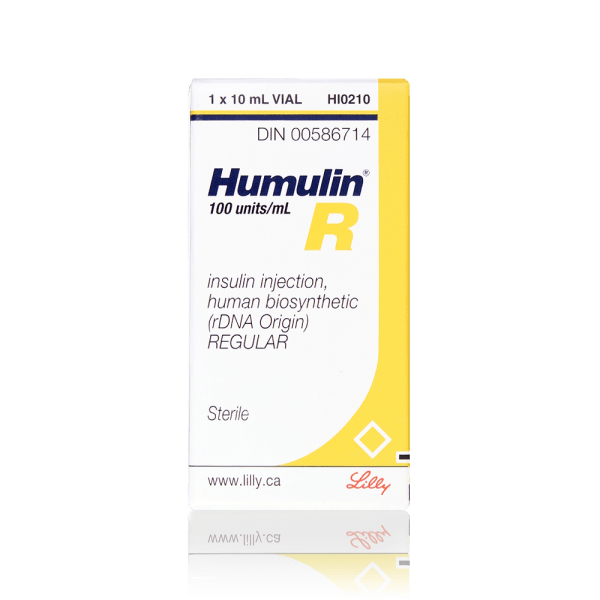
Prices in USD, the lowest price for each product; your dose and quantity set the final price. Struck prices are the US and Canadian comparison prices shown on each product page.
Type 1 Diabetes: products, conditions and resources
Type 1 diabetes care often involves insulin, monitoring tools, supplies, and steady education. This condition category brings related products and reading resources together so patients, caregivers, and shoppers can compare options with less guesswork. Use it to browse insulin formats, product classes, condition pages, and practical articles before discussing choices with a healthcare professional.
Type 1 diabetes is an autoimmune disease, which means the immune system attacks insulin-producing beta cells in the pancreas. The body then makes little or no insulin, so blood glucose can rise without treatment. The NIDDK type 1 diabetes overview explains this condition in patient-friendly terms.
What This Type 1 Diabetes Category Contains
This page is a condition-aligned browse collection, not a treatment plan. It includes insulin product pages, broader diabetes categories, complication-related condition pages, and education articles. You can move from a specific insulin format to a related clinical topic without sorting through unrelated listings.
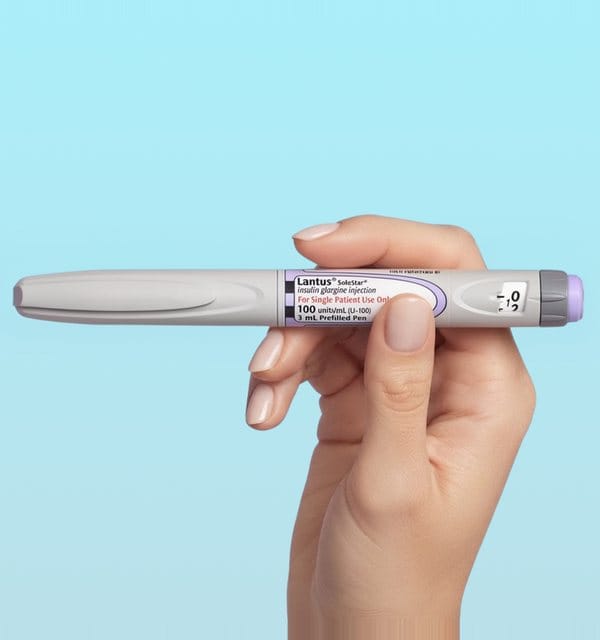
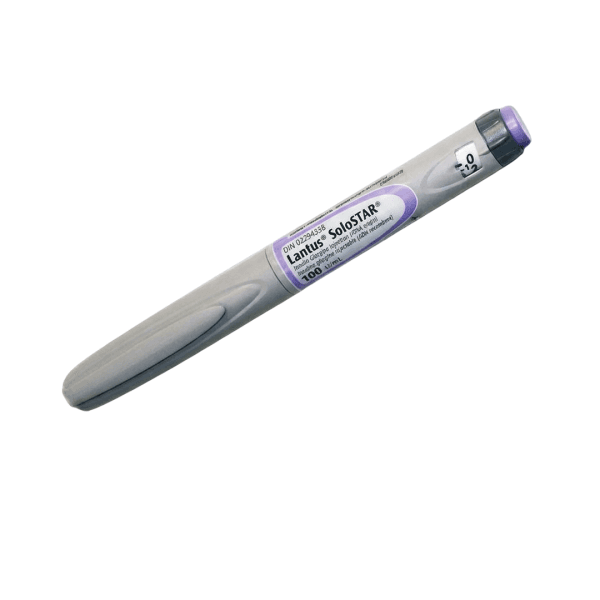
The product links focus on commonly compared insulin options. Rapid-acting examples include NovoRapid Vials, Humalog KwikPen, and Apidra SoloStar Pens. Longer-acting options include Lantus SoloStar Pens and Tresiba FlexTouch Pens. These pages can help you compare formats, device style, and listed product details.
Education links support common browsing questions. The Type 1 Diabetes Articles archive groups focused explainers, while the broader Diabetes Articles archive covers related monitoring, lifestyle, and medication topics. These resources help you prepare better questions, but they do not replace professional care.
How to Compare Insulin and Supplies
Most type 1 diabetes treatment plans include insulin, but the exact product and device depend on the prescriber’s plan. Browsing usually starts with the insulin action profile. Rapid-acting insulins are often compared for mealtime use, while long-acting insulins are often compared for basal coverage. Intermediate-acting products may also appear in some routines, and the Intermediate-Acting Insulin category is a useful place to review that product group.
Format also matters. Pens may suit people who value portability and built-in dose dialing. Vials may fit routines that already use syringes or other established workflows. Product pages can show available forms and strengths, but your clinician should confirm any switch, conversion, or training need.
| Browsing factor | What to compare | What to confirm |
|---|---|---|
| Insulin action | Rapid, short, intermediate, or long acting | Prescribed role in the daily plan |
| Format | Pen, vial, cartridge, or pump-compatible supply | Device training and compatibility |
| Routine fit | Meals, school, work, travel, and activity patterns | Storage and discard instructions |
| Monitoring needs | Meters, CGM use, logs, and alerts | How readings guide care decisions |
Quick tip: Keep product names, strengths, and device types written down before appointments.
Symptoms, Diagnosis, and When to Seek Care
People often arrive here after searching type 1 diabetes symptoms or comparing type 1 diabetes vs type 2. Common warning signs can include unusual thirst, frequent urination, fatigue, blurry vision, and unintended weight loss. In children, symptoms may appear quickly and can include bed-wetting after prior dryness. In adults, type 1 diabetes symptoms can sometimes be mistaken for other causes of fatigue or weight change.
Diagnosis may involve blood glucose testing, A1C, C-peptide, and islet autoantibodies. Clinicians use these results with age, symptoms, body weight changes, and family history. This helps answer how to diagnose type 1 diabetes vs type 2, including slower autoimmune presentations sometimes called type 1.5 diabetes or LADA.
Diabetic ketoacidosis, often called DKA, can occur when the body lacks enough insulin and produces excess ketones. Severe nausea, vomiting, abdominal pain, deep breathing, confusion, or fruity-smelling breath can require urgent medical attention. This category can support learning and product browsing, but diagnosis and emergency decisions need professional evaluation.
Related Conditions and Long-Term Questions
Type 1 diabetes management often overlaps with other condition areas. Hypoglycemia means low blood glucose, and it is a key safety topic for insulin users. The Hypoglycemia collection can help you find related products and education. Eye and kidney health may also matter over time, so pages for Diabetic Retinopathy and Chronic Kidney Disease organize related browsing paths.
Many readers also compare type 1 diabetes vs type 2 because both involve high blood glucose. Type 1 is usually autoimmune and insulin-dependent. Type 2 more often involves insulin resistance, though some people with type 2 also use insulin. The Type 2 Diabetes category supports that comparison from a browsing perspective.
Questions about type 1 diabetes complications, life expectancy, pregnancy, alcohol, and exercise are common. These topics are best handled with individualized clinical guidance, because risk and planning differ by person. If you want a focused reading path, Type 1 Diabetes Life Expectancy and Is Type 1 Diabetes an Autoimmune Disease address frequent concerns in plain language.
Access, Prescriptions, and Safe Product Review
Insulin and many diabetes medications require prescription oversight. CanadianInsulin.com functions as a prescription referral platform, and prescription details may be confirmed with the prescriber where required. Dispensing is handled by licensed third-party pharmacies where permitted, based on eligibility and jurisdiction.
When comparing type 1 diabetes medications, use product listings to verify the exact name, form, and device type. Do not use a similar-looking pen or vial as a substitute unless a clinician confirms it. Small differences in concentration, action profile, or delivery device can matter.
Why it matters: Product browsing is safest when it supports, rather than replaces, the care plan.
- Check whether the listing is a pen, vial, or another device format.
- Confirm the insulin action profile matches the prescription.
- Review storage and discard information on the product page or label.
- Ask about site rotation, device training, and low-glucose planning.
- Keep backup supplies and sick-day instructions discussed with your care team.
Useful Reading Paths for Common Questions
Some visitors want product details first. Others need practical education before comparing items. If your main question is which diabetes is insulin dependent, Which Diabetes Is Insulin Dependent explains the terminology. If you are comparing seriousness or outcomes, Which Is Worse Type 1 or Type 2 Diabetes gives a more balanced frame than a simple ranking.
People also ask what causes type 1 diabetes and whether type 1 diabetes is genetic. Current understanding points to autoimmune disease, genetic susceptibility, and environmental triggers, but no single cause explains every case. For emerging treatment ideas, Immunotherapy in Type 1 Diabetes Treatment covers research directions without replacing current insulin-based care.
This collection is most useful when you use it as a starting map. Compare product formats, open the most relevant condition pages, and save article topics for your next clinical discussion.
This content is for informational purposes only and is not a substitute for professional medical advice.
Related conditions
All medical conditions →Frequently asked questions
About browsing Type 1 Diabetes resources on this page.
How should I use this type 1 diabetes category?
Use this category to compare related insulin products, device formats, and education resources in one place. Start with the product type or question that matches your need, such as rapid-acting insulin, long-acting insulin, hypoglycemia, or type 1 versus type 2 diabetes. Product pages can help you review forms and listed details, while articles can help you prepare questions for your clinician.
What should I compare before opening an insulin product page?
Compare the prescribed insulin name, action profile, format, and device type. Pens and vials are not used the same way, and different insulins can have different roles in a care plan. Product listings are useful for browsing, but they should not be used to change therapy. Confirm any product switch, dose question, storage concern, or device training need with a healthcare professional.
Does type 1 diabetes always require insulin?
Type 1 diabetes usually requires insulin because the body makes little or no insulin on its own. Some research explores immune-based therapies and other future approaches, but insulin remains central to current care for most people. The exact plan can differ by age, routine, glucose patterns, pregnancy status, activity level, and other health conditions, so treatment decisions require professional guidance.
How is type 1 diabetes different from type 2 diabetes when browsing products?
Type 1 diabetes is usually autoimmune and insulin-dependent, while type 2 diabetes more often involves insulin resistance. This difference affects which medication categories may be relevant. Many type 1 browsing paths focus on insulin, monitoring, and safety supplies. Type 2 categories may include non-insulin medications as well as insulin for some patients. A clinician can confirm the diagnosis and appropriate product class.
Related articles
View all articles →
Weight Loss and Calories Calculator: Safe Planning Basics
A weight loss and calories calculator estimates daily calories for maintenance and planned weight change by using your age, sex, height, weight,…
Read more →
Humulin N Dosage Chart: Safe Use and Adjustment Factors
A Humulin N dosage chart can help you organize a prescribed insulin plan, but it should not decide your dose. Humulin N…
Read more →
Humalog KwikPen Generic Options and Insulin Lispro Safety
A Humalog KwikPen generic search usually comes down to one key point: Humalog KwikPen contains insulin lispro, but insulin copies are not…
Read more →
Insulin Syringe Sizes: Barrel, Needle, and Safety Basics
Insulin syringe sizes describe three things: how much the barrel holds, how long the needle is, and how thin the needle is.…
Read more →The contents of CanadianInsulin.com are for informational purposes only and should not be considered medical advice. We do not guarantee the accuracy of the content on CanadianInsulin.com, nor do we assume any responsibility for any actions taken using the information found on our website. Always consult with your family physician or a qualified health care provider about any health or medical concerns.